Natural 'Weather Stations' Found Around Young Stars
Scientists have identified massive plasma rings around distant M dwarf stars that act as natural 'weather stations,' offering a new way to study exoplanet habitability.
20 articles tagged

Scientists have identified massive plasma rings around distant M dwarf stars that act as natural 'weather stations,' offering a new way to study exoplanet habitability.

The University of Arizona's Pandora satellite is set for a weekend launch to study the atmospheres of at least 20 distant exoplanets for signs of water.

Thousands of astronomers are in Phoenix for the 247th American Astronomical Society meeting, focusing on exoplanets, galaxy formation, and future space telescopes.

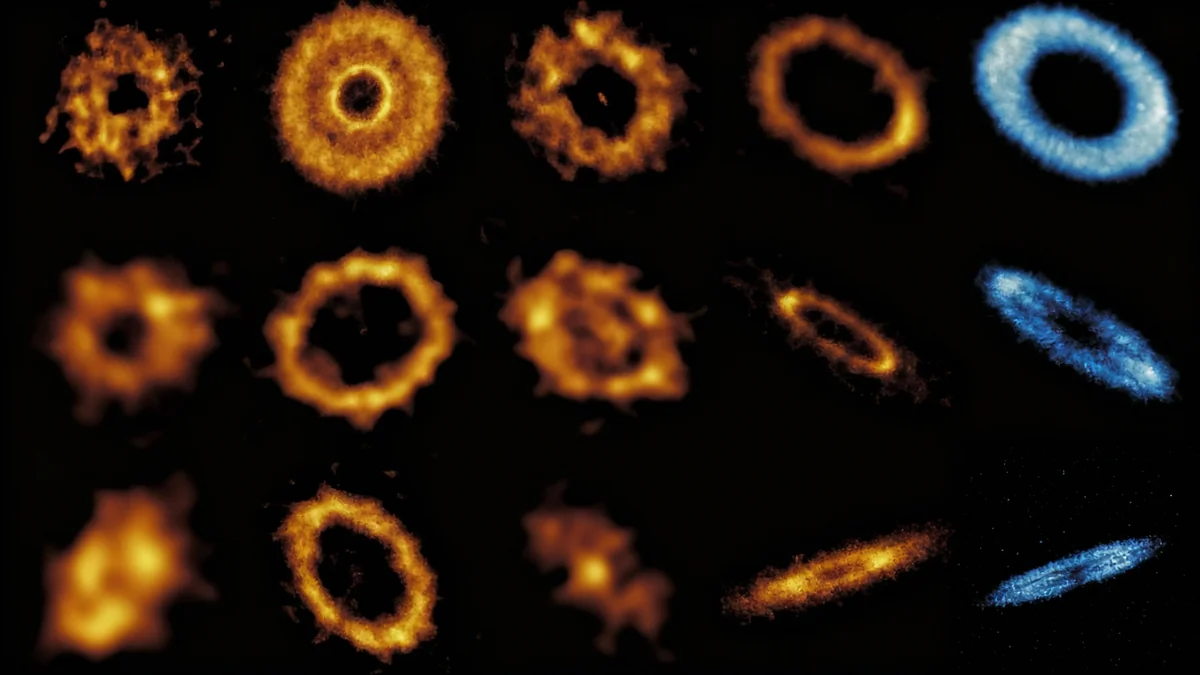
Astronomers using the Hubble Telescope have witnessed the aftermath of two massive asteroid collisions in the Fomalhaut system, mistaking the debris for a planet.

NASA's Nancy Grace Roman Space Telescope is now fully assembled and entering its final testing phase before a launch scheduled by May 2027. The observatory will map the universe to study dark energy a

NASA has completed the assembly of its next-generation Nancy Grace Roman Space Telescope, which is on track for a potential 2026 launch to study dark energy and exoplanets.

NASA's new Pandora telescope, launching in 2026, will conduct a deep study of 20 exoplanets to better understand their atmospheres by filtering out stellar interference.

Scientists are targeting the nearby Eta Cassiopeiae binary star system in the search for life, precisely because it lacks disruptive giant planets.

Astronomers have confirmed the first coronal mass ejection from a distant star, a powerful blast that could strip atmospheres from nearby planets, offering new insights into exoplanet habitability.

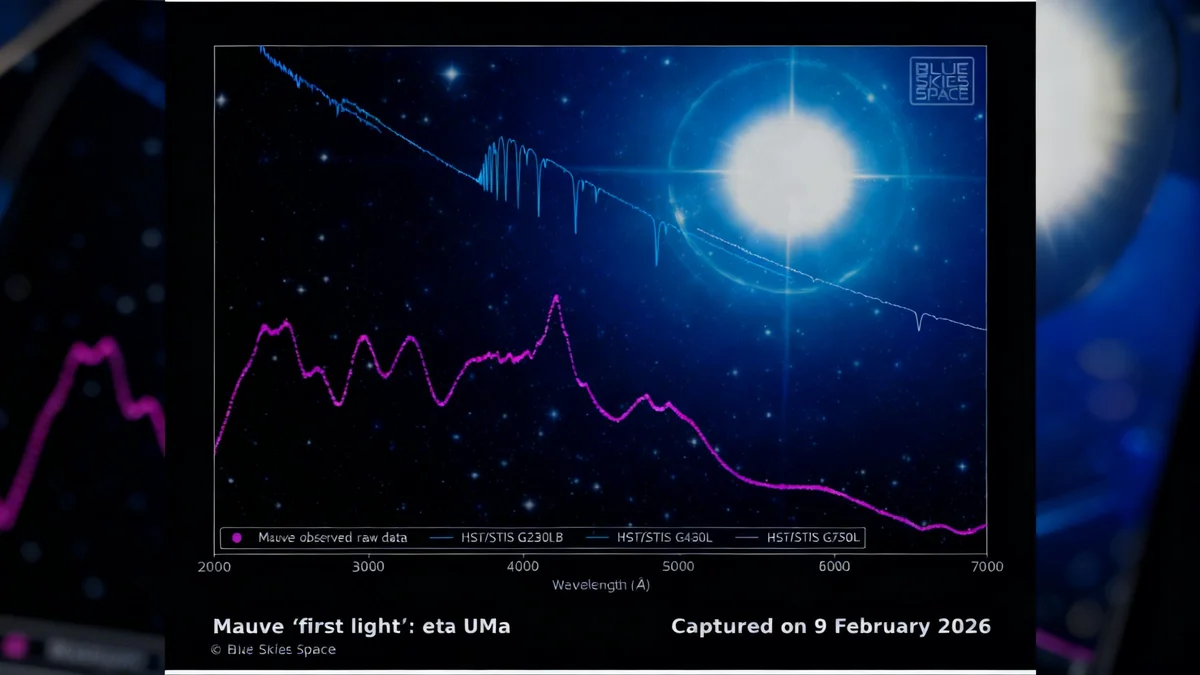
The first privately funded space telescope, Mauve, is set to launch this year. The UK-built satellite will study stellar UV radiation to find stars capable of hosting life.

NASA engineers have successfully joined the main components of the Roman Space Telescope, a critical step toward its launch scheduled no later than May 2027.

A deep dive into humanity's ongoing search for extraterrestrial life, from historical speculation to the discovery of thousands of exoplanets and key scientific missions.