China's Private Firms Enter a New Commercial Space Race
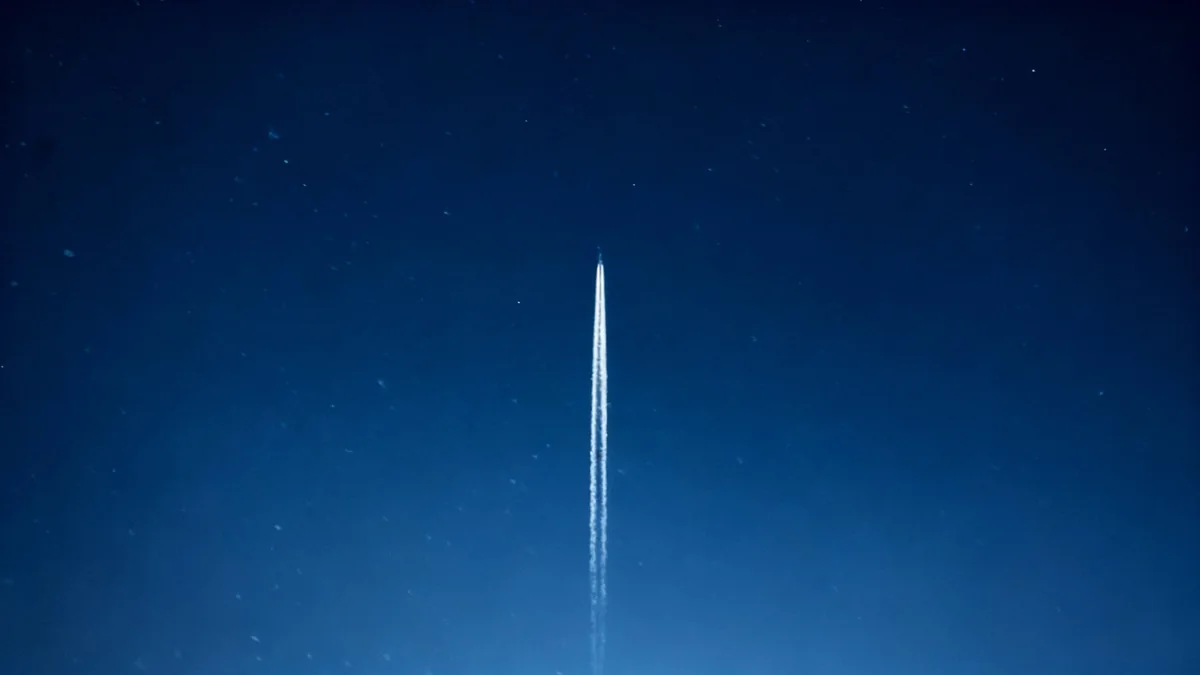
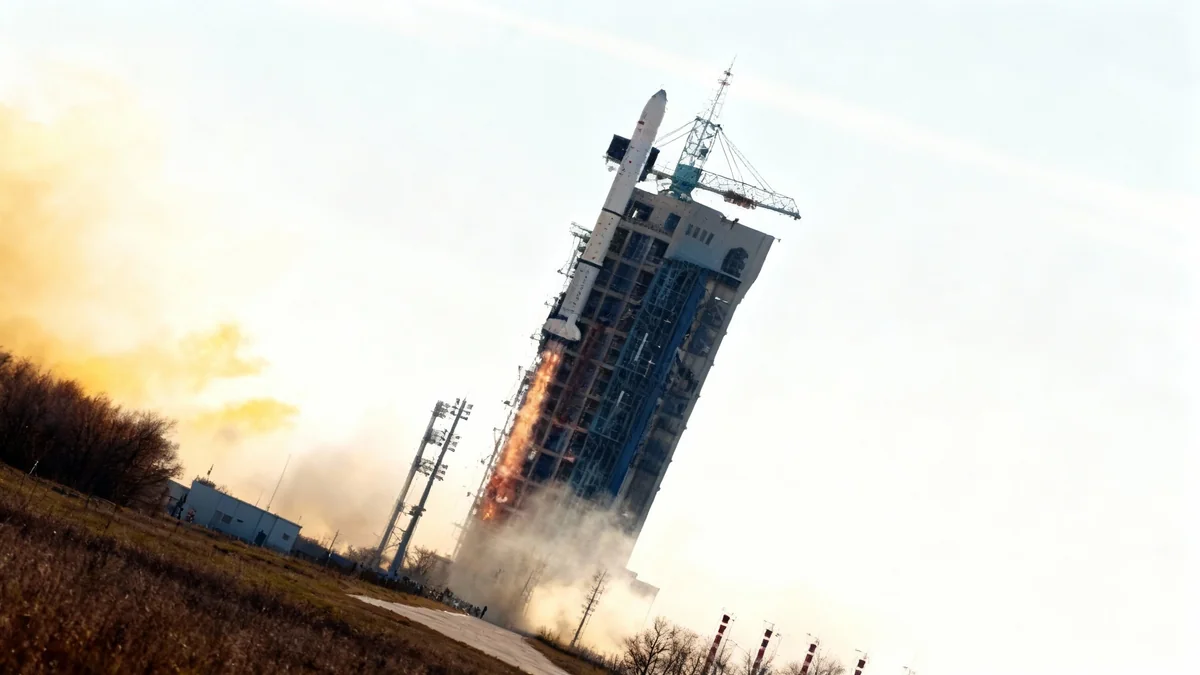
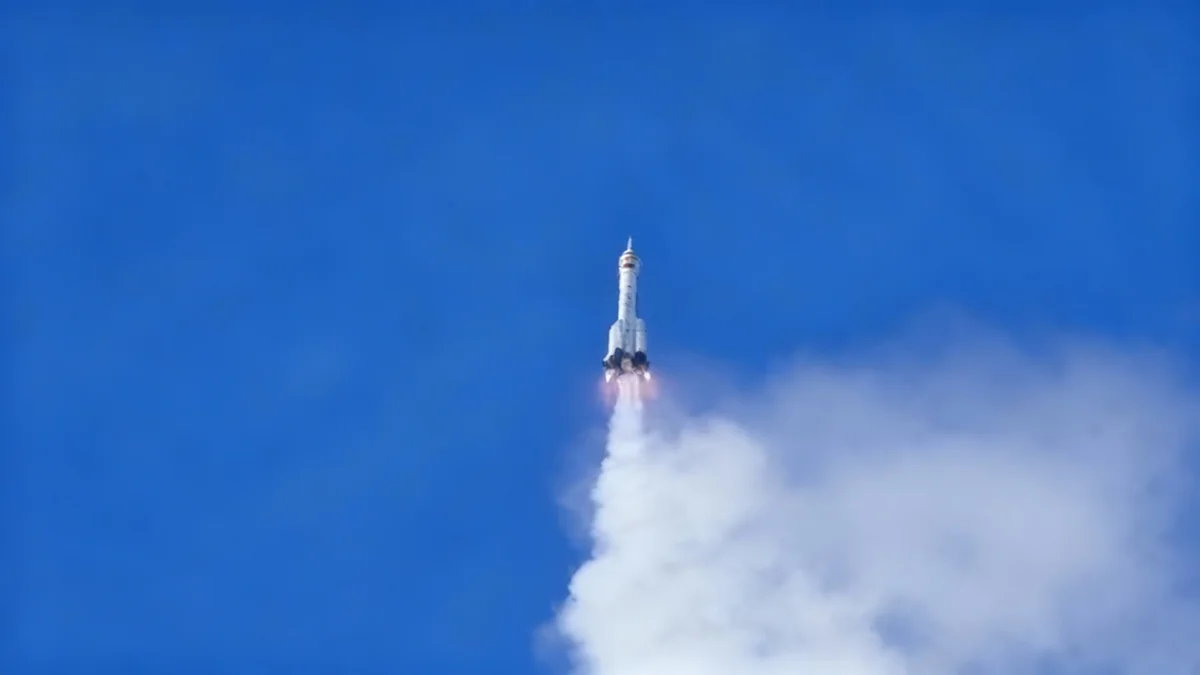
China's private space industry is on the verge of a major breakthrough with reusable rocket technology, aiming to lower launch costs and compete globally.

Dr. Lena Kovacs combines her scientific background with sharp journalistic instincts to cover complex topics ranging from space science to legal and ethical dilemmas. Her articles are known for their depth and clarity, making intricate subjects accessible.
20 published articles
China's private space industry is on the verge of a major breakthrough with reusable rocket technology, aiming to lower launch costs and compete globally.
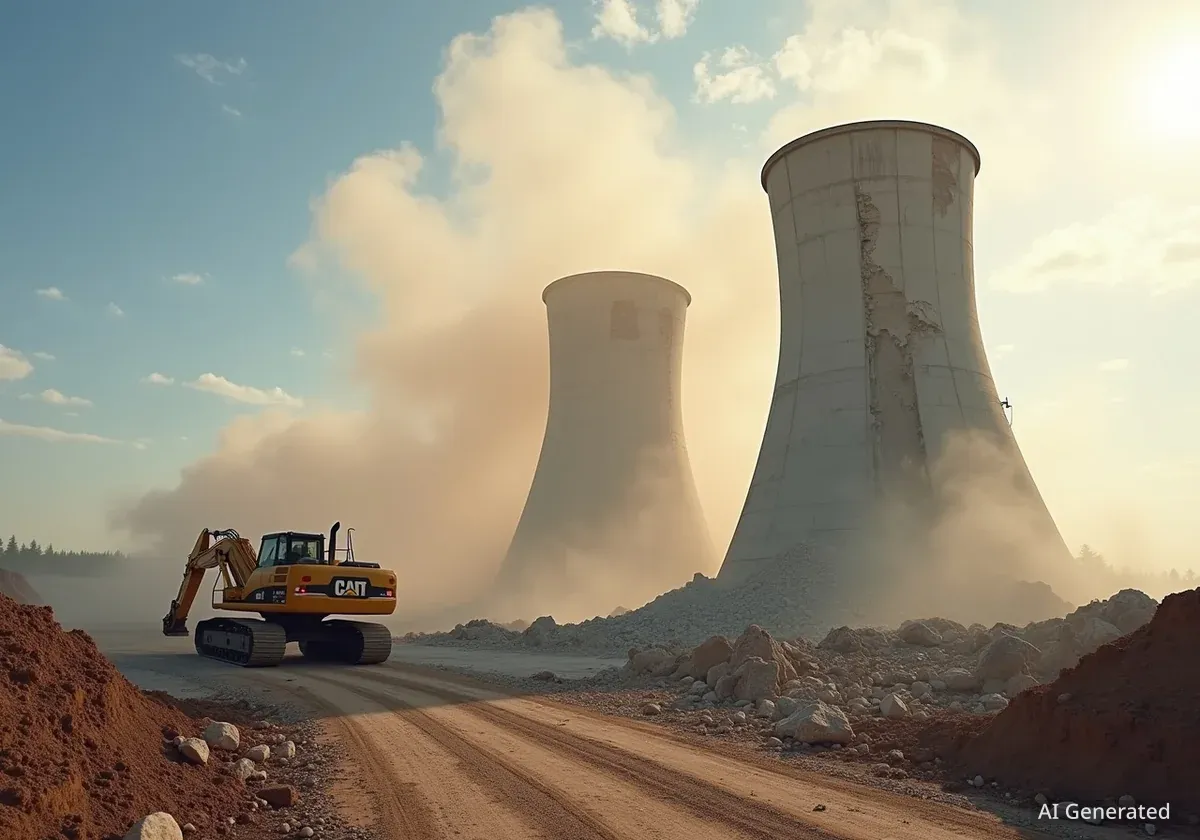
NASA has demolished two iconic, Apollo-era test towers at its Marshall Space Flight Center in Alabama, citing modernization needs and high maintenance costs.
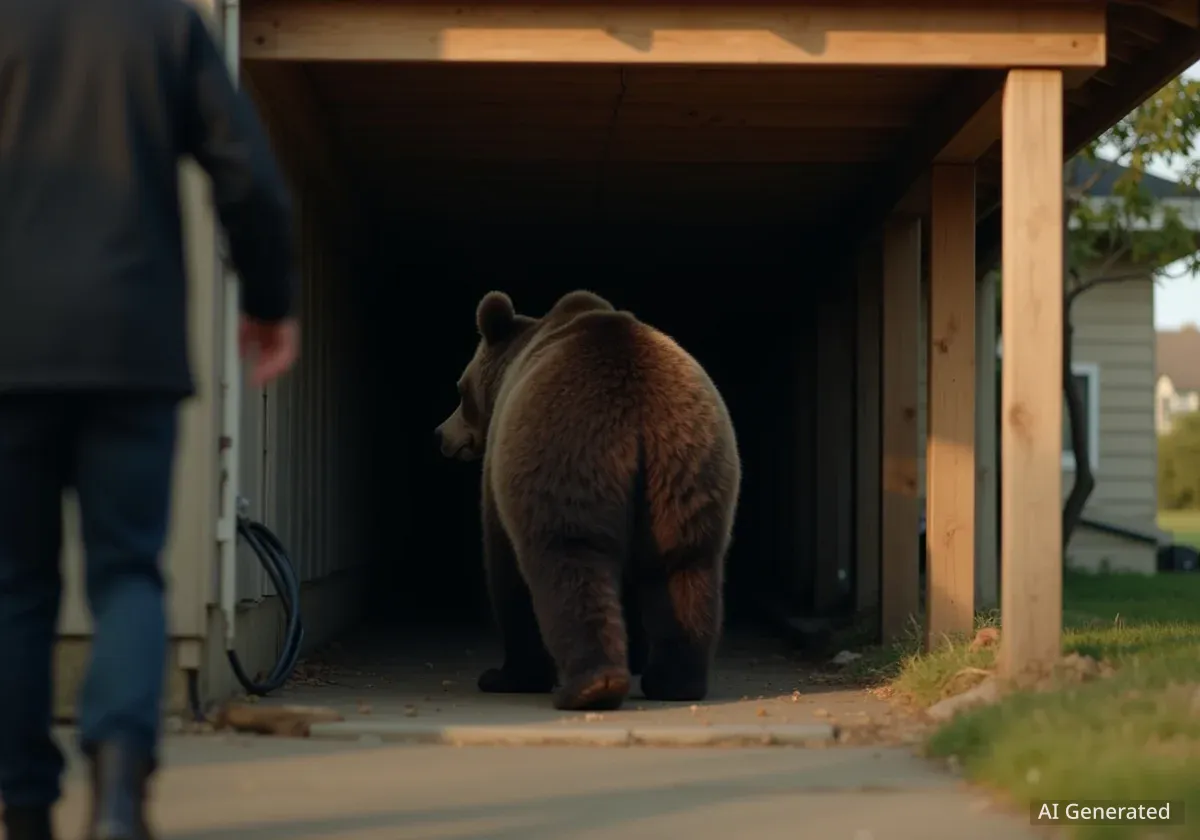
A 500-pound bear that lived under a California home for 37 days has been removed by a non-profit after state officials were reportedly unable to help.
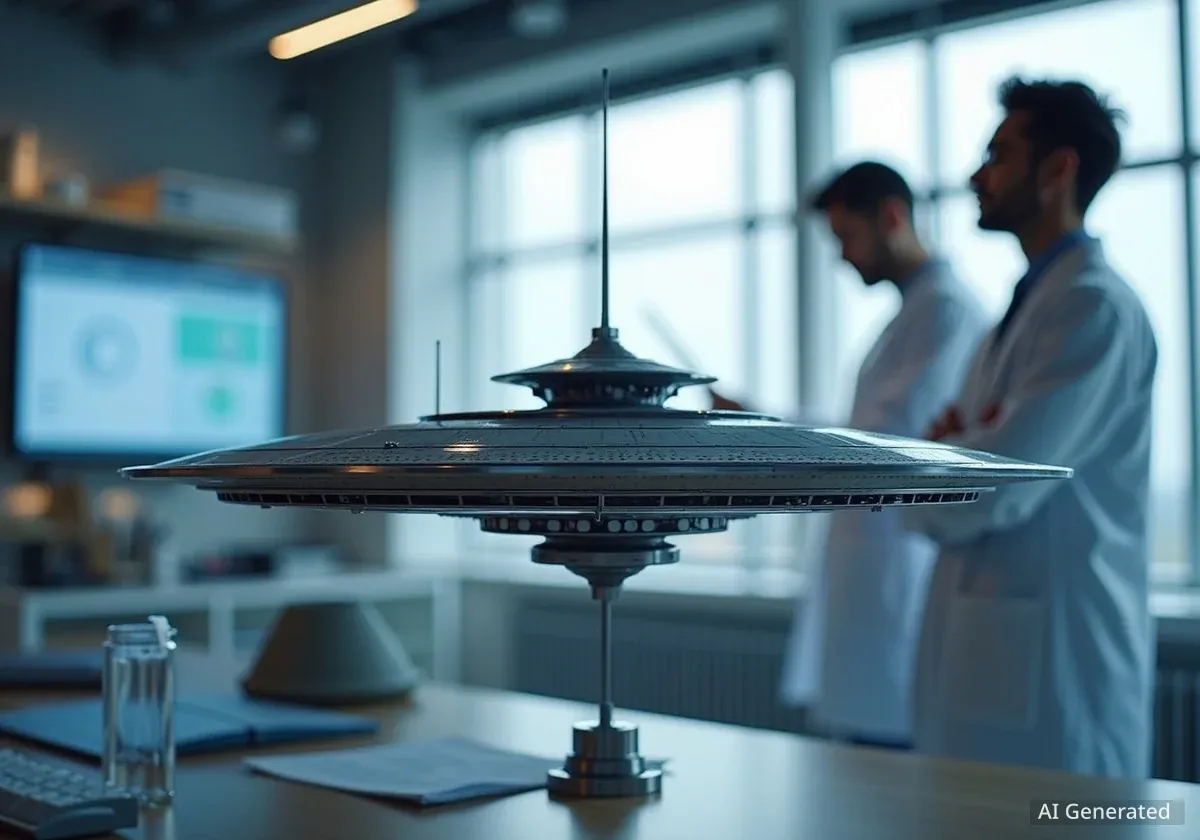
Russia has secured a patent for a new orbital station designed to generate artificial gravity, a concept aimed at solving major health issues for astronauts on long-term missions.
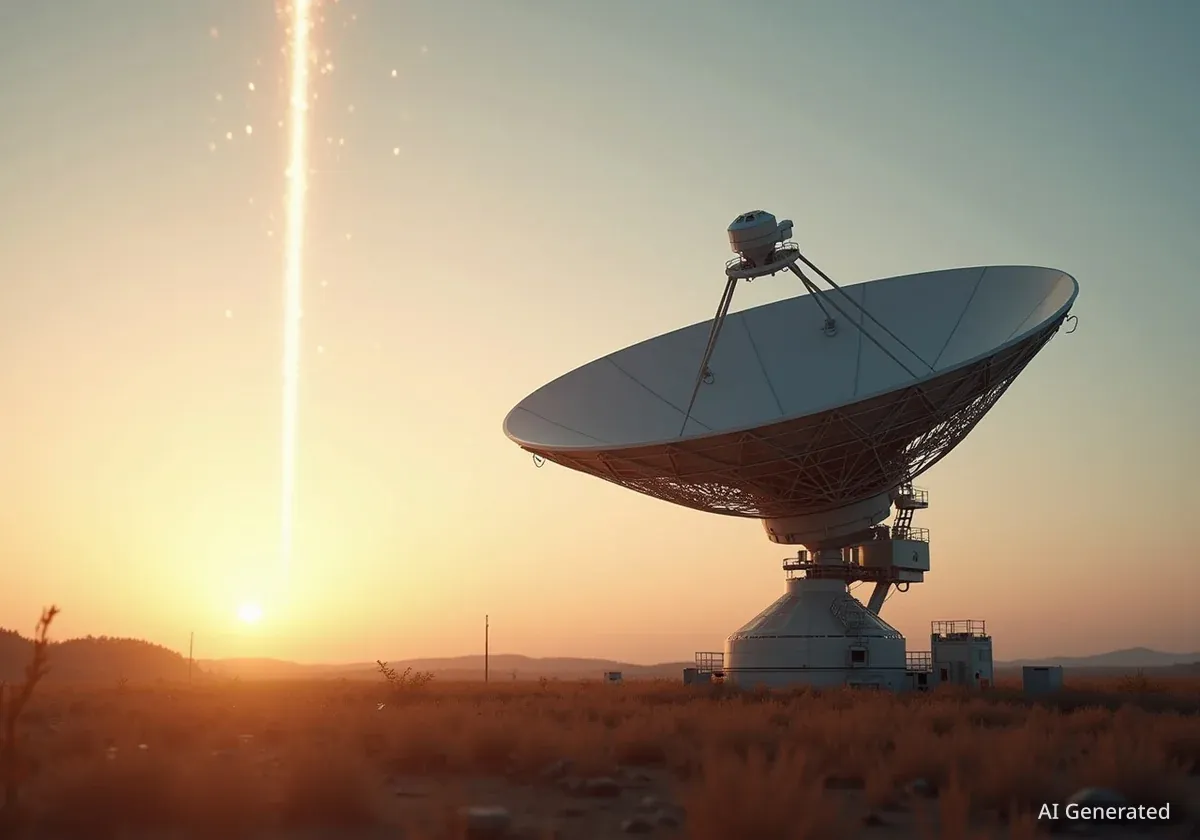
In a major breakthrough, Caltech scientists have successfully collected solar energy in orbit and wirelessly transmitted it to a receiver on Earth for the first time.
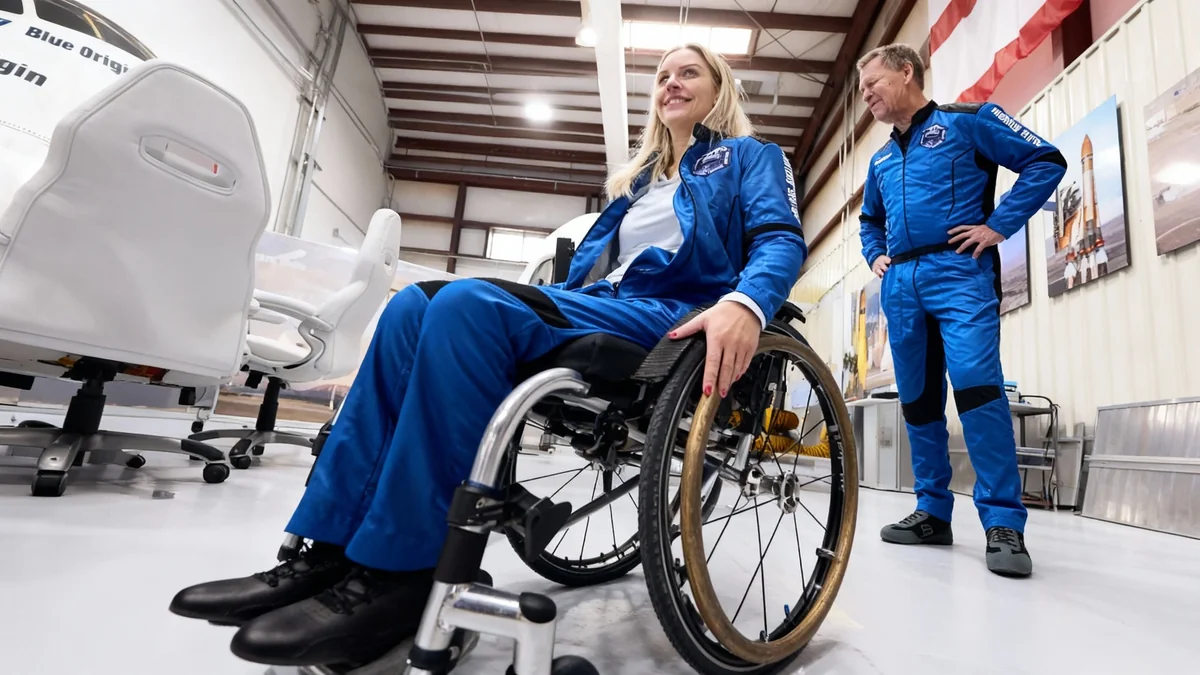
European Space Agency engineer Michaela Benthaus is set to become the first wheelchair user in space, flying aboard a Blue Origin New Shepard rocket.
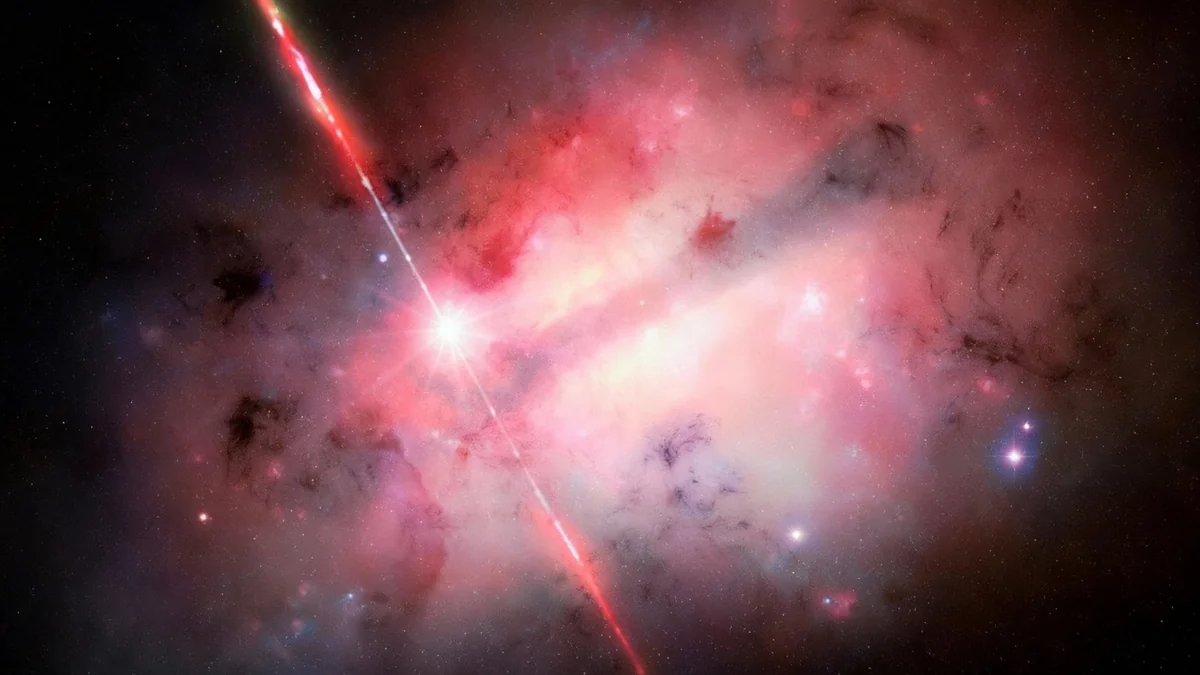
Astronomers report an unprecedented cosmic explosion, a gamma-ray burst (GRB 250702B) that lasted over seven hours, challenging existing models.
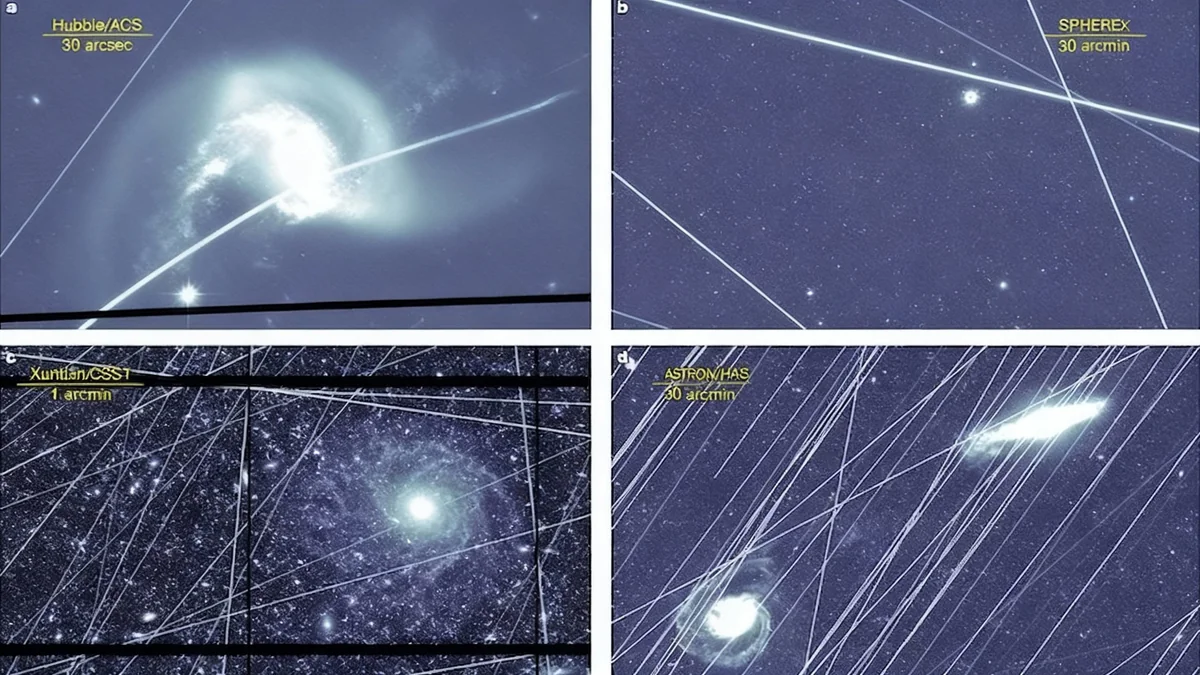
A new study warns that the rapid growth of satellite megaconstellations could contaminate nearly all images from future space telescopes, threatening astronomical research.
For 25 years, the International Space Station has been a crucial testbed for technologies in robotics, life support, and manufacturing that will enable future missions to the Moon and Mars.
A new method allows scientists to detect hazardous, untrackable space debris by listening for the radio signals created during high-speed orbital collisions.
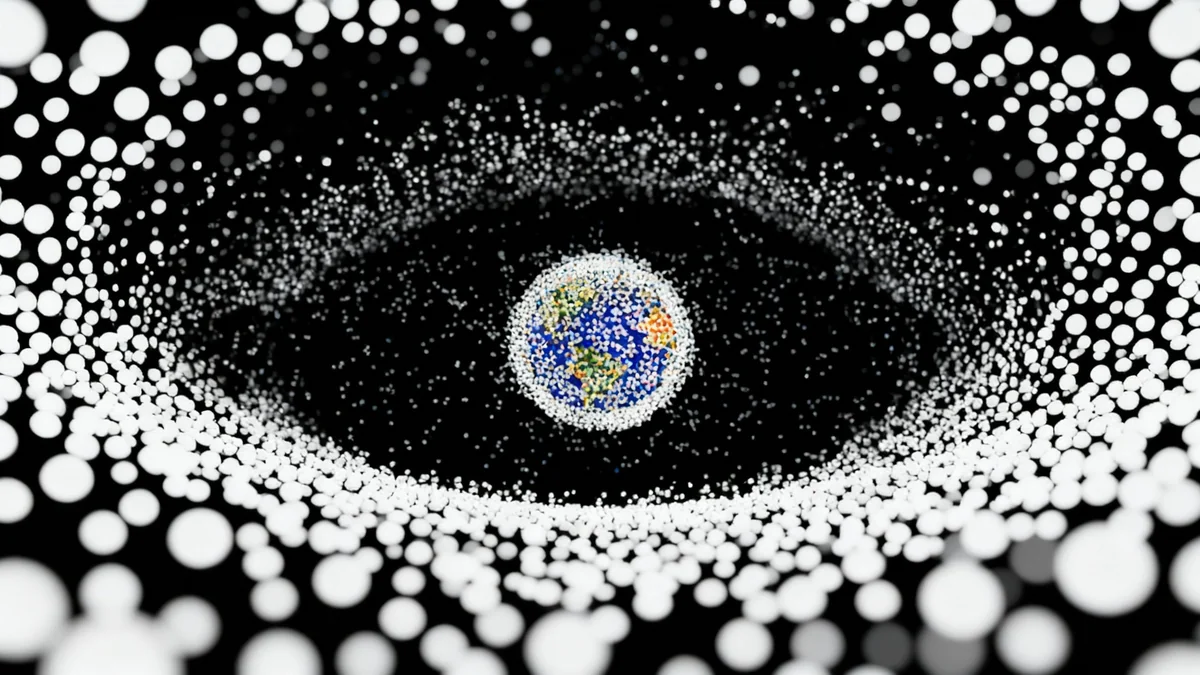
With over 10,000 tons of debris orbiting Earth, researchers propose a new plan to prevent a catastrophic cascade of collisions by adopting sustainable practices.
NASA's Nancy Grace Roman Space Telescope is now fully assembled and entering its final testing phase before a launch scheduled by May 2027. The observatory will map the universe to study dark energy a
Two Australian PhD students developed a software fix for the James Webb Space Telescope, correcting a blur in its images and restoring its high-resolution vision.
A crack from suspected space debris on a Shenzhou spacecraft forced China into an unprecedented emergency launch, creating a temporary gap in its space station rescue capabilities.
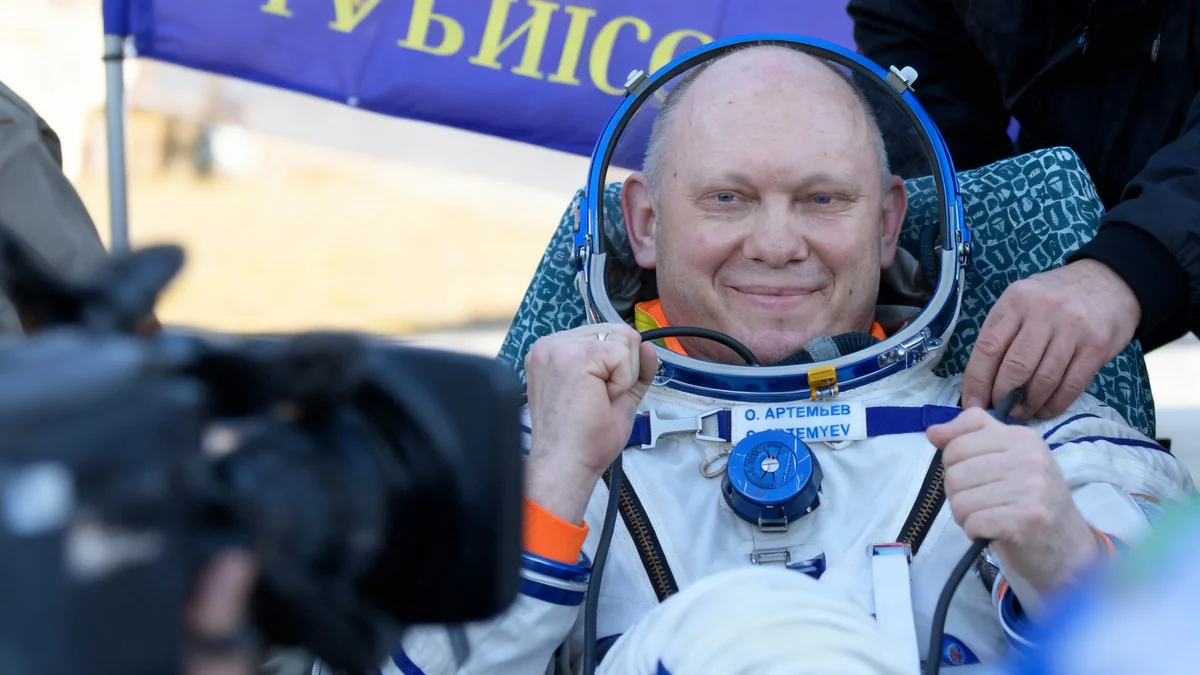
A veteran Russian cosmonaut has been removed from an upcoming SpaceX mission following serious allegations of a national security breach involving sensitive technology.
Iran is facing a severe water crisis, with reservoirs for major cities like Tehran at critically low levels. Experts cite years of drought, mismanagement, and over-extraction for agriculture as the pr
South Korea has successfully launched its fourth Nuri rocket, deploying over a dozen satellites in a landmark mission led by private company Hanwha Aerospace.
A new generation of startups is planning to build data centers in space, using constant solar power and the vacuum of orbit for cooling to solve Earth's growing energy crisis.
While an astronaut captured stunning views of the aurora from space, events on Earth highlighted political tensions, economic shifts, and looming travel chaos.
A former Air Force officer pleaded guilty to fabricating a story that her ex-wife, NASA astronaut Anna McClain, committed a crime from the International Space Station.