

Astronomers using the Hubble Space Telescope have observed the dramatic aftermath of two separate, massive collisions between rocky bodies in a nearby star system. The observations, which captured expanding clouds of dust, provide a rare, real-time look into the violent processes that form planets and challenge how scientists search for new worlds.
The events took place around the star Fomalhaut, located just 25 light-years from Earth. What was once thought to be a potential exoplanet has now been revealed as something far more chaotic: the glowing debris from powerful impacts between planetesimals, the building blocks of planets.
Key Takeaways
- Astronomers observed two distinct clouds of debris from massive collisions in the Fomalhaut star system over the last two decades.
- An object previously identified as a possible planet, Fomalhaut b, was actually the first of these dust clouds, which has since dissipated.
- This is the first time such collisions have been witnessed in real-time outside our own solar system.
- The discovery serves as a cautionary tale for planet hunters, as large dust clouds can easily be mistaken for exoplanets.
- Future observations with the James Webb Space Telescope will study the composition of the new debris cloud.
A Case of Mistaken Identity
For years, the star Fomalhaut has been a subject of intense study due to its prominent and complex dusty debris belts. In 2008, a bright point of light designated Fomalhaut b was discovered just outside the main belt, sparking excitement about a potential new exoplanet. However, the object's nature remained a topic of debate.
Recent observations with the Hubble Space Telescope have settled the argument in a surprising way. An international team of researchers, including Northwestern University astrophysicist Jason Wang, found that the original light source, now labeled Fomalhaut cs1, had completely vanished. In its place, a new, separate bright object had appeared in a different part of the system.
"This is certainly the first time I've ever seen a point of light appear out of nowhere in an exoplanet system," said lead author Paul Kalas, an astronomer at the University of California, Berkeley. "It's absent in all of our previous Hubble images, which means that we just witnessed a violent collision between two massive objects."
The team concluded they were not observing stable planets but rather the expanding, glowing clouds of fine dust created by the violent impacts of large, asteroid-like bodies known as planetesimals.
What Are Planetesimals?
Planetesimals are small, solid objects thought to exist in protoplanetary disks and debris disks. They are considered the building blocks of planets. Ranging in size from several meters to hundreds of kilometers, they collide and merge over millions of years through a process called accretion, eventually forming protoplanets and then full-sized planets.
Two Collisions in Two Decades
The disappearance of the first object, cs1, supports the theory that it was a transient dust cloud that has since dispersed. The appearance of the second source, cs2, strengthens this conclusion. According to the research team, Fomalhaut cs2 looks very similar in brightness and location to how cs1 first appeared two decades ago.
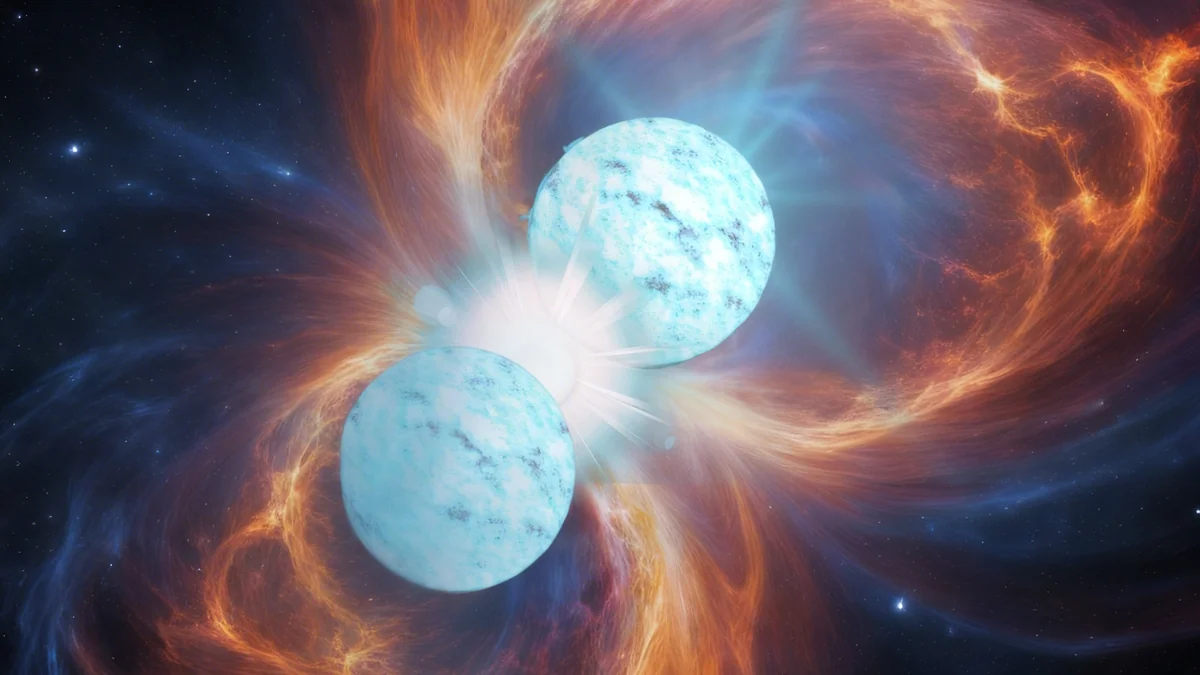
"Our primary hypothesis is that we saw two collisions of planetesimals -- small rocky objects, like asteroids -- over the last two decades," Wang explained. "Collisions of planetesimals are extremely rare events, and this marks the first time we have seen one outside our solar system."
The frequency of these events is startling. The team’s findings suggest the Fomalhaut system is far more active than previously imagined.
An Unexpectedly Active System
Astronomical theory suggests that a major collision like the ones observed should occur in a system like Fomalhaut only once every 100,000 years or more. Witnessing two such events in just 20 years indicates a highly dynamic and chaotic environment where planet formation is actively underway.
"If you had a movie of the last 3,000 years... Fomalhaut's planetary system would be sparkling with these collisions," Kalas noted, illustrating the system's violent nature.
To ensure the accuracy of their surprising findings, the team conducted four independent analyses of the Hubble data. Each analysis confirmed the presence of the new transient light source, solidifying the conclusion that two separate collisions were observed.
A Warning for Planet Hunters
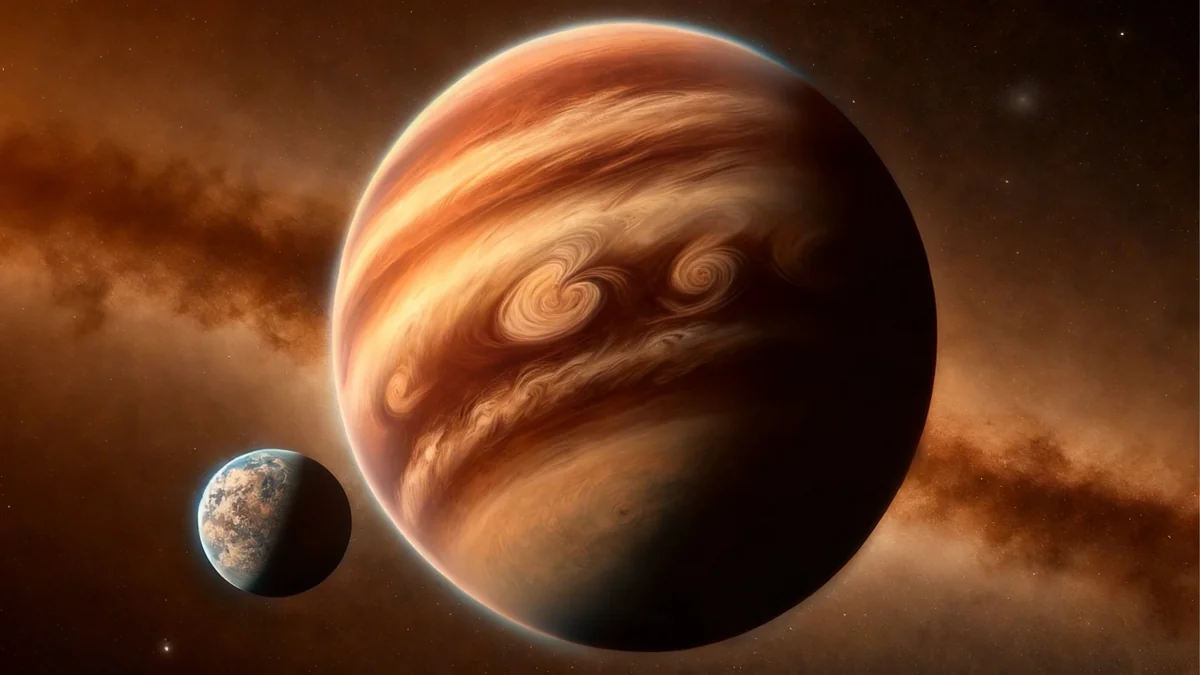
Beyond providing a unique window into planetary formation, this discovery carries important implications for the search for planets outside our solar system. The debris cloud Fomalhaut cs2, which reflects light from its central star, closely mimics the appearance of a distant exoplanet.
"What we learned from studying cs1 is that a large dust cloud can masquerade as a planet for many years," Kalas said. "This is a cautionary note for future missions that aim to detect extrasolar planets in reflected light."
As powerful new observatories like the Giant Magellan Telescope come online, the ability to distinguish between a true planet and a temporary dust cloud will be critical. Misidentifying such clouds could lead to incorrect assumptions about the number and types of planets orbiting other stars.
The Importance of Collisions
Studying these impacts is crucial for several reasons:
- Planet Formation: They offer a direct look at the accretion process, showing how smaller bodies combine to form larger ones.
- Material Composition: Analyzing the dust reveals the chemical makeup of the planetesimals, including the presence of water or ice.
- Asteroid Structure: Understanding how these objects break apart provides valuable data for planetary defense programs like NASA's DART mission, which aims to redirect potentially hazardous asteroids.
Future Observations with Webb
While the Hubble Space Telescope has been instrumental in this discovery, its aging instruments can no longer collect reliable data from the Fomalhaut system. The research will now shift to the more powerful James Webb Space Telescope (JWST).
The team has an approved program to use JWST's Near-Infrared Camera (NIRCam) to continue monitoring Fomalhaut cs2. Unlike Hubble, JWST can capture detailed color information from the infrared spectrum.
This capability will allow scientists to analyze the composition of the dust grains, determine their size, and search for key ingredients for life, such as water. These future observations promise to reveal even more about the violent and creative forces at play in the birth of new worlds.