Rare Event Allows Sun and Eclipsed Moon in Same Sky
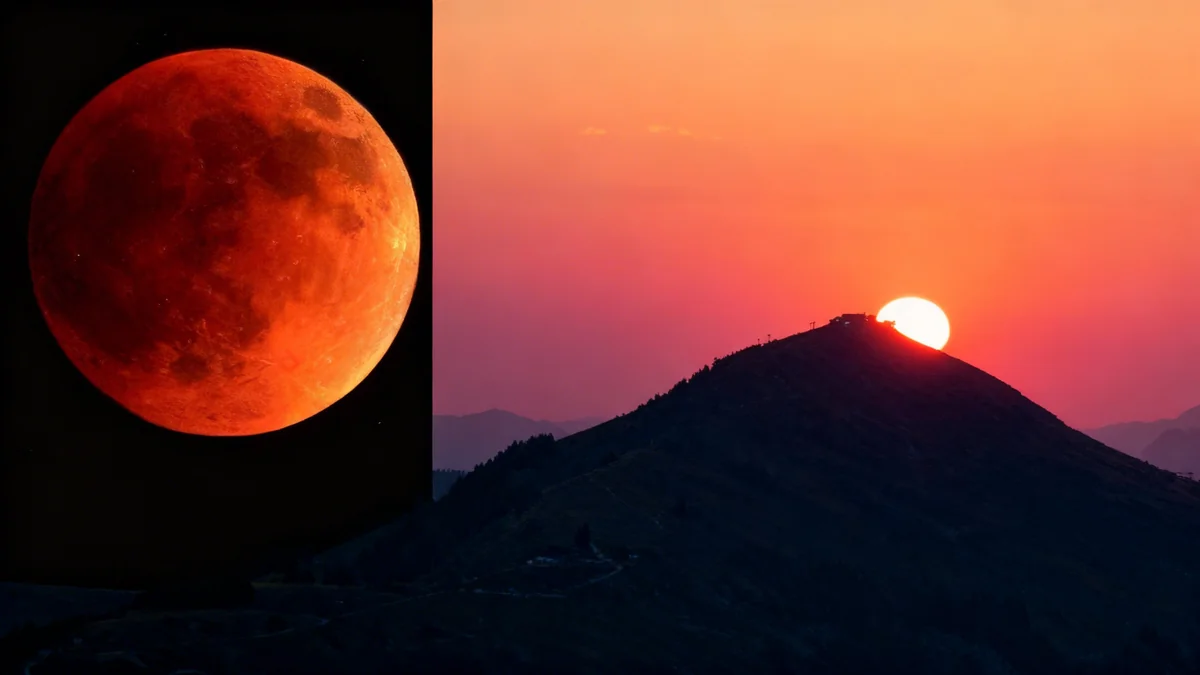
On March 3, a rare celestial event called a selenelion will allow observers in eastern North America to see the sun rise and a totally eclipsed moon set at the same time.
230 articles tagged

On March 3, a rare celestial event called a selenelion will allow observers in eastern North America to see the sun rise and a totally eclipsed moon set at the same time.

Stargazers are in for a treat this week as six planets, including Mercury, Venus, Saturn, and Jupiter, align in the evening sky in a rare celestial event.

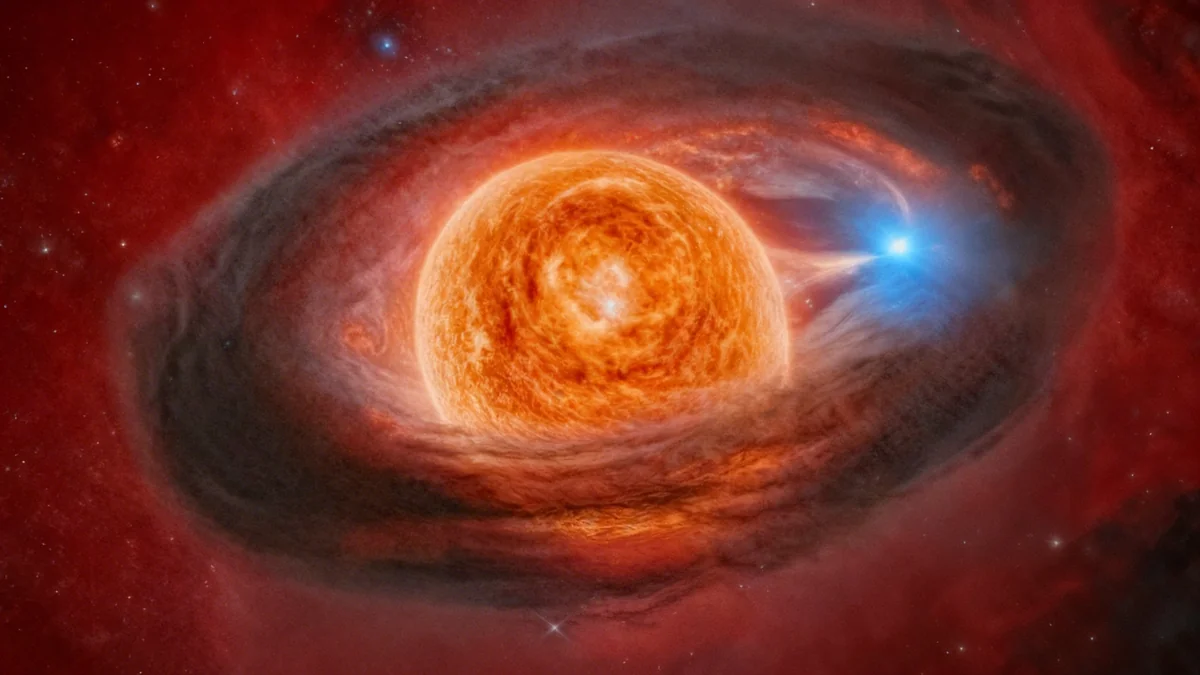
Astronomers are watching a colossal star, 1,540 times the size of the sun, change from a red supergiant to a rare yellow hypergiant in real time.

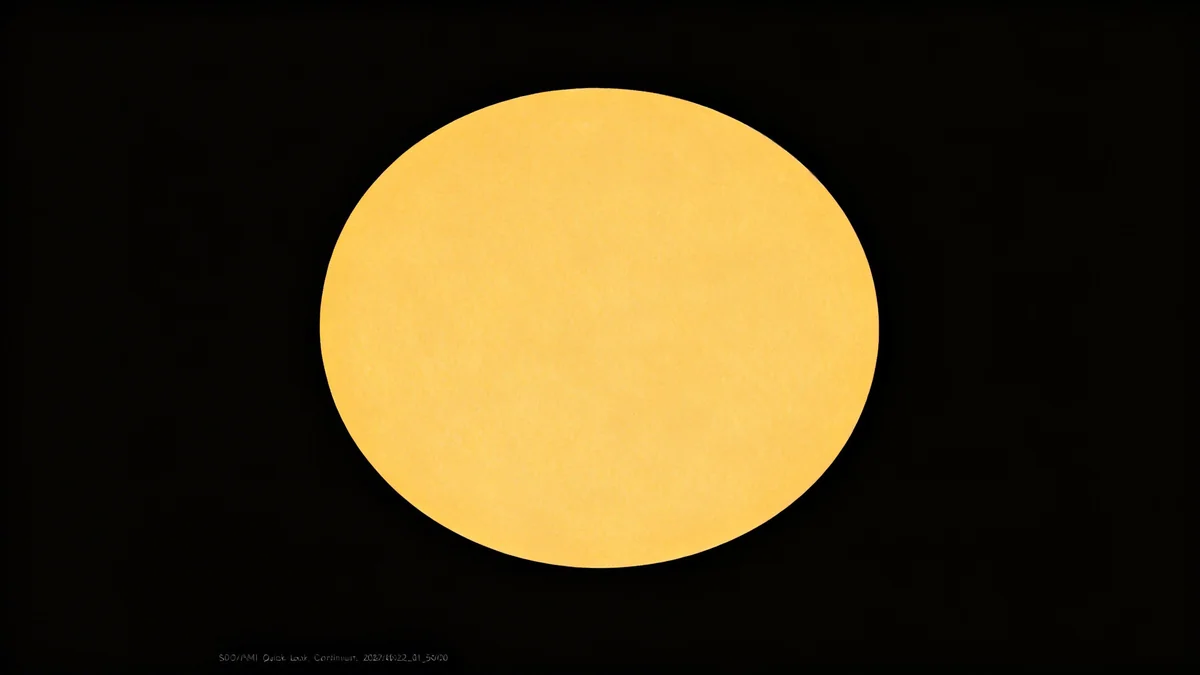
For the first time in over three years, the sun's surface appeared entirely spotless, signaling a potential shift as its current activity cycle begins to wane.

The James Webb Space Telescope has captured stunning new images of the “Exposed Cranium” nebula, revealing intricate details of a dying star's final moments.

Using the world's largest radio telescope, astronomers have captured the most detailed image ever of the Milky Way's core, revealing its chemical makeup and secrets of star formation.

Using NASA's Chandra X-ray Observatory, astronomers have captured the first clear image of a protective bubble, or astrosphere, around a young sun-like star.

ESA's Proba-2 satellite captured breathtaking images of a 'ring of fire' solar eclipse on Feb. 17, 2026, an event almost entirely missed by observers on Earth.

A discovery of 70 ancient, dusty galaxies by the James Webb Space Telescope challenges current models of cosmic evolution, suggesting star formation began much earlier than believed.

New research from the James Webb Space Telescope reveals that supermassive black holes can prevent star formation in neighboring galaxies up to a million light-years away.

The James Webb Space Telescope has created the first-ever 3D map of the auroras on Uranus, providing new insights into the ice giant's strange atmosphere.

A surge in satellite mega-constellations, with over a million new satellites proposed, threatens to permanently alter the night sky and create a crisis in Earth's orbit.