Japan's Underground Telescope Hunts for Cosmic Ghosts
Deep beneath a mountain in Japan, the upgraded Super-Kamiokande telescope is on the verge of detecting 'ghost particles' from stars that died billions of years ago.

#Astronomy#Supernova#Neutrinos
84 articles tagged
Deep beneath a mountain in Japan, the upgraded Super-Kamiokande telescope is on the verge of detecting 'ghost particles' from stars that died billions of years ago.
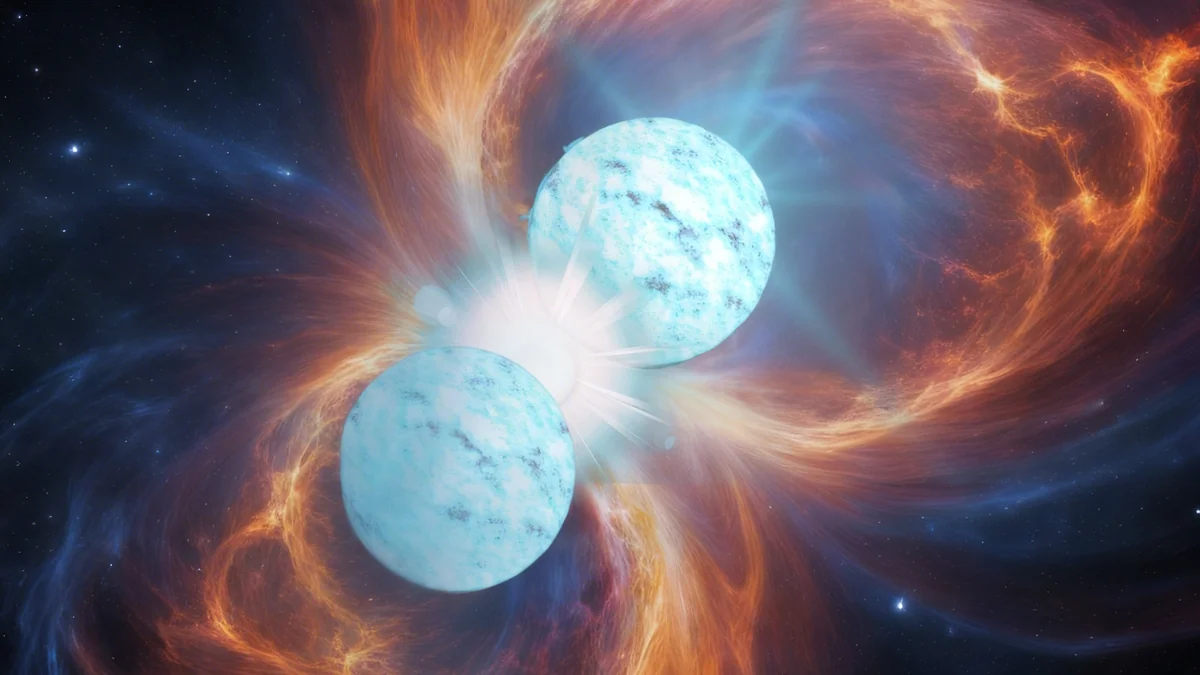
Scientists have developed a new theoretical method to analyze the interior of neutron stars, which could confirm the existence of a state of matter from the Big Bang.

An international collaboration has detected 128 new gravitational waves in just nine months, more than all previous discoveries combined, revealing new cosmic extremes.
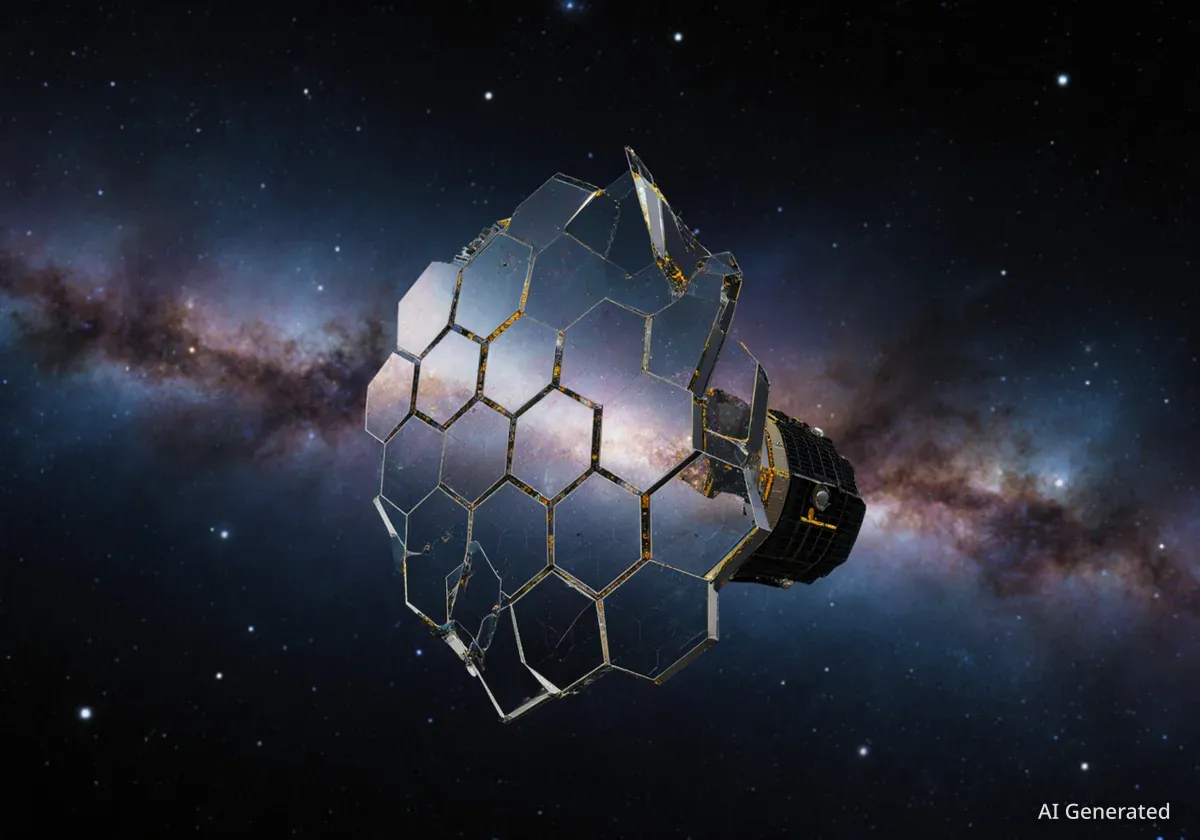
Using the James Webb Space Telescope, astronomers have found the most distant jellyfish galaxy ever seen, offering a look at galaxy evolution 8.5 billion years ago.
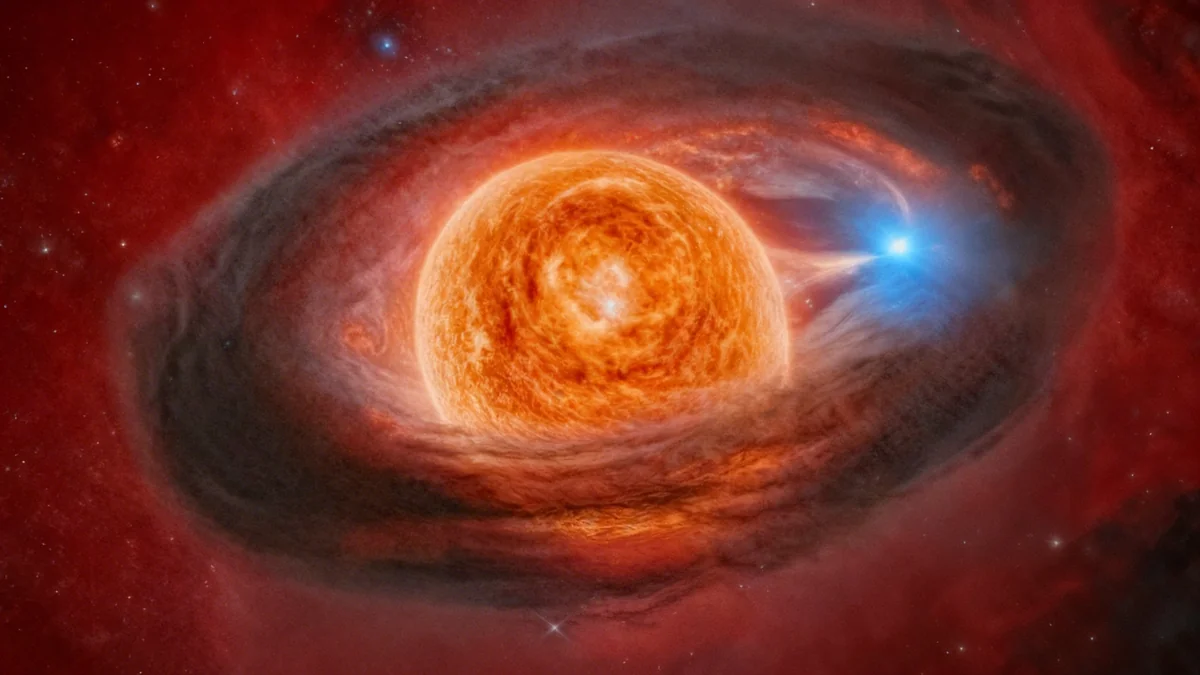
Astronomers are watching a colossal star, 1,540 times the size of the sun, change from a red supergiant to a rare yellow hypergiant in real time.
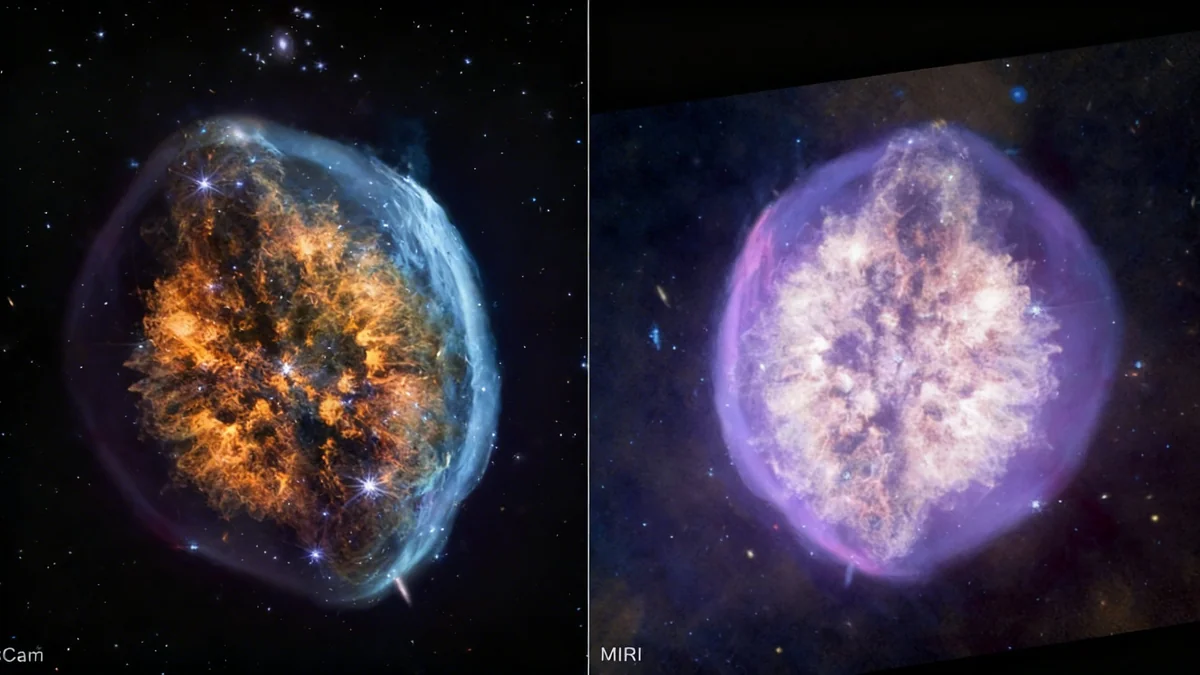
The James Webb Space Telescope has captured stunning new images of the “Exposed Cranium” nebula, revealing intricate details of a dying star's final moments.
Scientists have proposed a high-risk mission to catch interstellar comet 3I/ATLAS by sending a probe on a daring dive toward the Sun to achieve record-breaking speeds.
Astronomers using China's FAST telescope have identified a faint, thread-like structure of galaxies, revealing a hidden filament of the cosmic web.
A NASA scientific balloon has completed a 23-day mission over Antarctica, collecting massive amounts of data in a search for elusive high-energy cosmic particles.
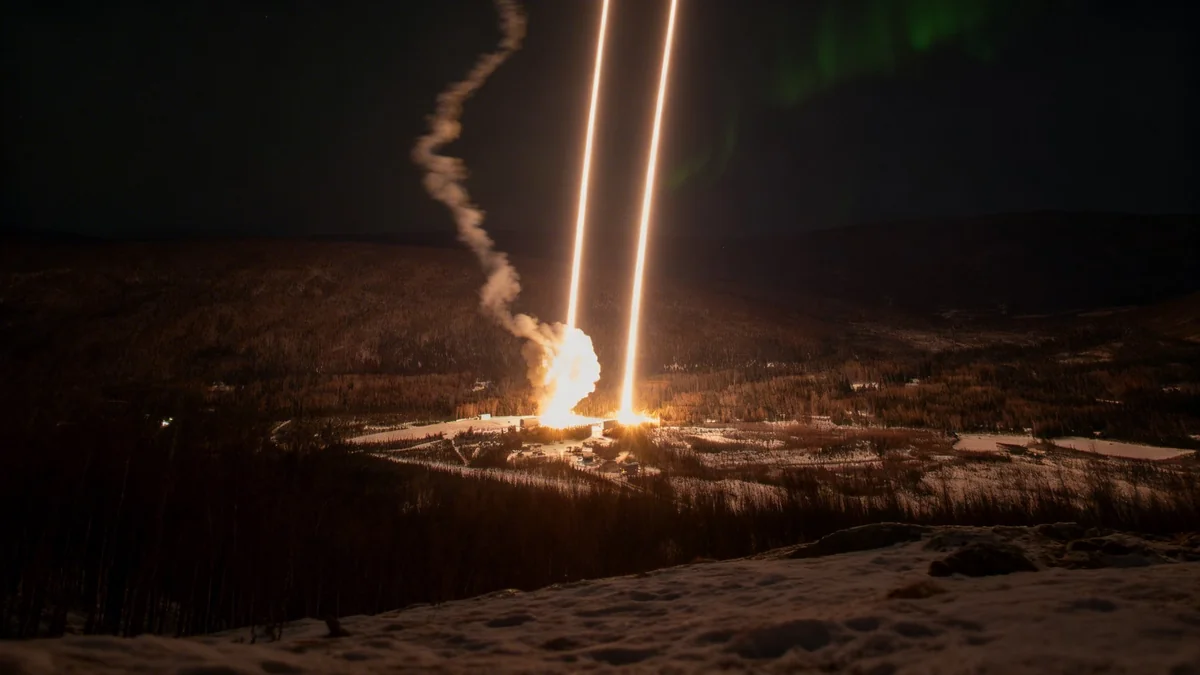
NASA has launched a series of sounding rockets into the aurora borealis from Alaska to study the complex electrical systems that power the northern lights.
NASA's Hubble Space Telescope has unveiled a stunning new image of the Egg Nebula, providing an unprecedented look at a dying star shedding its outer layers.
Astronomers have witnessed a massive star in the Andromeda galaxy vanish, concluding it collapsed into a black hole without a supernova explosion.