CERN Experiment Confirms Antimatter Falls Down, Upholding Einstein
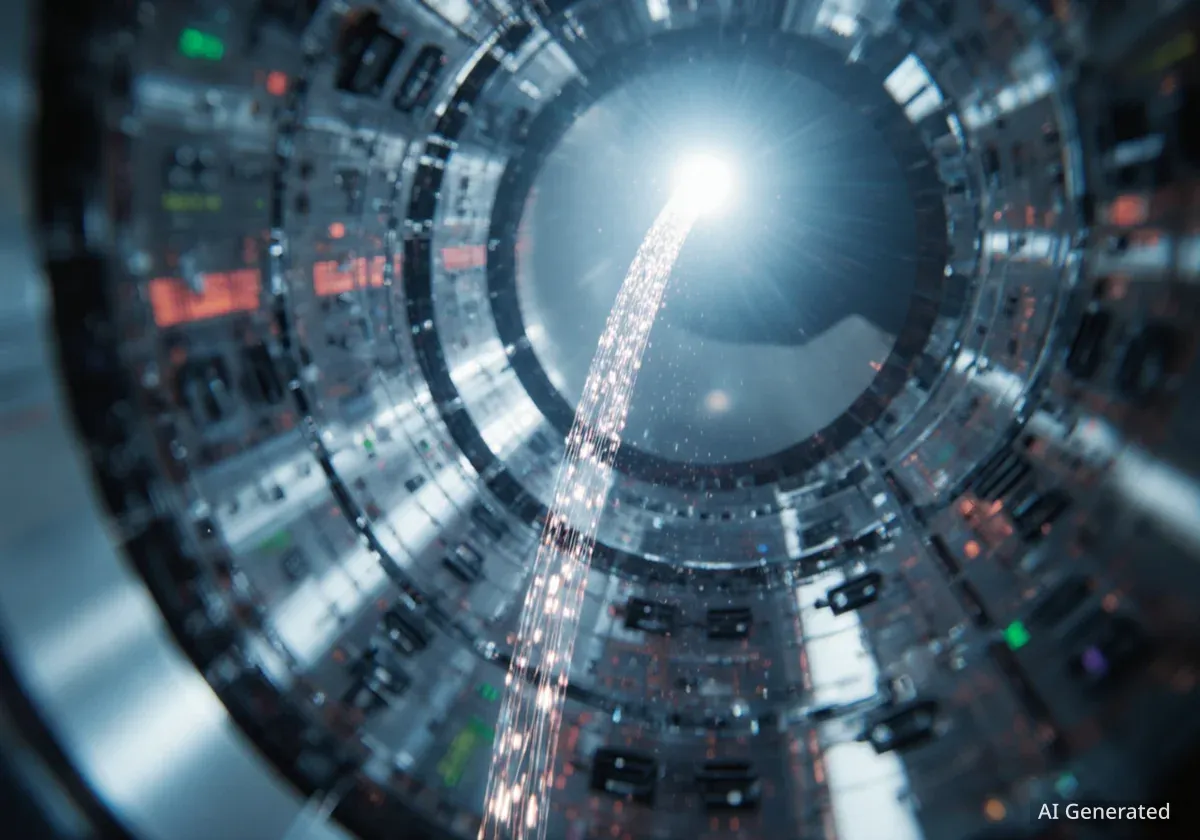
A landmark CERN experiment has confirmed that antimatter falls downward due to gravity, upholding a key principle of Einstein's theory of general relativity.
10 articles tagged

A landmark CERN experiment has confirmed that antimatter falls downward due to gravity, upholding a key principle of Einstein's theory of general relativity.

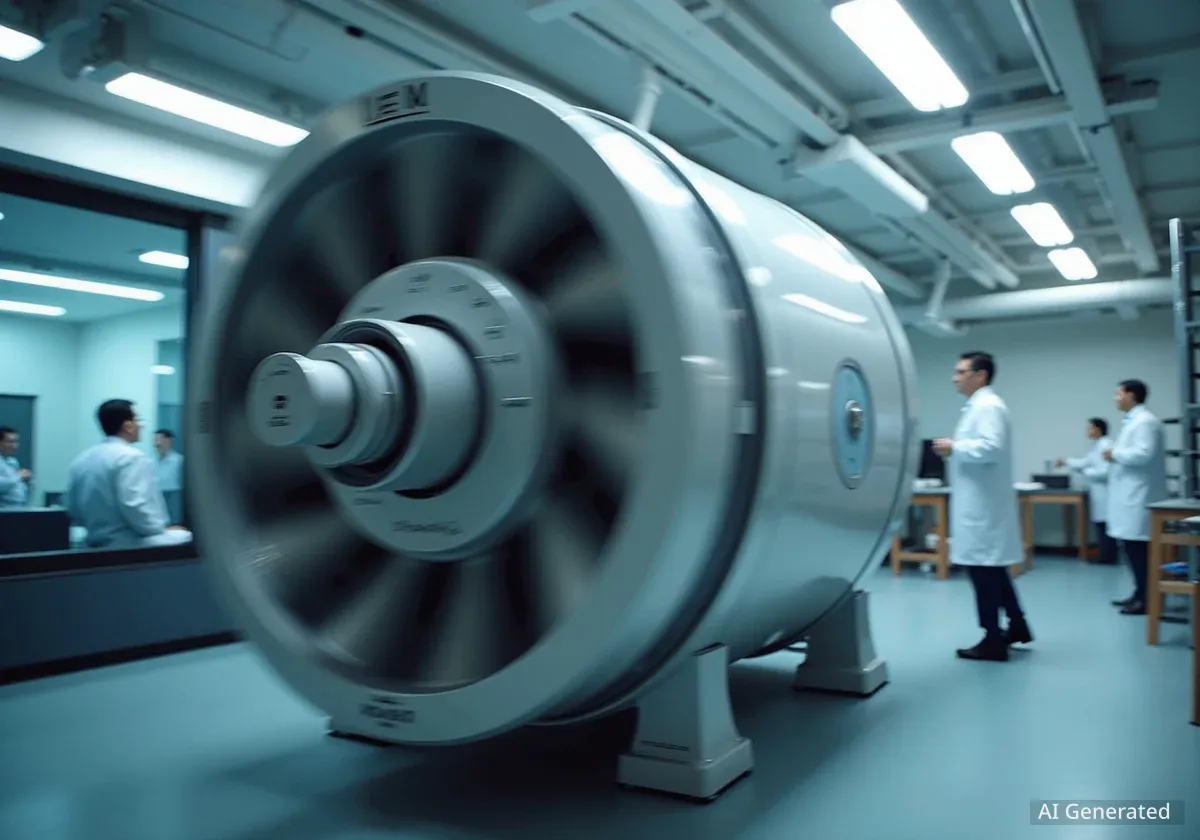
China's Zhejiang University has developed the CHIEF 1900, the world's most powerful hypergravity centrifuge, to test materials and fundamental physics.

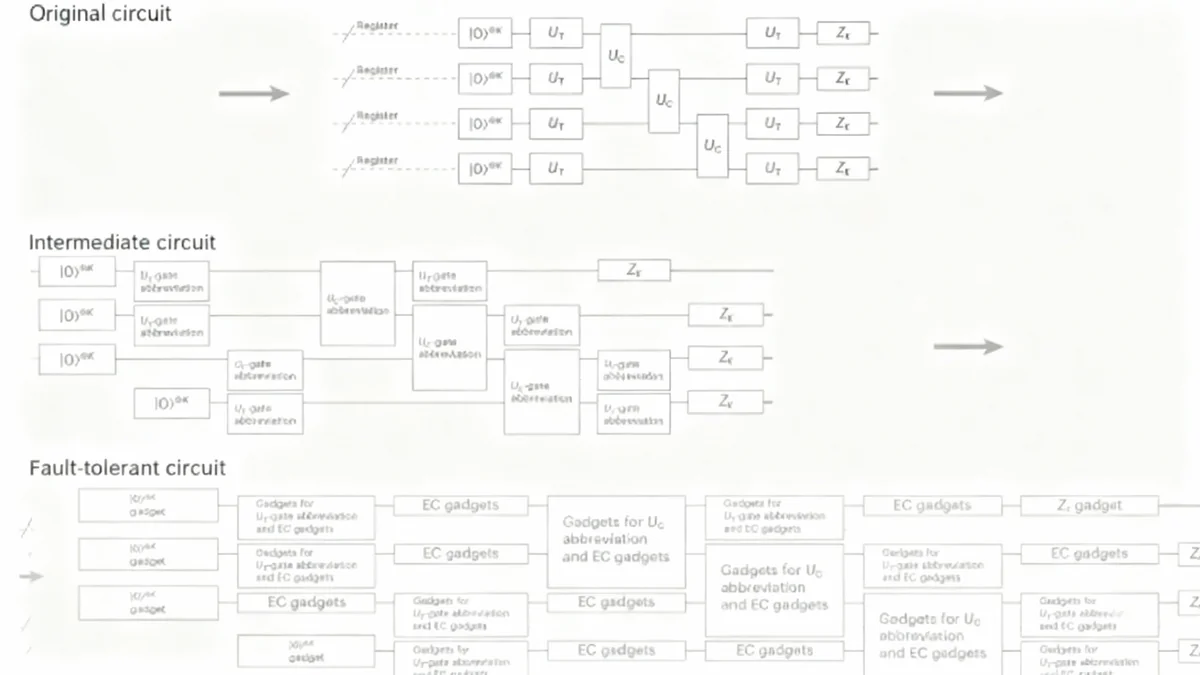
Researchers have developed a new protocol for fault-tolerant quantum computing that dramatically reduces both the physical size and runtime of future machines.

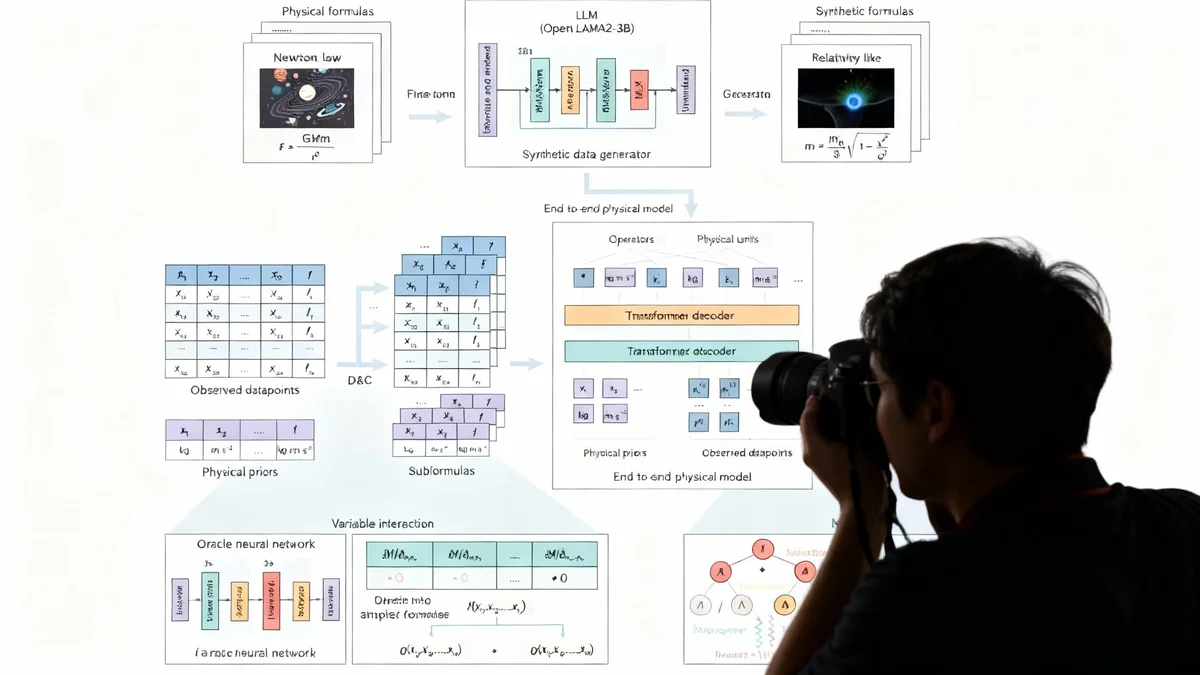
A new AI framework named PhyE2E can automatically discover fundamental physics equations from raw data, successfully replicating and even improving upon known formulas.

During a live lesson from the Tiangong space station, Chinese astronauts lit a candle, revealing a perfectly spherical flame—a direct result of microgravity.

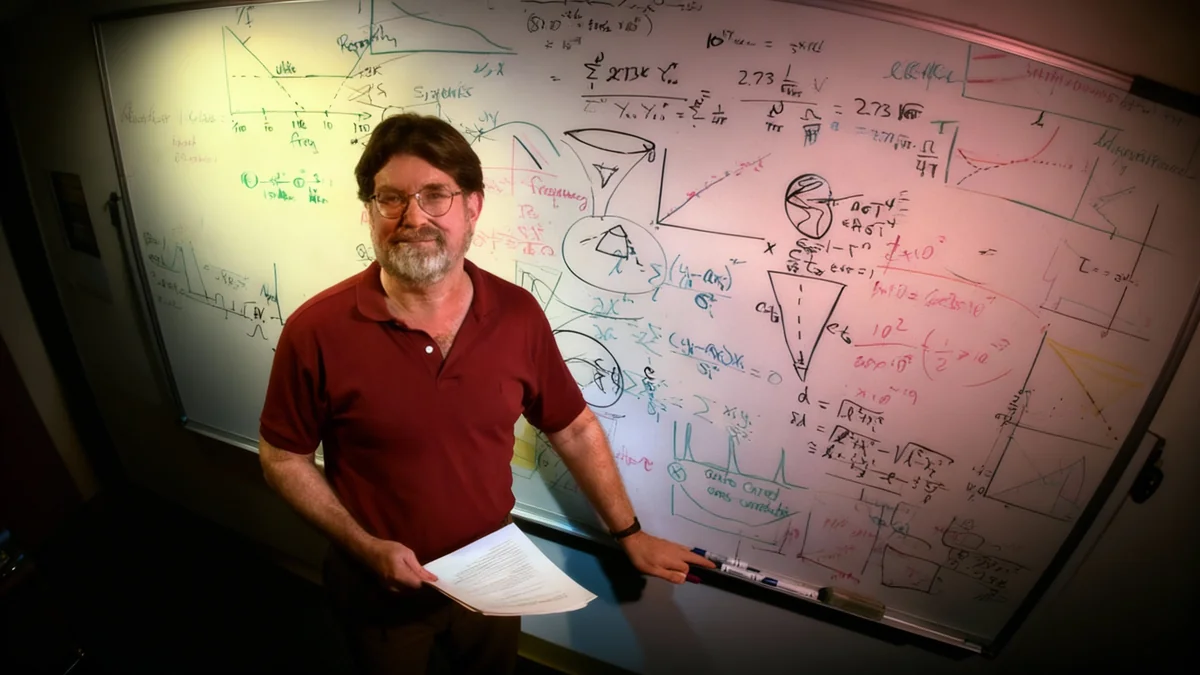
George F. Smoot, the Nobel Prize-winning physicist who provided crucial evidence for the Big Bang theory, has died at 80. His work mapped the infant universe.

A seemingly empty bucket of deep space would actually contain millions of neutrinos, thousands of atoms, and a constant flux of virtual particles.

A new analysis challenges the popular idea of space-time as a physical fabric, proposing it is a conceptual map of events, not a tangible reality.

NASA's IMAP spacecraft launched on a SpaceX Falcon 9 to study space weather, solar wind, and the heliosphere. The mission will protect astronauts, satellites, and communications.

Modern physics reveals that space and time are not separate but are woven into a single fabric called space-time, a concept that explains gravity and is essential for technologies like GPS.