Space Economy Expands Beyond Traditional Aerospace in 2026
The space economy is set to expand significantly by 2026, driven by non-aerospace industries and new technologies like AI and direct-to-device satellite communication.

Marcus Olsson brings a global perspective to technology journalism, with a particular interest in the economic and industrial implications of scientific breakthroughs. He frequently explores how innovations reshape markets and business strategies.
17 published articles
The space economy is set to expand significantly by 2026, driven by non-aerospace industries and new technologies like AI and direct-to-device satellite communication.
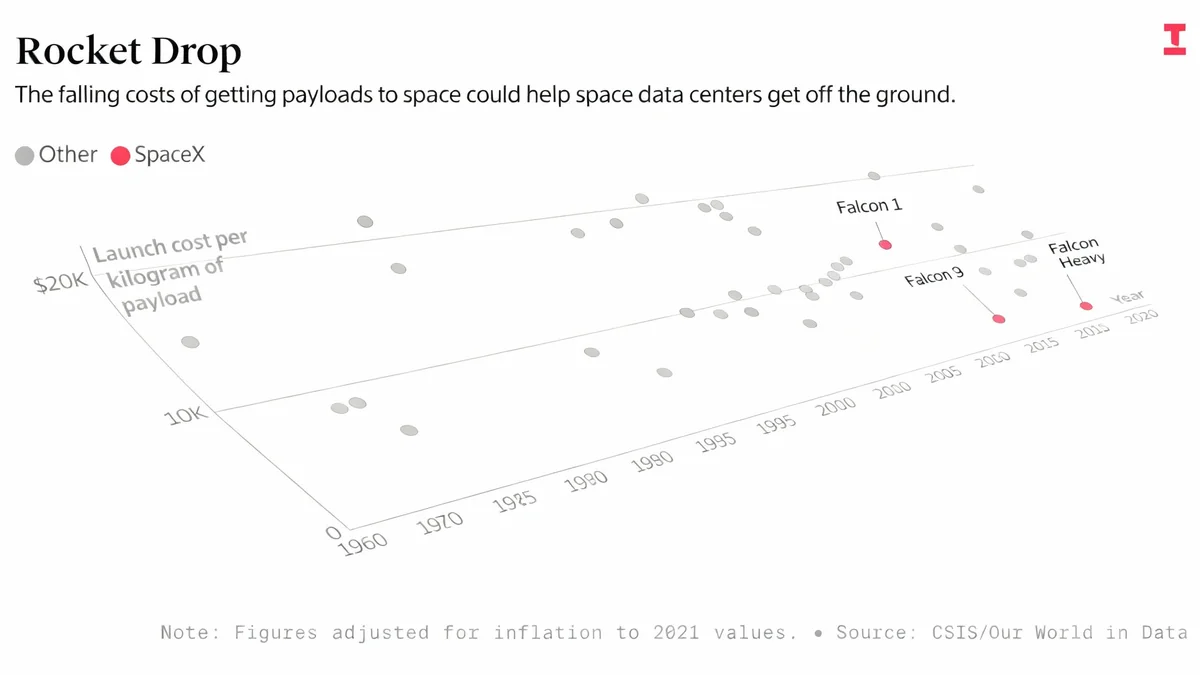
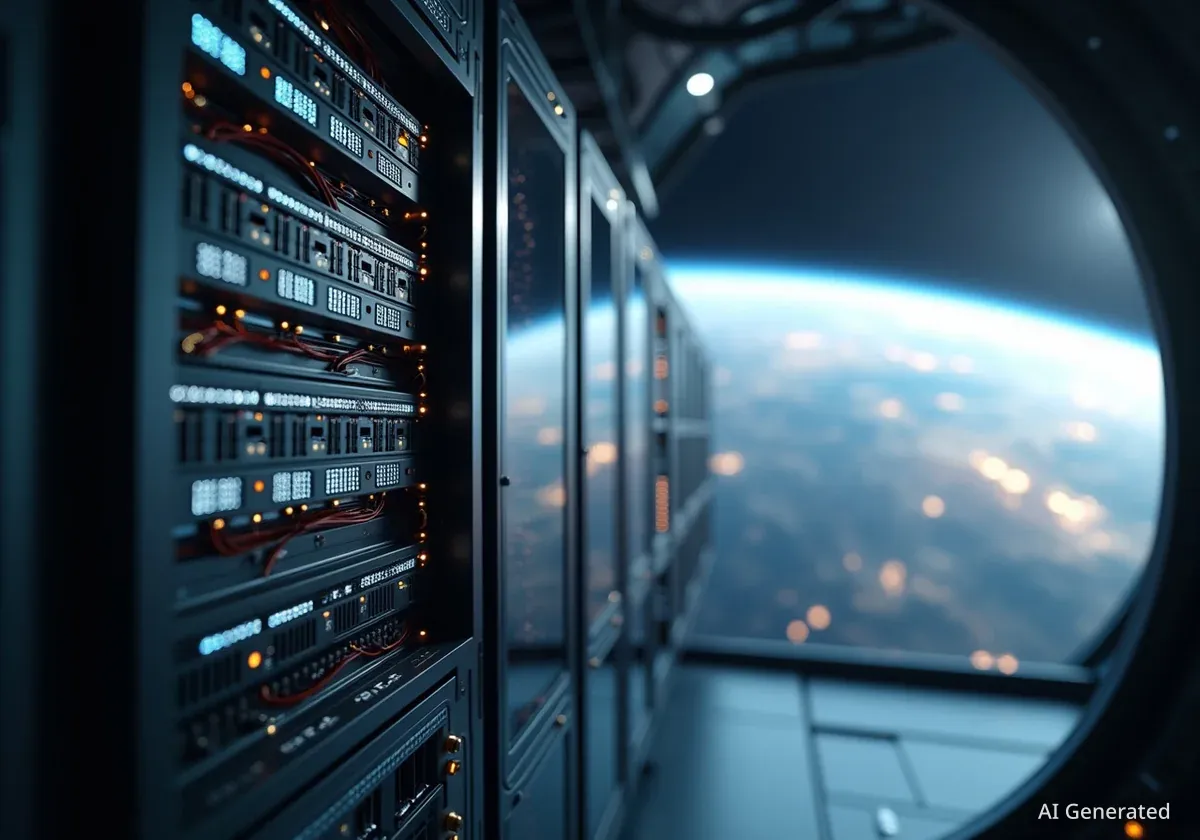
Tech billionaires like Elon Musk and Jeff Bezos are in a new race to move AI data centers into space, aiming to solve the industry's massive energy crisis.
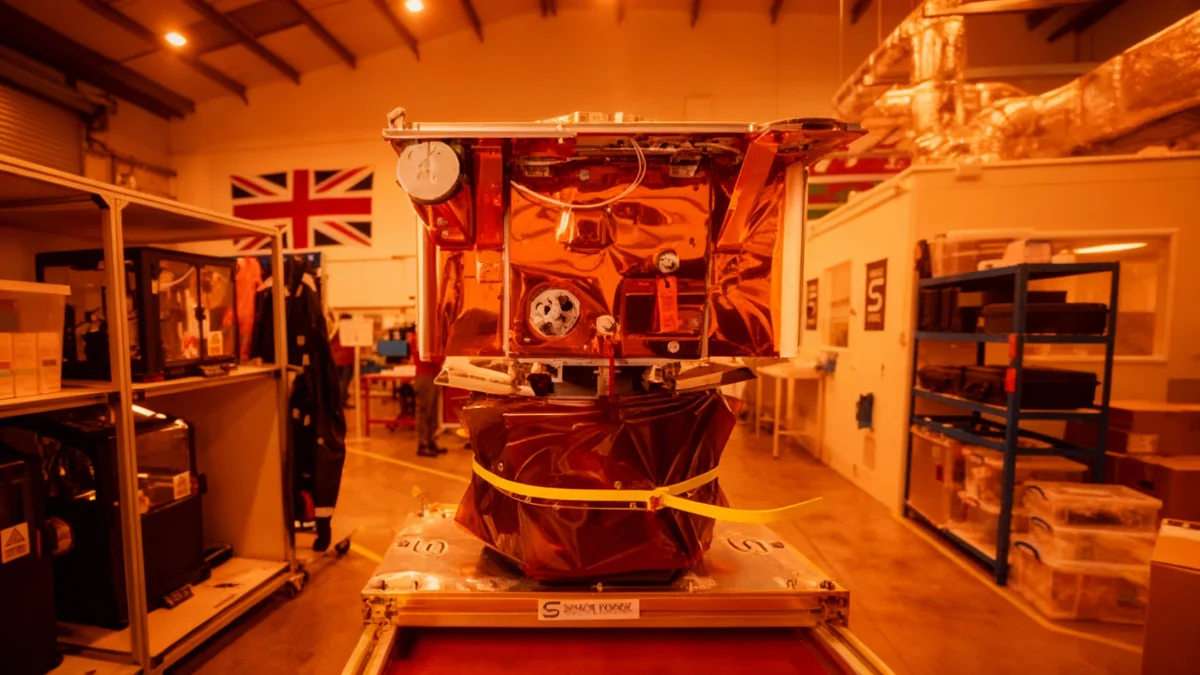
A Cardiff-based company has successfully tested an orbital furnace, a key step toward manufacturing ultra-pure semiconductors in the microgravity of space.
A new technology called Physics AI is revolutionizing the aerospace industry by cutting complex simulation times from over 10 hours to just a few seconds.
AST SpaceMobile's stock has quadrupled in value this year, with a recent 14% surge driven by investor excitement for its upcoming next-generation satellite launch.
While many have failed to make live shopping a hit in the U.S., Whatnot is thriving by focusing on collectibles and building a powerful community-driven marketplace.
Renewed speculation about a potential SpaceX IPO in 2026 is driving a significant rally in smaller space-related stocks, with some seeing gains of over 30%.
Venture-backed startup Mantis Space will establish its headquarters in Albuquerque, planning to create over 200 jobs and a projected $480 million economic impact.
As AI's energy demands strain Earth's resources, tech giants like Google are exploring a radical solution: placing data centers in orbit to harness constant solar power.
A critical security flaw in NASA's spacecraft communication software went undetected by humans for three years but was found and fixed by an AI in just four days.
A growing rivalry between OpenAI's Sam Altman and Elon Musk is expanding from AI to aerospace, with Altman exploring a deal with a SpaceX competitor.
Elon Musk's SpaceX is in discussions with investors for a new share sale that could double its valuation to $800 billion, making it the world's most valuable private company.
The space economy's projected growth of over $300 billion is largely concentrated, with giants like SpaceX set to capture over 80% of the launch market.
Google's ambitious plan to move AI data centers into space, Project Suncatcher, is on a collision course with the growing crisis of orbital debris.
Proteus Space has set an industry record by designing and launching its MERCURY ONE satellite in just nine months, using a proprietary AI-driven platform.
Varda Space Industries is pioneering in-orbit manufacturing, successfully creating pharmaceutical crystals in space and returning them to Earth for the first time.
Researchers have developed a new protocol for fault-tolerant quantum computing that dramatically reduces both the physical size and runtime of future machines.