



Global aerospace company Airbus has officially opened a new development center in Stevenage, Hertfordshire, designed to provide small and medium-sized businesses in the UK's space industry with free access to advanced laboratories and testing facilities. The initiative, known as the Airbus Launchpad, aims to accelerate innovation and lower the entry barriers for emerging tech firms.
The project is supported by a combined investment of £7.8 million, with both the UK Space Agency and Airbus contributing £3.9 million each. The facility is expected to play a crucial role in strengthening the UK's domestic space capabilities and supporting its growing £18.6 billion space economy.
Key Takeaways
- Airbus has launched a new facility called the 'Launchpad' at its Stevenage campus.
- The center offers free access to labs and testing equipment for UK space startups and SMEs.
- The project is a partnership, funded by a £3.9m investment from the UK Space Agency, matched by Airbus.
- The initiative aims to reduce risks for small companies and foster innovation in the UK's £18.6 billion space sector.
New Hub for Space Innovation
The newly unveiled Airbus Launchpad facility in Stevenage is now operational, providing a vital resource for the UK's burgeoning space technology sector. The center can accommodate more than 50 individuals from various companies and research organizations simultaneously, offering them access to equipment and expertise that would otherwise be prohibitively expensive.
This initiative is designed to "break down barriers" for smaller enterprises, allowing them to develop and test new technologies in a collaborative and supportive environment. By removing significant upfront costs, the Launchpad enables startups to focus on innovation and de-risk their projects before seeking larger-scale commercial application.
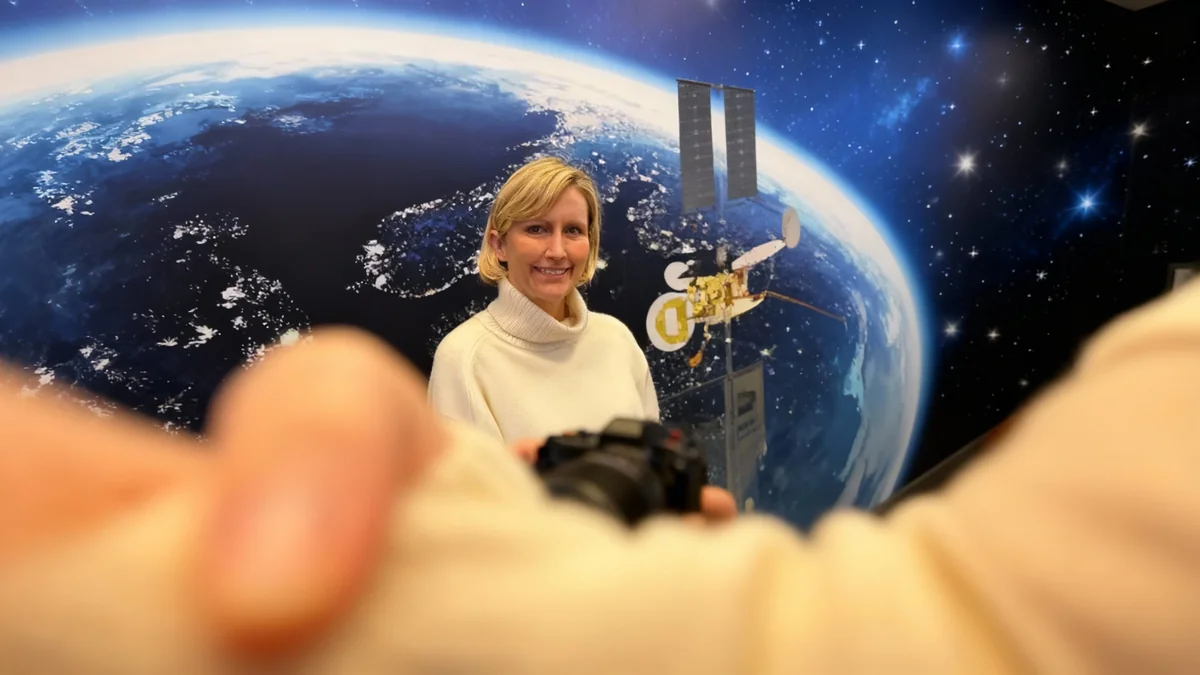
"Space is so important for the country and everyday lives. It is driving economic growth and creating brilliant jobs across this area and across the country," said Kata Escott, UK Managing Director for Defence and Space at Airbus.
Escott emphasized the need for continuous innovation, stating, "we can't rest on our laurels, we need to keep innovating." The facility is seen as a strategic investment in the future of industries reliant on space technology, including artificial intelligence, robotics, and national defence.
Stevenage: A UK Space Capital
Stevenage has long been a central hub for the UK's space industry. Airbus is the largest space company in the country and employs approximately 1,100 people at its Hertfordshire site, which has been involved in building numerous satellites and the European Space Agency's Mars rovers.
Fostering Growth and Collaboration
The core mission of the Launchpad is to create a dynamic ecosystem where small, agile companies can work alongside an established industry leader. This proximity is expected to foster collaboration, knowledge sharing, and new commercial opportunities.
One of the first companies to utilize the new campus is Applied Atomics, a firm developing a novel hybrid propulsion system that can switch between electric and chemical power. Ashley Modeste Johnson, the company's founder, highlighted the value of the new facility.
"To be able to work really closely with [Airbus], really understand all of their needs a bit more in detail and close knit, will allow us to really advance in the commercial front," he explained. Johnson noted the inherent risks in space technology development, adding, "You really want to be able to mitigate a lot of those risks when you are developing an innovative solution."
UK Space Sector by the Numbers
- Economic Value: The UK space sector is estimated to be worth £18.6 billion.
- Total Investment: The Airbus Launchpad represents a £7.8 million joint investment.
- Employment: Airbus employs around 1,100 people at its Stevenage site alone.
The Role of Public-Private Partnerships
The government funding for this project was first announced in 2023 as part of a broader strategy to support the space industry and create high-skilled jobs. The partnership between the UK Space Agency and Airbus exemplifies a model designed to leverage private sector expertise with public investment to achieve national strategic goals.
Dr. Paul Bate, CEO of the UK Space Agency, commented on the strategic importance of the investment. "By giving start-ups and smaller businesses direct access to world-class facilities and expertise, we're helping turn brilliant ideas into the products and services of tomorrow," he stated. According to Bate, the initiative will help "develop homegrown skills, diversify the supply chain, and create new space capabilities for the UK."
Strengthening National Capabilities
The opening of the Launchpad is not just about economic growth; it also has significant implications for the UK's national security and sovereign capabilities. As reliance on space for communication, navigation, and defence grows, developing a robust domestic industry is considered a national priority.
Kevin Bonavia, the Labour MP for Stevenage, described the town as being "at the heart of the UK's space ecosystem." He stressed the importance of the sector for the country's defence posture.
"Our allies and our adversaries are using space more and more so this country needs to have its sovereign capability in space," Bonavia said. He added that a credible space industry is "essential for our country's future defence capability."
The new facilities are expected to attract talent from across the region and beyond, reinforcing Stevenage's reputation as a town that "wants to reach for the stars, sometimes literally," as Bonavia put it. The project is a clear signal of the UK's ambition to remain a leading player in the global space race, fostering a new generation of innovators who will shape the future of the industry.