


A Florida-based startup named Space Beyond is preparing to enter the memorial spaceflight market, offering a service to send symbolic portions of cremated remains into orbit for as little as $249. The company has secured a launch on a SpaceX rideshare mission scheduled for October 2027, aiming to provide a more accessible alternative in a field with traditionally high costs.
Key Takeaways
- Space Beyond plans its first mission for October 2027 aboard a SpaceX rocket.
- The service will carry symbolic portions of human or pet remains into orbit.
- Pricing starts at $249, significantly lower than established competitors.
- The memorial satellite is designed to orbit for five years before safely re-entering the atmosphere.
A New Approach to Celestial Tributes
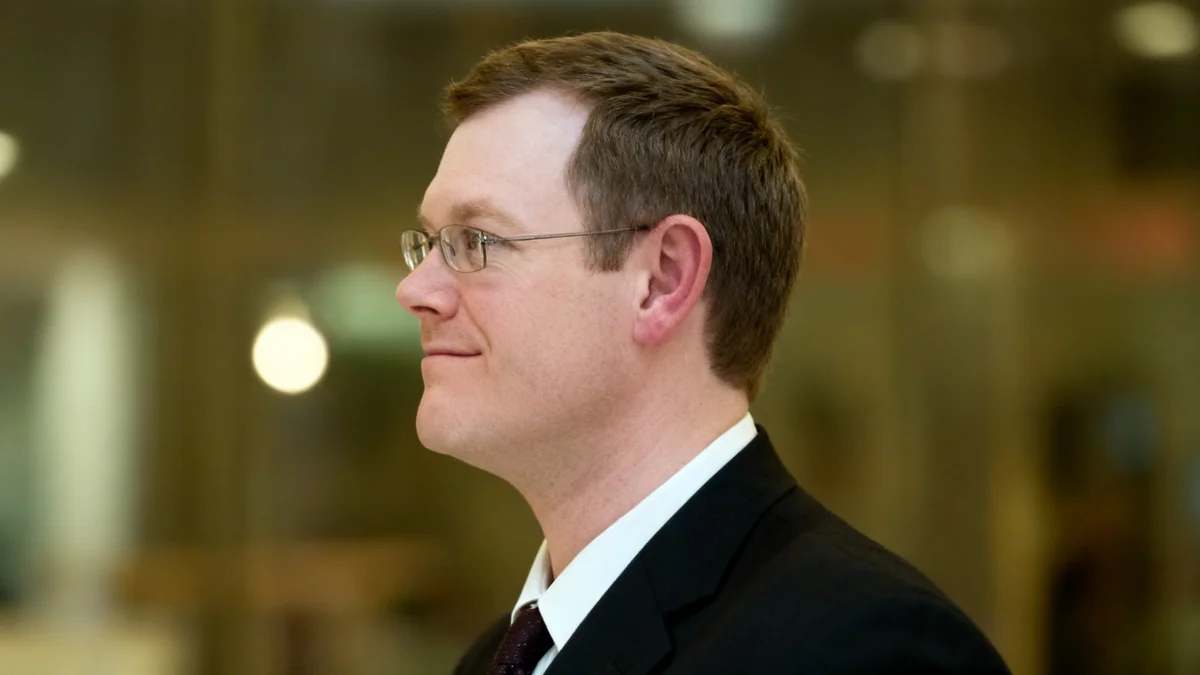
Founded by former Blue Origin engineer Ryan Mitchell, Space Beyond is developing a compact, brick-sized satellite known as a cubesat. This small spacecraft is designed to carry approximately 1,000 individual capsules, each containing a symbolic portion of cremated remains sealed in a protective Kapton film.
The company announced it will begin constructing its first memorial spacecraft next week, following a final design review. This initial mission is a significant step for the venture, which aims to carve out a niche in the commercial space industry by focusing on affordability and accessibility.
The Memorial Spaceflight Market
Sending cremated remains into space is not a new concept. Companies like Celestis have offered such services for years, providing options ranging from suborbital flights that return to Earth, to missions that travel to the moon or into deep space. However, these services often come with premium price tags, with packages starting at several thousand dollars.
The Engineering and Financial Challenge
Achieving a starting price of $249 presents a considerable engineering and logistical puzzle. The direct cost for Space Beyond's inaugural mission is estimated to be around $100,000. This includes the spacecraft's construction, launch services, and operational oversight.
"It is extremely challenging to launch anything to space at such a low price," said Ryan Mitchell, the founder of Space Beyond. "But, at the end of the day, it’s just an engineering challenge to solve, and that’s where we shine."
The startup is currently self-funding its debut mission. A Kickstarter campaign held last year did not meet its fundraising goal of $124,300, securing less than 9% of the target. Despite this, the company has shifted to direct sales to clients to finance the project.
"Sales to date cover about 20% of the cost for the first mission, and are expected to rise as we gain exposure and the public comes to know us better," Mitchell explained. The business model relies on attracting a higher volume of customers by offering a price point that opens the service to a wider audience.
Mission Profile and Orbital Responsibility
The plan for the October 2027 launch involves placing the cubesat into a sun-synchronous orbit, a common path for Earth-observation satellites. The spacecraft will be deployed using an XTERRA XCD deployer from Arrow Science & Technology, a company that specializes in small satellite deployment systems.
Mission Details
- Launch Vehicle: SpaceX Falcon 9 (Rideshare)
- Target Launch: October 2027
- Orbit: Sun-Synchronous
- Payload Capacity: ~1,000 individual portions of remains
- Projected Mission Life: 5 years
A key aspect of Space Beyond's mission design is its commitment to orbital stewardship. The satellite is engineered to remain in orbit for approximately five years. After this period, its orbit will naturally decay, causing it to re-enter and burn up completely in Earth's atmosphere. This ensures the mission does not contribute to the growing problem of long-term space debris.
This five-year lifespan is a deliberate choice, reduced from an earlier design that could have remained in orbit for up to 25 years. The decision reflects a growing awareness within the space industry about the importance of sustainable practices.
"We’re setting the expected mission duration at five years to be responsible stewards of the space in orbit," Mitchell stated. "We’re providing a sufficiently long mission to make it meaningful to our clients and families, while also ensuring that no long-term debris or hazards remain in orbit. Space is huge, but it is also finite. We’re doing the right thing."
As Space Beyond moves from design to construction, its progress will be watched closely by both potential customers and industry observers. The success of its low-cost model could potentially expand the market for memorial spaceflights, making a final journey among the stars a more attainable tribute for many.