Nuclear Power Now Essential for Lunar Night Survival
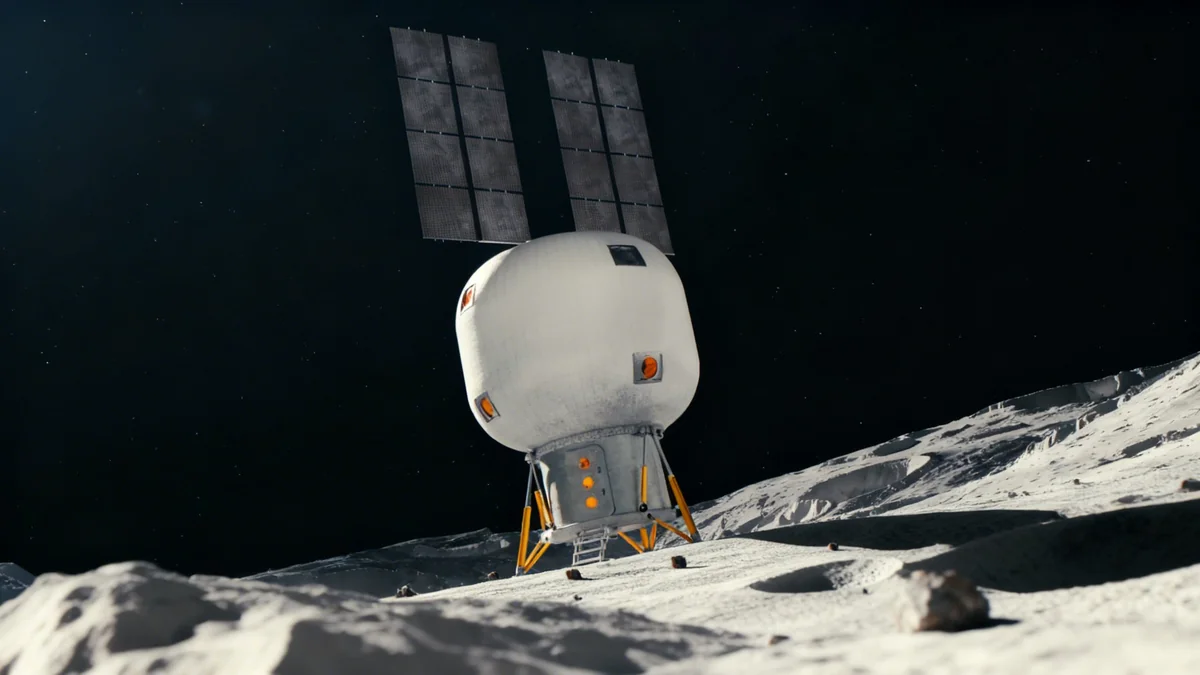
A major shift in space exploration now makes surviving the two-week lunar night a top priority, driving the adoption of nuclear power as the key technology.

Evelyn Reed is Archeonis' lead space correspondent, covering commercial spaceflight, planetary science, and aerospace technology. She has reported on major missions from NASA, SpaceX, and other international space agencies.
20 published articles
A major shift in space exploration now makes surviving the two-week lunar night a top priority, driving the adoption of nuclear power as the key technology.
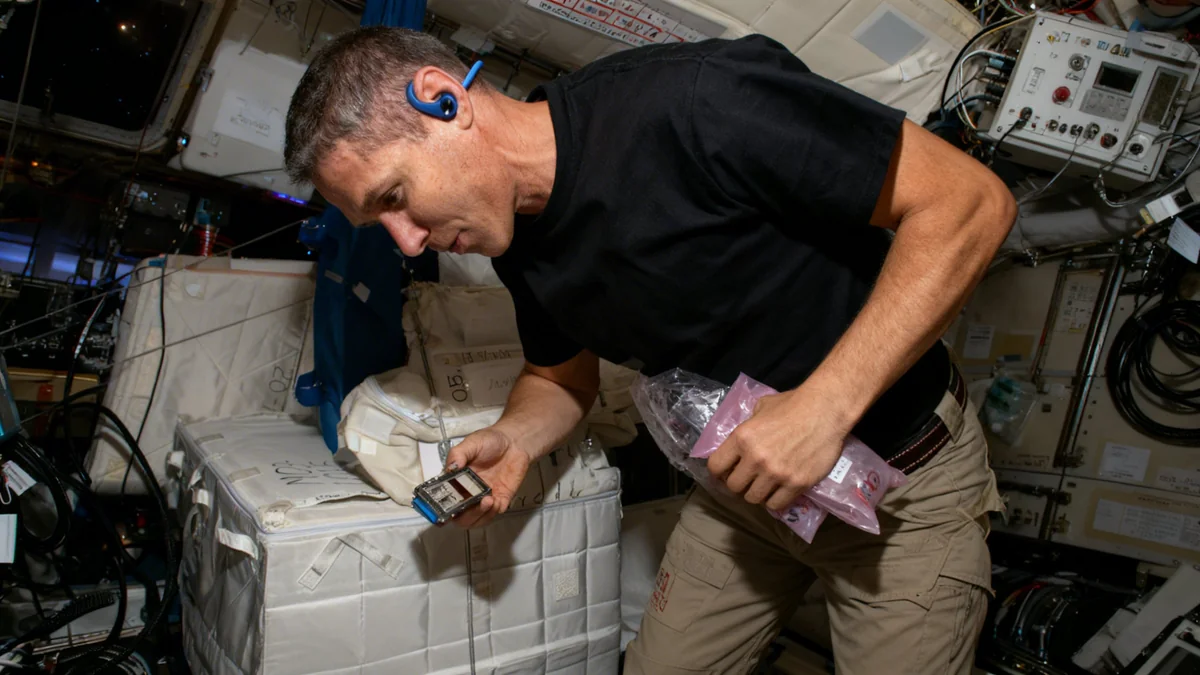
NASA is preparing for the first-ever medical evacuation from the International Space Station, bringing four Crew-11 astronauts home early this week.
Europe's space sector faces a critical year in 2026, with key rocket launches, new defense initiatives, and major policy decisions set to shape its future.
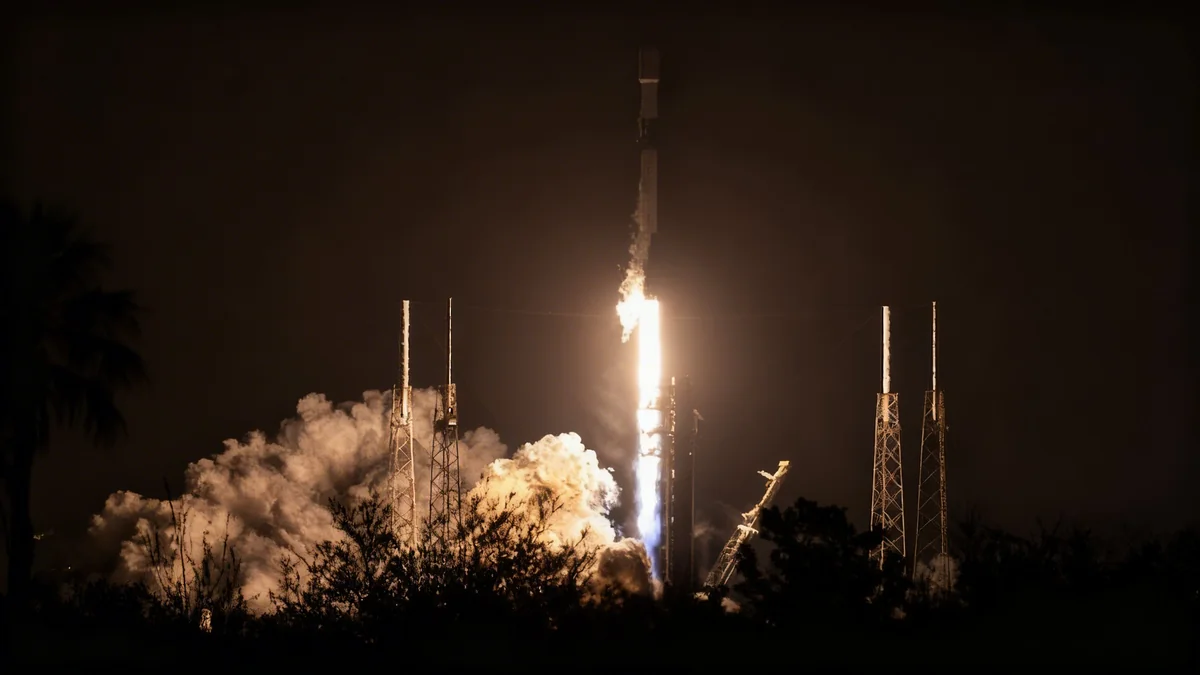
SpaceX has postponed its Falcon 9 rocket launch from Cape Canaveral. The mission, carrying 29 Starlink satellites, is now scheduled for Friday, January 9.
NASA is considering an early termination of the Crew-11 mission on the International Space Station after an astronaut experienced a medical emergency.
SpaceX is scheduled to launch the first orbital mission of 2026 tonight from California, carrying an advanced Italian Earth-observation satellite into orbit.
SpaceX plans to lower the orbit of 4,400 Starlink satellites in 2026 to enhance space safety, reduce collision risks, and speed up satellite disposal.
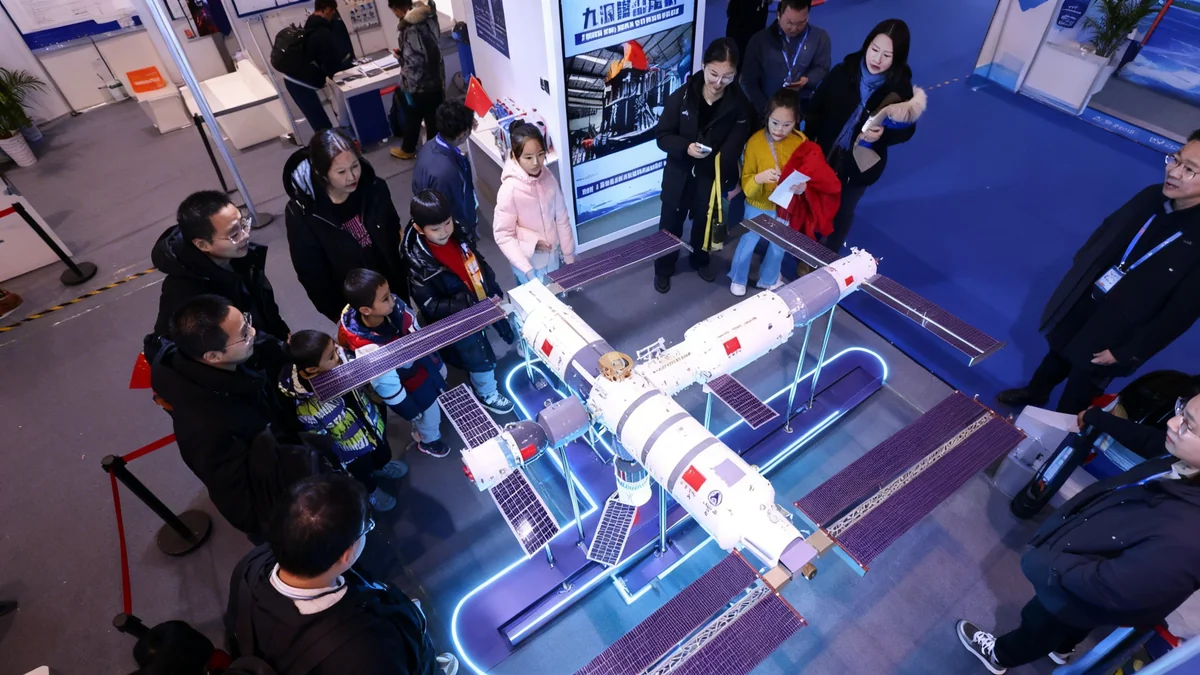
With the International Space Station set to retire after 2030, a new commercial race is on to build its successor, with four major companies competing.
New Zealand-founded Rocket Lab is challenging space industry giants with its new, larger Neutron rocket, aiming to capture a significant share of the booming commercial launch market.
The year 2026 is set to be a landmark for space, featuring NASA's Artemis II crewed lunar flyby, new robotic missions to Mars, and a major total solar eclipse.
A review of the significant rocket and spacecraft failures of 2025, highlighting the challenges faced by both government agencies and private companies.
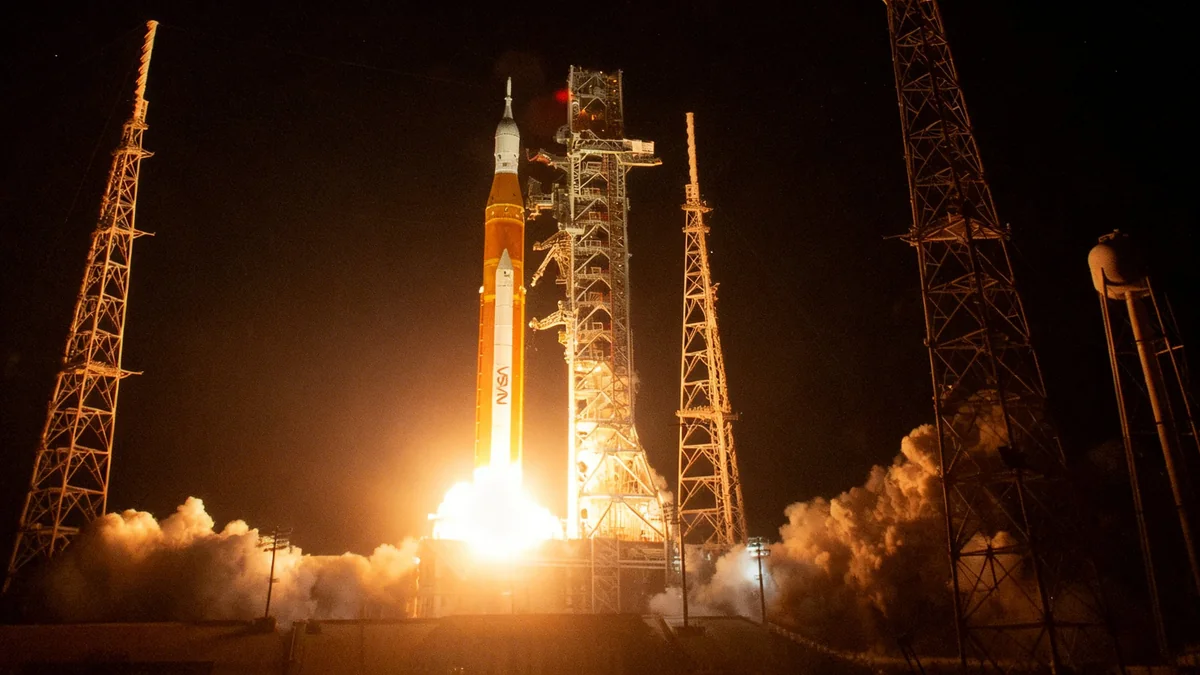
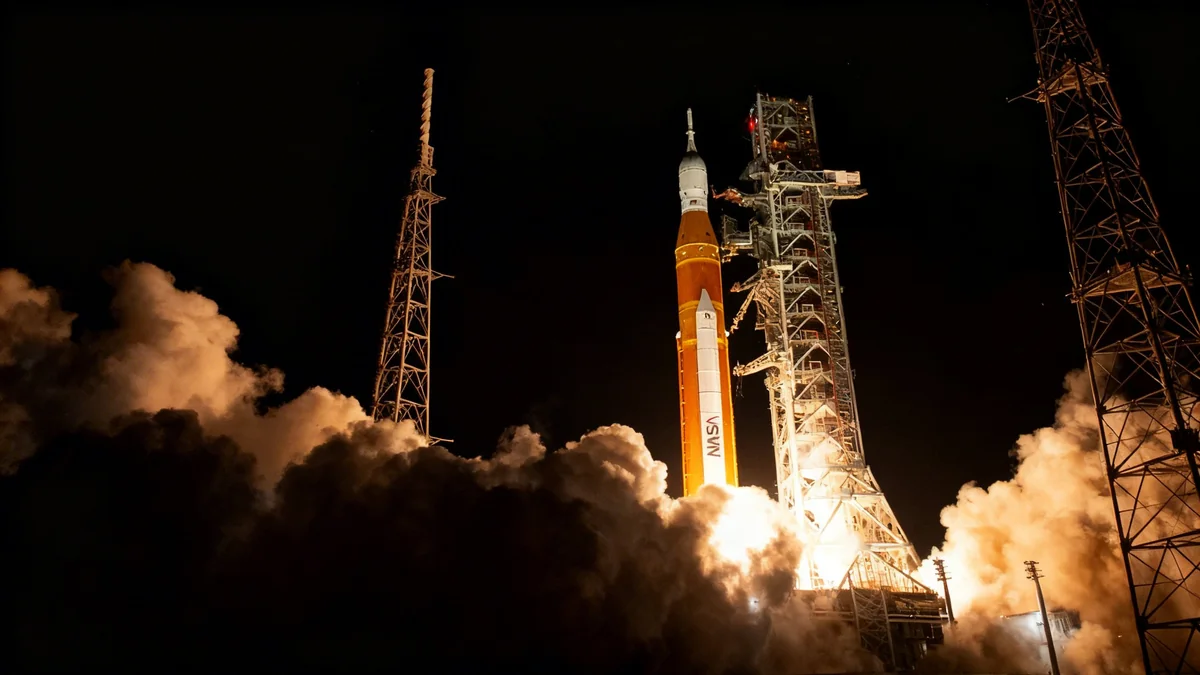
NASA is preparing for the 2026 launch of Artemis II, a mission that will send four astronauts on a flyby around the moon, marking humanity's closest approach in over 50 years.
SpaceX is reportedly considering a 2026 initial public offering that could value it at $1.5 trillion, a move that would fund future projects but add new pressures.
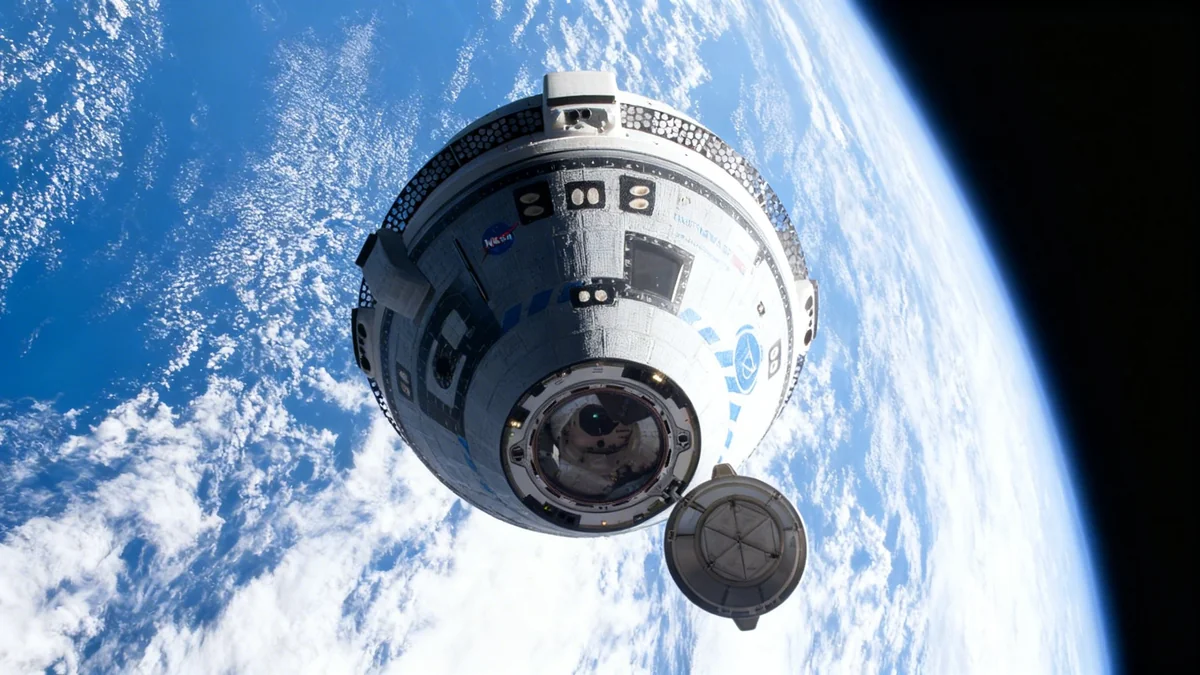
A review of 2025's biggest space stories, from the 286-day saga of two stranded NASA astronauts to the discovery of a new moon and the debut of a revolutionary observatory.
The Indian Space Research Organisation (ISRO) has successfully launched its heaviest satellite ever, the 6,100 kg BlueBird Block-2, aboard an LVM-3 rocket.
For 25 years, astronauts aboard the International Space Station have adapted human traditions, celebrating holidays with special meals and decorations in orbit.
The four astronauts of NASA's Artemis 2 mission have completed a critical launch day simulation, a significant milestone for the first crewed lunar flight in 50 years.
Blue Origin is set to fly the first person who uses a wheelchair past the Kármán line on its next New Shepard mission, carrying a diverse crew of six.
Startup Max Space has revealed plans for Thunderbird Station, a large expandable habitat designed to launch entirely on a single SpaceX Falcon 9 rocket.
Earth's orbit is critically crowded, with satellite numbers tripling to nearly 14,000 in seven years. Experts warn that a loss of maneuverability could trigger a catastrophic collision cascade in just