
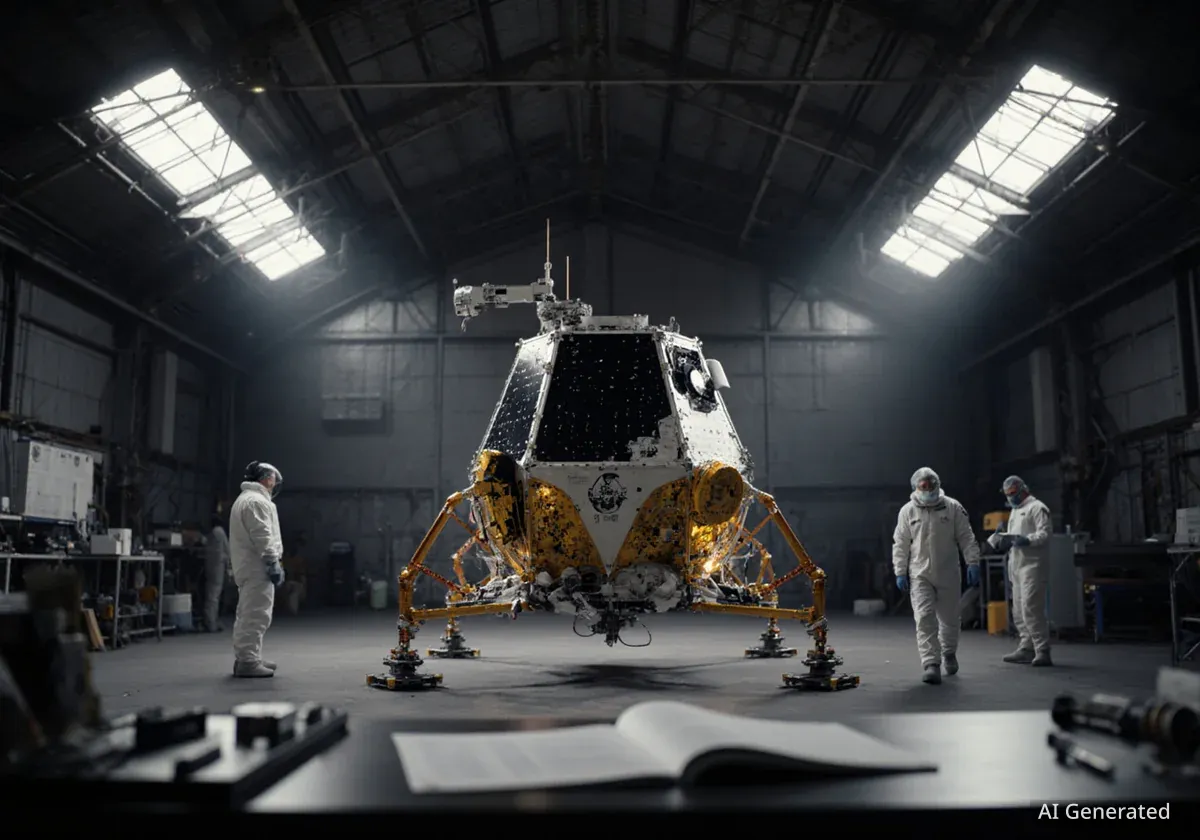
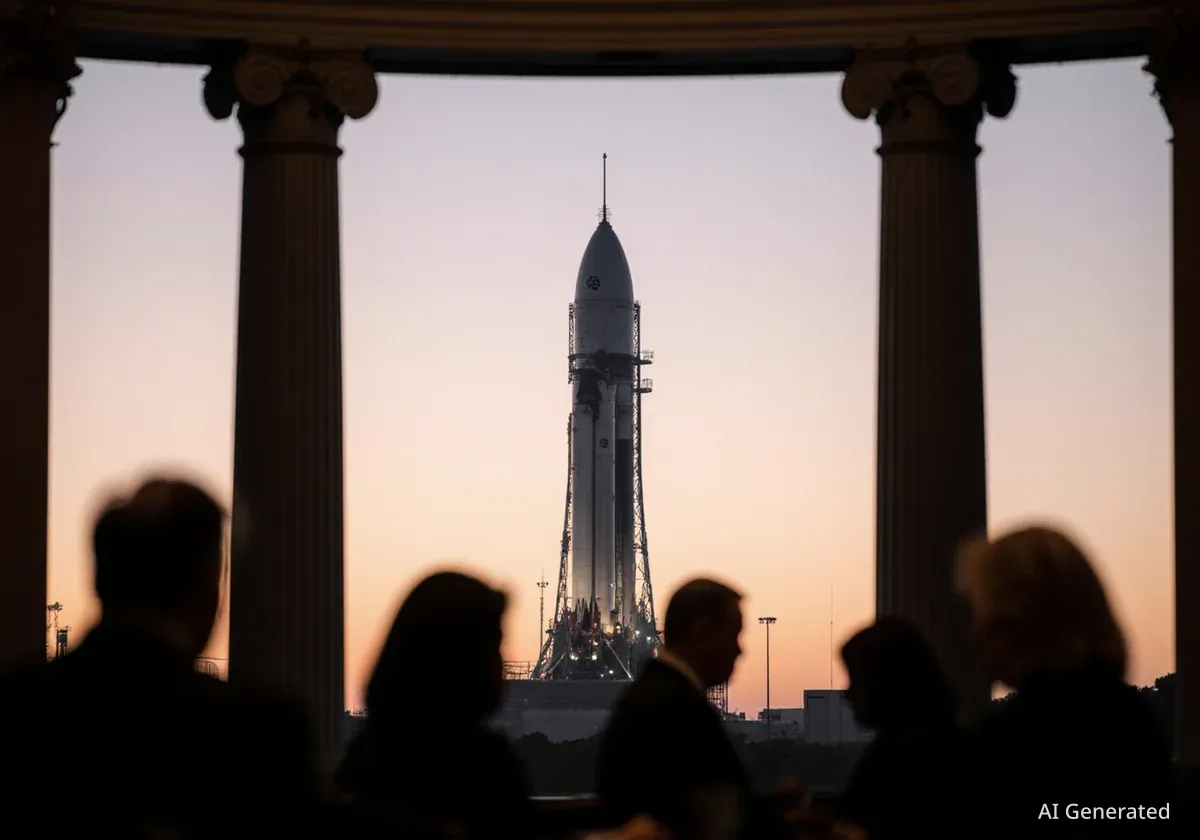



NASA has officially revised its ambitious Artemis program timeline, pushing the target for the first crewed lunar landing in over half a century to 2028. The space agency announced Friday it will insert an additional mission into the schedule to test critical hardware, a move aimed at increasing safety and ensuring the readiness of its next-generation systems.
The decision follows persistent technical challenges with the Space Launch System (SLS) rocket and recommendations from an independent safety panel to adopt a more measured approach to returning humans to the moon.
Key Takeaways
- NASA's new target for a crewed moon landing is now 2028, a delay from previous estimates.
- An extra mission, Artemis III, is being repurposed for 2027. It will involve astronauts practicing docking with the lunar lander in Earth orbit.
- The change addresses technical delays with the lunar lander and spacesuits, as well as ongoing issues with the SLS rocket.
- The agency aims to increase the frequency of Artemis missions, drawing lessons from the rapid cadence of the Apollo program.
Revised Artemis Flight Plan
Under the updated plan, the mission previously known as Artemis III, which was slated for the historic landing, will now serve a different purpose. In 2027, astronauts will fly the Orion capsule to rendezvous and practice docking with the lunar lander in Earth orbit. This crucial test was not part of the original public schedule.
This new step is designed to validate the performance and safety of the lander, which is being developed by a commercial partner, before it is used for an actual descent to the lunar surface. The first landing attempt, and potentially a second, is now scheduled for 2028.
The announcement came just days after NASA's new moon rocket was returned to its hangar for further repairs, and shortly after the Aerospace Safety Advisory Panel urged the agency to scale back its ambitious goals for the first landing mission.
Learning from History
During a press conference, NASA Administrator Jared Isaacman referenced the Apollo program of the 1960s and 70s. He noted that multiple missions were flown in rapid succession to test systems and build experience before the Apollo 11 landing. "No one here at NASA forgot their history books," Isaacman stated. "We should be getting back to basics and doing what we know works."
Addressing Technical Hurdles
The Artemis program has faced significant technical and scheduling challenges. The inaugural uncrewed flight, Artemis I, experienced multiple delays in 2022 due to persistent hydrogen fuel leaks and helium flow problems with the SLS rocket. Similar issues have resurfaced, contributing to the delay of Artemis II.
Artemis II, which will carry four astronauts on a flight around the moon, is now postponed until at least April. The long gaps between missions have been a point of concern for both NASA officials and external safety advisors.
"It should be incredibly obvious that three years between flights is unacceptable," Isaacman said, stressing his goal to reduce the time between launches to one year or even less.
In addition to the SLS rocket, the readiness of the human landing system (HLS) and new-generation moonwalking suits have been significant pacing items. By adding the 2027 docking mission, NASA is building more time into the schedule to mature these complex systems while still making progress with crewed flights.
A New Path Forward
To accelerate the pace of future missions, NASA plans to standardize the design of its Space Launch System rockets. This move is intended to streamline production, reduce complexity, and lower the risk associated with each launch.
Artemis Program Goals
- Return to the Moon: Establish a sustainable human presence on and around the Moon.
- South Pole Exploration: Target the lunar south pole, a region believed to contain water ice, a critical resource for future missions.
- Mars Preparation: Use the Moon as a proving ground for the technologies and procedures needed for human missions to Mars.
The revised flight plan directly addresses the safety panel's concerns about the "demanding mission goals" of the original Artemis III. The panel had urged the agency to reconsider its objectives to ensure a safe return for the astronauts.
Administrator Isaacman confirmed that the new strategy is a direct response to these recommendations and has the support of industry partners and the current administration. "This is going to be our pathway back to the moon," he affirmed.
While the delay pushes the historic landing further into the future, the new, more methodical approach is seen by many as a pragmatic step. It prioritizes astronaut safety and the methodical testing of unproven hardware, reflecting a risk-reduction philosophy that was central to the success of the Apollo era.