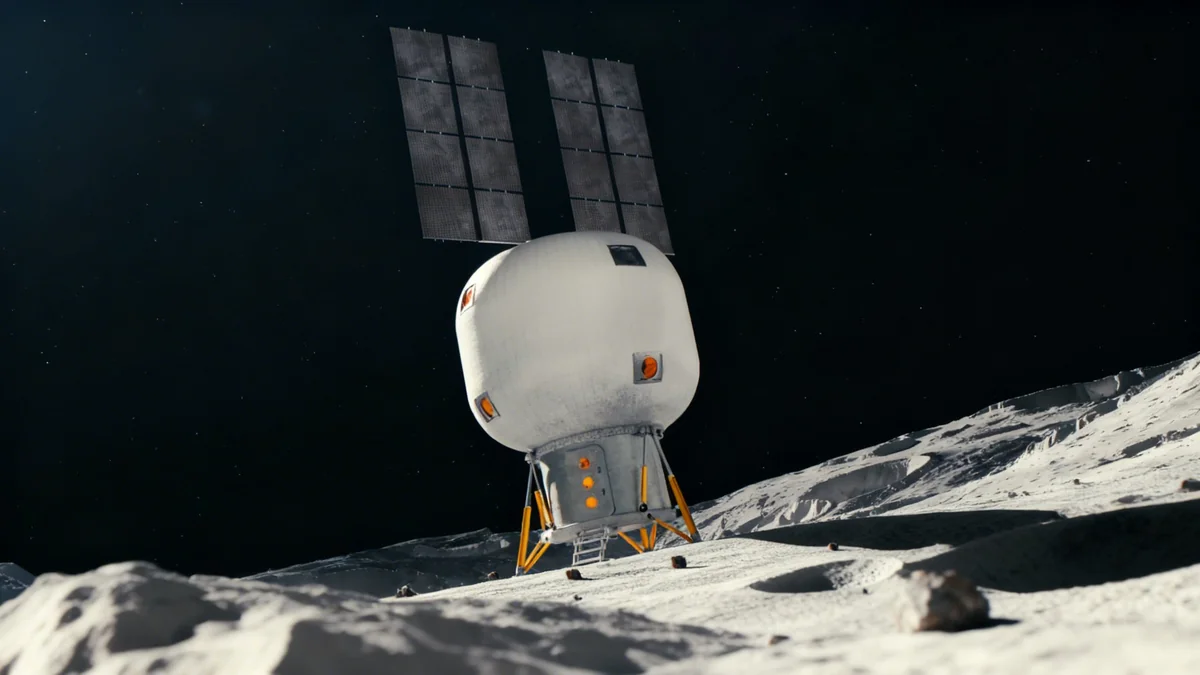
Voyager Backs Max Space for Expandable Moon Habitats
Voyager Technologies has made a multi-million-dollar investment in Max Space to accelerate the development of expandable habitats for future moon bases.

#NASA#Artemis Program#Moon Base
85 articles tagged
Voyager Technologies has made a multi-million-dollar investment in Max Space to accelerate the development of expandable habitats for future moon bases.
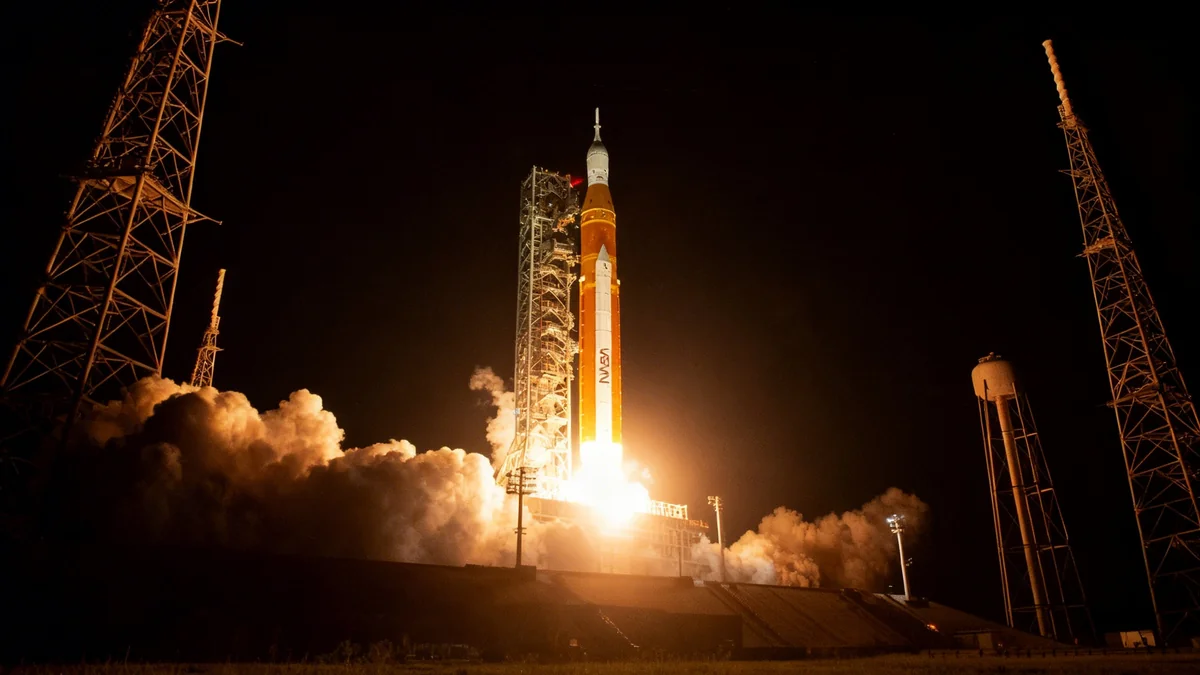
SpaceX is preparing for the inaugural flight of its more powerful, next-generation Starship V3 rocket, with CEO Elon Musk targeting an early April launch.
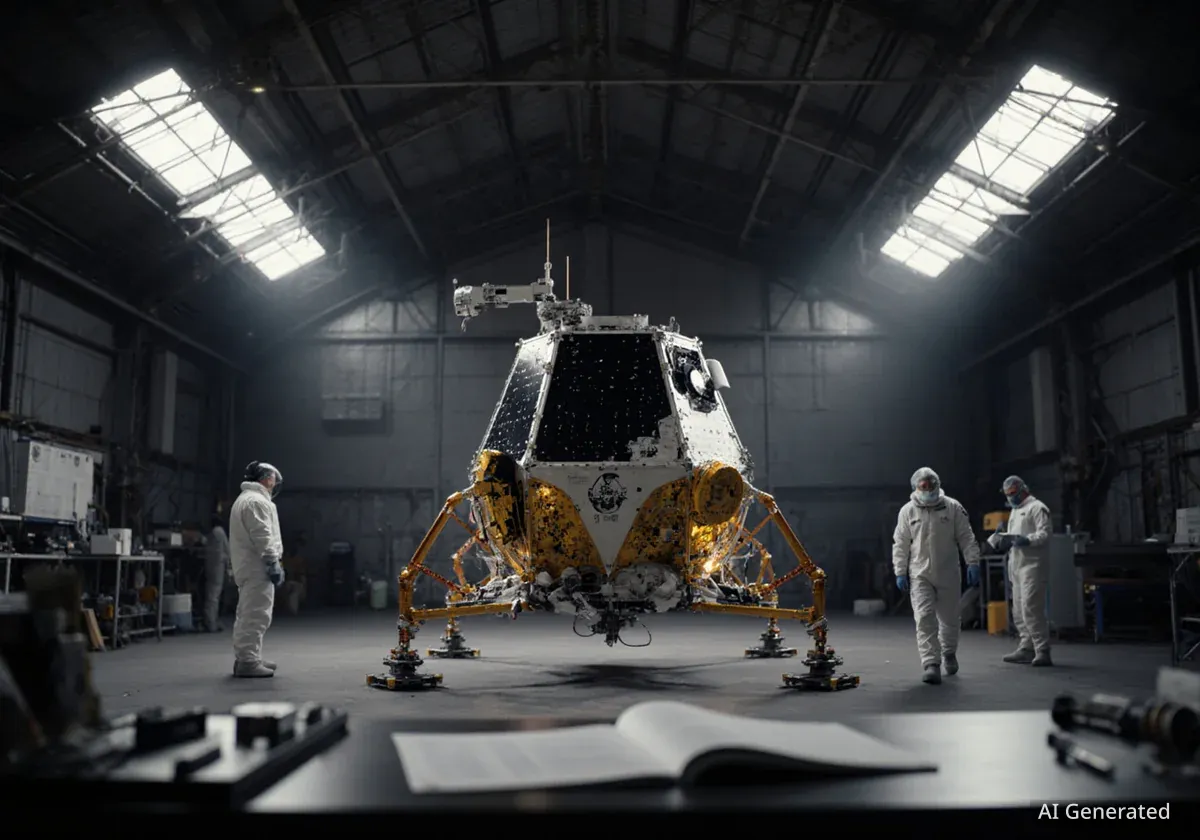
NASA has pushed its target for a crewed moon landing to 2028, adding a new mission in 2027 to test critical hardware and improve astronaut safety.
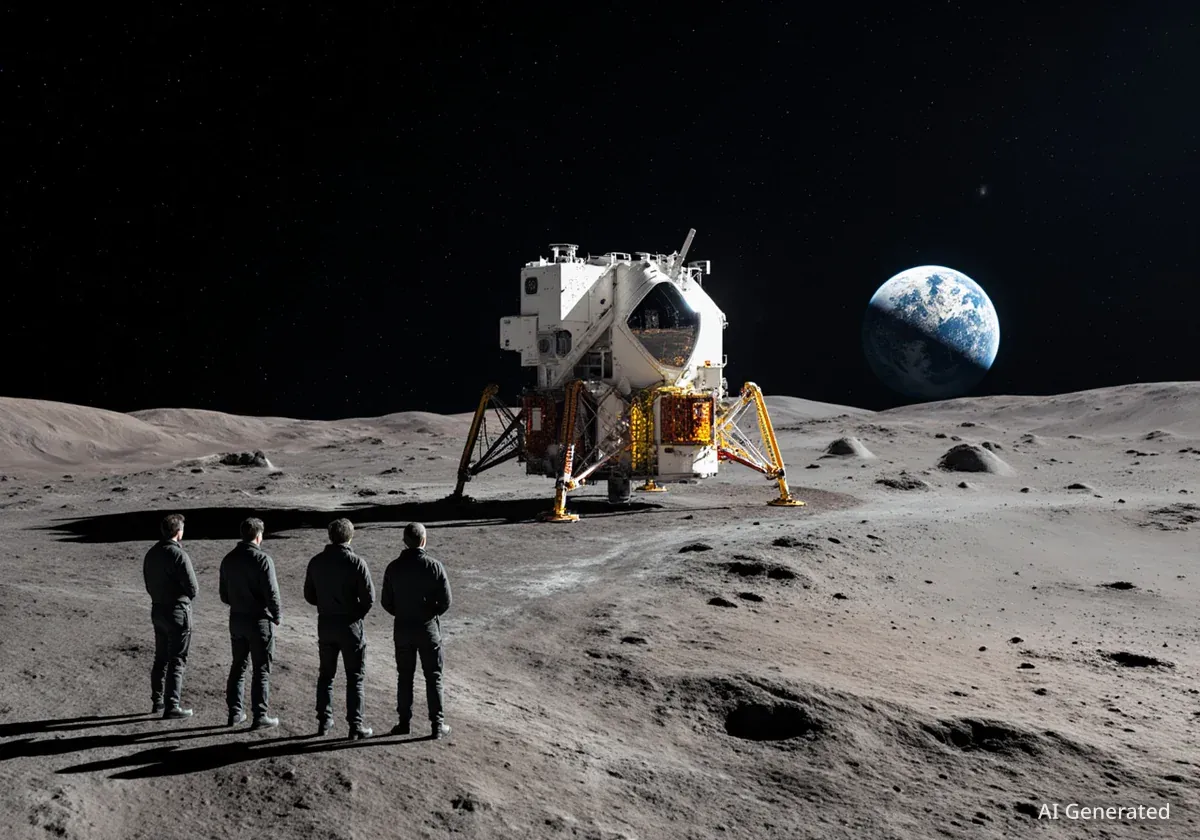
Elon Musk's decision to prioritize a Moon base over a Mars colony has divided experts and met with public indifference, with over 62% unconcerned by the shift.
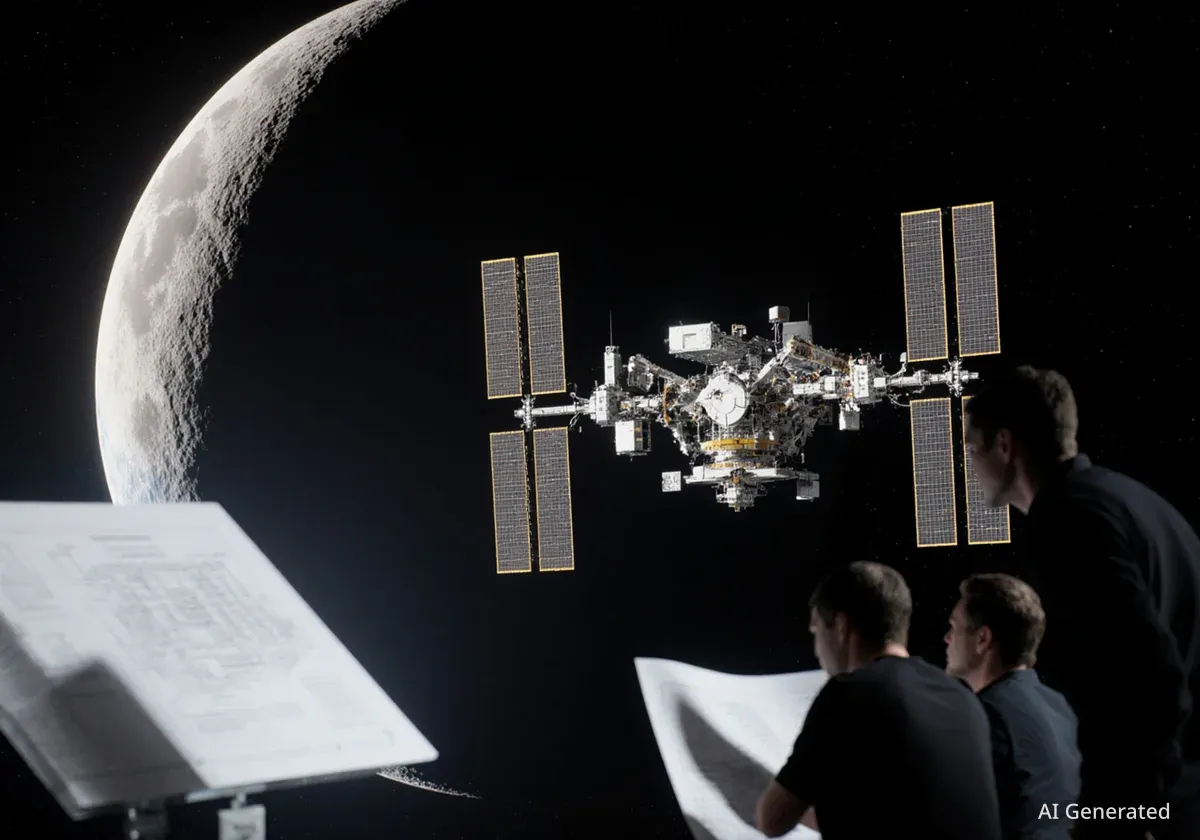
NASA's Lunar Gateway, a planned moon-orbiting station, faces an uncertain future amid debates over its cost, necessity, and strategic role in the Artemis program.
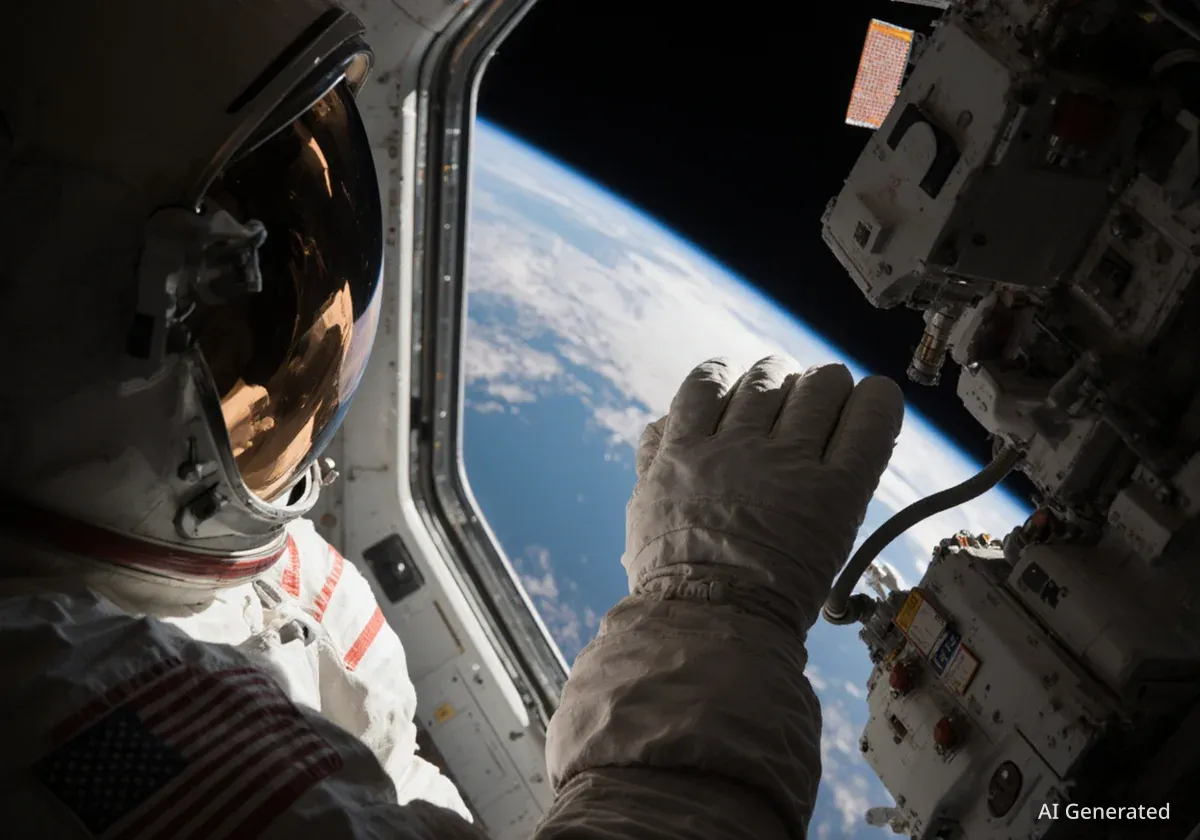
NASA astronaut Jessica Meir has begun an eight-month mission aboard the International Space Station, serving as commander for the SpaceX Crew-12 mission.
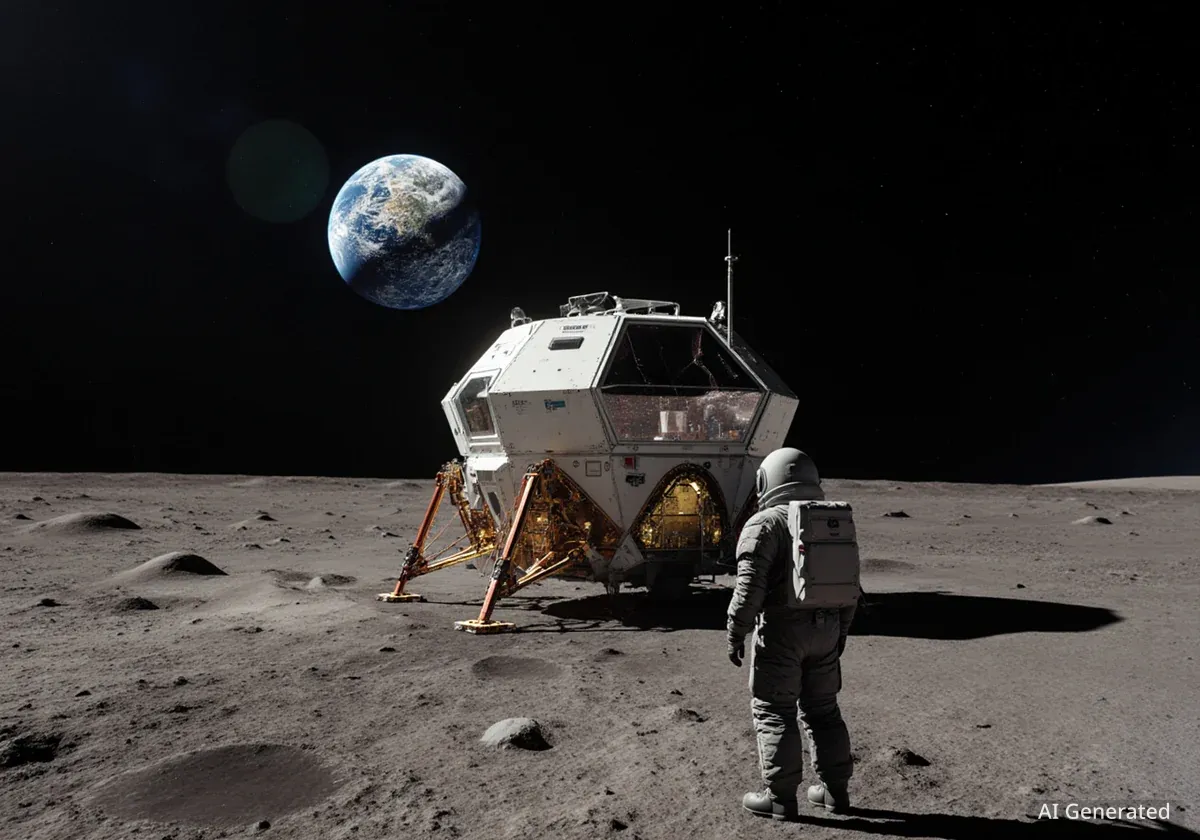
In a major strategy shift, Elon Musk announced SpaceX will prioritize building a lunar city before attempting a Mars colonization, aligning with a renewed global focus on the Moon.
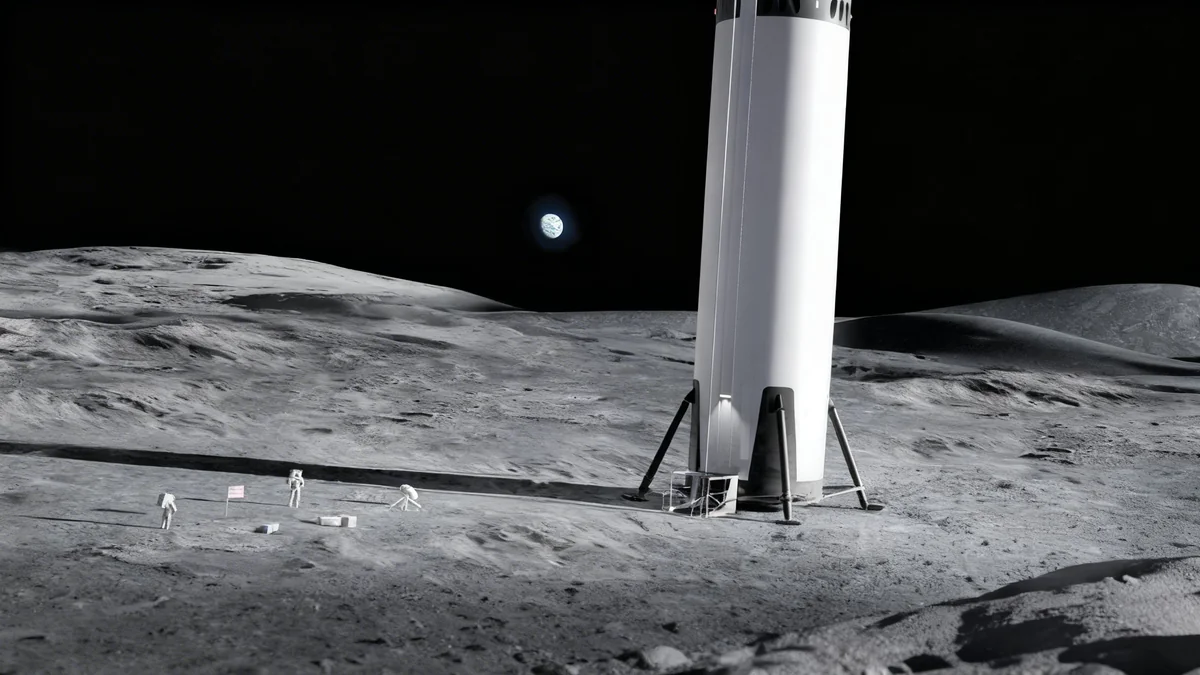
SpaceX is pivoting its short-term colonization plans from Mars to the Moon, with CEO Elon Musk citing a faster timeline and logistical advantages.

NASA has updated its policy to allow astronauts on missions, including Artemis II, to bring personal smartphones into space for the first time.
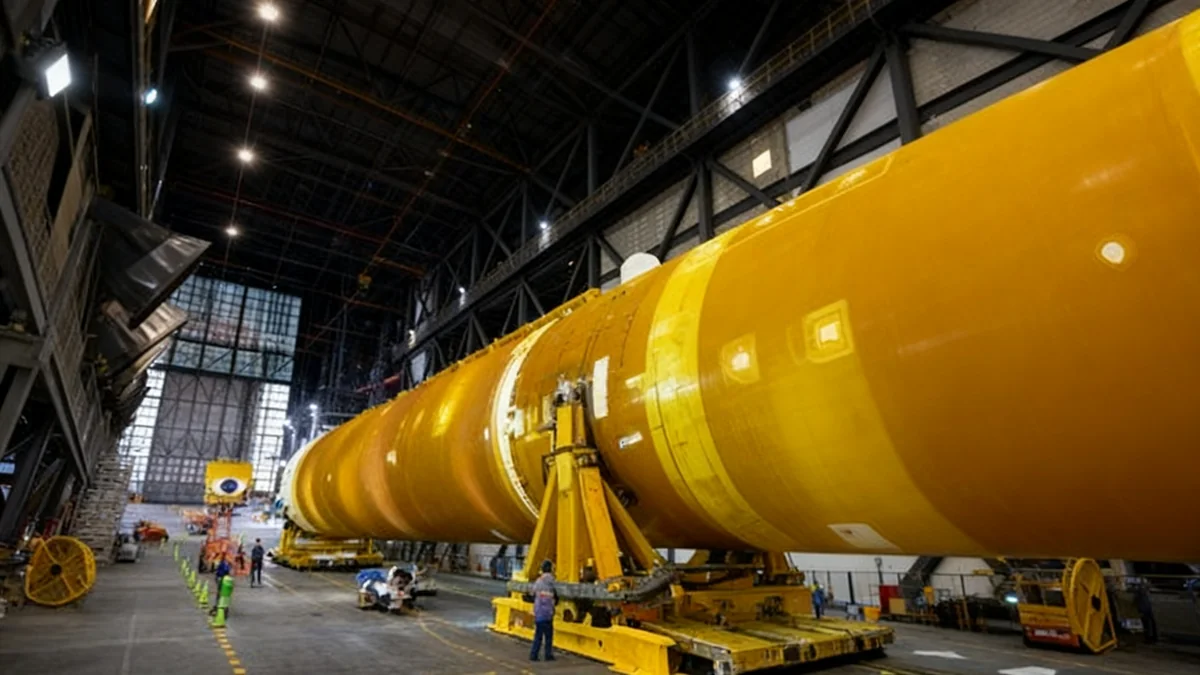
Over 1,100 workers at a West Virginia plant produced critical aluminum components for NASA's Artemis II rocket, playing a key role in the mission to send astronauts back to the moon.
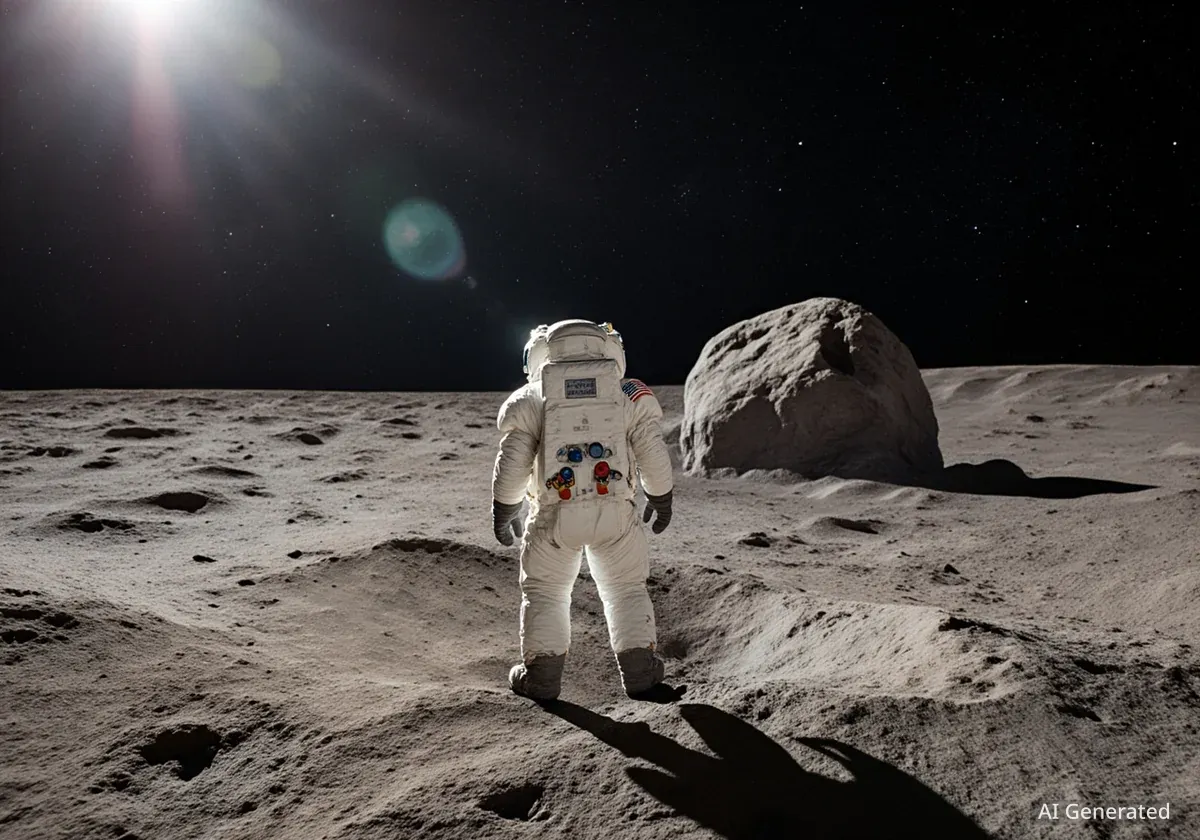
NASA's upcoming Artemis III mission will feature the new AxEMU spacesuit, designed for the harsh lunar south pole with unprecedented mobility but also increased weight.

Ever wonder what space movies real astronauts watch? Eleven space travelers reveal their top picks, from the hyper-realistic 'Apollo 13' to the scientifically plausible 'The Martian'.