

Vast Space has adjusted the launch schedule for Haven-1, the world's first commercial space station, moving its target liftoff from mid-2026 to the first quarter of 2027. The company confirmed the new timeline while announcing significant hardware milestones, positioning itself as a frontrunner in the race to succeed the International Space Station.
Key Takeaways
- The launch of the Haven-1 commercial space station is now scheduled for the first quarter of 2027.
- Vast Space has completed the primary structure of the station and is beginning clean room integration.
- The company plans for a crew to visit Haven-1 via a SpaceX Dragon capsule shortly after the uncrewed launch and checkout.
- Vast CEO Max Haot urges NASA to expedite its selection process for commercial ISS replacements to avoid a gap in U.S. orbital presence.
Revised Timeline for an Orbital Outpost
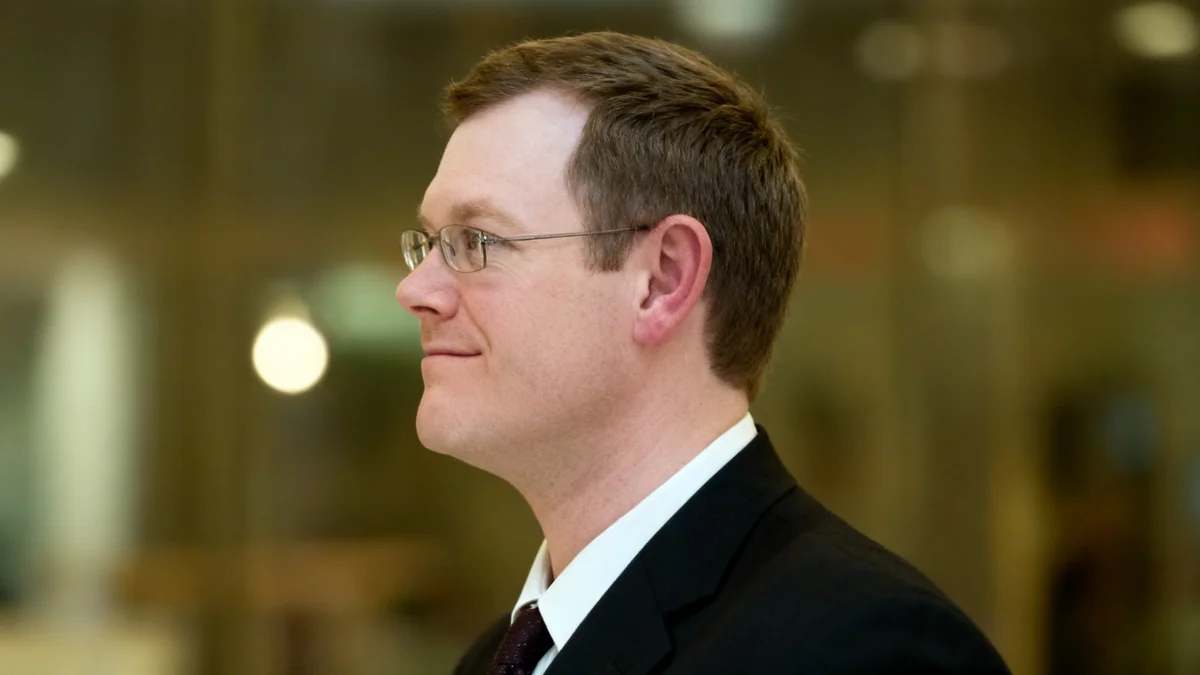
Vast Space is developing Haven-1, a private station intended for short-duration missions in low-Earth orbit. The company's CEO, Max Haot, explained that the revised Q1 2027 launch date is a target the team is confident in meeting as they navigate the complexities of building a human-rated orbital habitat for the first time.
"This is obviously our first space station, and we’re moving as safely and as fast as we can," Haot stated. He emphasized that even with the adjustment, the project remains significantly ahead of competitors, aiming to build the station from the ground up in under four years.
Haven-1 by the Numbers
- Launch Vehicle: Falcon 9
- Mass: 15 tons
- Planned Lifetime: 3 years
- Planned Missions: 4 crewed missions
- Mission Duration: Nominally 10-day stays, with options for up to 30 days
From Factory Floor to Orbit
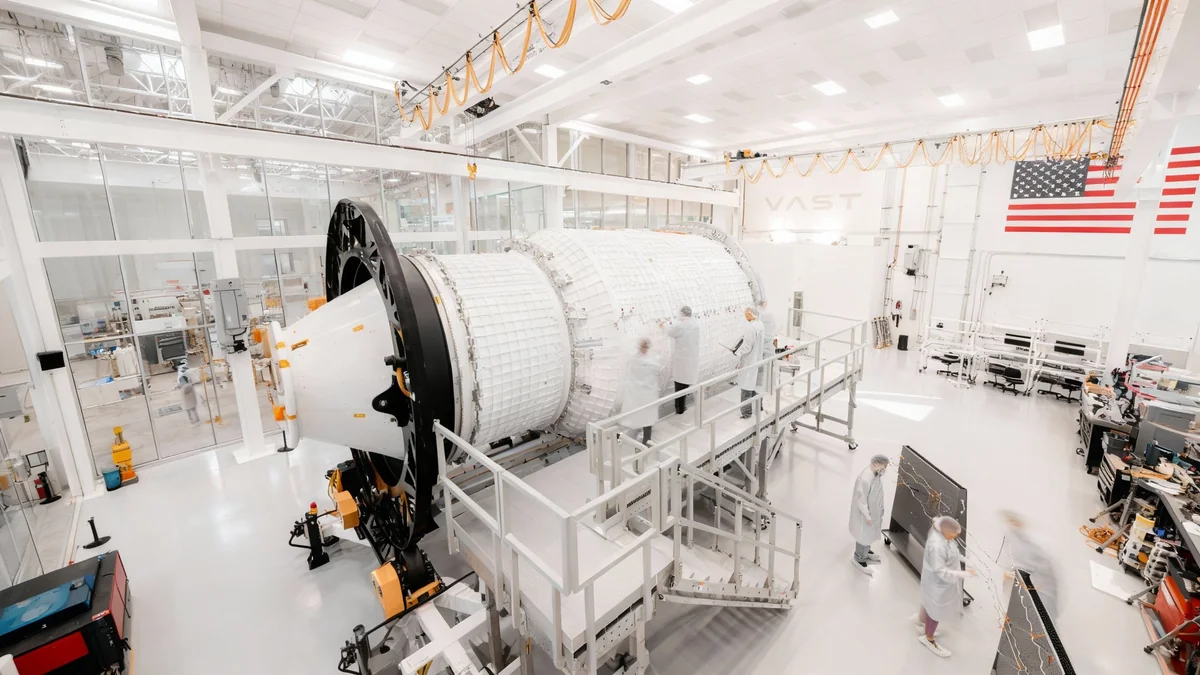
Progress on the station's hardware is advancing steadily. The primary structure of Haven-1 was recently completed, and it has successfully passed all acceptance testing. The module is now in a clean room environment where engineers are beginning the complex process of integration.
This phase involves installing critical subsystems, including the thermal control and propulsion systems, followed by avionics. Haot anticipates this work will be finished by the fall, setting the stage for a comprehensive test campaign at a NASA facility before the end of the year.
After its launch on a Falcon 9 rocket, Haven-1 will spend a minimum of two weeks in orbit uncrewed. During this period, ground controllers will perform extensive checkouts to confirm all systems are functioning correctly, such as maintaining pressure and controlling its attitude.
"We have to basically convince SpaceX, both contractually and with many verification events, that it will be safe to dock Dragon," Haot explained. "If they agree with the data we provide them, they will put a fully trained crew on board Dragon and bring them up."
The Race to Replace the ISS
The development of Haven-1 is taking place against the backdrop of the impending retirement of the International Space Station (ISS), currently scheduled for 2030. NASA is relying on private companies like Vast, Axiom Space, and Blue Origin to provide new destinations in low-Earth orbit, ensuring a continuous U.S. human presence in space.
However, the agency has not yet released the formal requirements for its Commercial Low-Earth Orbit Destinations (CLD) program. This delay is causing concern across the industry, as companies need clear guidelines to finalize their designs and secure funding.
"We definitely agree with the sentiment... that it is overdue and it’s time to make a decision and release an RFP," Haot said, echoing a growing industry consensus on the need for urgency.
The Post-ISS Transition
NASA's strategy is to transition from being an owner-operator of a space station to a customer that buys services from commercial providers. This model is intended to save the agency money while fostering a robust commercial economy in low-Earth orbit. The success of this plan hinges on private stations being operational before the ISS is deorbited in 2030.
Vast's Vision for the Future
Crew and Mission Plans
While no crew has been announced for the first mission, Haot confirmed that Vast is in "deep negotiations" with both private individuals and sovereign nations. He noted that the new launch date makes crew selection an urgent priority, as astronauts will need between six to twelve months for training on both the Dragon spacecraft and the Haven-1 station.
The company has one crewed flight fully contracted with SpaceX and holds an option for a second. The plan is to conduct four missions during Haven-1's three-year lifespan.
Building on Success with Haven-2
Vast is already planning its next-generation station, which will build directly on the technology developed for Haven-1. The first module of this larger station will be an iterative improvement, featuring two docking ports instead of one, along with more power and volume.
"The life support system, the air revitalization system, the software, the primary structure—the first module of Haven-2 will be just tweaks on Haven-1," Haot remarked. This strategy, he believes, gives Vast a significant advantage in the commercial space station competition.
Looking further ahead, Vast aims to unlock an orbital economy focused on in-space manufacturing of products like semiconductors, fiber optics, and pharmaceuticals. While the business model is not dependent on this market materializing quickly, the company sees it as a major opportunity for growth.
Haot also stressed the importance of NASA selecting two providers for its CLD program to ensure redundancy, similar to the approach used for commercial crew transportation. "We are confident we can be successful and profitable with two companies operating," he concluded, highlighting the need for a competitive and resilient commercial space ecosystem.