China's Private Firms Enter a New Commercial Space Race
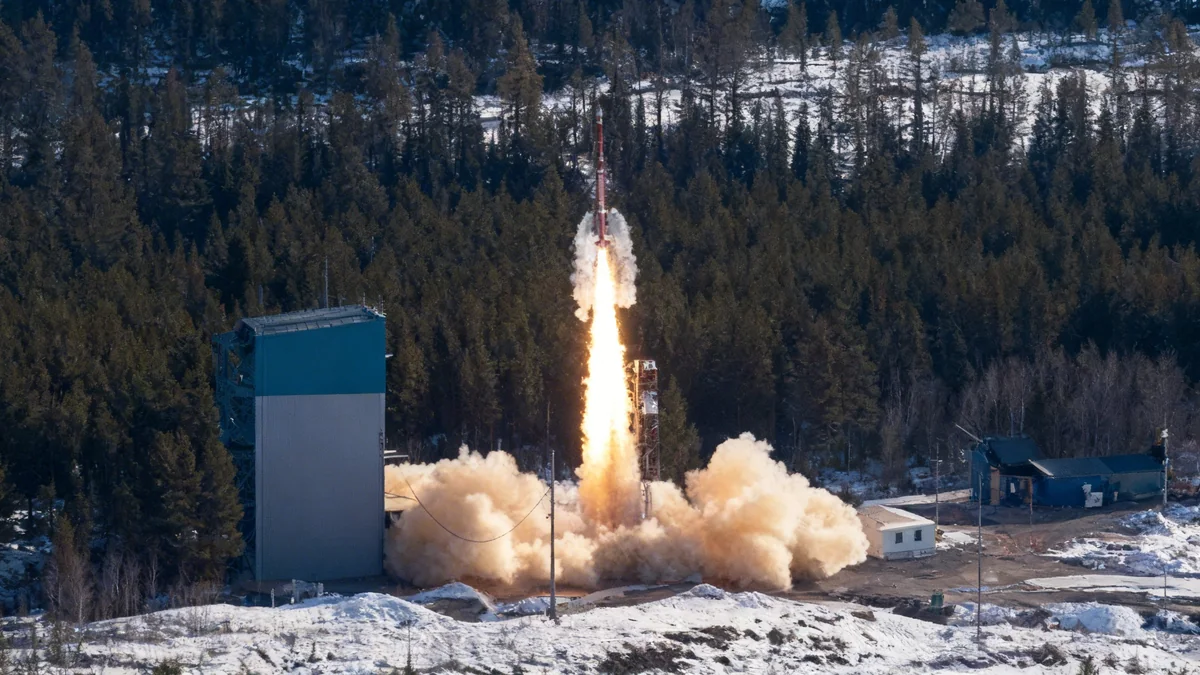
China's private space industry is on the verge of a major breakthrough with reusable rocket technology, aiming to lower launch costs and compete globally.
166 articles tagged

China's private space industry is on the verge of a major breakthrough with reusable rocket technology, aiming to lower launch costs and compete globally.

Defense contractor L3Harris Technologies agrees to an $845 million deal, selling a 60% stake in its space propulsion unit, including the iconic RL10 engine.

Vandenberg Space Force Base is seeking commercial partners to build and operate the West Coast's first launch pad for super-heavy rockets, a major step to enhance national security space capabilities.

A new U.S. executive order ends the long-standing policy of providing free satellite tracking data, opening the door for the government to charge operators for space traffic management services amid e

The U.S. Space Force is accelerating its shift to a full warfighting posture in 2026, driven by rising threats from China and Russia in the space domain.

Defense contractor L3Harris Technologies will sell a 60% stake in its space propulsion unit to AE Industrial Partners in a deal valued at $845 million.

Europe's new Space Act, intended to boost its competitiveness, is facing criticism for potentially stifling innovation and increasing costs in an industry where it already lags.

New Zealand-founded Rocket Lab is challenging space industry giants with its new, larger Neutron rocket, aiming to capture a significant share of the booming commercial launch market.

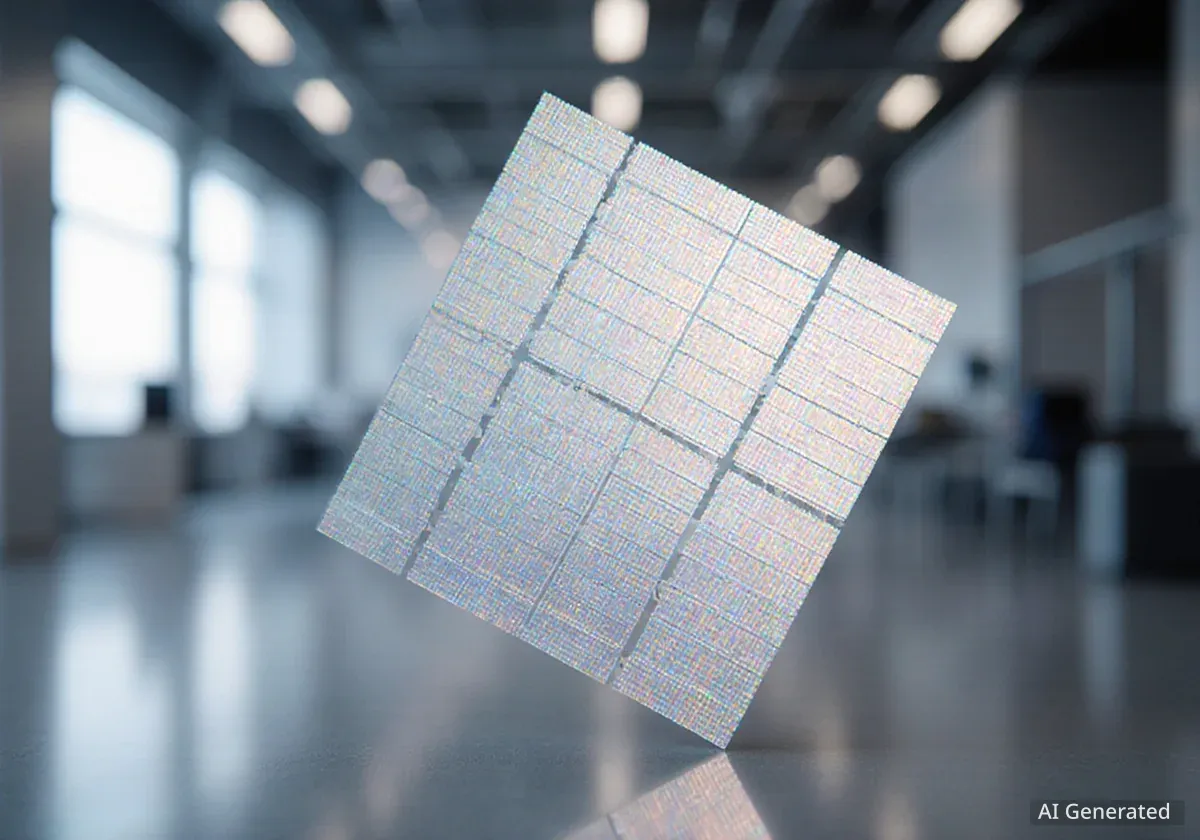
A Cardiff-based company has successfully tested an orbital furnace, a key step toward manufacturing ultra-pure semiconductors in the microgravity of space.

Russia has secured a patent for a new orbital station designed to generate artificial gravity, a concept aimed at solving major health issues for astronauts on long-term missions.

A review of the significant rocket and spacecraft failures of 2025, highlighting the challenges faced by both government agencies and private companies.

A new technology called Physics AI is revolutionizing the aerospace industry by cutting complex simulation times from over 10 hours to just a few seconds.