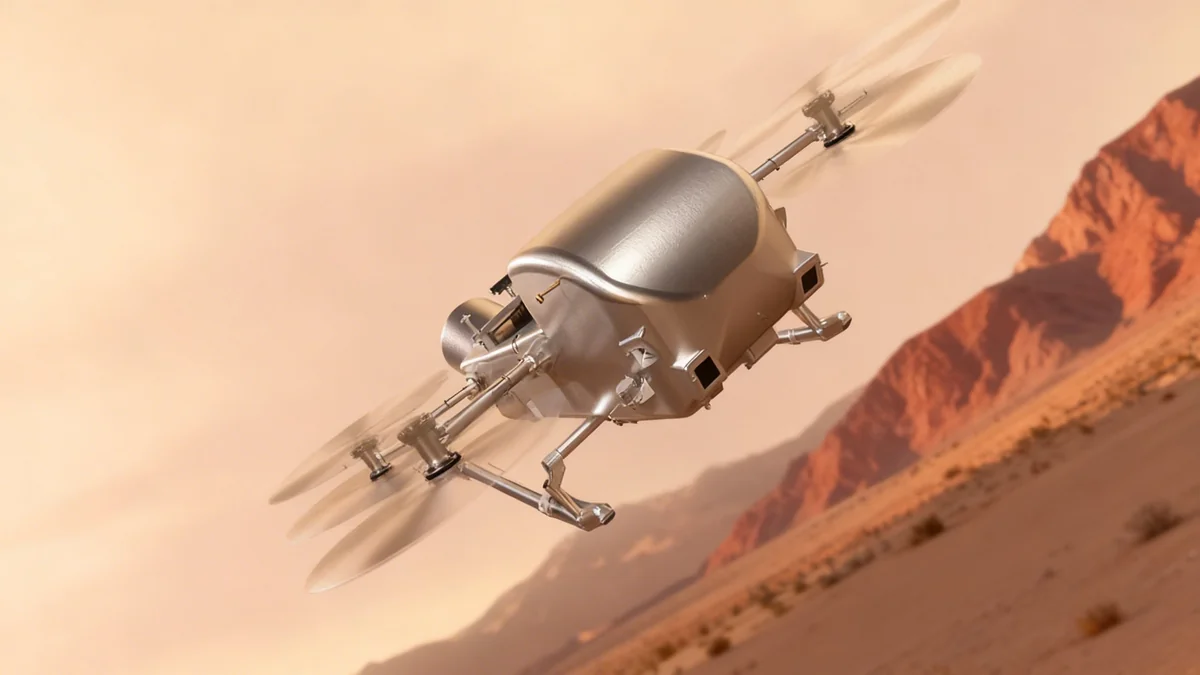
NASA Begins Building Nuclear Drone for Saturn's Moon Titan
NASA has officially begun building its nuclear-powered drone, Dragonfly, which is scheduled to launch in 2028 to explore Saturn's largest moon, Titan.

#NASA#Dragonfly Mission#Titan
14 articles tagged
NASA has officially begun building its nuclear-powered drone, Dragonfly, which is scheduled to launch in 2028 to explore Saturn's largest moon, Titan.

Stargazers are in for a treat this week as six planets, including Mercury, Venus, Saturn, and Jupiter, align in the evening sky in a rare celestial event.
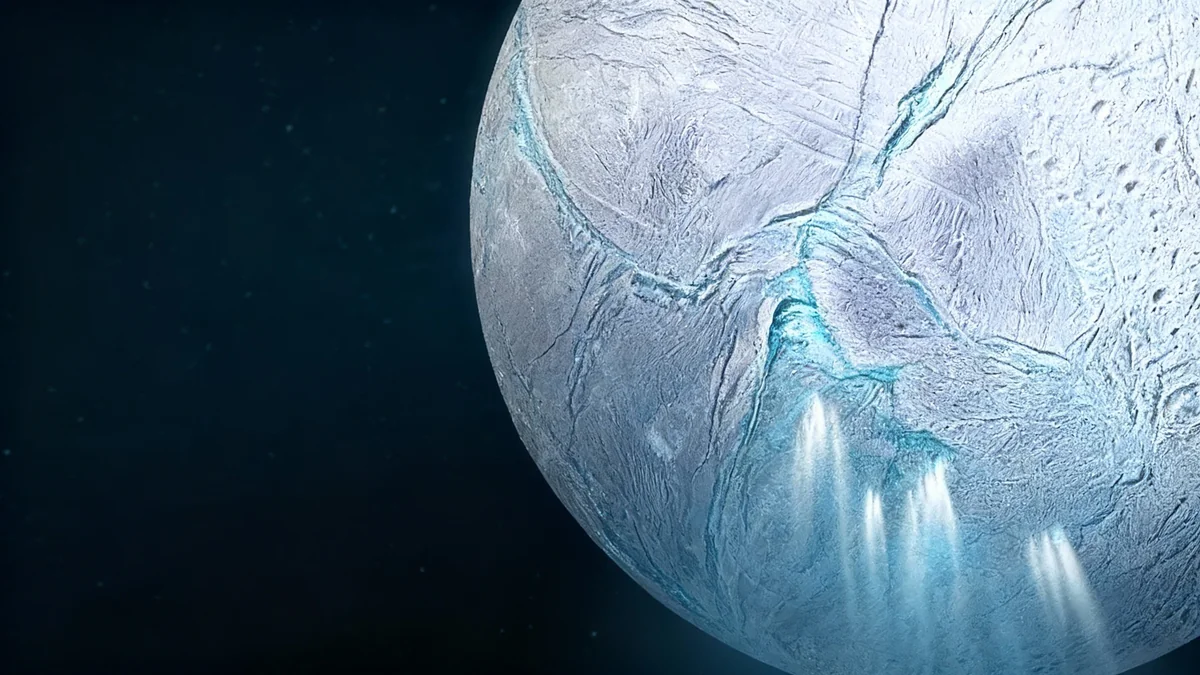
Scientists analyzing archived NASA Cassini data have discovered new, complex organic molecules in plumes from Saturn's moon Enceladus, hinting at advanced chemistry.
New studies offer conflicting origins for organic molecules on Saturn's moon Enceladus, with one suggesting space radiation and another pointing to its deep ocean.
Scientists re-analyzing data from NASA's Cassini mission have found new complex organic molecules in the water plumes of Saturn's moon Enceladus.
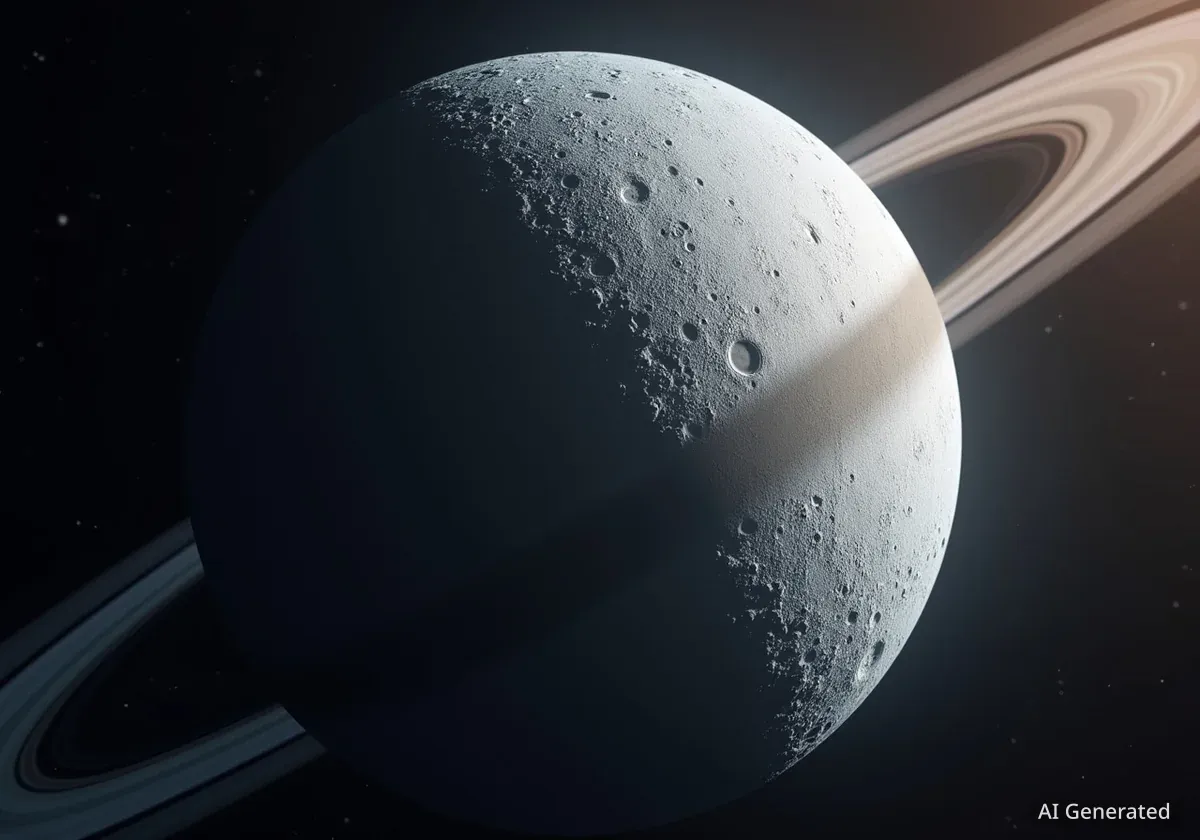
New research suggests Saturn's moon Mimas may have a young, subsurface ocean hidden beneath its icy, cratered surface, challenging previous assumptions.
A new analysis of data from NASA's Cassini mission reveals complex organic molecules in plumes from Saturn's moon Enceladus, boosting its potential for life.
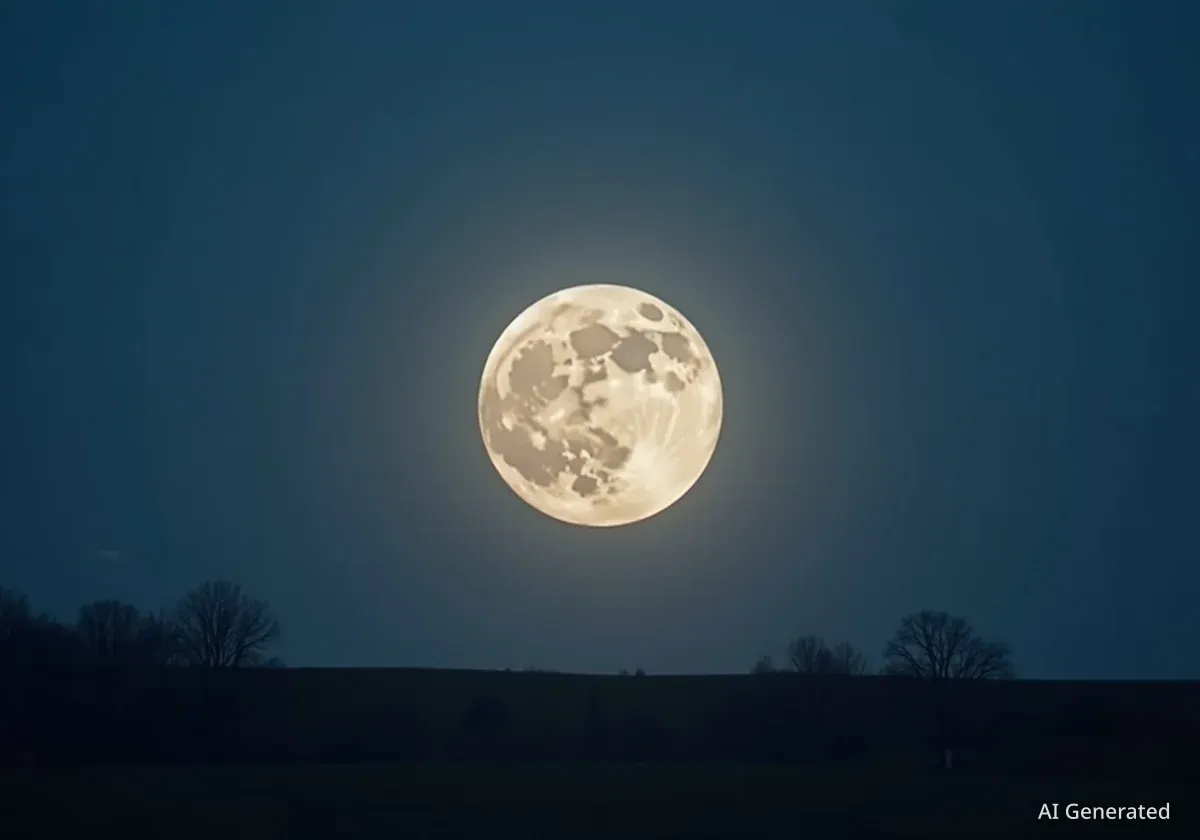
The first supermoon of 2025, known as the Harvest Moon, will be visible on the evening of October 6, appearing larger and brighter in the night sky.
New supercomputer models based on NASA's Cassini data reveal that Saturn's moon Enceladus loses 20-40% less ice through its geysers than previously thought.
The European Space Agency is planning an ambitious orbiter and lander mission to Saturn's moon Enceladus, aiming to search for life in its subsurface ocean.
The James Webb Space Telescope has discovered unexpected and unexplained features in Saturn's upper atmosphere, including dark 'beads' and a lopsided star pattern.
The James Webb Space Telescope has discovered unexplained dark, bead-like structures and a star pattern in Saturn's upper atmosphere above its north pole hexagon.