Betelgeuse Has a Hidden Companion Star, Scientists Confirm
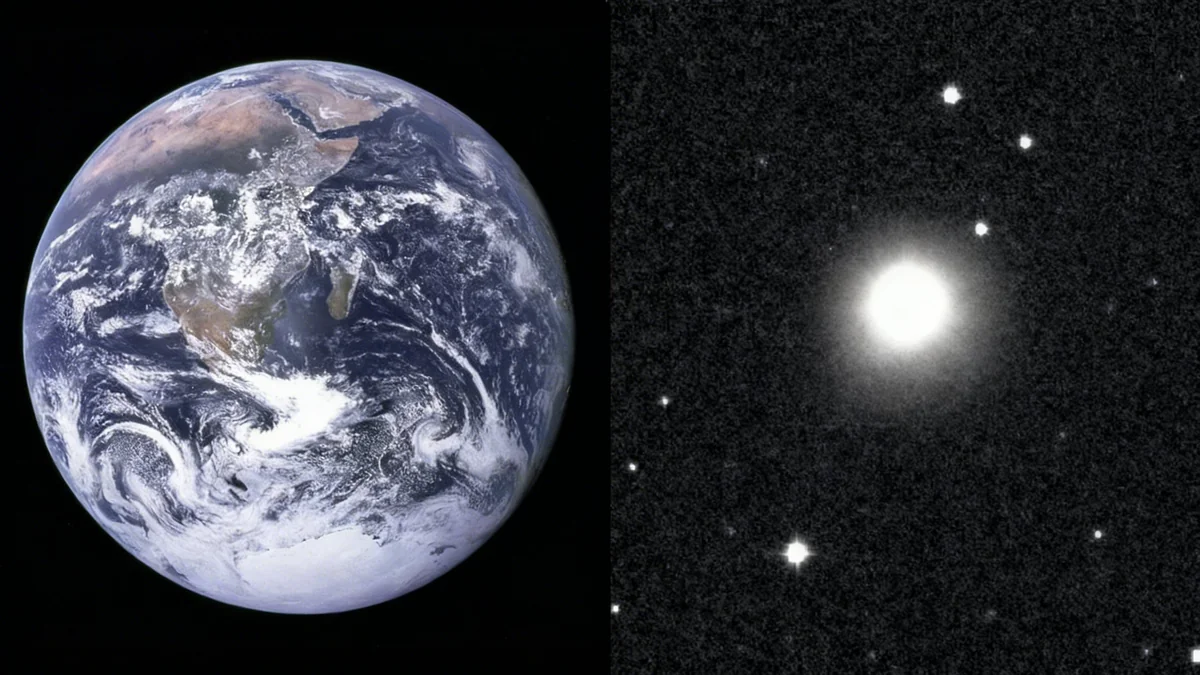
Scientists have confirmed that the red supergiant Betelgeuse has a hidden companion star, solving the long-standing mystery of its periodic dimming.
89 articles tagged

Scientists have confirmed that the red supergiant Betelgeuse has a hidden companion star, solving the long-standing mystery of its periodic dimming.

A mouse that spent two weeks in orbit has successfully given birth after returning to Earth, a key development for scientists studying the viability of long-term space habitation.

The 2026 Quadrantid meteor shower, one of the year's best, is expected to be a major disappointment due to a daylight peak and an interfering full moon.

Located 2,700 light-years away, the stellar nursery NGC 2264 offers a detailed look at star formation, featuring the famous Christmas Tree cluster and Cone Nebula.

The European Space Agency's Euclid telescope has delivered a stunning new image of spiral galaxy NGC 646, showcasing its mission to map the dark universe.

Interstellar comet 3I/ATLAS is making its final close approach to Earth on Dec. 19, offering scientists a rare chance to study an object from outside our solar system.

Astronomers report an unprecedented cosmic explosion, a gamma-ray burst (GRB 250702B) that lasted over seven hours, challenging existing models.

Two Australian PhD students developed a software fix for the James Webb Space Telescope, correcting a blur in its images and restoring its high-resolution vision.

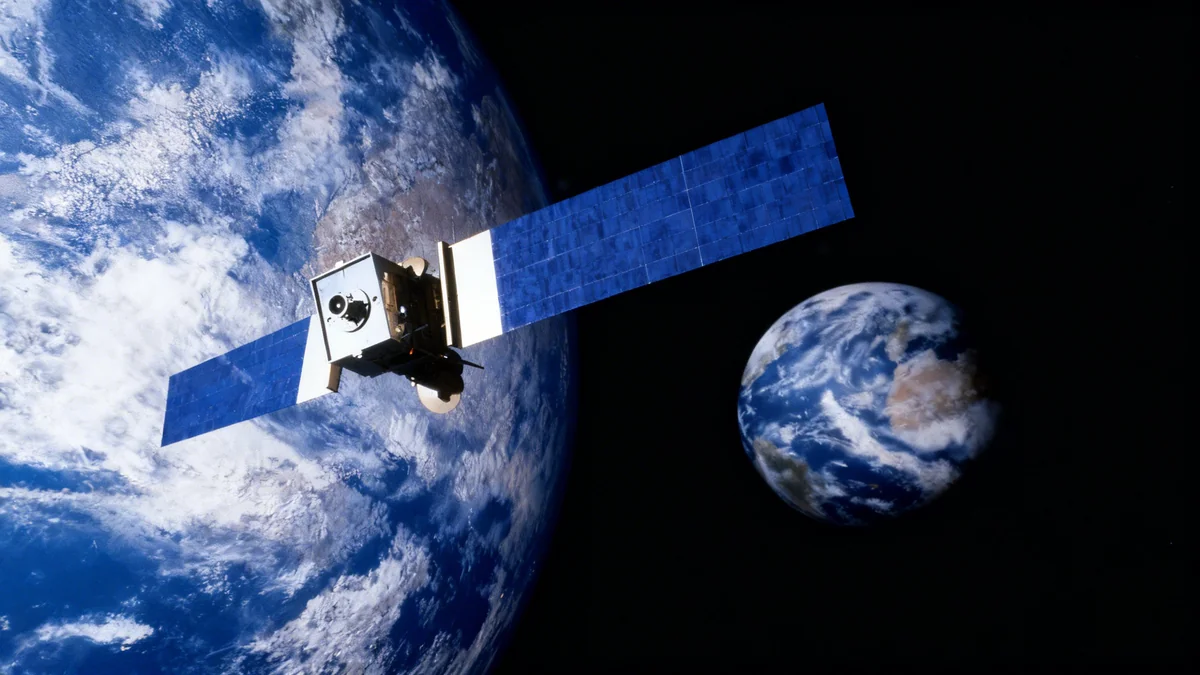
A new report reveals a surge in cyberattacks on space systems, with over 237 incidents linked to armed conflicts between 2023 and 2025, signaling a new era of digital warfare.

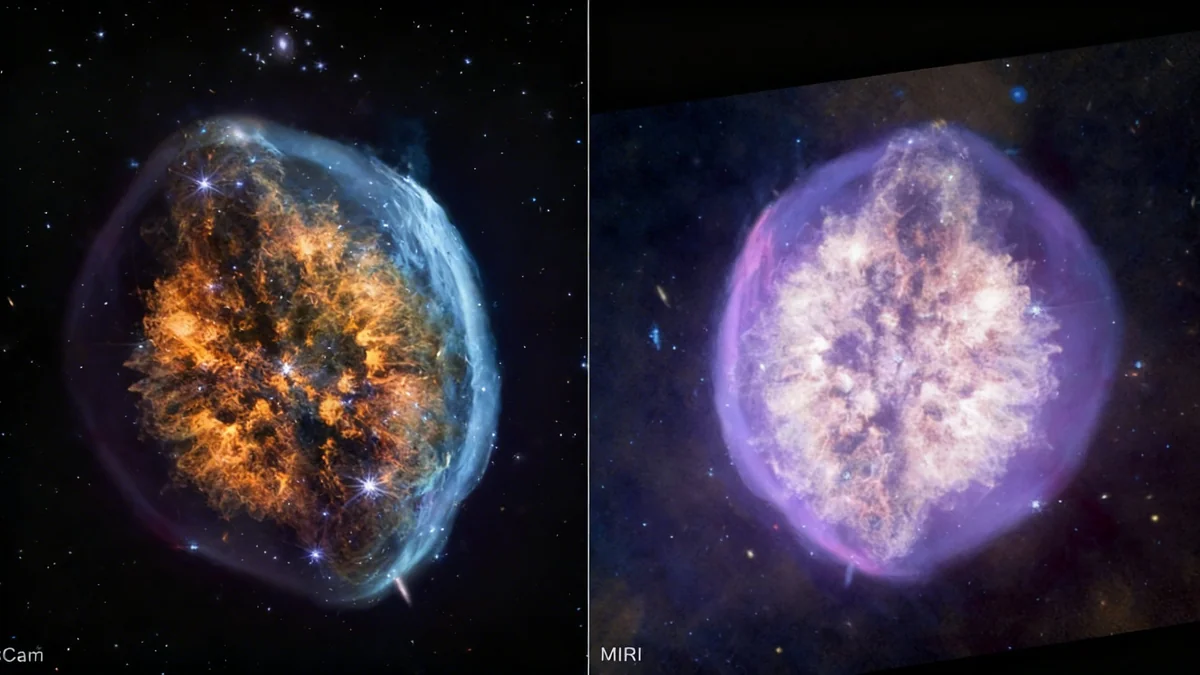
For the first time, scientists have observed the true shape of a supernova's initial blast, revealing it is elongated and not a perfect sphere as long believed.

Scientists are targeting the nearby Eta Cassiopeiae binary star system in the search for life, precisely because it lacks disruptive giant planets.

A common moss species has survived a full year exposed to the vacuum and radiation of space outside the ISS, with over 80% of its spores remaining viable.