
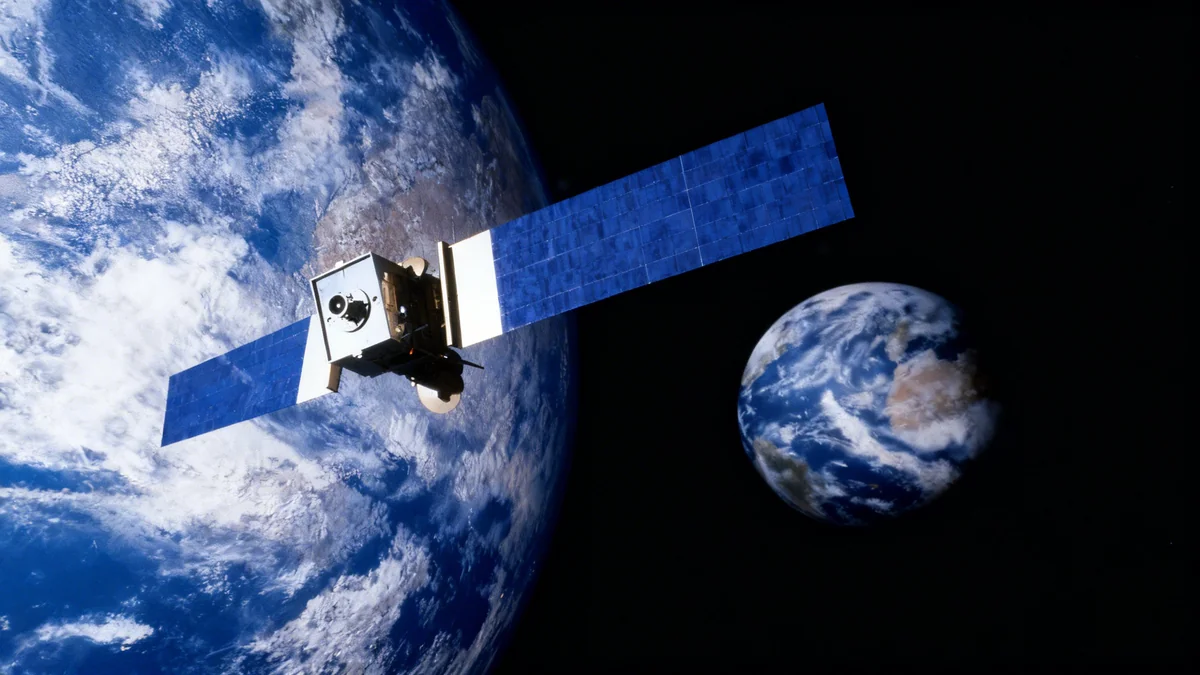

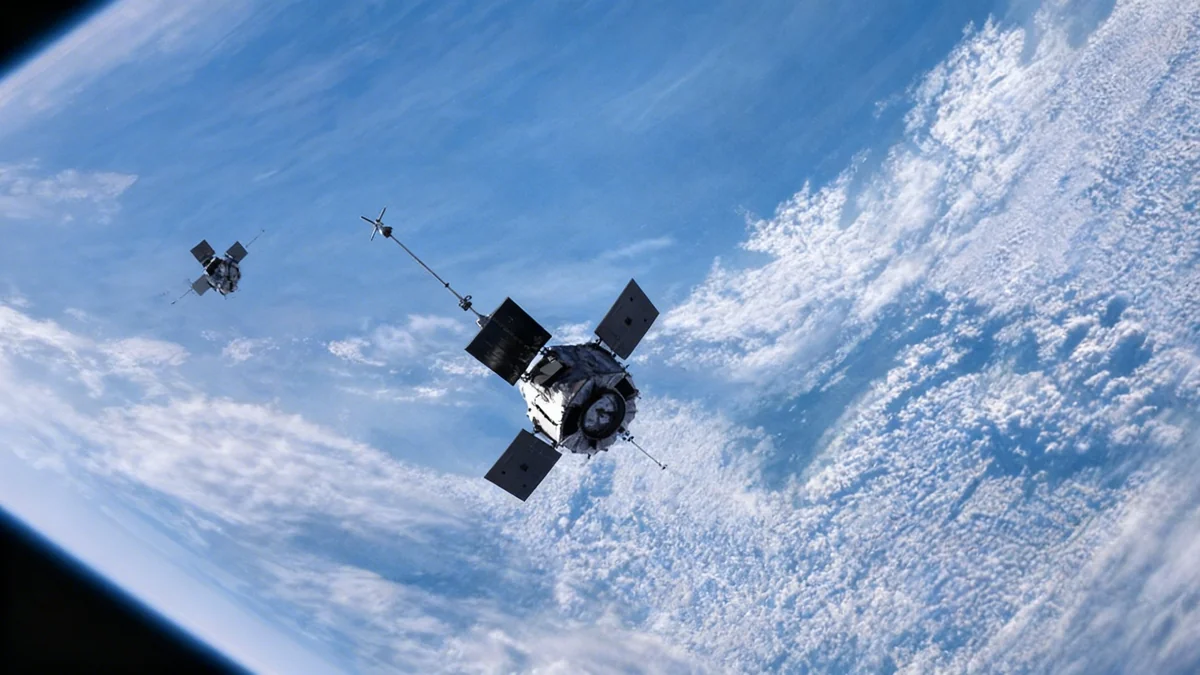

Researchers at the University of Manchester have developed a new modeling system designed to reduce the growing risk of satellite collisions in Earth's congested orbits. The innovative tool helps mission planners balance performance needs with orbital safety, addressing a critical challenge for the future of space exploration and observation.
With nearly 12,000 active satellites currently orbiting our planet and thousands more planned for launch, the new framework provides a way to assess collision dangers much earlier in the design process. This could prove vital for ensuring the long-term sustainability of space operations.
Key Takeaways
- University of Manchester researchers created a tool to predict and mitigate satellite collision risks.
- The system links mission goals, such as image resolution, with the safety of different orbital altitudes and satellite sizes.
- It addresses the "space sustainability paradox," where using satellites for Earth's benefit could harm the space environment.
- The research highlights that larger satellites in higher orbits, while fewer in number, carry a greater individual collision risk.
A Crowded Sky Problem
The space surrounding Earth is becoming increasingly busy. The number of active satellites has surged, driven by demand for services ranging from global communications to detailed Earth observation. This influx has created a complex traffic management problem where the risk of collision is a constant and growing threat.
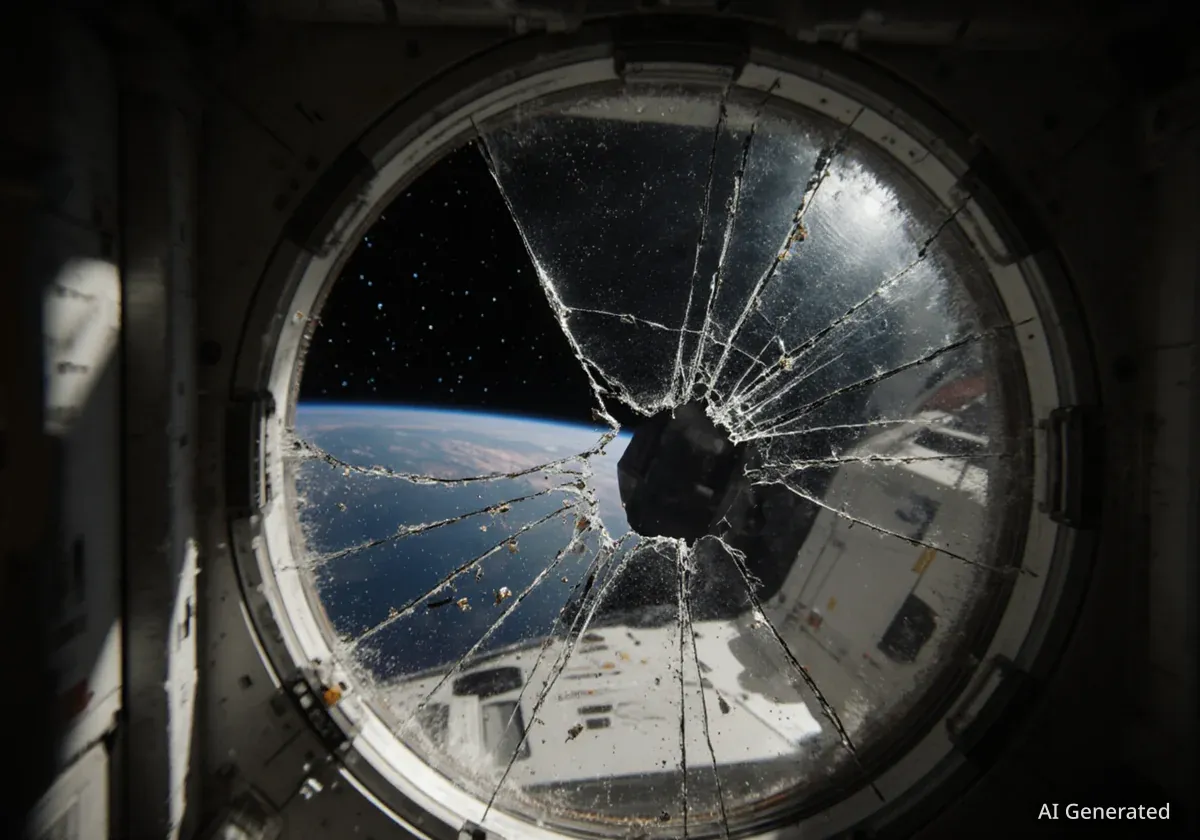
Each collision can generate thousands of pieces of space debris, which travel at high speeds and can cause catastrophic damage to other operational satellites. This creates a chain reaction that could one day render certain orbits unusable.
The Rise of Orbital Debris
Space debris, or "space junk," consists of everything from defunct satellites and spent rocket stages to tiny fragments from past collisions. Traveling at speeds up to 17,500 mph (28,000 kph), even a small paint chip can disable a functioning satellite. Managing this debris is one of the most significant challenges facing the modern space industry.
How the New System Works
The framework developed in Manchester offers a proactive solution. Traditionally, mission designers focused on performance requirements—like the number of satellites needed for global coverage or the quality of images required—separately from orbital safety analysis. This new tool integrates these two critical aspects from the very beginning.
By inputting mission parameters, designers can immediately see the associated collision risks. For example, the system can model the trade-offs between deploying a large constellation of small satellites in a low orbit versus a smaller number of large satellites in a higher orbit.
Dr. Ciara McGrath of the University of Manchester stated that the tool will help keep space "usable for future generations."
This integrated approach allows for more informed decisions, helping to design missions that are not only effective but also responsible stewards of the orbital environment.
Balancing Performance and Safety
The research uncovered key relationships between satellite design and orbital risk. One significant finding is the impact of satellite size. The study confirmed that the physical size of a satellite is a major factor in its probability of being involved in a collision.
Furthermore, the team analyzed the dynamics of different orbital strategies. While higher orbits often require fewer satellites to achieve the same Earth coverage, these satellites are typically much larger and more complex. The study found that these larger satellites carry a greater individual collision risk, a crucial factor for mission planners to consider.
Key Statistic
There are currently 11,800 active satellites in orbit, a number that is expected to increase dramatically in the coming years, intensifying the need for advanced collision avoidance systems.
The Space Sustainability Paradox
Many of the satellites being launched today are designed for Earth observation, providing critical data to support the United Nations' Sustainable Development Goals (SDGs). They monitor deforestation, track urban development, manage disaster response, and study climate change.
However, this reliance on space technology creates a potential conflict. Lead author John Mackintosh, a PhD researcher at the university, described this as the "space sustainability paradox."
"Our research addresses what is described as a 'space sustainability paradox', the risk that using satellites to solve environmental and social challenges on Earth could ultimately undermine the long-term sustainability of space itself," Mackintosh explained.
The new tool is a direct response to this paradox. By enabling the design of safer satellite missions, it helps ensure that the use of space to solve problems on Earth does not inadvertently create a lasting problem in orbit. This work represents a significant step toward a more sustainable and secure future for all space-based activities.