


Scientists have established a direct link between the uncontrolled re-entry of a SpaceX Falcon 9 rocket and a significant spike in metallic pollution in Earth's upper atmosphere. The findings, which followed a dramatic fireball event over Europe in February 2025, provide the first concrete evidence connecting a specific piece of space debris to atmospheric contamination.
The research raises new questions about the environmental impact of the rapidly growing satellite industry and the increasing frequency of rocket launches and re-entries.
Key Takeaways
- A failed SpaceX Falcon 9 rocket re-entry in February 2025 was directly tied to a plume of lithium detected 100km above Earth.
- Atmospheric lithium levels increased tenfold following the event, a significant rise compared to natural levels from meteoroids.
- Scientists express concern over the long-term effects of metals like aluminum on the ozone layer and climate.
- The event highlights growing concerns about space debris pollution as companies plan massive satellite constellations.
A Fiery Re-entry and a Scientific Opportunity
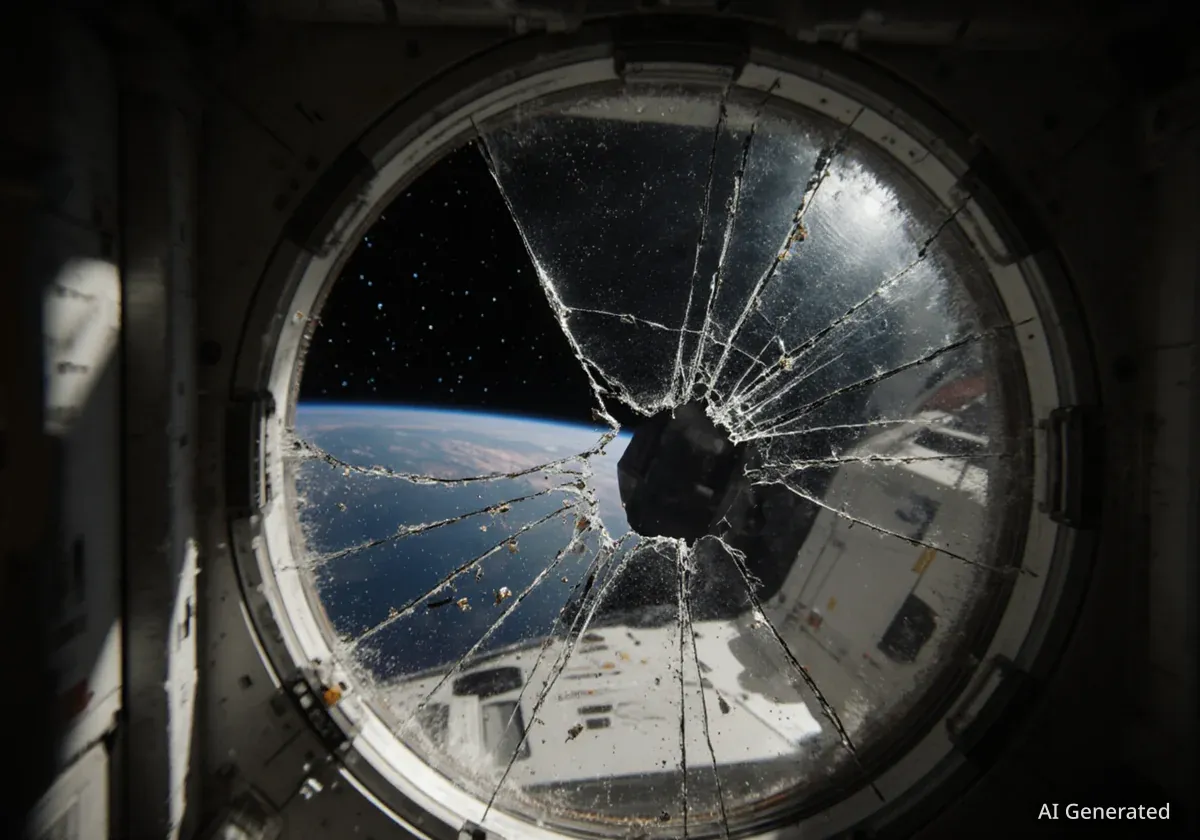
On February 19, 2025, a SpaceX Falcon 9 rocket component failed to de-orbit as planned, resulting in an uncontrolled descent through the atmosphere. The event created spectacular fireballs witnessed over Ireland, England, and Germany before a large fragment, measuring approximately 1.5 by 1 meter, was discovered behind a warehouse in Komorniki, Poland.
For a team of researchers at the Leibniz Institute of Atmospheric Physics in Germany, the public spectacle presented a unique scientific opportunity. The team, led by Professor Robin Wing, was already studying atmospheric pollution from space debris.
"We saw the news that this rocket had crashed into Poland. It had flown almost directly over us, and we thought, 'oh, this is a great chance,'" explained Professor Wing. His team was perfectly positioned to measure the fallout.
Measuring the Contamination
Using a powerful ground-based Lidar laser system, the scientists scanned the upper atmosphere in the hours and days following the rocket's disintegration. The laser is designed to detect specific metal atoms suspended at high altitudes.
A Massive Spike in Lithium
The data revealed that the concentration of lithium at an altitude of around 100 kilometers had increased by a factor of 10. A single Falcon 9 rocket stage is estimated to contain about 30 kilograms of lithium in its aluminum alloy structure, whereas the atmosphere naturally receives only 50 to 80 grams of lithium per day from tiny meteors.
Working in collaboration with Professor John Plane from the University of Leeds, the team confirmed the measurements. This is the first time a specific debris re-entry event has been conclusively linked to a measured increase in atmospheric metal pollutants.
The Unknown Risks of Space Pollution
While the immediate effects on human health are negligible, scientists are concerned about the long-term consequences of accumulating metallic particles in the delicate upper atmosphere. These particles could have unforeseen effects on atmospheric chemistry and climate.
"Our largest concern is aluminium and aluminium oxides interacting with the ozone layer," Professor Wing stated. He noted that the full impact is still unknown, calling it "a new scientific field."
Professor Wing drew a parallel to the discovery of the damage caused by chlorofluorocarbons (CFCs) from refrigerators and aerosol cans, which led to a hole in the ozone layer last century. "I hope that if we start our measurements now, perhaps we can get ahead of the curve and identify any potential problems before they become serious," he added.
A Crowded Sky
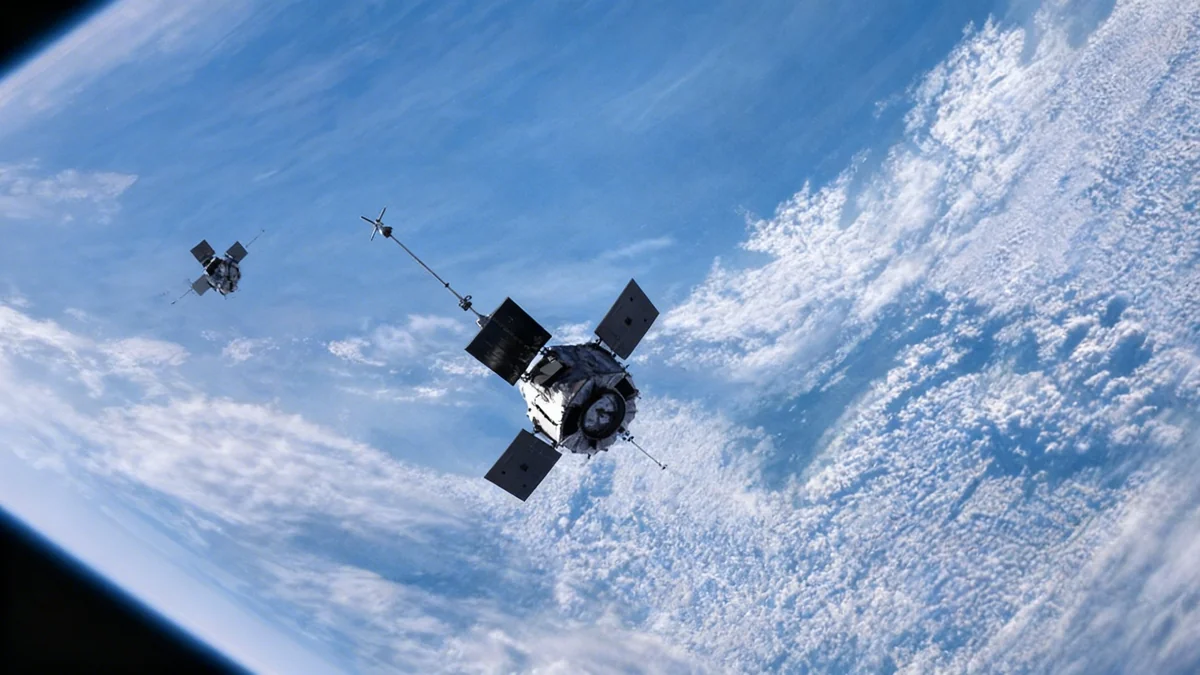
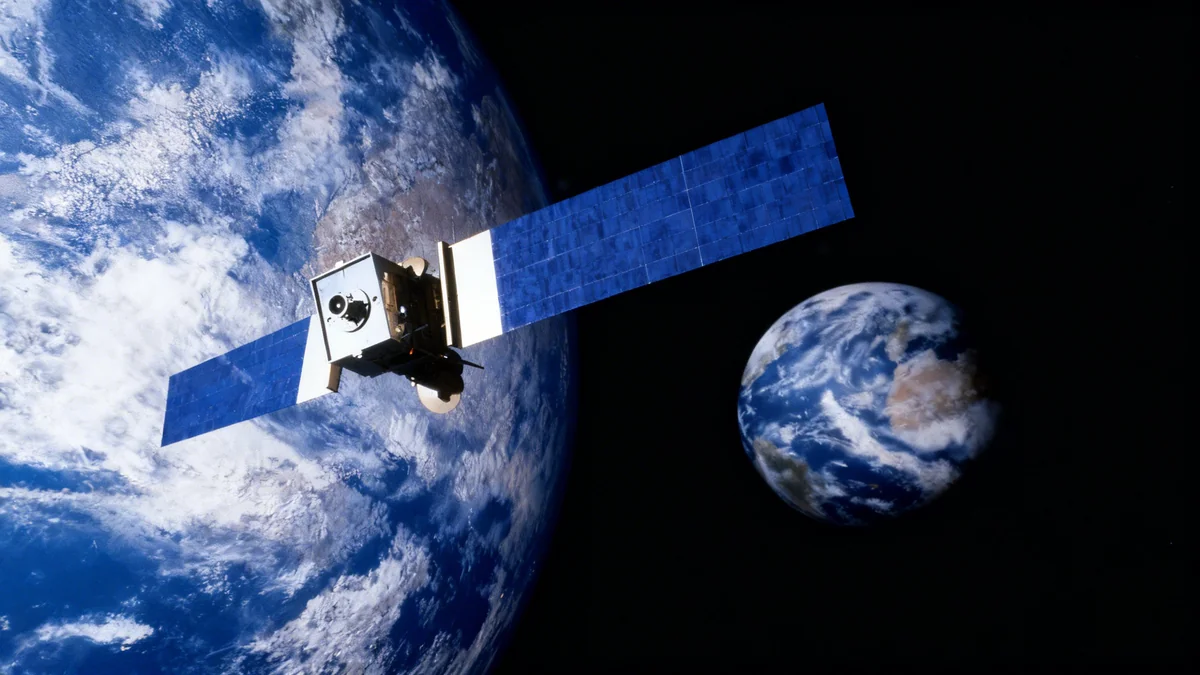
The problem is set to grow. Nearly 30,000 pieces of large space debris are currently tracked in orbit. SpaceX, the world's leading rocket launch provider, operates a network of over 10,000 Starlink satellites and recently applied to launch up to one million more to support space-based AI data centers.
As the number of satellites multiplies, so will the number of rocket bodies and defunct satellites falling back to Earth. Earlier studies have already suggested that up to 10% of aerosols in the upper atmosphere are contaminated with metallic particles from vaporized space hardware.
Calls for Stronger Regulation
The findings, published in the journal Communications Earth & Environment, are amplifying calls from the scientific community for greater regulation of the space industry. Researchers from NASA and several universities have urged the United Nations to include the protection of Earth's orbit in its sustainable development goals.
Experts argue that current international space treaties are outdated and ill-equipped to handle the challenges posed by modern commercial spaceflight.
"Space regulations don't cover the new problems emerging - interference with astronomical observations, risk of collision in orbit, risk of stuff falling on our heads, and now it is becoming clear, atmospheric pollution," said Andy Lawrence, a Professor of Astronomy at the University of Edinburgh.
He noted the difficulty in keeping pace with the industry's rapid expansion. "The international community is working hard trying to set standards and new regulations, but space commerce is changing faster than we can keep up," he added. SpaceX did not respond to requests for comment on the study's findings.