

The region of space surrounding Earth is becoming increasingly congested, creating a hazardous environment for satellites essential to modern life. A dramatic surge in satellite launches, particularly for global broadband internet, is raising the risk of collisions and threatening the long-term viability of space operations.
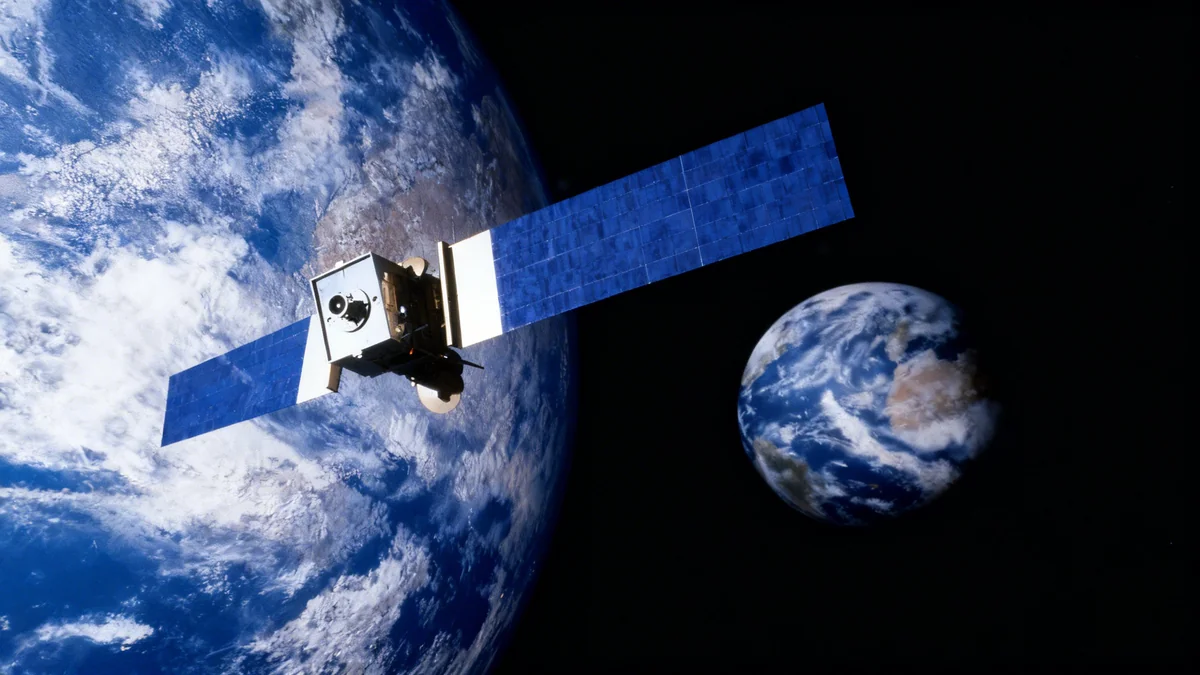
Experts warn that without immediate and coordinated international action, critical services like GPS navigation, weather forecasting, and global communications could be jeopardized. The growing field of space debris poses a cascading threat, where one collision could trigger a chain reaction that renders entire orbits unusable for generations.
Key Takeaways
- The number of operational satellites is expected to increase radically, driven by commercial megaconstellations for broadband services.
- This rapid growth significantly elevates the risk of in-orbit collisions, spectrum interference, and the creation of more space debris.
- New technologies, including AI-driven collision avoidance and advanced debris tracking, are being developed to mitigate risks.
- A global consensus on space traffic management, debris removal, and sustainable design is urgently needed, but progress is slow.
The New Space Race and Its Consequences
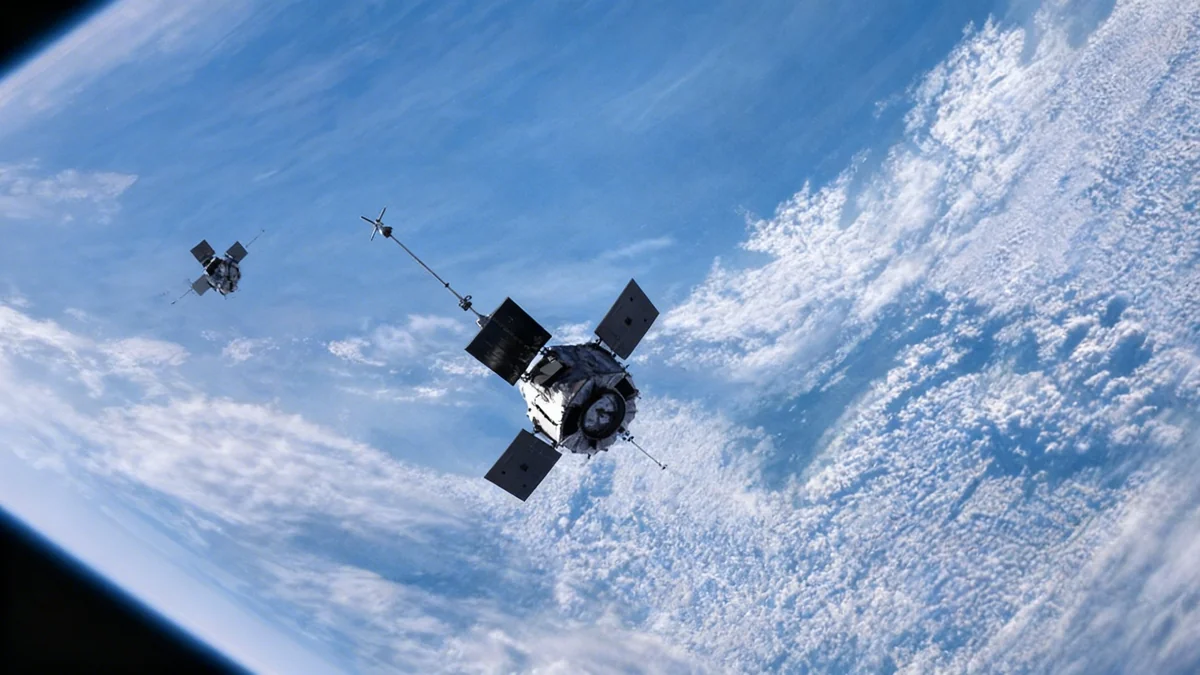
The sky above us is no longer a vast, empty expanse. It is a bustling highway of technology, and traffic is growing at an unprecedented rate. The primary driver of this orbital boom is the deployment of satellite megaconstellations by commercial companies aiming to provide global internet coverage.
While these initiatives promise to connect underserved regions and boost economic growth, they are also filling Low Earth Orbit (LEO) with thousands of new objects. This rapid expansion is creating a complex challenge: how to manage the traffic to prevent catastrophic collisions.
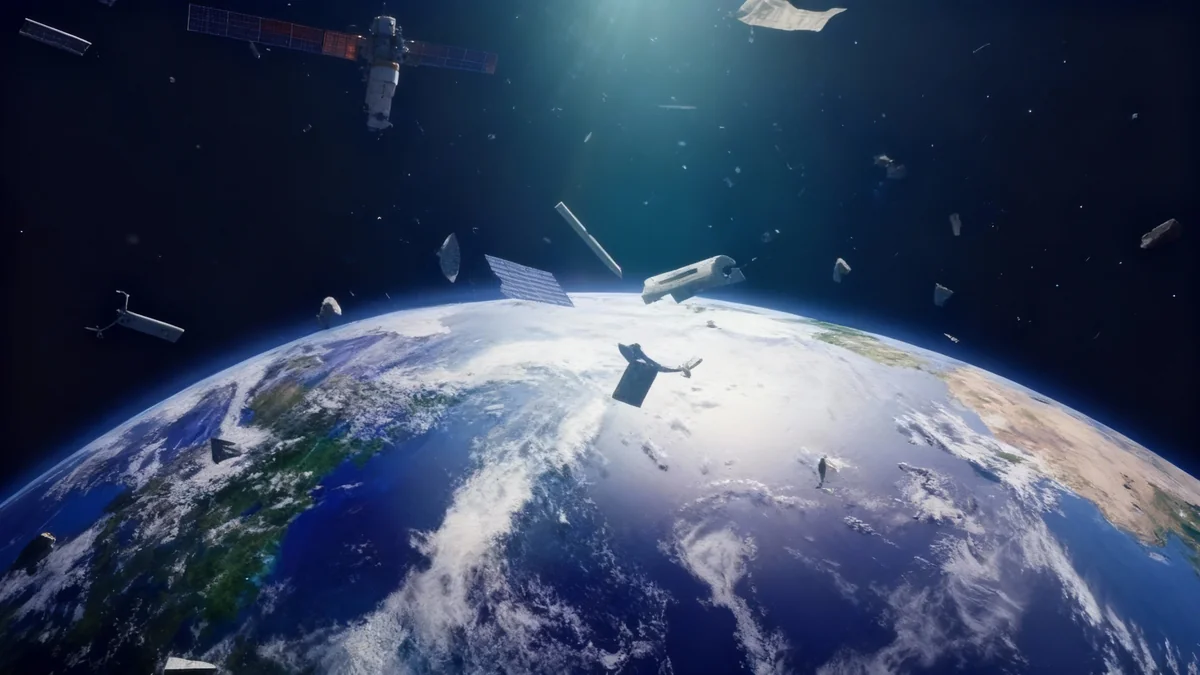
Each new satellite adds to the statistical probability of a collision, not just with other active satellites but also with the millions of pieces of existing space junk—defunct satellites, spent rocket stages, and fragments from past collisions—already circling the planet at incredible speeds.
A Crowded Sky
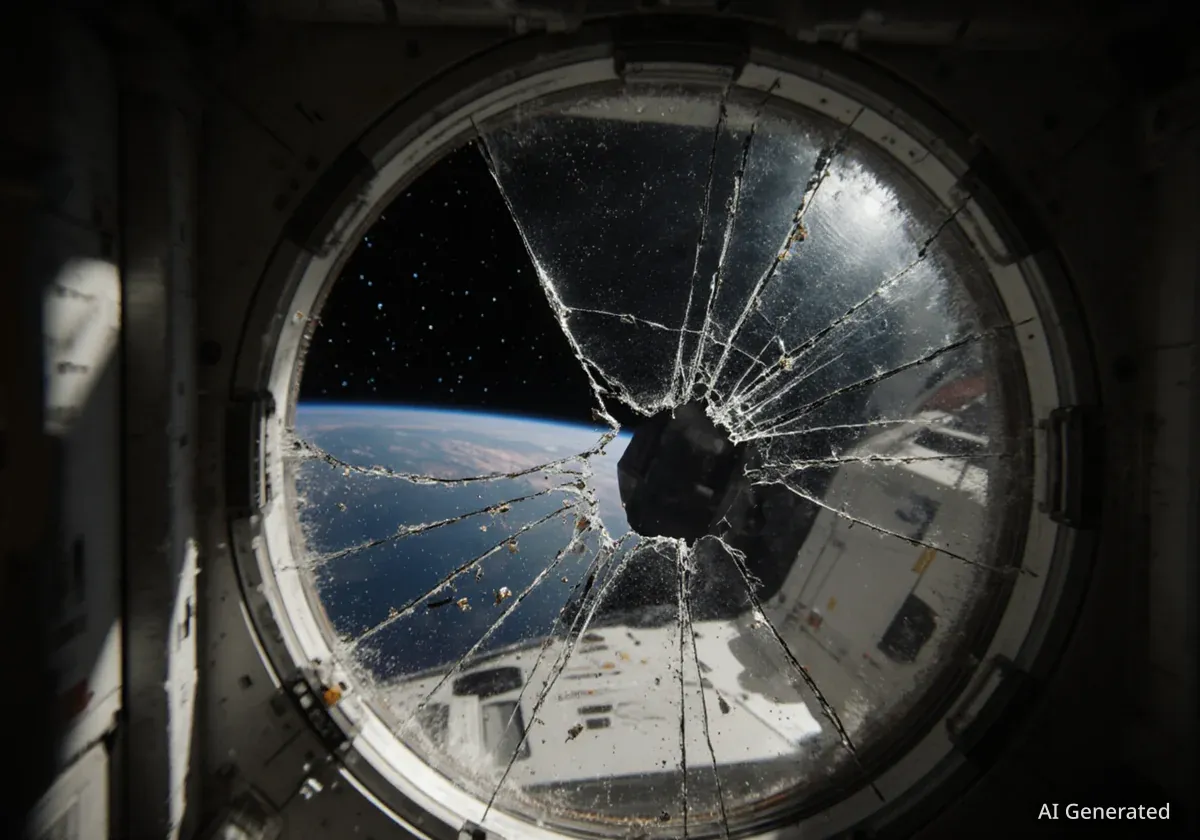
Low Earth Orbit, the region up to 2,000 kilometers above Earth, is the most congested area. Satellites and debris in LEO travel at speeds of up to 28,000 kilometers per hour (17,500 mph), making even a small fragment capable of causing catastrophic damage to an operational satellite.
Technology's Double-Edged Sword
As the problem of orbital congestion grows, so does the technology to address it. Significant advancements are being made in space situational awareness (SSA), the ability to track and predict the movement of objects in orbit.
Enhanced ground-based radar systems and new in-orbit sensors are improving our catalogue of space debris, allowing for more accurate tracking of smaller, previously undetectable objects. Alongside this, artificial intelligence is emerging as a critical tool.
AI-powered software can analyze vast amounts of tracking data to predict potential collisions and automate avoidance maneuvers for satellites, reducing the reliance on human operators. However, these systems also require radio spectrum to function, adding another layer of complexity to international coordination.
The Promise of Active Debris Removal
While avoiding new collisions is crucial, the long-term solution requires cleaning up the mess that is already there. Several pioneering missions are testing technologies for Active Debris Removal (ADR).
Companies like Astroscale and ClearSpace are developing spacecraft designed to rendezvous with, capture, and safely deorbit large pieces of debris. These missions are technically complex and expensive, but they represent a vital step toward a sustainable space environment.
"Relying on voluntary practices may not solve challenges that will only become more complicated to address as the number of space objects keeps increasing," said Agostinho Linhares, executive director of the Instituto de Pesquisa para Economia Digital (IPE Digital) in Brazil.
Experts agree that for ADR to become viable on a large scale, governments and industry must collaborate to fund these missions and create a commercial market for debris removal services.
A Call for Global Governance
Technology alone cannot solve a problem rooted in human activity and international policy. Space has no borders, and a sustainable solution requires a unified global response. However, existing international treaties governing space were written for a much simpler era and are ill-equipped to handle the complexities of today's commercialized, crowded environment.
Outdated Frameworks
The foundational Outer Space Treaty of 1967 established space as a global commons but lacks specific, enforceable rules for space traffic management, debris mitigation, and liability for collisions. The pace of technological and commercial development in space has far outstripped the speed of international diplomacy.
There is a growing call for a new regulatory framework that addresses several key areas:
- Space Traffic Management: A system, similar to air traffic control, to coordinate the movement of all satellites and prevent collisions.
- Liability and Accountability: Clear and enforceable rules to hold operators accountable for creating debris or acting negligently in orbit.
- Equitable Access: Ensuring that orbital and spectrum resources do not become oligopolies controlled by a few large players, thereby blocking access for new countries and companies.
- Sustainability by Design: Mandating that all new spacecraft are designed for their entire lifecycle, including features for controlled deorbiting at the end of their mission.
The Path Forward: Collaboration or Chaos
The future of humanity's activity in space is at a critical juncture. The decisions made in the coming years will determine whether LEO remains a valuable resource for all or becomes an inaccessible minefield of high-velocity junk.
Achieving consensus is difficult, especially in a climate of geopolitical tension. Yet, the shared nature of the threat demands it. New actors, including industry groups and non-governmental organizations, are stepping in to propose technical standards and best practices, filling the void left by slow-moving international bodies.
An open dialogue between satellite operators, governments, scientists, and regulators is essential. The challenge is to transform this dialogue into tangible, enforceable actions that protect this critical domain for future generations. The cost of failure is not just financial; it is the potential loss of a resource that has become indispensable to our modern world.