

A dramatic surge in satellite deployment proposals is pushing low Earth orbit towards an unprecedented crisis, threatening the night sky, scientific research, and orbital safety. With proposals for over a million new satellites in development, experts warn that without immediate regulatory changes, the view of the stars that humanity has known for millennia could be permanently altered.
As of early 2026, approximately 14,000 active satellites orbit our planet. However, pending applications, including a recent filing from SpaceX for up to one million satellites to power space-based data centers, could increase that number exponentially. This industrialization of space is happening faster than international law and environmental oversight can keep up, creating significant blind spots for cultural and atmospheric impacts.
Key Takeaways
- Over 1.23 million new satellites are currently proposed for low Earth orbit, a massive increase from the 14,000 active today.
- Increased satellite traffic is causing significant light pollution, with projections suggesting 1 in 15 points of light in the night sky could soon be a satellite.
- Current regulations focus on technical aspects like radio frequencies, largely ignoring environmental, cultural, and cumulative impacts.
- Experts are calling for a "Dark Skies Impact Assessment" to create a comprehensive regulatory framework before irreversible changes occur.
A Sky Filled With Streaks
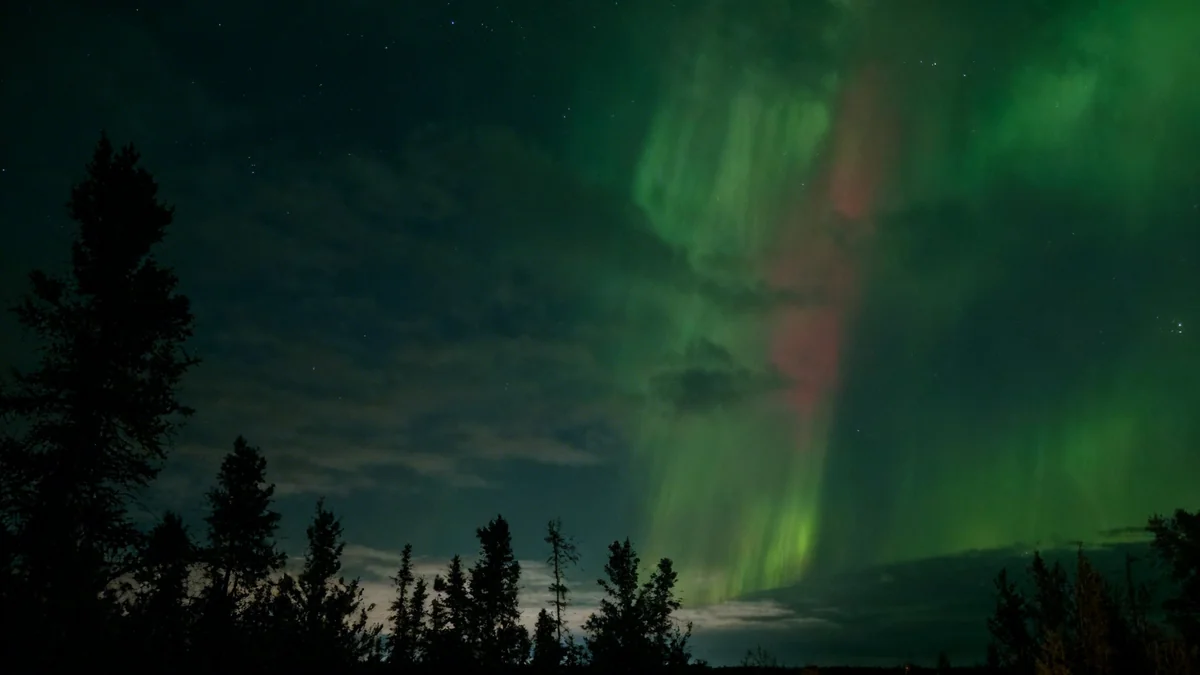
The fundamental experience of looking up at the night sky is changing. Satellites in low Earth orbit, operating between 500 and 2,000 kilometers high, catch and reflect sunlight for hours after sunset and before sunrise. Despite efforts by companies to reduce their brightness, these large, truck-sized objects appear as moving points of light, streaking across constellations.
Astronomers first raised the alarm, noting that these reflections interfere with sensitive telescopes, disrupting crucial scientific observations. Projections made in 2021, which only accounted for 65,000 proposed satellites, estimated that within a decade, one in every fifteen points of light in the night sky would be an artificial satellite. With proposals now exceeding one million, that ratio is set to become far more dramatic.
This phenomenon is creating what scientists call a “shifting baseline syndrome.” Each new generation grows up accepting a more crowded, artificially lit sky as normal. For the first time in human history, children born today will not experience the same pristine night sky that has inspired art, science, and spirituality for countless generations.
What is a Megaconstellation?
A satellite megaconstellation is a network of hundreds or thousands of interconnected satellites that work together to provide a service, such as global internet coverage or data processing. Companies design them for constant replenishment, with individual satellites having short lifecycles of about five years, ensuring a permanent industrial presence in orbit.
The Growing Risk of Orbital Gridlock
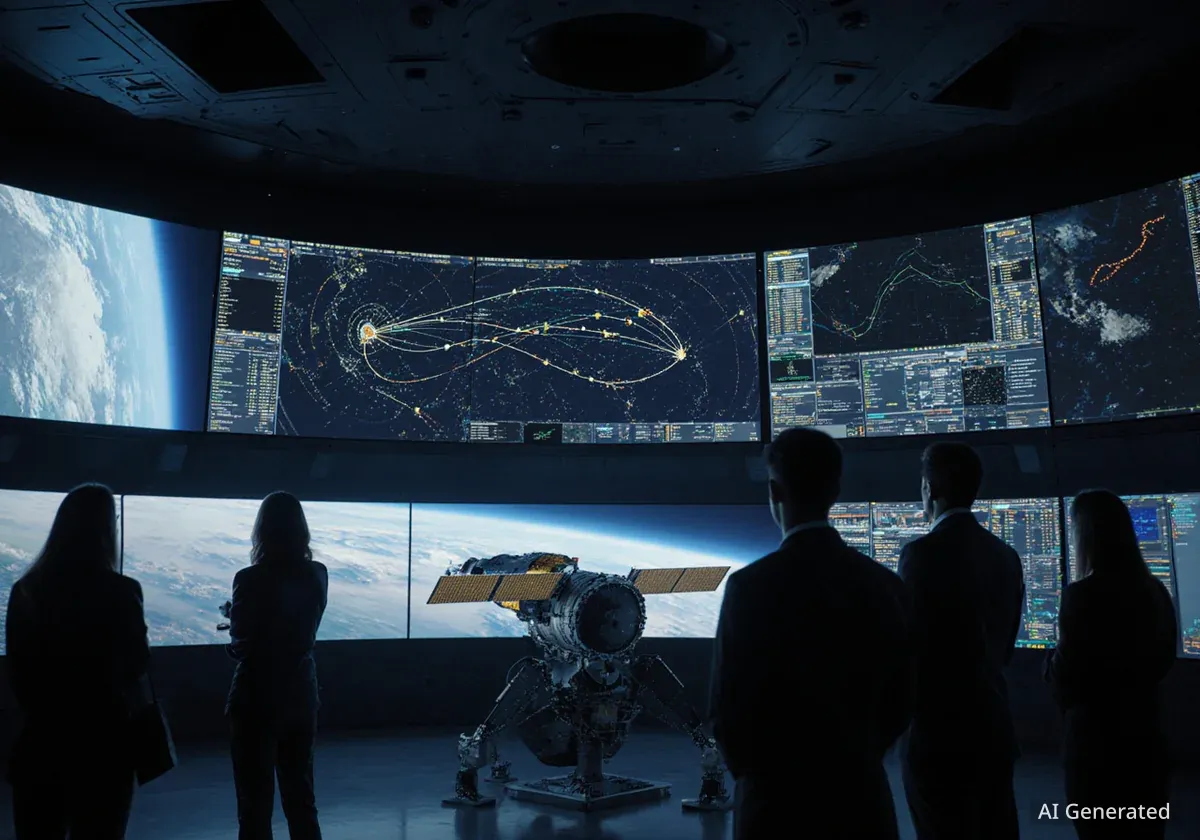
Beyond the visual impact, the sheer volume of objects in orbit presents a serious logistical and safety challenge. There is currently no unified space traffic management system comparable to the air traffic control that governs aviation. This lack of coordination dramatically increases the risk of collisions.
Experts are increasingly concerned about the Kessler syndrome, a theoretical scenario where the density of objects in low Earth orbit becomes so high that collisions between objects cause a cascade. Each collision would generate more space debris, which in turn increases the likelihood of further collisions, potentially rendering near-Earth space unusable for decades.
On the Brink of Collision
There are already an estimated 50,000 pieces of debris larger than ten centimeters orbiting Earth. Recent data indicates that if all active satellites were to cease their collision avoidance maneuvers, a major collision would be expected to occur, on average, every 3.8 days.
This risk is not abstract. Under international space law, nations—not private companies—are held liable for any damage caused by space objects launched from their territory. As the number of commercial satellites skyrockets, legal scholars are grappling with how to hold corporations accountable for the growing risks of property damage, injury, or even death from falling debris.
An Unseen Environmental Toll
The impact of megaconstellations extends beyond the visual and orbital realms, posing significant environmental threats both during launch and at the end of a satellite's life.
Atmospheric Damage
Launching thousands of rockets requires immense quantities of fossil fuels, which release damaging chemicals into the upper atmosphere. More concerning is the disposal plan for most low Earth orbit satellites. The standard procedure is for them to de-orbit and burn up upon re-entry.
While this prevents them from becoming permanent debris, it introduces another problem. The process deposits vast quantities of metals, such as aluminum from the satellite chassis, into the stratosphere. Scientists warn this metallic dust could have unintended consequences, including depletion of the ozone layer and other harmful chemical reactions that are not yet fully understood.
Cultural Erasure
For many Indigenous communities around the world, a clear night sky is essential for cultural continuity. It serves as a navigational tool, a calendar for hunting and agriculture, and a sacred canvas for passing down oral traditions and spiritual beliefs. The constant crisscrossing of artificial lights threatens to disrupt these longstanding practices, severing a connection to heritage that has existed for millennia.
Current regulatory frameworks, which focus on technical specifications and launch safety, have no mechanism to account for these profound cultural losses. This oversight leaves affected communities with no voice in a process that could permanently alter their cultural landscape.
Closing the Regulatory Gap
The central problem is that the rules governing space were written for a different era, one dominated by a few government actors launching a handful of satellites for scientific or military purposes. They are ill-equipped to handle the current explosion of commercial activity.
"What these regulations don’t capture is how hundreds of thousands of bright satellites change the night sky for scientific study, navigation, Indigenous teaching and ceremony, and cultural continuity," say legal experts Gregory Radisic and Natalie Gillespie, who have studied the issue extensively. "These are not traditional 'environmental' harms, nor are they technical engineering concerns. They’re cultural impacts that fall into a regulatory blind spot."
To address this, a growing number of space lawyers, astronomers, and environmental scientists are advocating for a new approach: a Dark Skies Impact Assessment. This proposed framework would require a systematic review of a satellite constellation's full impact before approval is granted.
How a Dark Skies Assessment Would Work:
- Gather Comprehensive Evidence: Input would be collected from all stakeholders, including astronomers, atmospheric scientists, cultural leaders, and the public.
- Model Cumulative Effects: The assessment would analyze the combined impact of all proposed constellations on skyglow, orbital congestion, and ground-level risk.
- Define Clear Criteria: It would establish standards for when unobstructed sky visibility is critical for science, culture, and shared human heritage.
- Mandate Mitigation: Companies would be required to explore mitigation strategies, such as reducing satellite brightness, altering orbits, and limiting the total number of satellites deployed.
- Ensure Transparency: All findings would be public, independently reviewable, and directly linked to licensing decisions.
Proponents stress that such an assessment is not designed to halt space development but to ensure it proceeds responsibly. By clarifying the trade-offs, it would empower regulators to make informed decisions and encourage companies to innovate in ways that minimize harm. Most importantly, it would give a voice to affected communities before their sky is irrevocably changed.
The question is no longer whether the night sky will change—it is already happening. The challenge now is for governments and international bodies to implement fair and comprehensive processes before those changes become permanent, ensuring that the final frontier remains a heritage for all of humanity, not just a resource for a select few.