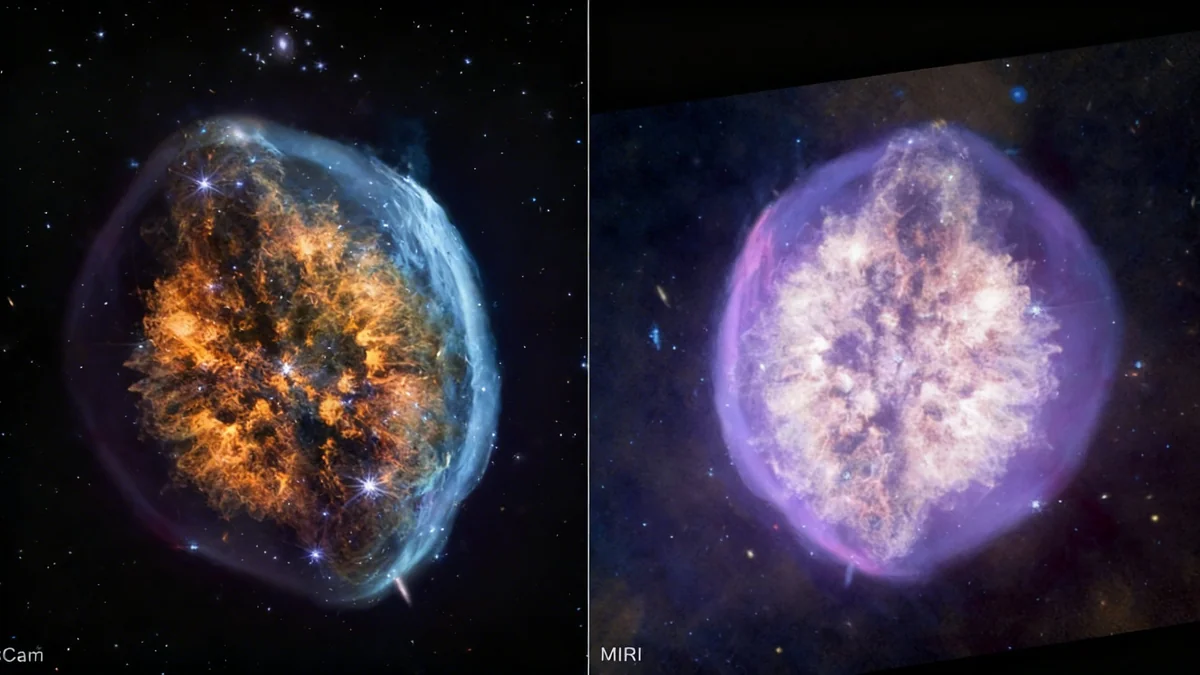
Webb Telescope Reveals Stunning Details of 'Cranium' Nebula
The James Webb Space Telescope has captured stunning new images of the “Exposed Cranium” nebula, revealing intricate details of a dying star's final moments.
44 articles tagged

The James Webb Space Telescope has captured stunning new images of the “Exposed Cranium” nebula, revealing intricate details of a dying star's final moments.

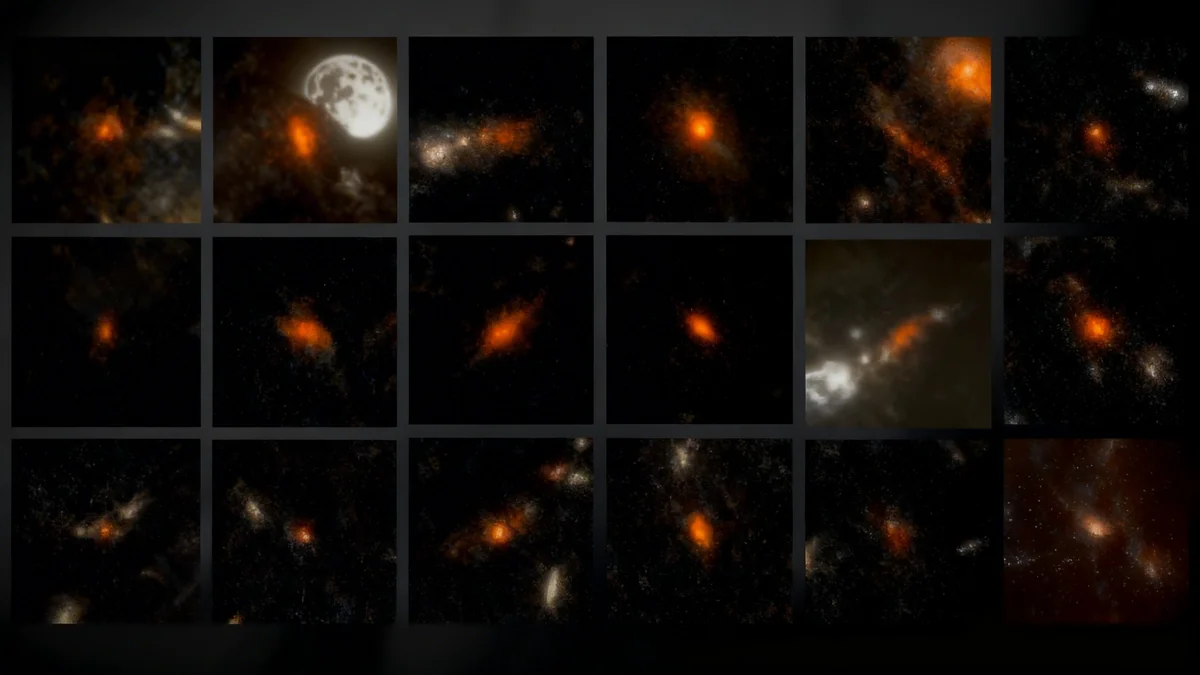
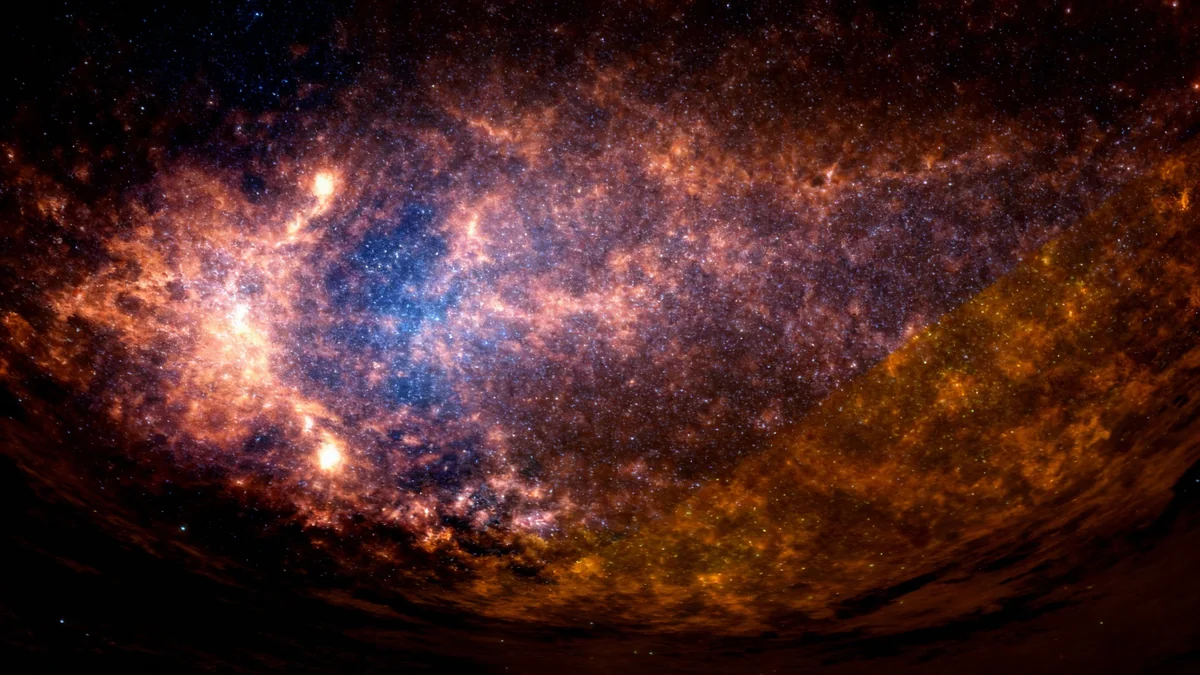
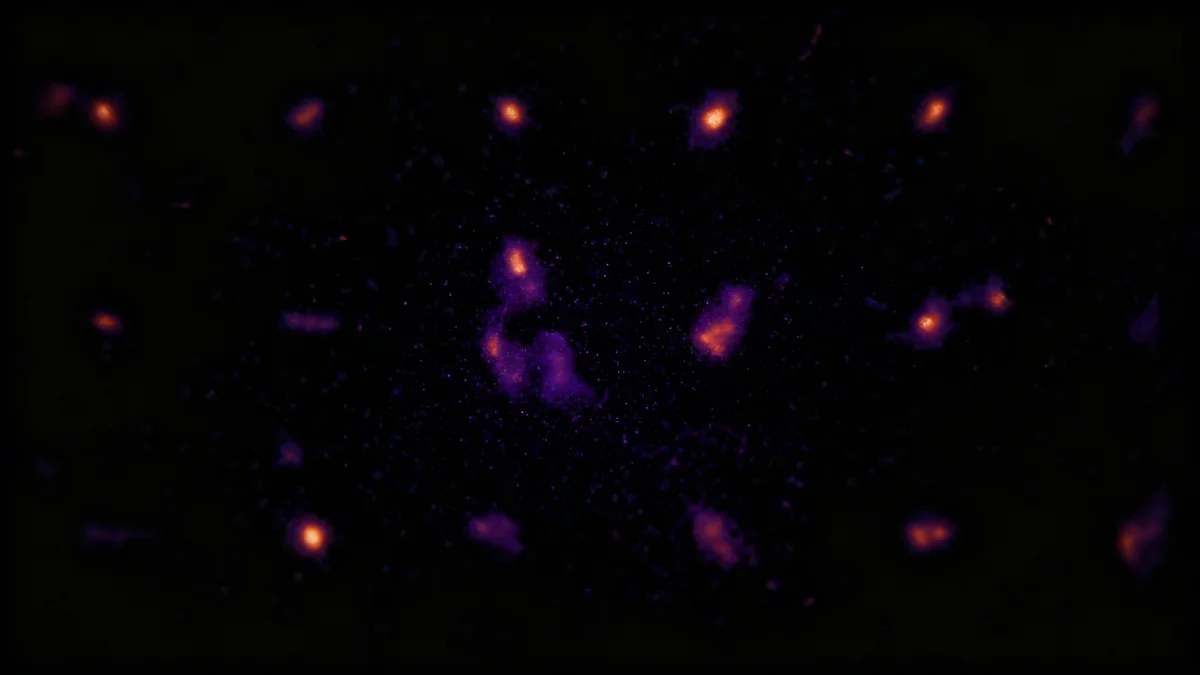
A discovery of 70 ancient, dusty galaxies by the James Webb Space Telescope challenges current models of cosmic evolution, suggesting star formation began much earlier than believed.

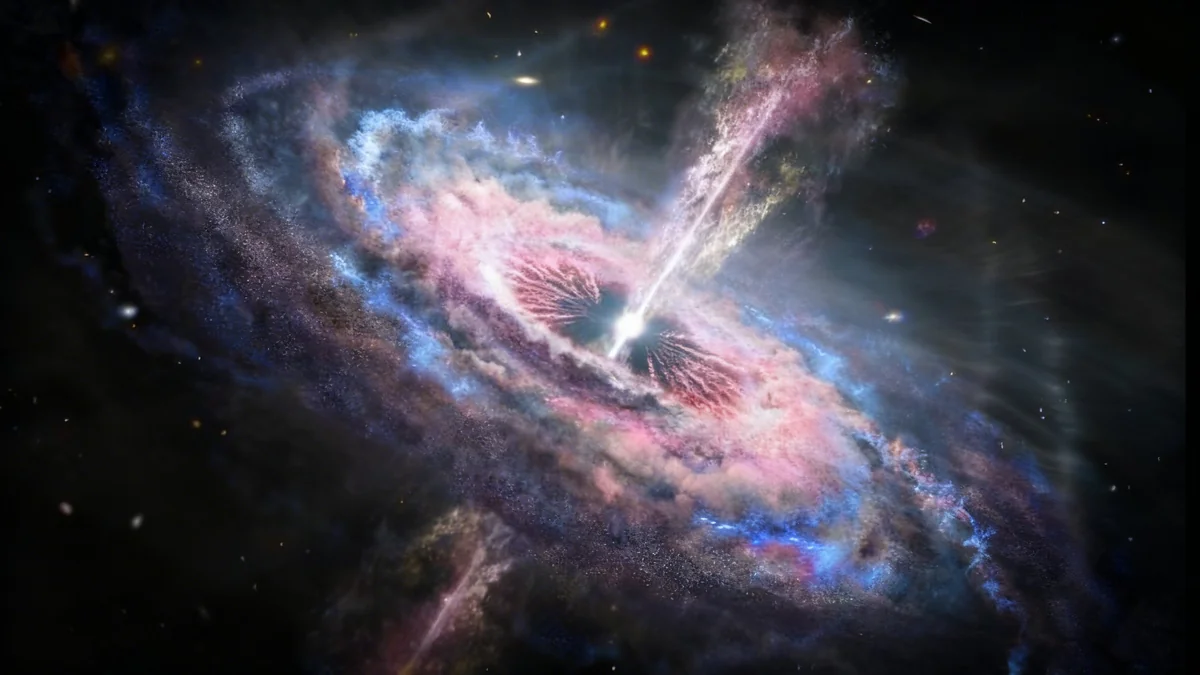
New research from the James Webb Space Telescope reveals that supermassive black holes can prevent star formation in neighboring galaxies up to a million light-years away.

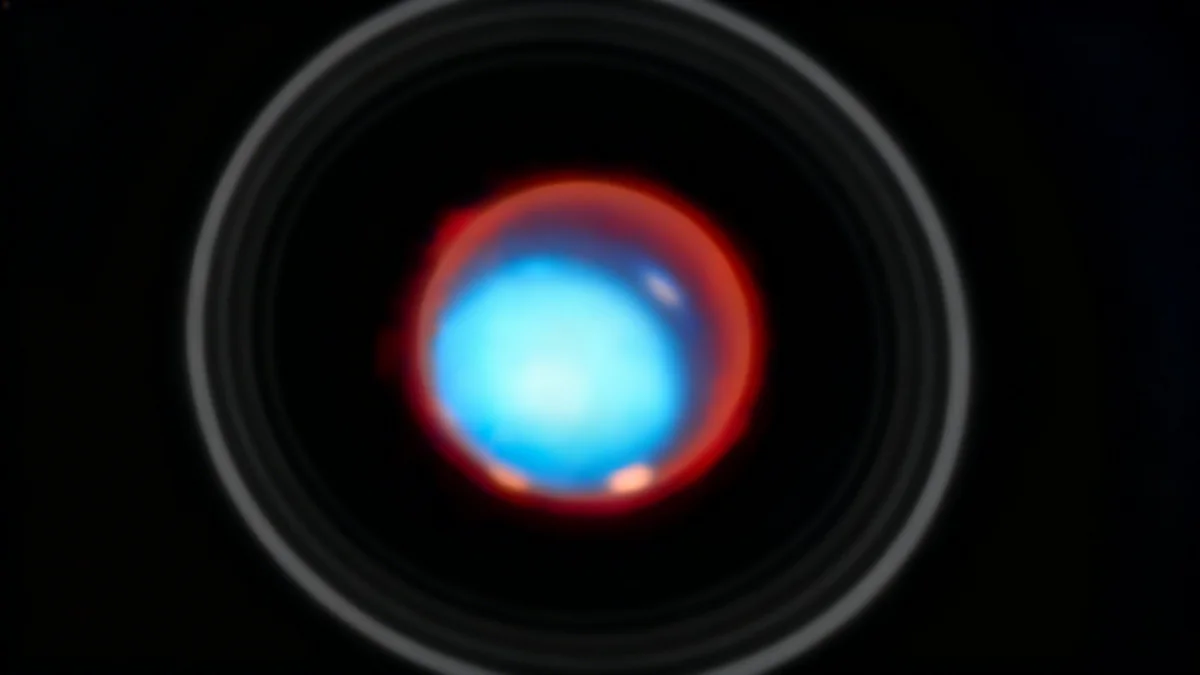
The James Webb Space Telescope has created the first-ever 3D map of the auroras on Uranus, providing new insights into the ice giant's strange atmosphere.

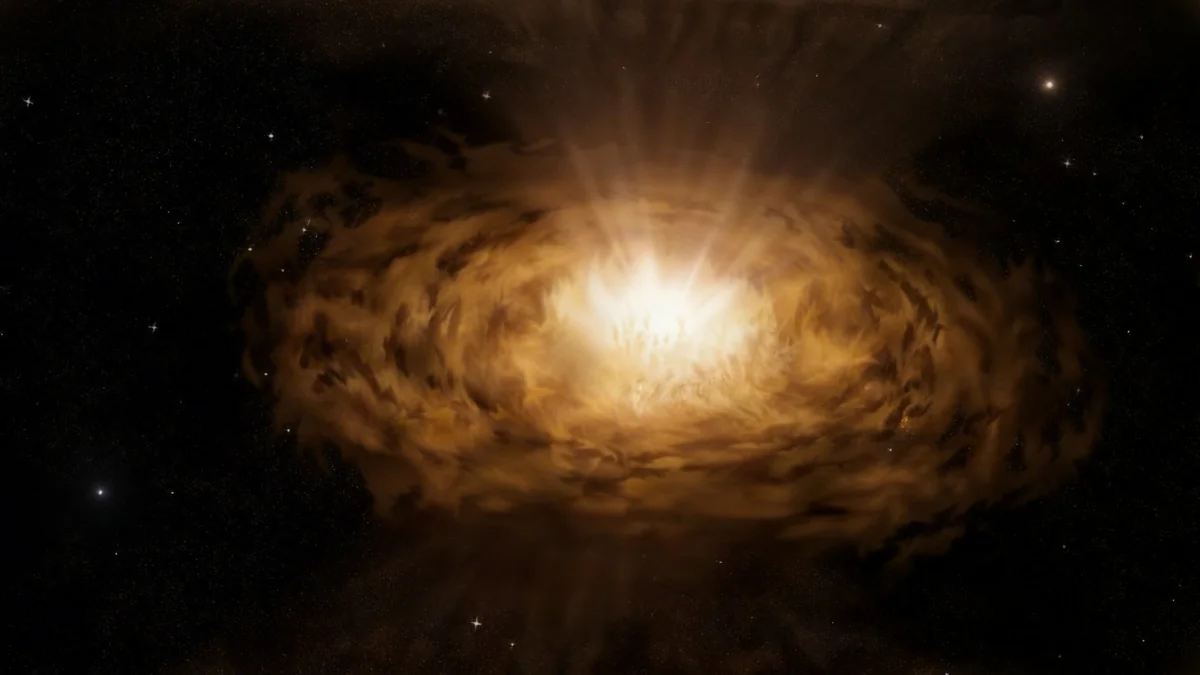
New data from the James Webb Space Telescope reveals that seemingly quiet supermassive black holes are actively shaping their host galaxies by heating gas.

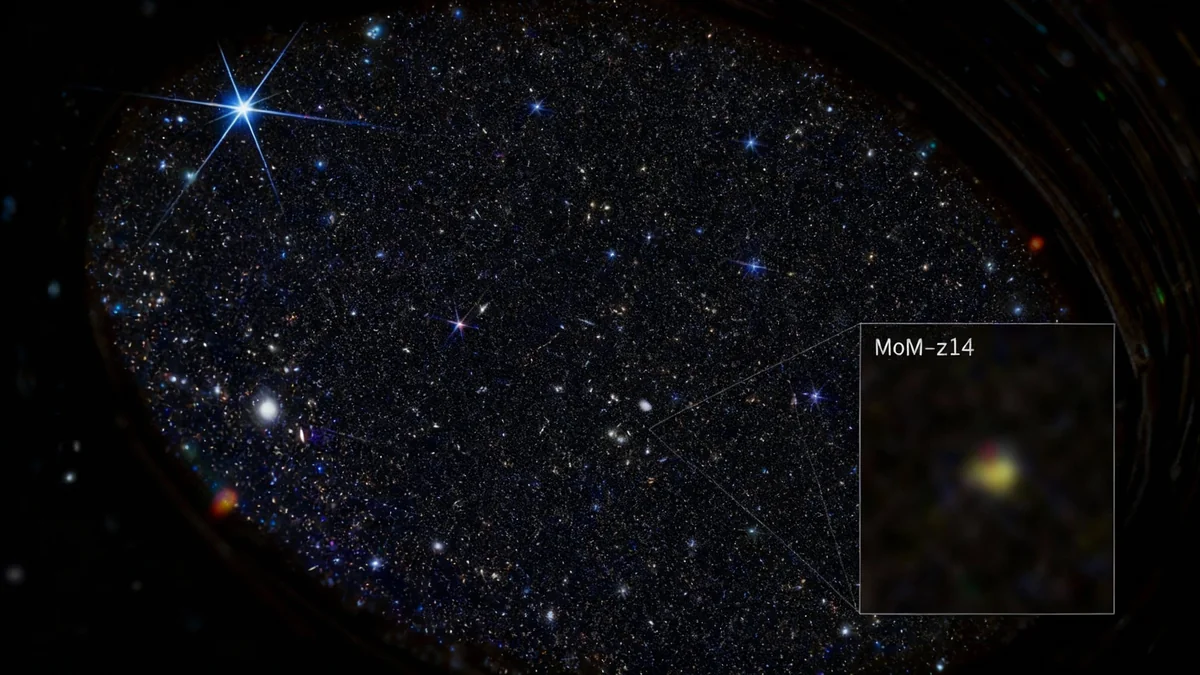
The James Webb Space Telescope has confirmed a galaxy, MoM-z14, that existed just 280 million years after the Big Bang, challenging existing theories of cosmic evolution.

Using the James Webb Space Telescope, astronomers have discovered that the collision of two stars results in a surprisingly cool and massive red supergiant star.

New observations from the James Webb Space Telescope reveal that galaxies in the early universe matured far more quickly than scientific models predicted.

The James Webb Space Telescope is using massive galaxy clusters as natural cosmic lenses to hunt for the universe's first 'dinosaur' stars from over 13 billion years ago.

Astronomers have discovered a young galaxy being slowly starved by its central black hole in a process described as a "death by a thousand cuts."

Thousands of astronomers are in Phoenix for the 247th American Astronomical Society meeting, focusing on exoplanets, galaxy formation, and future space telescopes.

Using the James Webb Space Telescope, astronomers have detected a supernova from when the universe was just 730 million years old, challenging theories about early stars.