Spring Skies Offer Clear Views of Distant Galaxies
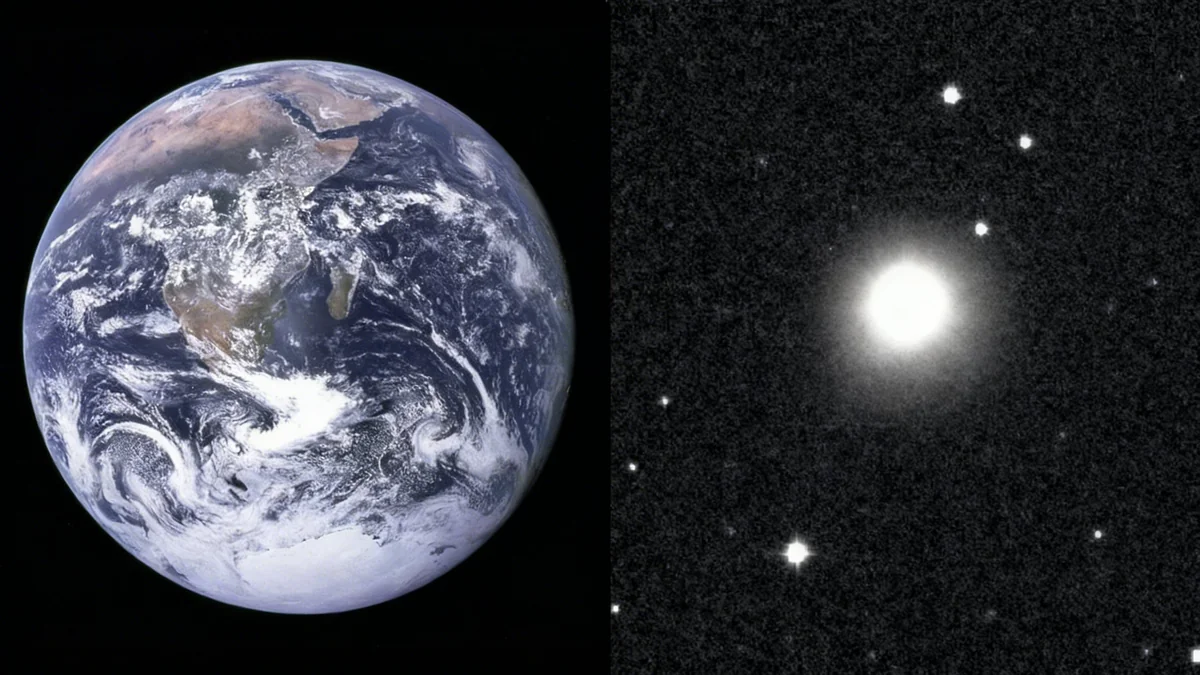
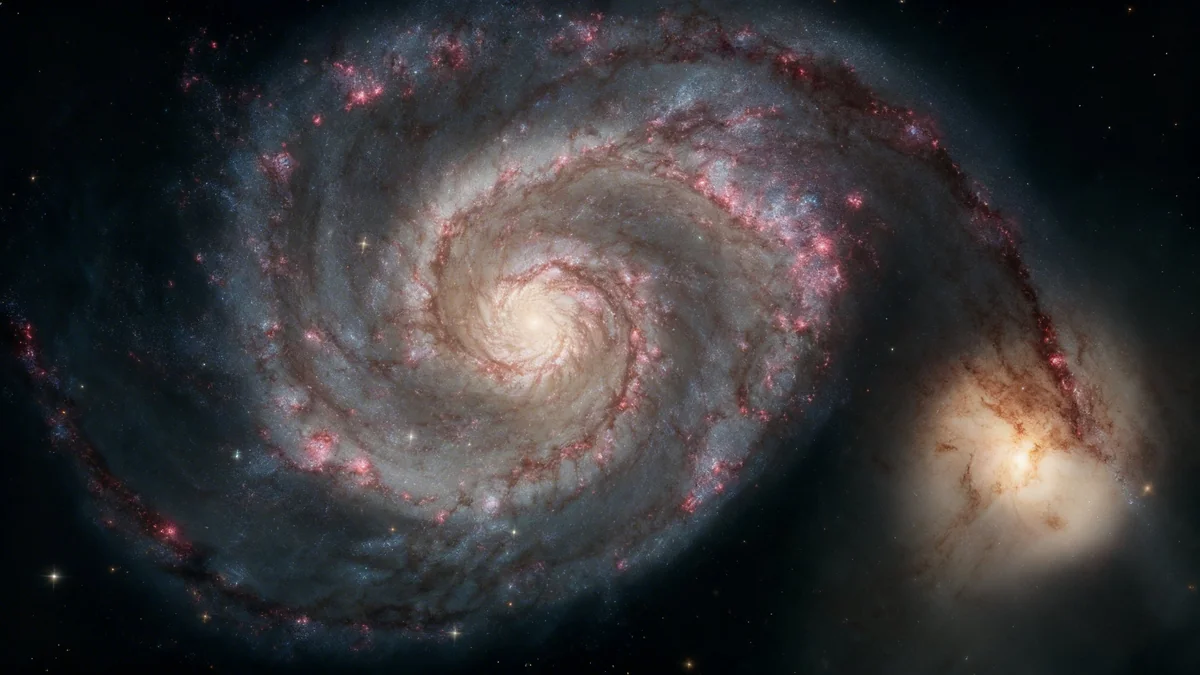
As spring arrives in the Northern Hemisphere, the night sky offers a clear window into deep space, revealing distant galaxies that are usually obscured by our own Milky Way.

15 articles tagged

As spring arrives in the Northern Hemisphere, the night sky offers a clear window into deep space, revealing distant galaxies that are usually obscured by our own Milky Way.

Stargazers are in for a treat this week as six planets, including Mercury, Venus, Saturn, and Jupiter, align in the evening sky in a rare celestial event.

Comet C/2024 E1 (Wierzchos) is set to make its closest approach to Earth on February 17, passing at a safe distance of 94 million miles.

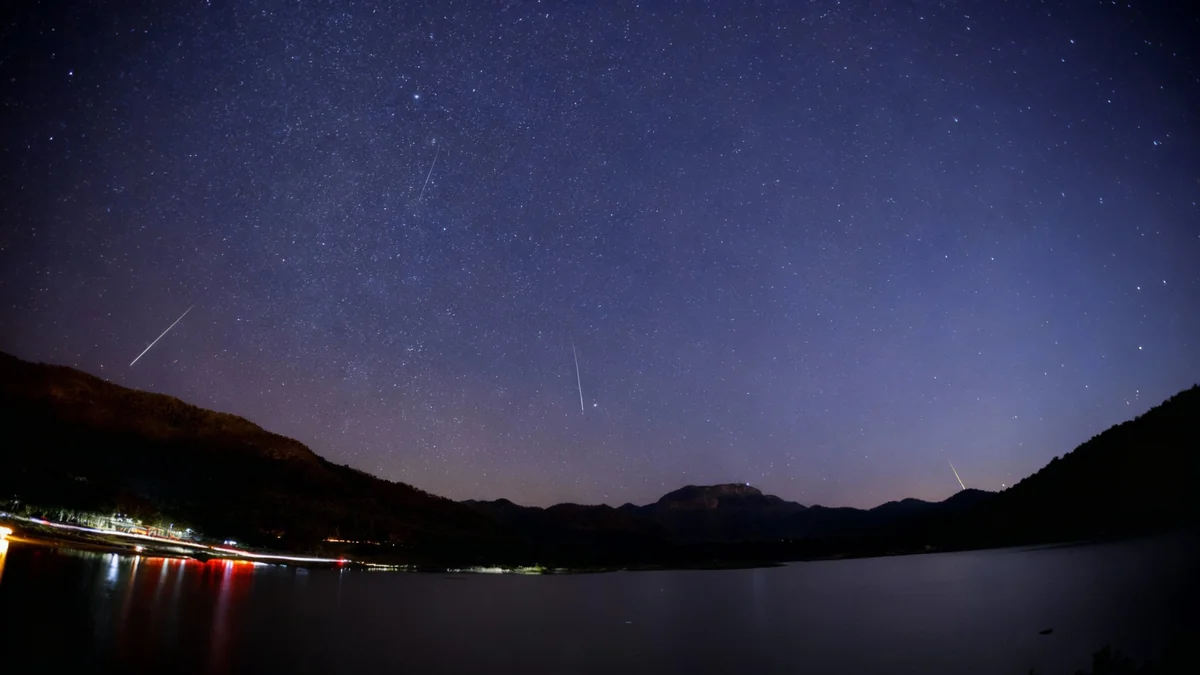
The 2026 Quadrantid meteor shower, one of the year's best, is expected to be a major disappointment due to a daylight peak and an interfering full moon.

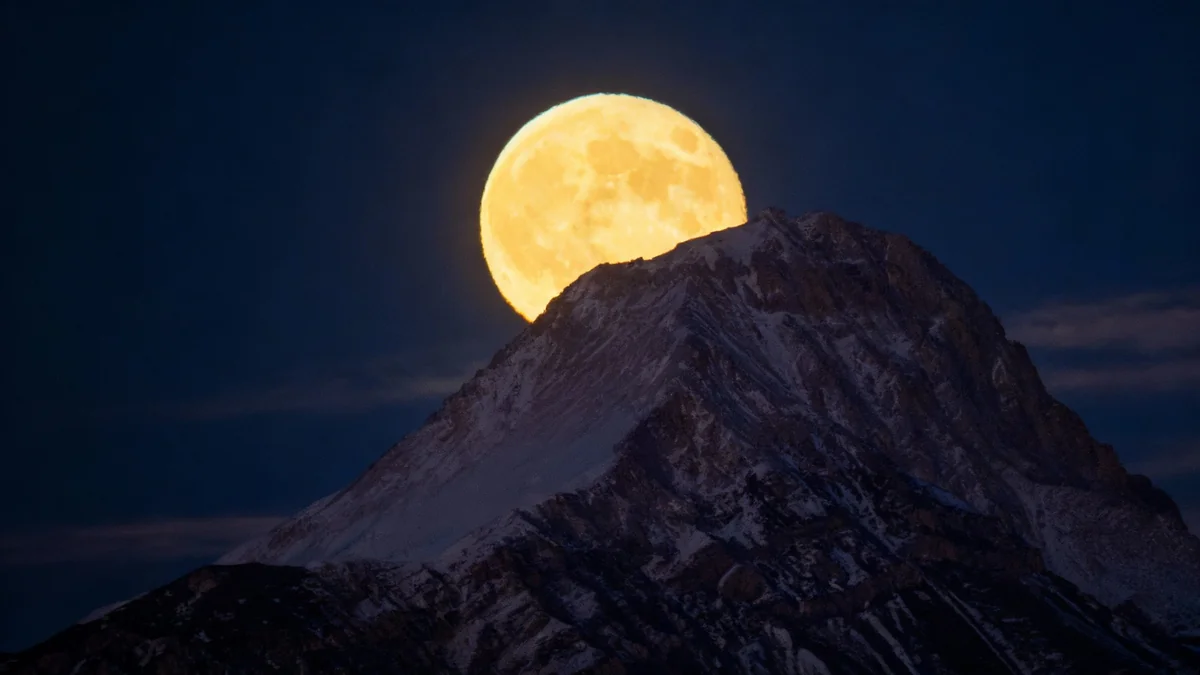
The largest and brightest supermoon of 2025 will be visible on November 5, appearing up to 14% larger and 30% brighter as it makes its closest approach to Earth.

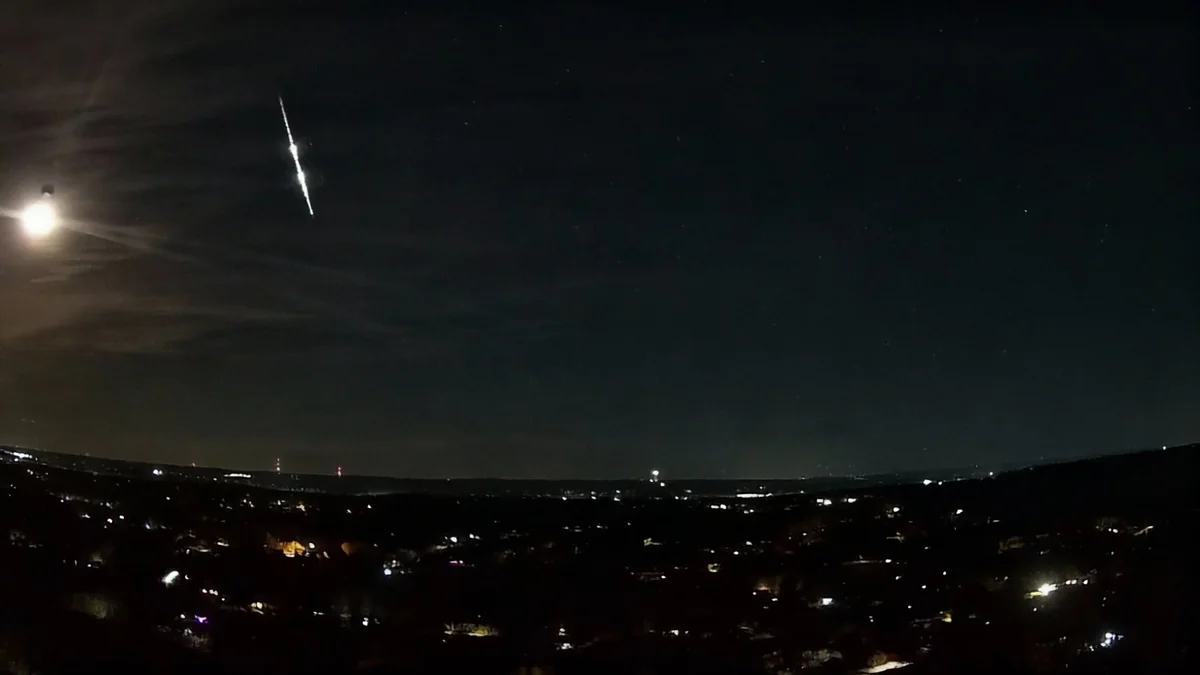
Skygazers are in for a treat as the Southern Taurid meteor shower peaks on Nov 4-5, with the potential for bright fireballs despite a challenging full moon.

Astrophysicist Dr. Daniela Stern will deliver a lecture on black holes and neutron stars at Sky’s the Limit Observatory in Twentynine Palms on November 1.

A newly discovered comet, C/2025 R2 (SWAN), will make a close approach to Earth on October 21 and may become visible to the naked eye in dark skies.

The annual Taurid meteor shower is now active, with two separate streams set to peak in November. The event is known for producing exceptionally bright fireballs.

On the night of October 13, 2025, the Moon and Jupiter will appear close together in the sky, offering a clear viewing opportunity for skywatchers.

The first supermoon of 2025, known as the Harvest Moon, will be visible on the evening of October 6, appearing larger and brighter in the night sky.

Astronomy Day 2025 is set for September 27, providing a guide to observing six distinct celestial objects, including the Moon, Saturn, and the Orion Nebula.