Private Space Telescope to Surpass Hubble by 2029
A new privately funded space telescope, the Lazuli Space Observatory, is set to launch by 2029 with a mirror larger than Hubble's to study dark energy and exoplanets.
11 articles tagged

A new privately funded space telescope, the Lazuli Space Observatory, is set to launch by 2029 with a mirror larger than Hubble's to study dark energy and exoplanets.

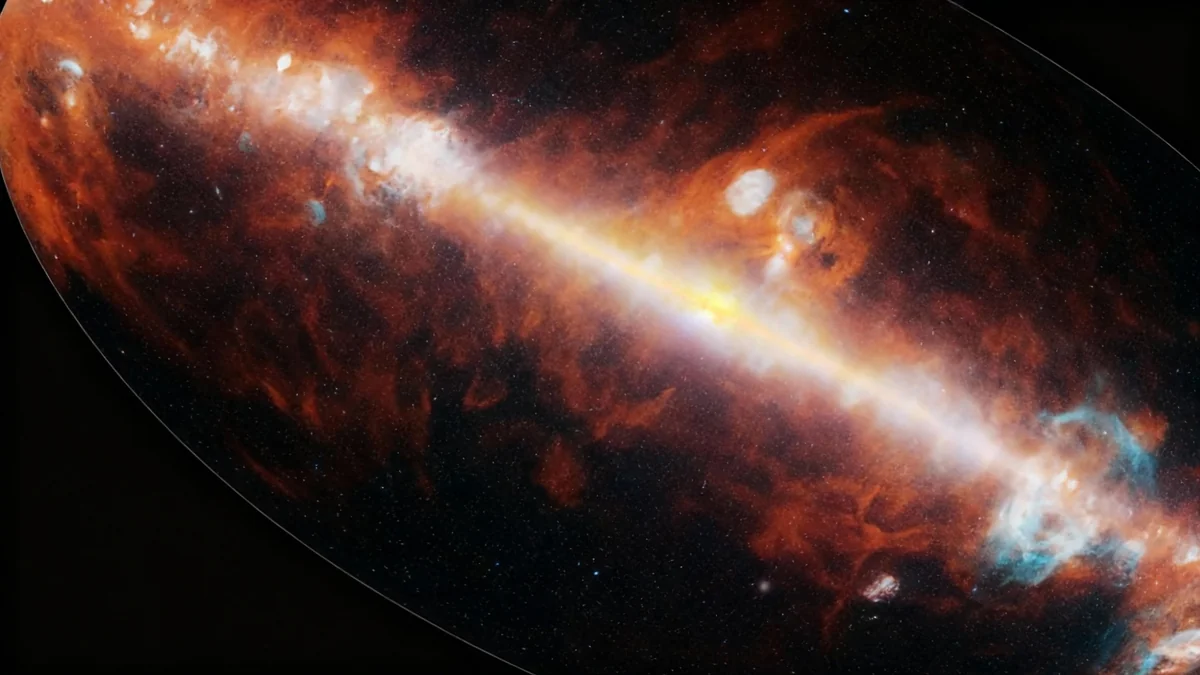
NASA's SPHEREx telescope has released its first complete map of the entire sky, capturing the cosmos in 102 different infrared colors to study the Big Bang.

NASA's Nancy Grace Roman Space Telescope is now fully assembled and entering its final testing phase before a launch scheduled by May 2027. The observatory will map the universe to study dark energy a

NASA has completed the assembly of its next-generation Nancy Grace Roman Space Telescope, which is on track for a potential 2026 launch to study dark energy and exoplanets.

A private company will launch a robotic mission in 2026 to save NASA's aging Swift Observatory, which is falling out of orbit and faces destruction by late 2026.

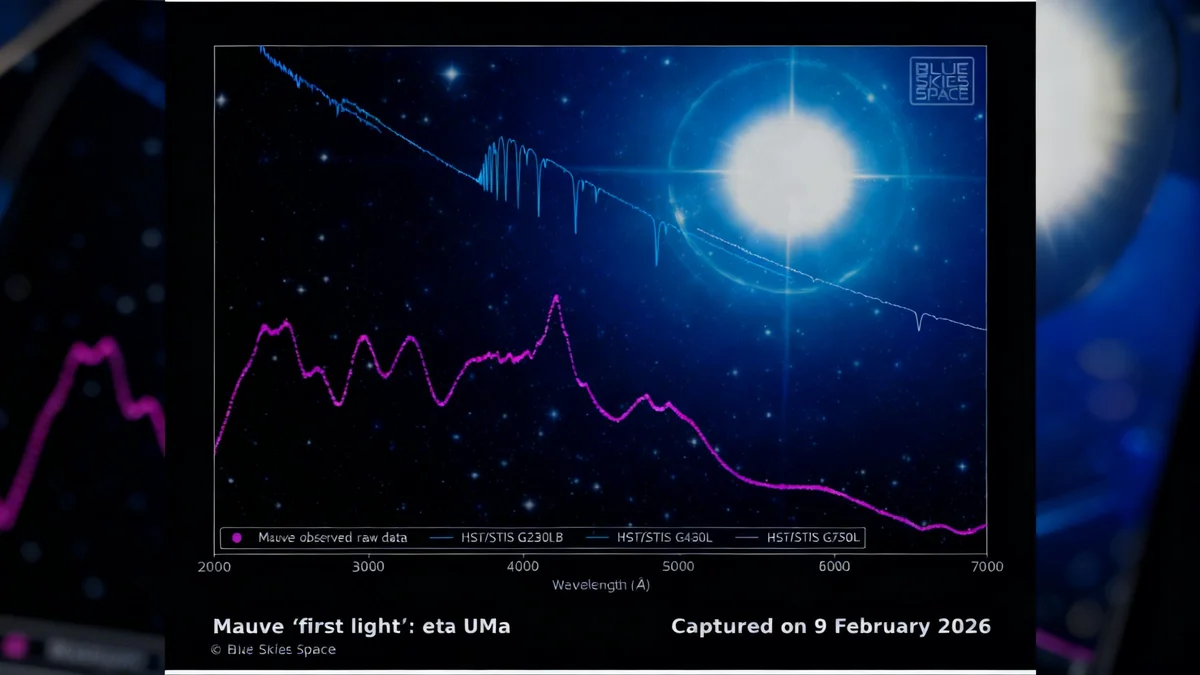
The first privately funded space telescope, Mauve, is set to launch this year. The UK-built satellite will study stellar UV radiation to find stars capable of hosting life.

NASA's SPHEREx mission has begun a two-year survey to create a 3D map of over 450 million galaxies, aiming to uncover the secrets of cosmic origins.

NASA is developing the Habitable Worlds Observatory, a space telescope set to launch in the 2030s to find Earth-like planets and search for signs of life.

NASA has awarded startup company Katalyst Space a $30 million contract to prevent the Neil Gehrels Swift Observatory from falling out of orbit by boosting it to a higher altitude.

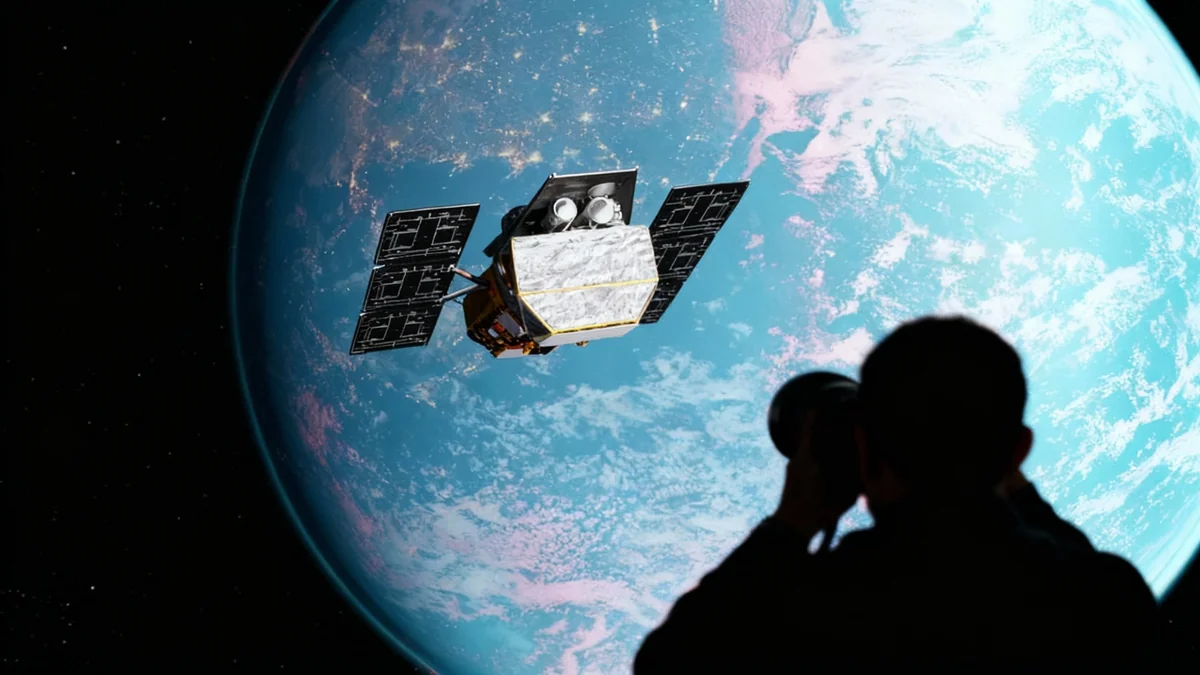
A new NASA space telescope, operated by UC Berkeley, has launched to study Earth's exosphere and its interaction with solar weather to better protect satellites.

NASA has contracted Katalyst Space Technologies for a historic 2026 mission to boost the orbit of the Swift Observatory, saving it from atmospheric decay.