

Thousands of the world's leading astronomers, researchers, and space scientists have gathered in Phoenix, Arizona, this week for what is widely considered the most significant annual event in the field. The 247th meeting of the American Astronomical Society (AAS) kicked off on January 4, launching a five-day conference dedicated to sharing the latest discoveries and shaping the future of cosmic exploration.
The event, held at the Phoenix Convention Center until January 8, serves as a critical platform for presenting new findings on everything from distant exoplanets to the earliest galaxies, while also fostering discussions that will define the next generation of space-based observatories.
Key Takeaways
- The 247th American Astronomical Society meeting is taking place in Phoenix, Arizona, from January 4-8.
- Major topics include exoplanet research, the evolution of the first galaxies, and the development of future space telescopes.
- Discussions will focus on upcoming missions like the Nancy Grace Roman Space Telescope and the proposed Habitable Worlds Observatory.
- The conference highlights collaborative efforts using data from the James Webb and Hubble space telescopes.
The Search for Other Worlds Takes Center Stage
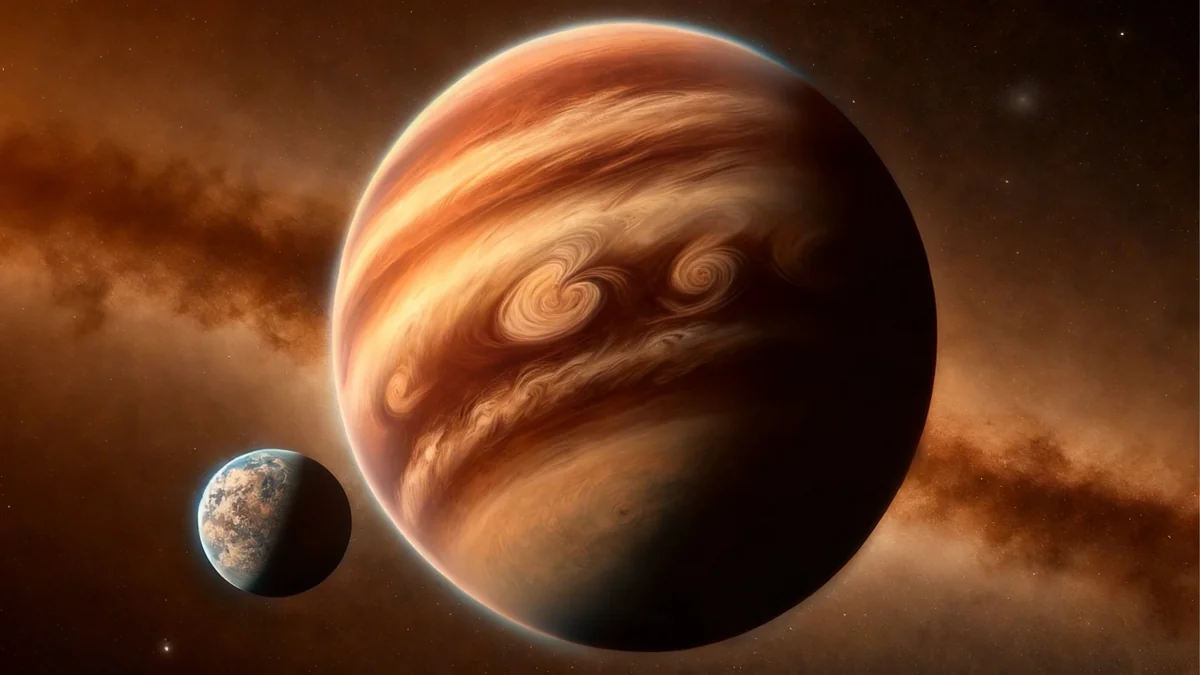
A significant portion of the conference agenda is dedicated to the study of exoplanets—planets orbiting stars beyond our solar system. NASA's Exoplanet Exploration Program Analysis Group has organized several sessions to review recent discoveries and debate the scientific priorities for upcoming missions. These discussions are pivotal in determining how resources will be allocated for the search for life elsewhere in the universe.
Central to these conversations is the proposed Habitable Worlds Observatory. This ambitious, next-generation space telescope is conceptualized to directly image Earth-like planets and analyze their atmospheres for biosignatures, which are chemical signs of potential life. The panels and workshops at AAS 247 will play a crucial role in refining the scientific goals and technological requirements for such a mission.
A Look at the Numbers
The conference brings together thousands of professionals, including astronomers, educators, and students. The packed schedule features hundreds of presentations, panel discussions, and workshops covering a vast range of astronomical topics over five days.
Researchers are exploring how to leverage future observatories to move beyond simply detecting exoplanets to characterizing them in detail. The ability to identify gases like oxygen, methane, and water vapor in an exoplanet's atmosphere would be a monumental step in assessing its potential habitability.
Unveiling the Universe's Ancient History
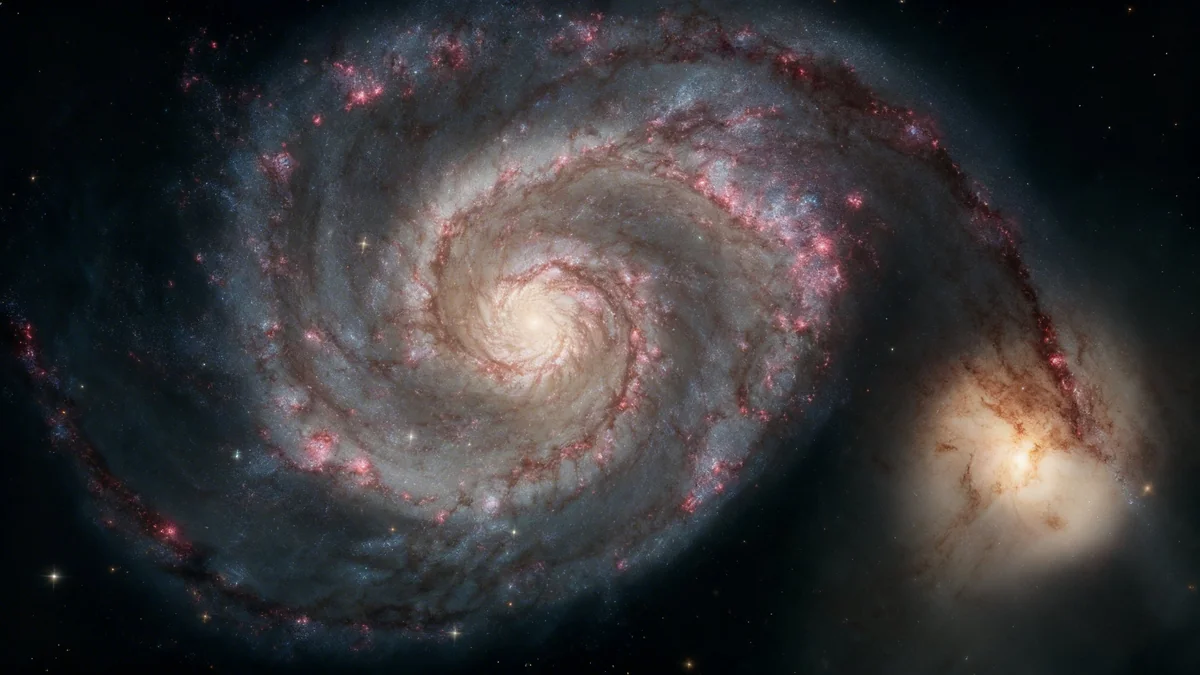
Another prominent theme of the week is the exploration of cosmic origins and the evolution of galaxies. Several presentations will feature new results from large-scale surveys that combine the power of multiple world-class observatories.
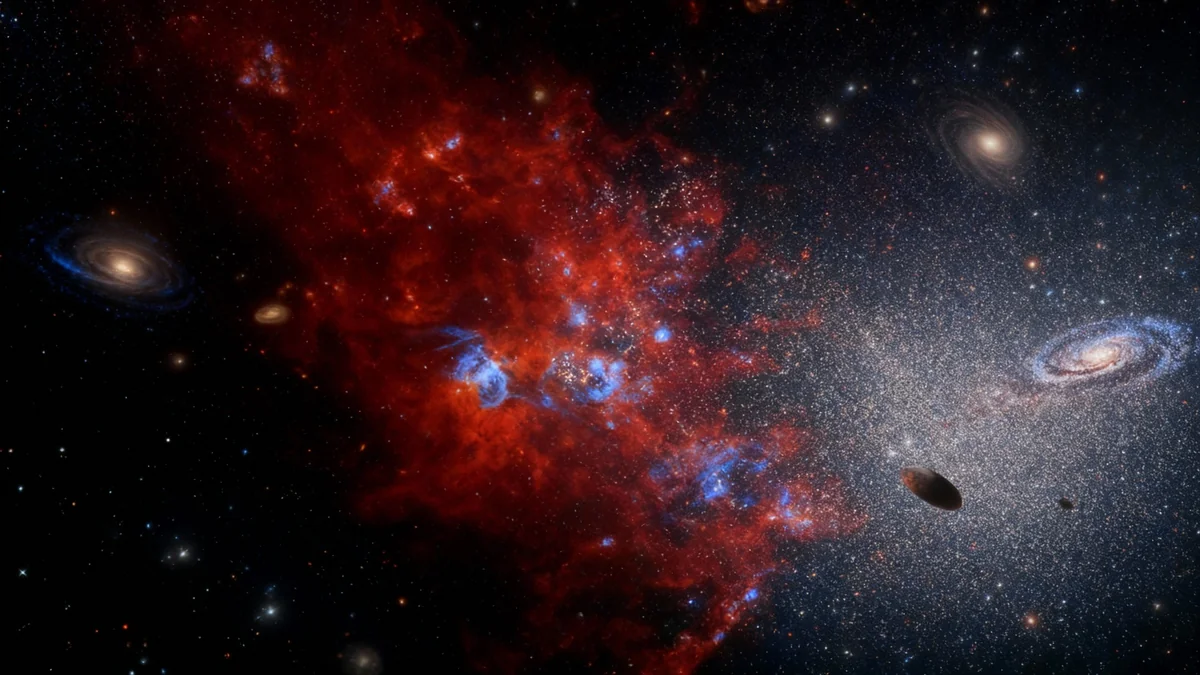
Data from the James Webb Space Telescope (JWST), the Hubble Space Telescope, and the Atacama Large Millimeter/submillimeter Array (ALMA) in Chile are being used in tandem to provide an unprecedentedly clear view of the early universe. Scientists are presenting fresh insights into how the first galaxies formed and grew in the period following the Big Bang.
These combined observations are helping to answer long-standing questions about the universe's formative years. Talks are also scheduled to cover related subjects such as the nature of brown dwarfs, the study of faint dwarf galaxies, and new discoveries about the structure of our own Milky Way galaxy's outer regions.
The Power of Collaboration
Modern astronomy relies heavily on combining data from different telescopes. JWST excels at infrared observation, revealing ancient, distant objects. Hubble provides sharp visible and ultraviolet light data. ALMA observes the cold gas and dust where stars are born. Together, they create a more complete picture of cosmic events.
The findings presented this week are challenging and refining existing theories about cosmic structures. The sheer volume of data from these powerful telescopes is pushing the boundaries of our understanding and paving the way for new theoretical models.
Planning the Next Wave of Discovery
While celebrating recent discoveries, the AAS meeting is fundamentally about looking forward. NASA's Program Analysis Groups, which focus on cosmic origins, physics of the cosmos, and exoplanet exploration, are holding meetings to brainstorm future mission concepts and scientific priorities.
A dedicated Town Hall meeting will provide a status update on the Nancy Grace Roman Space Telescope. Currently scheduled for launch no earlier than September 2026, the Roman telescope will offer a field of view 100 times wider than Hubble's, enabling vast cosmic surveys.
The Roman Space Telescope's Mission
Scientists are refining how Roman's unique capabilities will complement other observatories. Its primary objectives include:
- Studying the nature of dark energy and dark matter.
- Discovering thousands of new exoplanets using microlensing techniques.
- Conducting wide-field infrared astrophysics surveys to map the Milky Way and other galaxies.
The discussions at AAS 247 will help the scientific community prepare to maximize the data that Roman will provide, ensuring it works in concert with JWST and ground-based observatories to tackle some of the biggest mysteries in astrophysics.
A Collaborative and Inclusive Future
Beyond the high-profile missions and groundbreaking science, the conference also emphasizes the collaborative nature of modern astronomy. Sessions are planned to highlight the growing contributions of skilled amateur astronomers to professional research projects, particularly in areas like variable star observation and transient event detection.
Furthermore, numerous workshops and networking events are designed to support early-career scientists. These programs offer guidance on navigating a rapidly evolving research landscape, securing funding, and developing professional skills. The emphasis is on fostering a diverse and inclusive community to ensure the continued health and innovation of the field.
For those unable to attend in person, daily press conferences are being streamed live, allowing virtual participants to engage with the presenters and stay informed about the key announcements as they happen throughout the week.