Moss Survives a Year in Space Outside ISS
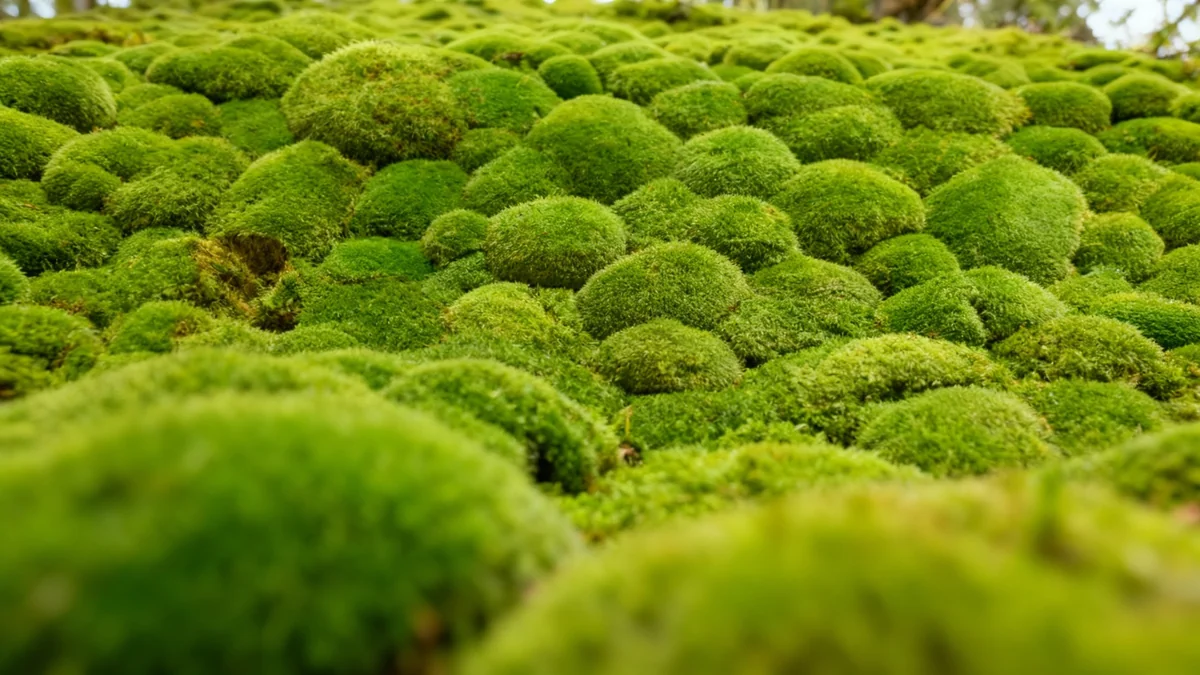
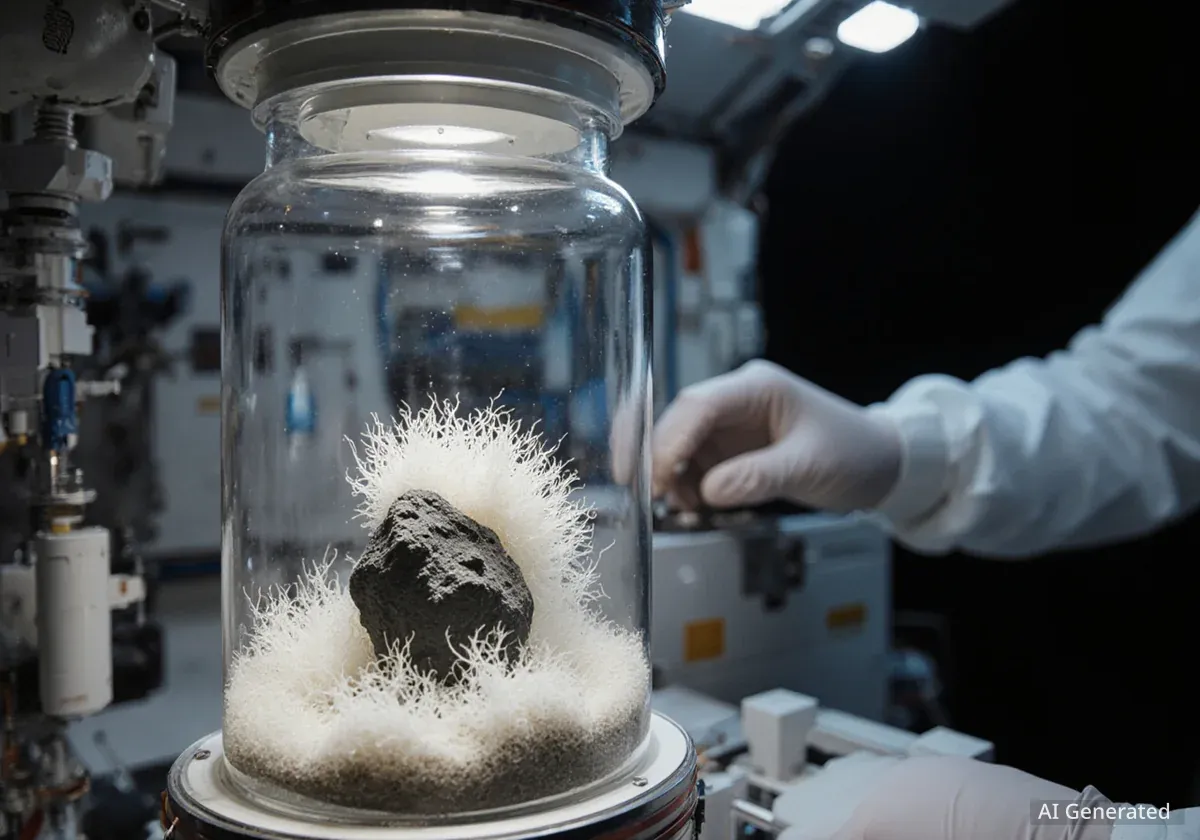
A common moss species has survived a full year exposed to the vacuum and radiation of space outside the ISS, with over 80% of its spores remaining viable.
18 articles tagged

A common moss species has survived a full year exposed to the vacuum and radiation of space outside the ISS, with over 80% of its spores remaining viable.

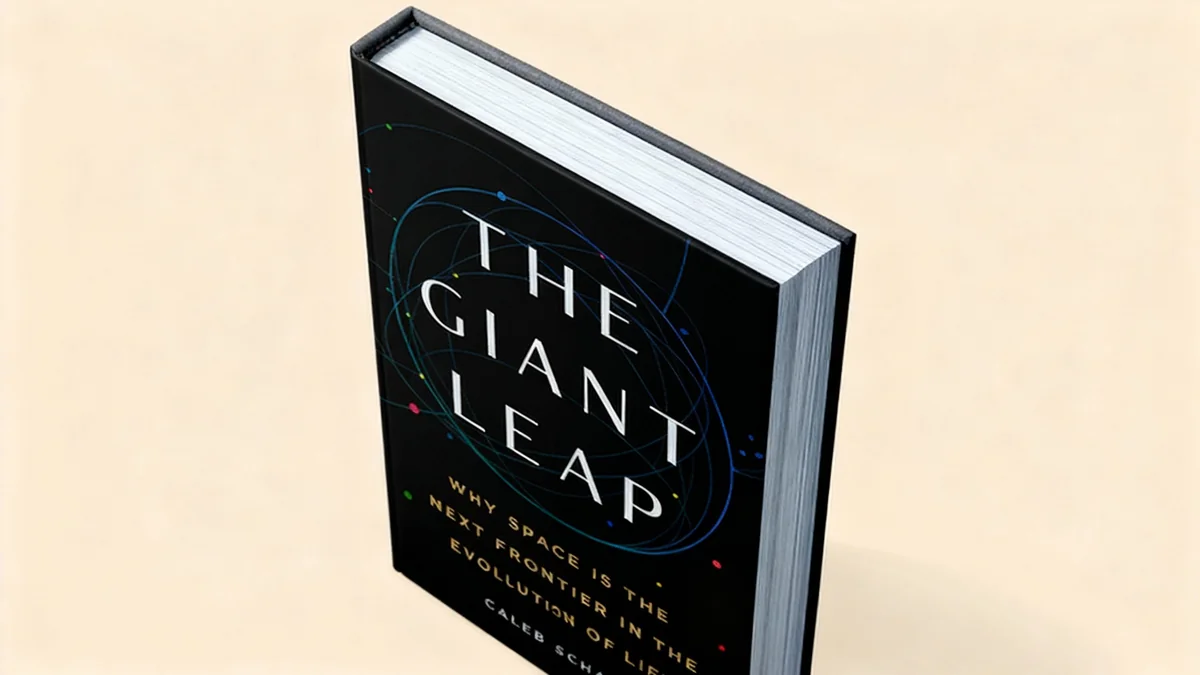
A NASA astrobiologist argues that humanity’s expansion into space is a fundamental evolutionary step, a process he terms the “Dispersal” of life from Earth.

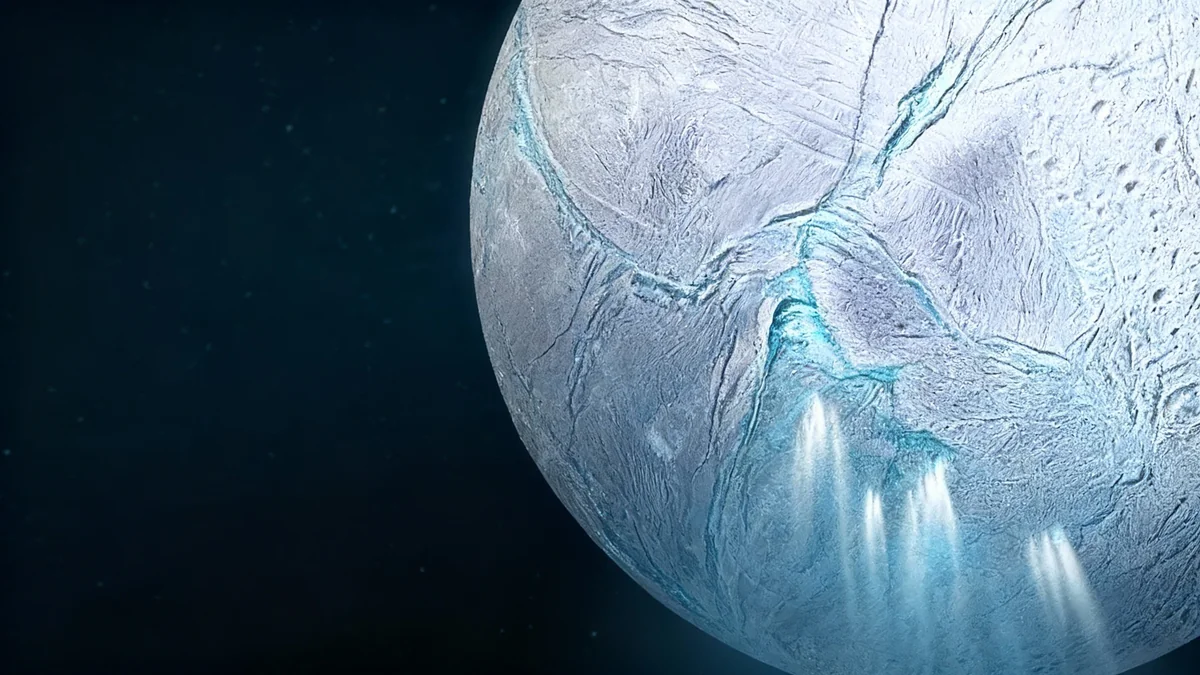
Scientists analyzing archived NASA Cassini data have discovered new, complex organic molecules in plumes from Saturn's moon Enceladus, hinting at advanced chemistry.

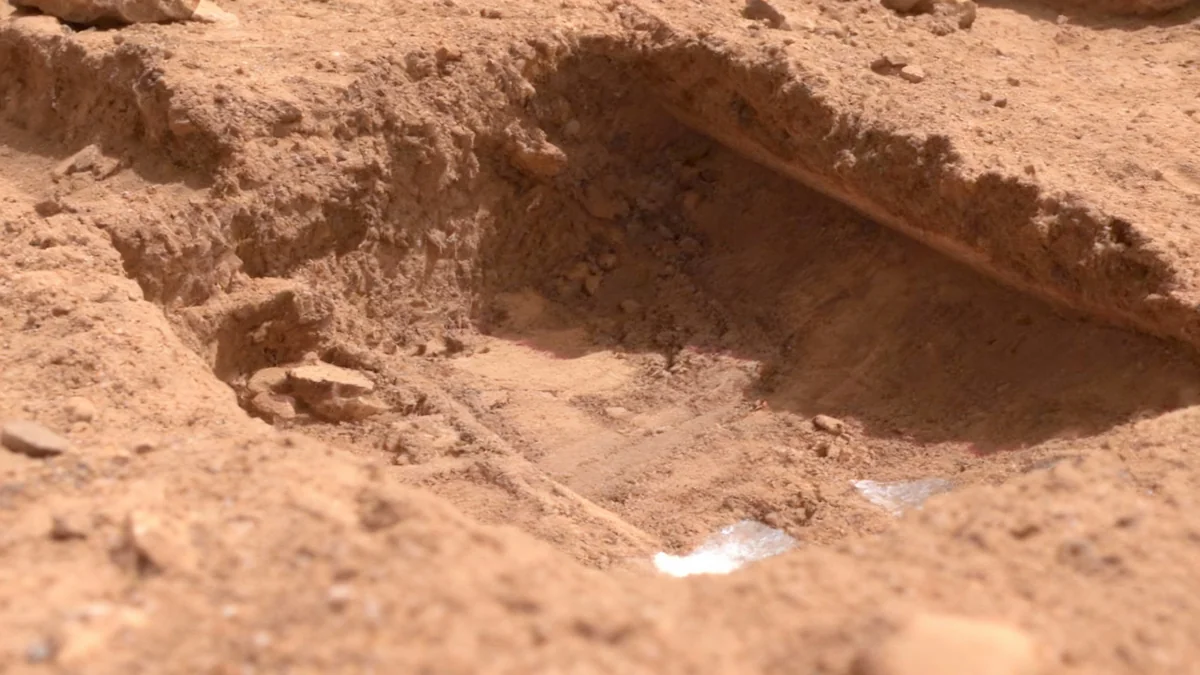
A new study reveals Martian ice can preserve biological molecules for tens of millions of years, guiding future missions to search for ancient life.

New studies offer conflicting origins for organic molecules on Saturn's moon Enceladus, with one suggesting space radiation and another pointing to its deep ocean.

Scientists re-analyzing data from NASA's Cassini mission have found new complex organic molecules in the water plumes of Saturn's moon Enceladus.

A new study confirms that Bacillus subtilis, a microbe vital for human health, can survive the extreme forces of a rocket launch and reentry.

The James Webb Space Telescope has detected phosphine on a brown dwarf, a finding that complicates its use as a potential sign of life on planets like Venus.

A study led by RMIT University confirms that bacteria vital for human health can survive the extreme forces of a rocket launch and atmospheric re-entry.

A new review identifies over 30 underexplored planetary analog sites in the Indian subcontinent and Indian Ocean, crucial for astrobiological and space research.

A University of Iowa geologist is helping NASA analyze a unique rock on Mars that shows features potentially linked to ancient life, a major step in the search for extraterrestrial existence.

A new analysis of data from NASA's Cassini mission reveals complex organic molecules in plumes from Saturn's moon Enceladus, boosting its potential for life.