Nuclear Power Now Essential for Lunar Night Survival
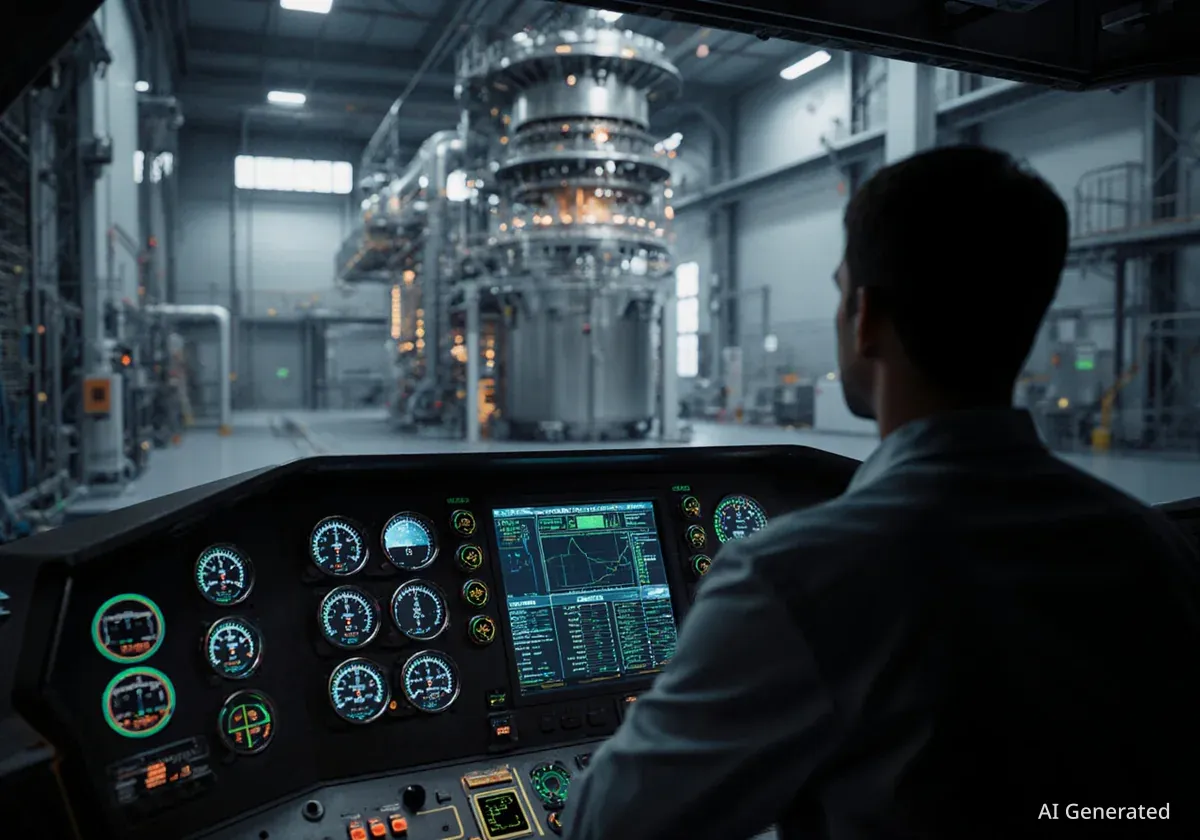
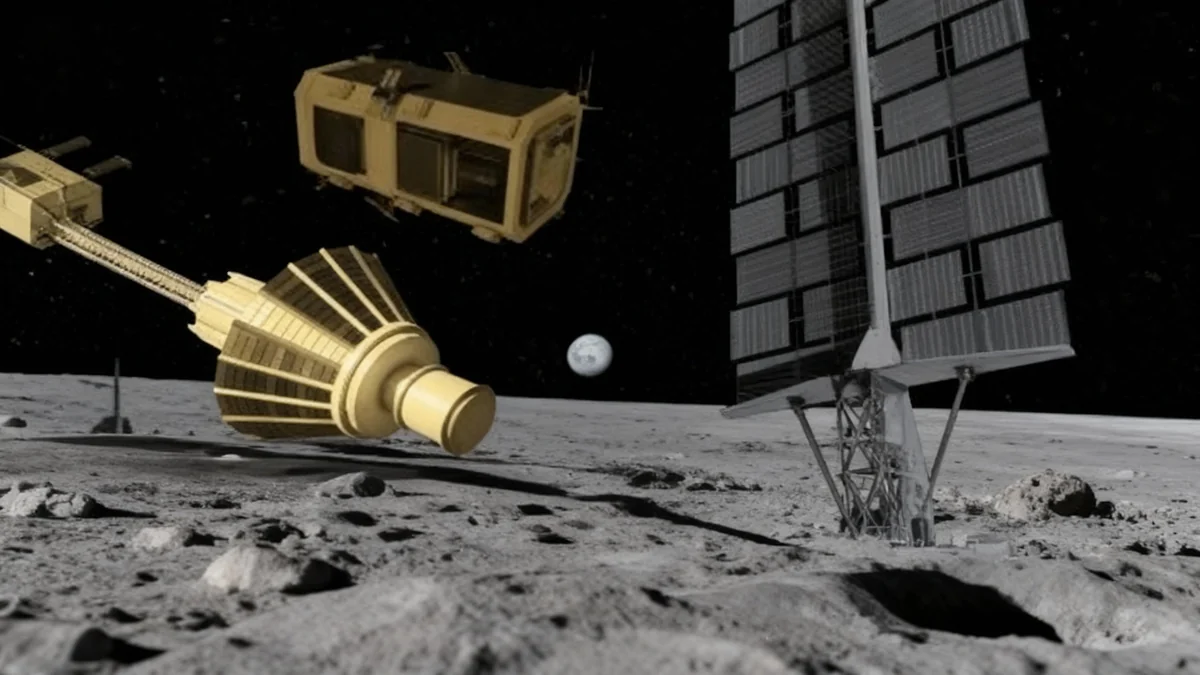
A major shift in space exploration now makes surviving the two-week lunar night a top priority, driving the adoption of nuclear power as the key technology.
19 articles tagged

A major shift in space exploration now makes surviving the two-week lunar night a top priority, driving the adoption of nuclear power as the key technology.

A new study reveals that long-duration spaceflight causes astronauts' brains to shift upward in the skull, a change linked to motion sickness and balance issues.

NASA is demolishing two historic rocket test facilities in Alabama as the first step in a major infrastructure overhaul under new Administrator Jared Isaacman.

While powerful rockets capture headlines, the greatest barrier to long-term space exploration is biology. Solving life support, waste, and food is now the critical mission.

As humanity plans missions to the Moon and Mars, scientists are racing to understand and mitigate the severe health risks of deep space, from cosmic radiation to microgravity.

For astronauts on long missions, food is a crucial link to home. Discover how the European Space Agency is innovating nutrition for future travel to the Moon and Mars.

Scientists are racing to understand the serious health risks of deep space radiation for astronauts on future missions to the Moon and Mars, with a focus on cardiovascular damage.

Russia's Rosatom has unveiled a new plasma engine that could cut travel time to Mars to just 30 days, a major leap forward for human space exploration.

A researcher lived for two weeks in a sealed habitat with 144 dwarf pea plants to test their ability to create a breathable atmosphere for future Mars missions.

The United States' long-held dominance in space exploration is facing a critical challenge from China amid internal budget uncertainties and a shifting political landscape.

A University of Arkansas at Little Rock student interned at NASA to develop an AI system that will help future astronauts on Mars access information instantly.

To prepare for missions to Mars and the Moon, scientists use Earth-based analog missions to simulate space exploration, testing human psychology and technology in extreme environments.