Mouse Gives Birth After Space Mission in Scientific First
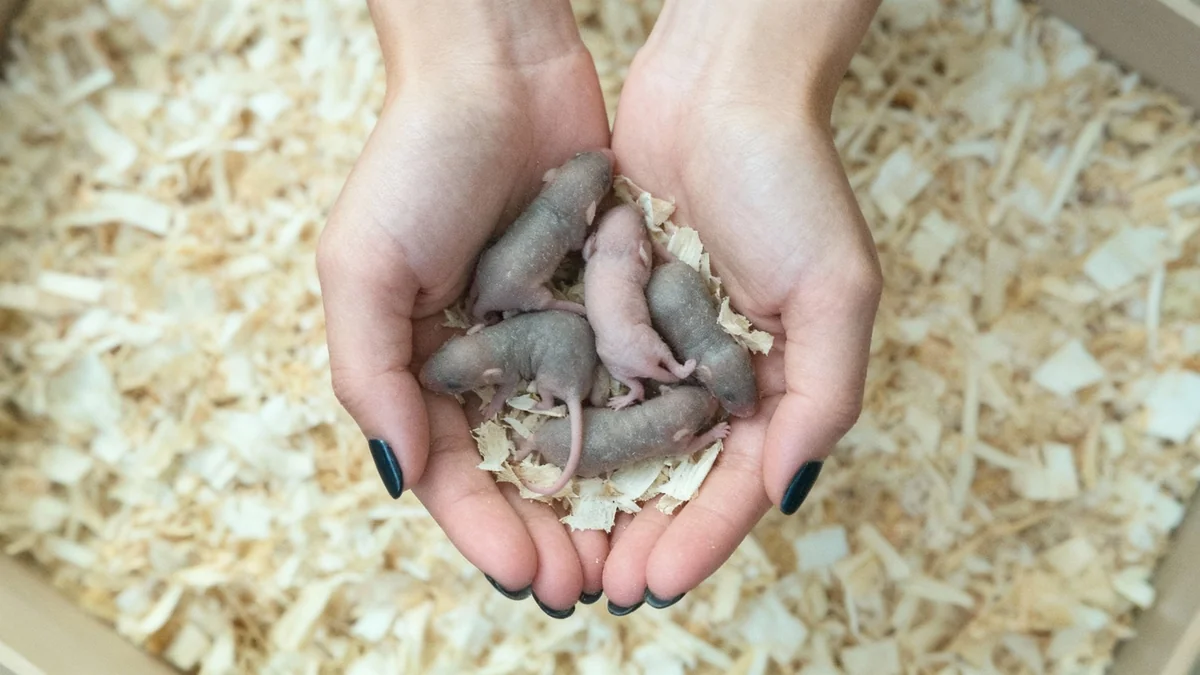
A mouse that spent two weeks in orbit has successfully given birth after returning to Earth, a key development for scientists studying the viability of long-term space habitation.

Elena Volkov is a science journalist with a strong background in environmental and biological sciences. Her articles often explore the intricate biological systems at play when humans venture into space, emphasizing both the risks and the remarkable adaptations.
12 published articles
A mouse that spent two weeks in orbit has successfully given birth after returning to Earth, a key development for scientists studying the viability of long-term space habitation.
While powerful rockets capture headlines, the greatest barrier to long-term space exploration is biology. Solving life support, waste, and food is now the critical mission.
As humanity plans missions to the Moon and Mars, scientists are racing to understand and mitigate the severe health risks of deep space, from cosmic radiation to microgravity.
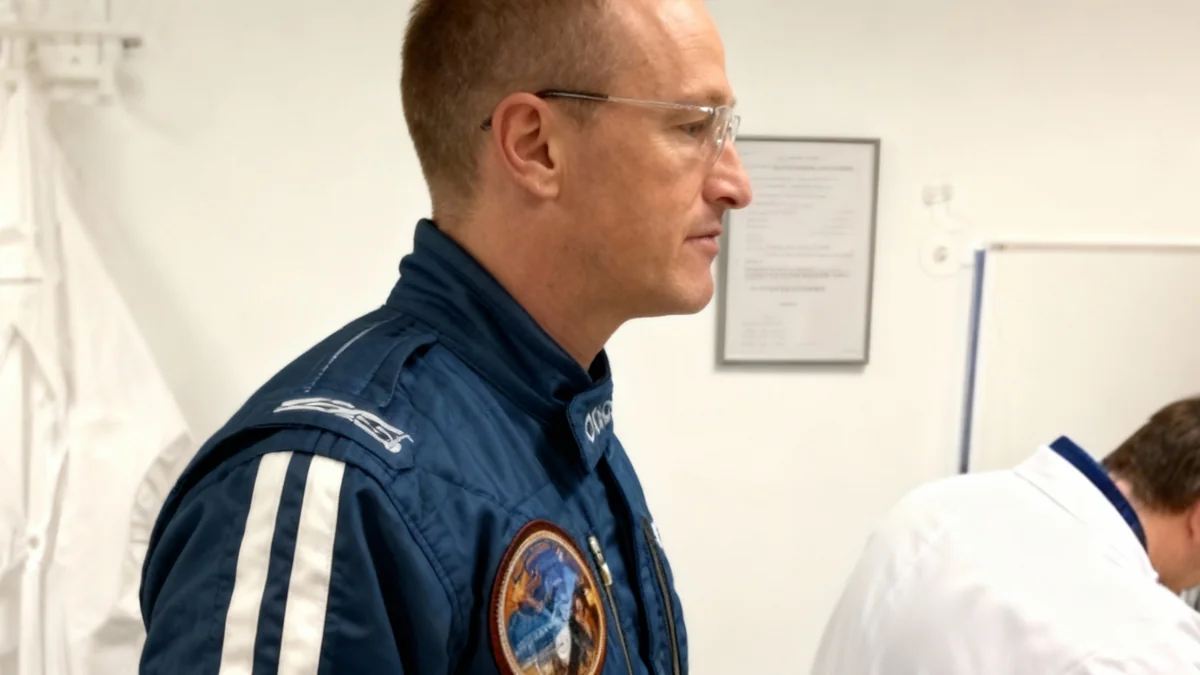
Aerospace engineer Michi Benthaus is set to become the first wheelchair user to travel to the edge of space on an upcoming Blue Origin New Shepard flight.
Scientists have discovered 97-million-year-old magnetic fossils from an unknown creature, revealing evidence of an ancient biological GPS system.
A common moss species has survived a full year exposed to the vacuum and radiation of space outside the ISS, with over 80% of its spores remaining viable.
After a three-year hiatus, the Icarus space-based wildlife tracking system is set to relaunch on November 11, 2025, using new miniaturized satellite technology.
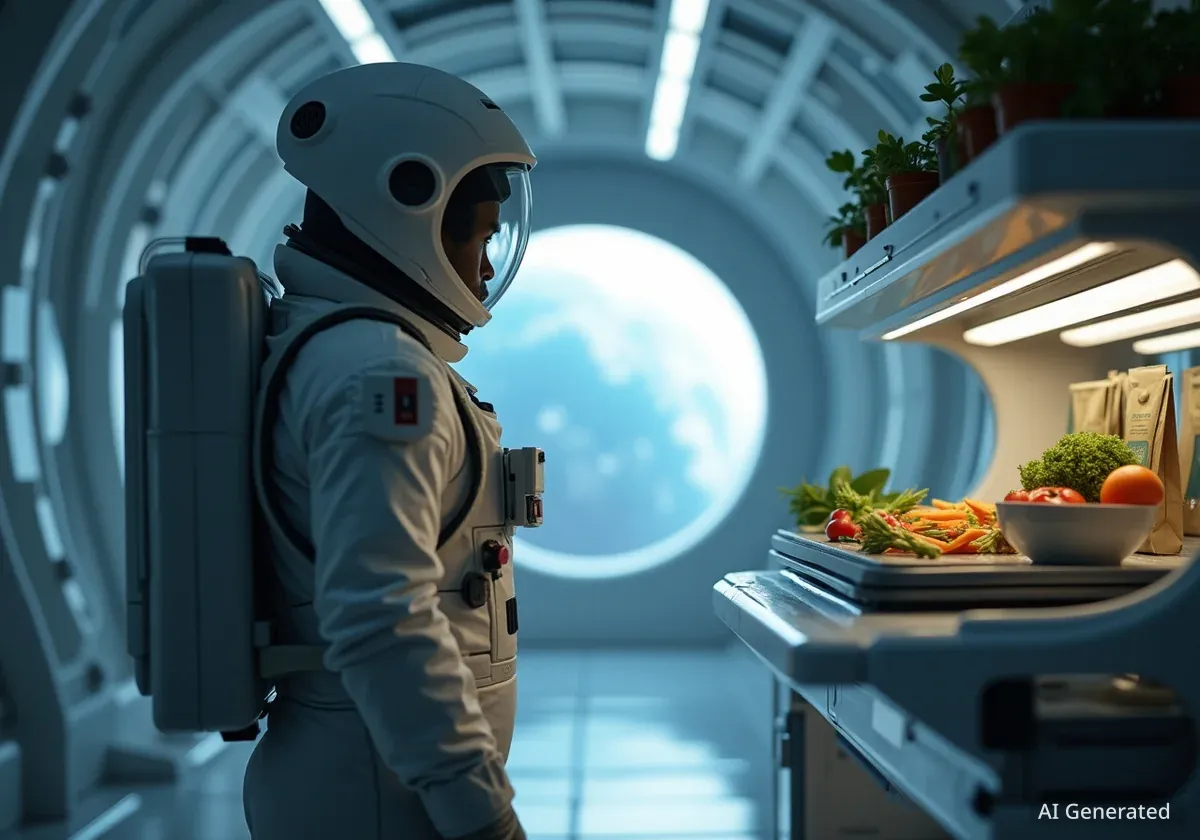
For astronauts on long missions, food is a crucial link to home. Discover how the European Space Agency is innovating nutrition for future travel to the Moon and Mars.
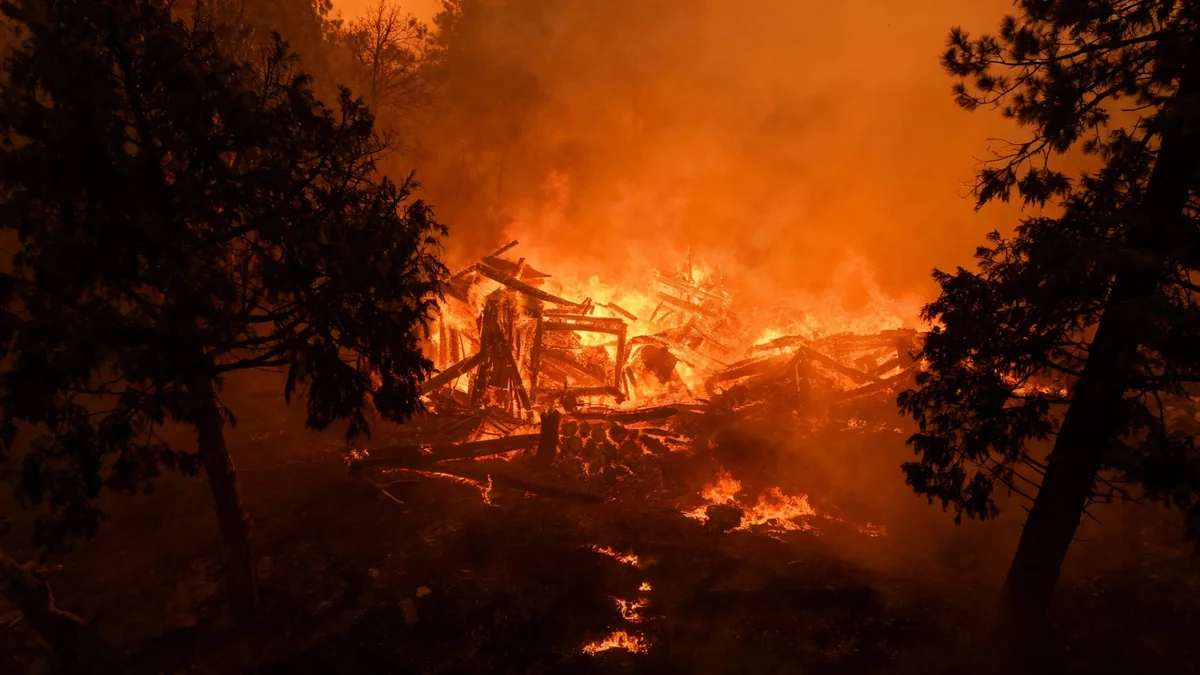
A new international report confirms human-driven climate change is making wildfires drastically more intense, with some severe fire seasons now up to 35 times more likely.
Scientists are racing to understand the serious health risks of deep space radiation for astronauts on future missions to the Moon and Mars, with a focus on cardiovascular damage.
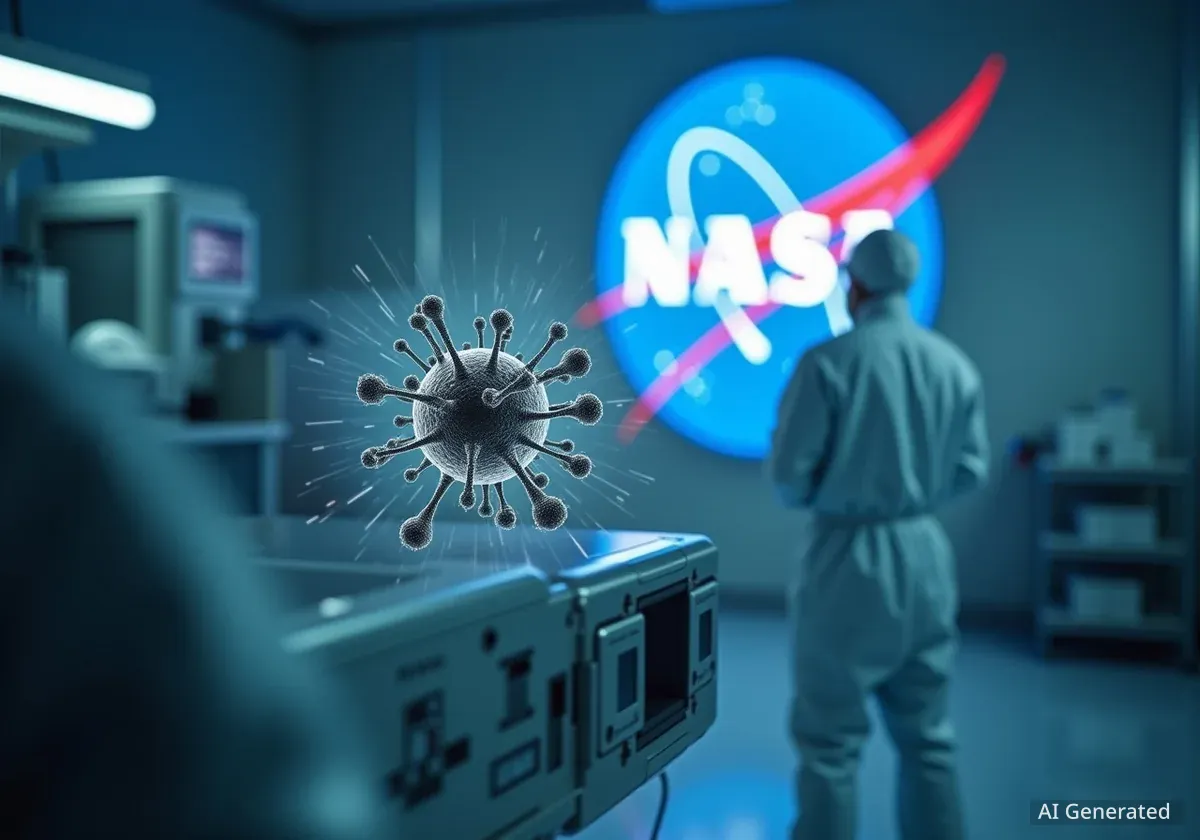
A resilient bacterium found in NASA's sterile clean rooms can enter a dormant state to survive cleaning, posing a risk of contaminating other planets.
A three-year mission to Mars will push the human body to its biological limits, offering a unique opportunity to study accelerated aging and disease for benefits on Earth.