

A female mouse that spent two weeks orbiting 400 kilometers above Earth has successfully given birth after returning, a development that provides critical insights into the future of long-term human space travel. The event marks a significant step in understanding how the harsh conditions of space, including microgravity and radiation, affect mammalian reproduction.
Key Takeaways
- A mouse that flew on China’s Shenzhou-21 mission gave birth to a healthy litter after 14 days in orbit.
- The successful birth suggests short-term spaceflight may not impair mammalian reproductive capabilities upon return to Earth.
- This research is a foundational step for assessing the risks of long-term human missions, including potential colonization of Mars.
- Scientists will now study the offspring to identify any potential long-term or generational effects of their parent's space travel.
A Groundbreaking Journey
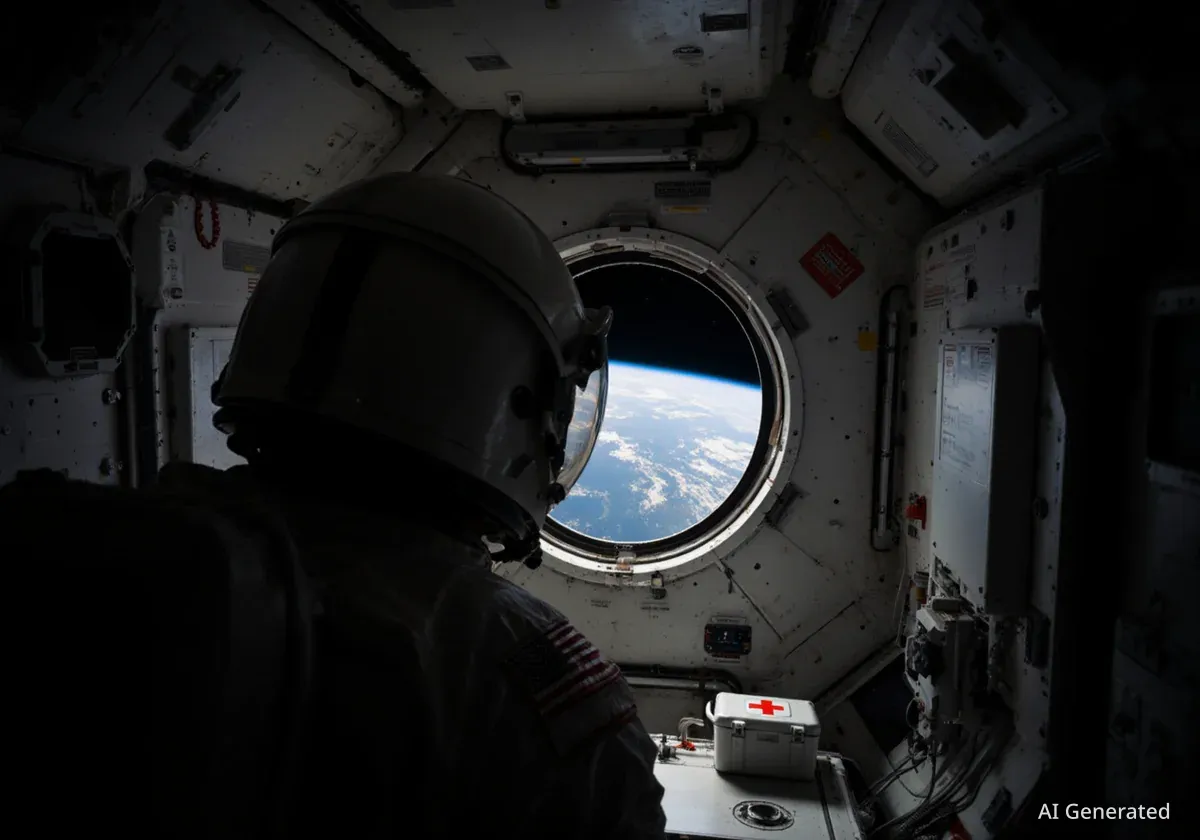
The experiment began on October 31, when four mice were launched aboard the Shenzhou-21 mission to China's space station. For two weeks, the mammals lived in a microgravity environment, exposed to the unique physical strains and radiation levels found in low-Earth orbit. They safely returned to Earth on November 14.
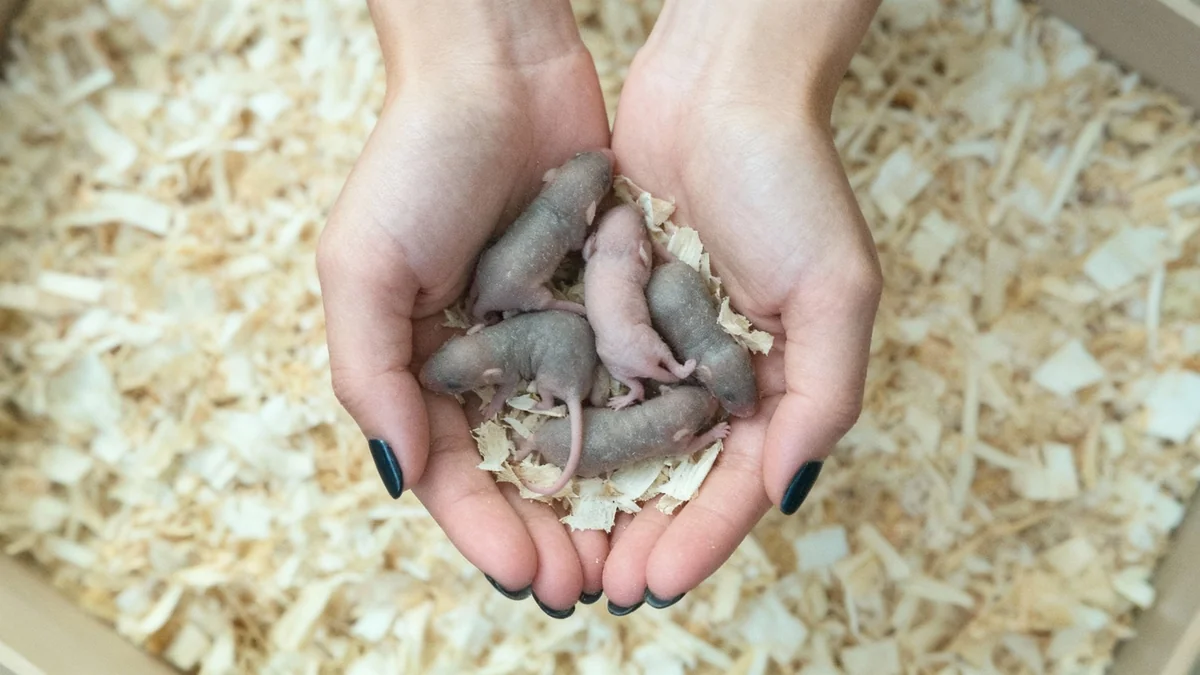
Less than a month later, on December 10, one of the female mice delivered a litter of nine pups. Six of the pups survived, a survival rate considered normal for laboratory mice, indicating a successful birth process post-flight.
The Challenge of Reproduction in Space
One of the biggest unanswered questions for human deep-space exploration is whether reproduction is viable. The effects of reduced gravity and increased radiation on conception, fetal development, and birth are largely unknown. Experiments like this one are designed to gather foundational data before human trials can even be considered.
The Scientific Significance
While a single successful litter does not resolve all concerns, it answers a crucial preliminary question. According to Wang Hongmei, a researcher at the Chinese Academy of Sciences’ Institute of Zoology, the finding suggests that a short-duration spaceflight did not cause irreversible damage to the mouse's reproductive system.
Mice are often used in such studies because their biological systems share important similarities with humans. Their rapid reproductive cycle allows scientists to observe effects across generations in a much shorter timeframe than would be possible with other mammals.
"If space exposure disrupts something fundamental about mammalian reproduction, mice are often the first place it shows up," explained one researcher involved in similar studies. This experiment moves beyond previous research, which had only confirmed that mouse sperm exposed to space could still fertilize eggs on Earth.
Adapting in Orbit
The mission was not without challenges. An unexpected schedule change extended the mice's stay in orbit, raising concerns about their food supply. Ground crews quickly adapted, testing and approving soy milk from the astronauts' own provisions as a safe and viable emergency food source for the mice.
Next Steps and Future Questions
The research is far from over. Scientists are now closely monitoring the six surviving pups. Their primary focus will be on tracking their growth patterns and overall physiological development. The goal is to detect any subtle health issues that may not be immediately apparent.
Key areas of observation include:
- Growth Rates: Are the pups developing at a normal pace compared to control groups on Earth?
- Behavioral Patterns: Do they exhibit any unusual behaviors that could be linked to their parent's space exposure?
- Future Reproduction: The ultimate test will be whether these pups can reproduce normally themselves, which would indicate no inherited reproductive issues.
This long-term observation is critical for understanding potential generational impacts. While the first-generation birth is a positive sign, it doesn't rule out latent effects from space radiation that could manifest later.
The Path to Human Habitation
The experiment provides a small but reassuring piece of the puzzle for agencies planning multi-year missions to the Moon and Mars. Before humanity can establish permanent off-world settlements, ensuring that life can continue and procreate is a biological necessity.
This successful birth demonstrates that, at the very least, the fundamental biology of mammalian reproduction remains intact after a short journey into space. It's a crucial data point that rules out the worst-case scenario of immediate and catastrophic reproductive damage. While questions about conception and gestation in space remain unanswered, this result provides a foundation for future, more ambitious experiments.