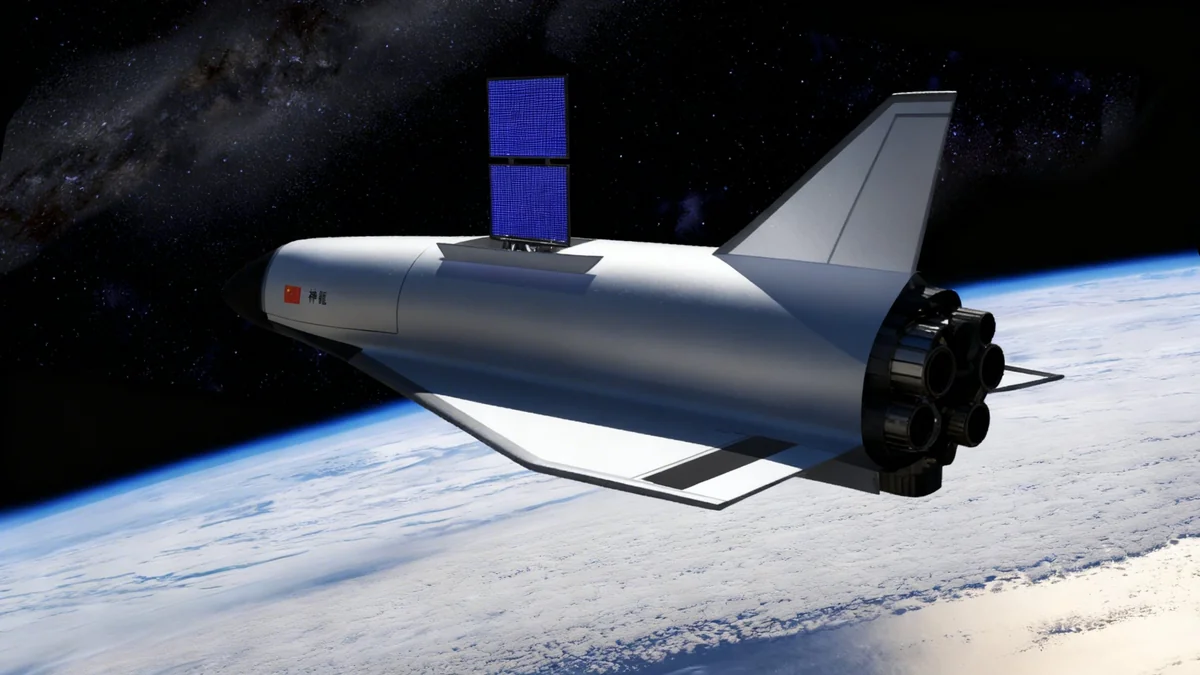
China's Shenlong Space Plane: What Is It Doing in Orbit?
China's secretive Shenlong space plane is on its fourth mission, demonstrating advanced orbital maneuvers that differ from its U.S. counterpart, the X-37B.

#Shenlong#Space Plane#China
80 articles tagged
China's secretive Shenlong space plane is on its fourth mission, demonstrating advanced orbital maneuvers that differ from its U.S. counterpart, the X-37B.
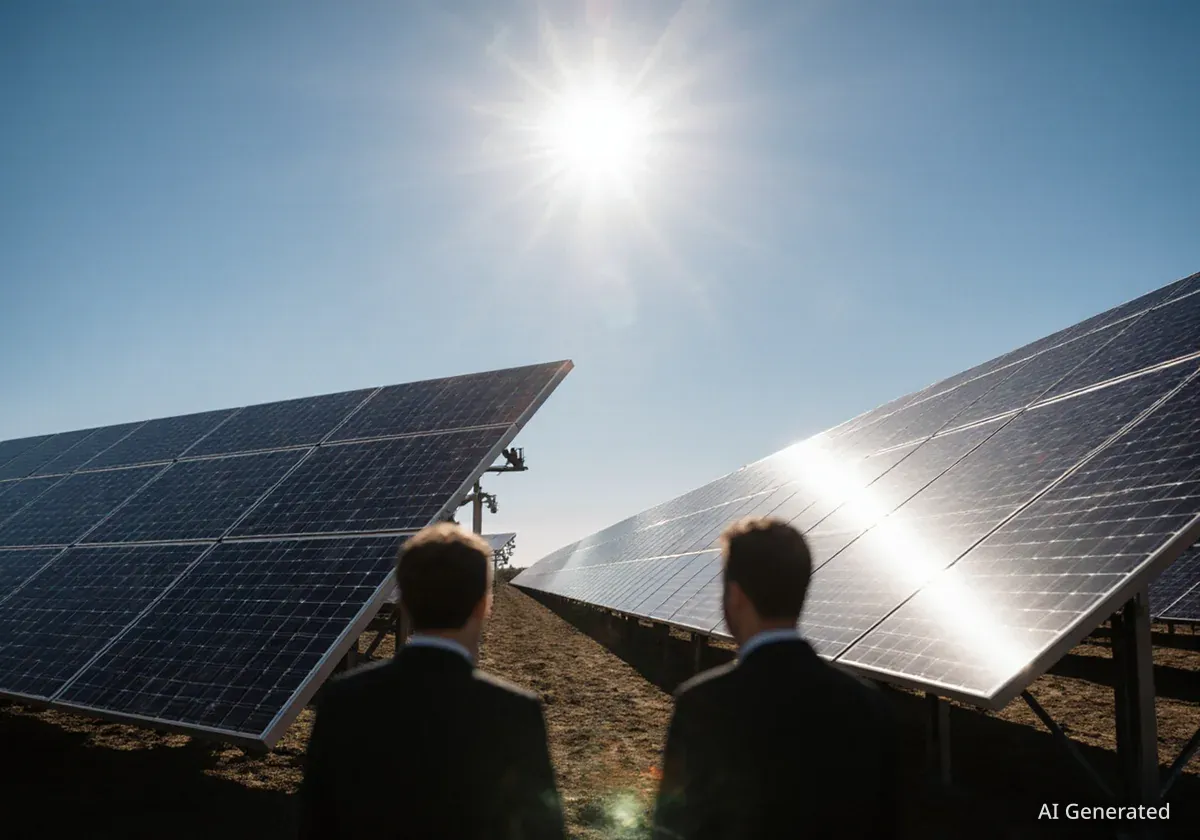
Shares of major Chinese solar manufacturers surged as much as 20% following local media reports that a team linked to Elon Musk visited several suppliers.
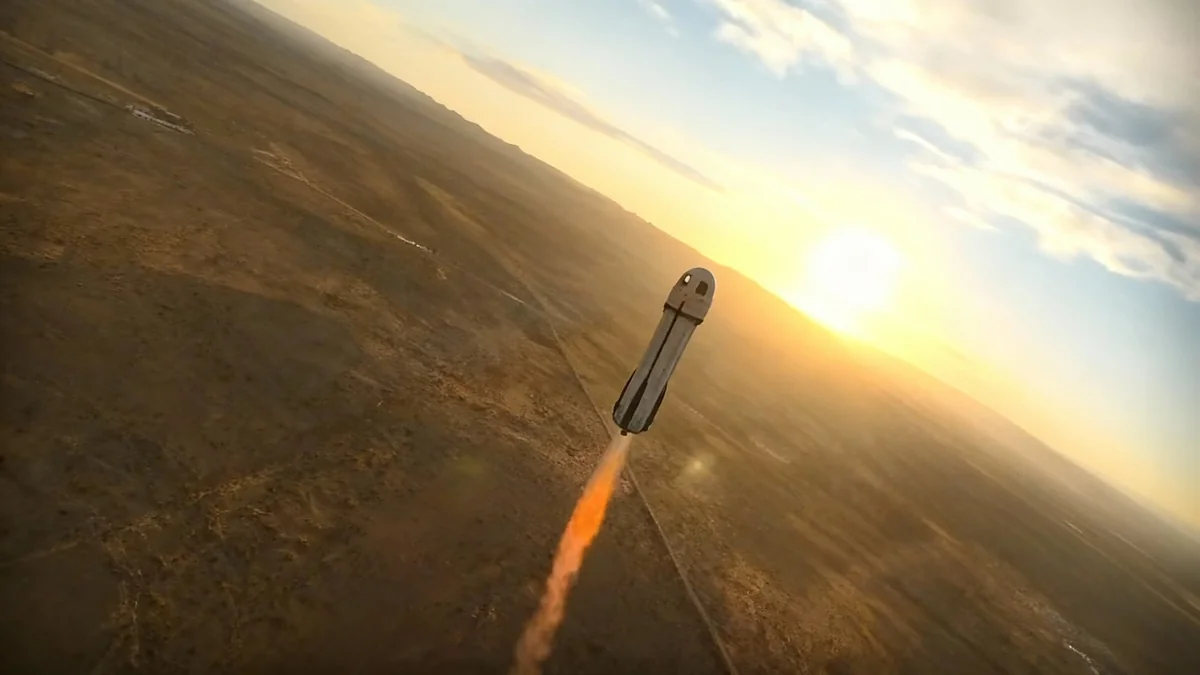
Chinese startup InterstellOr plans to launch its first commercial space tourism flights by 2028, with tickets priced around $430,000. The company has already signed a celebrity passenger.

Experts urge NASA to execute a sweeping overhaul of its Artemis moon program to counter China's focused space ambitions, warning the U.S. risks falling behind.
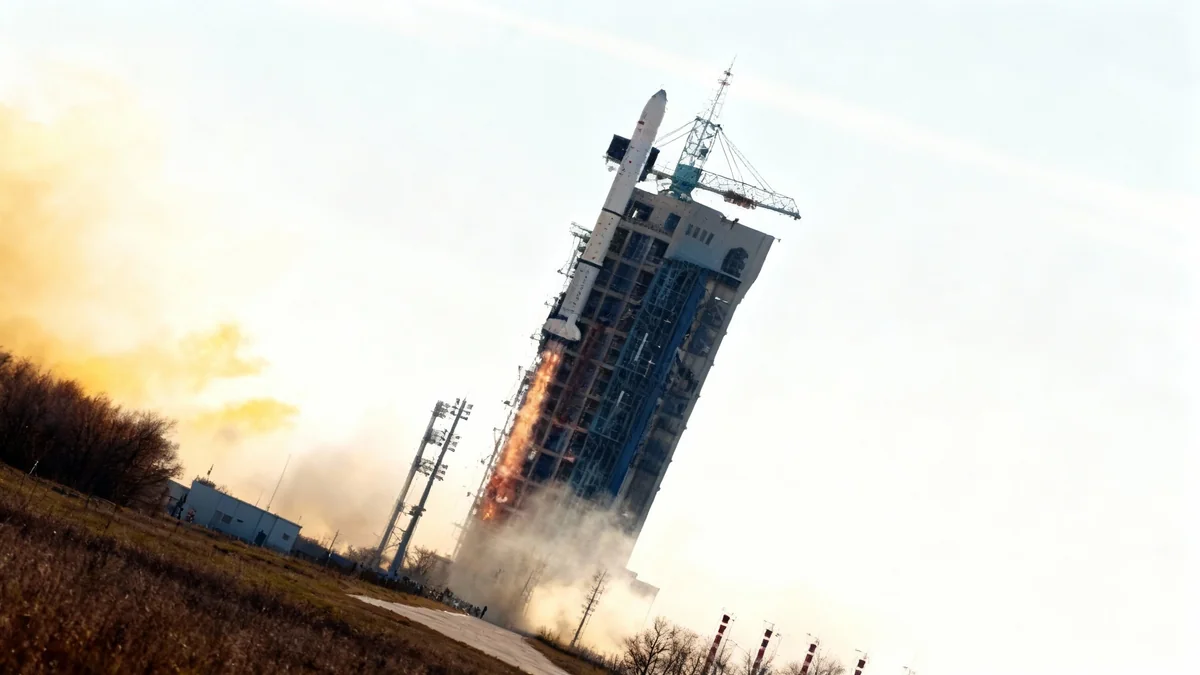
China's space program faced a rare and significant setback with two separate rocket launch failures occurring within a 12-hour span on Friday.
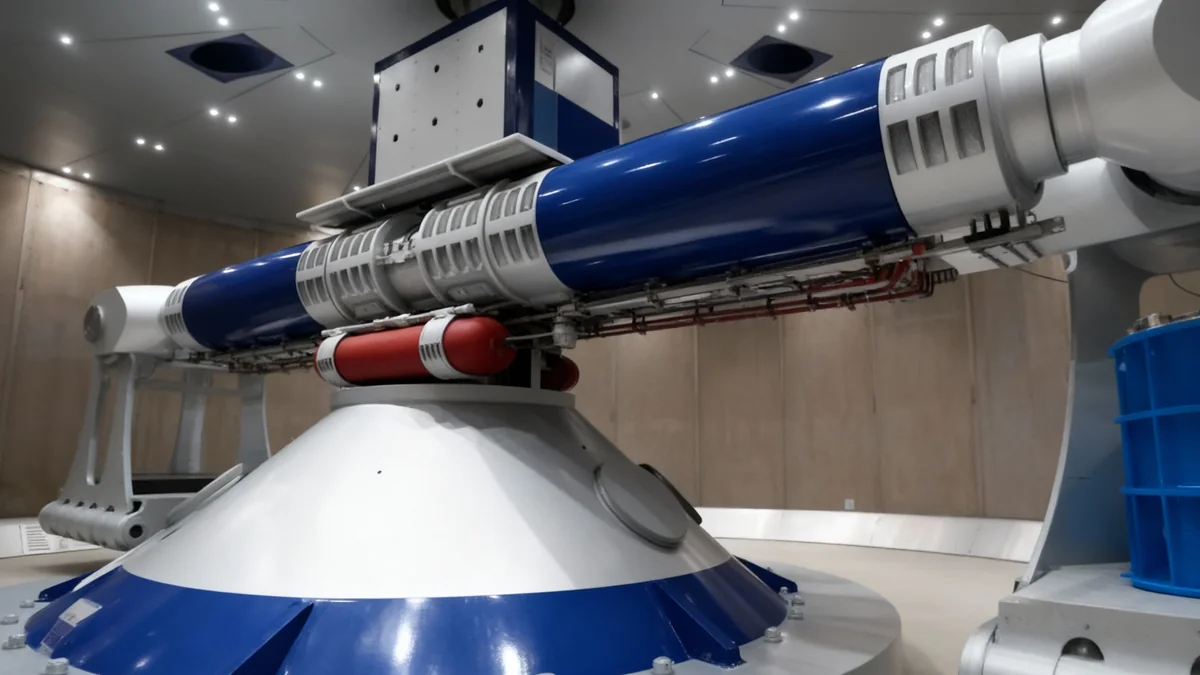
China has activated the CHIEF1900, the world's most powerful centrifuge, capable of simulating 1,900 g-tons to study long-term phenomena in hours.

Chinese firms have filed applications to launch over 200,000 internet satellites, a move that dramatically escalates the global race for low-Earth orbit.
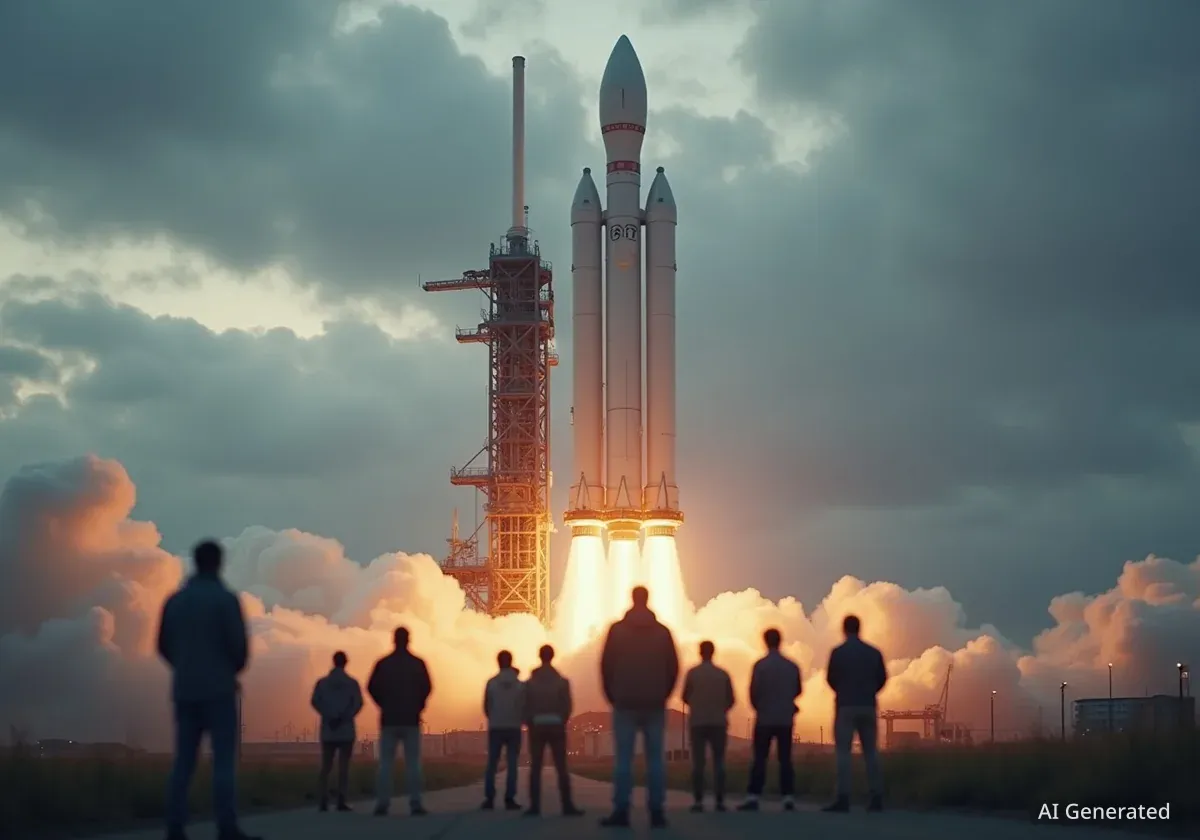
China's private space industry is on the verge of a major breakthrough with reusable rocket technology, aiming to lower launch costs and compete globally.
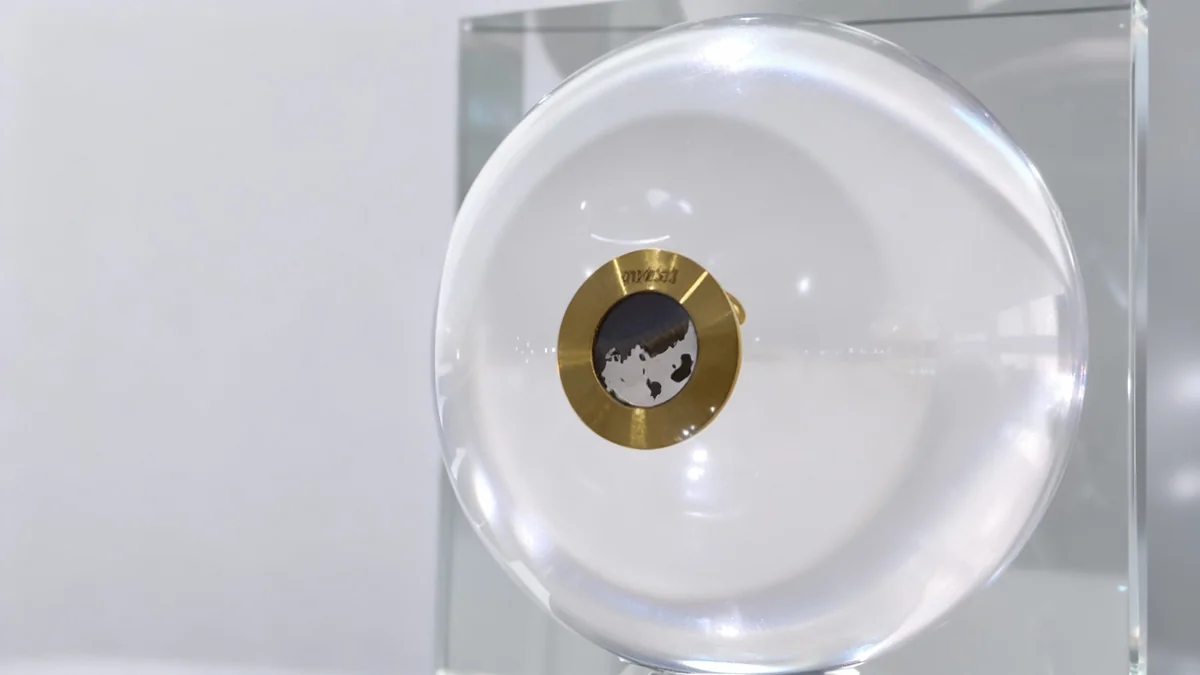
Experts urge the U.S. to dismantle the wall between its civil and military space programs to effectively compete with China's rapid lunar advancements.
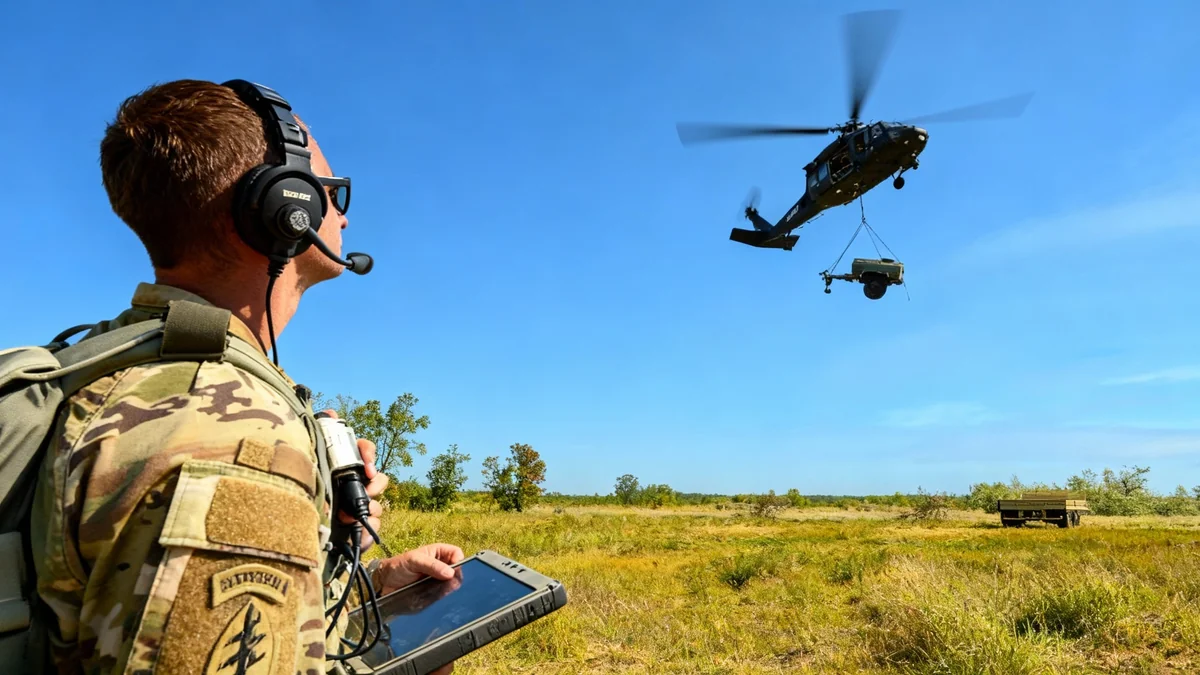
The U.S. Space Force is accelerating its shift to a full warfighting posture in 2026, driven by rising threats from China and Russia in the space domain.
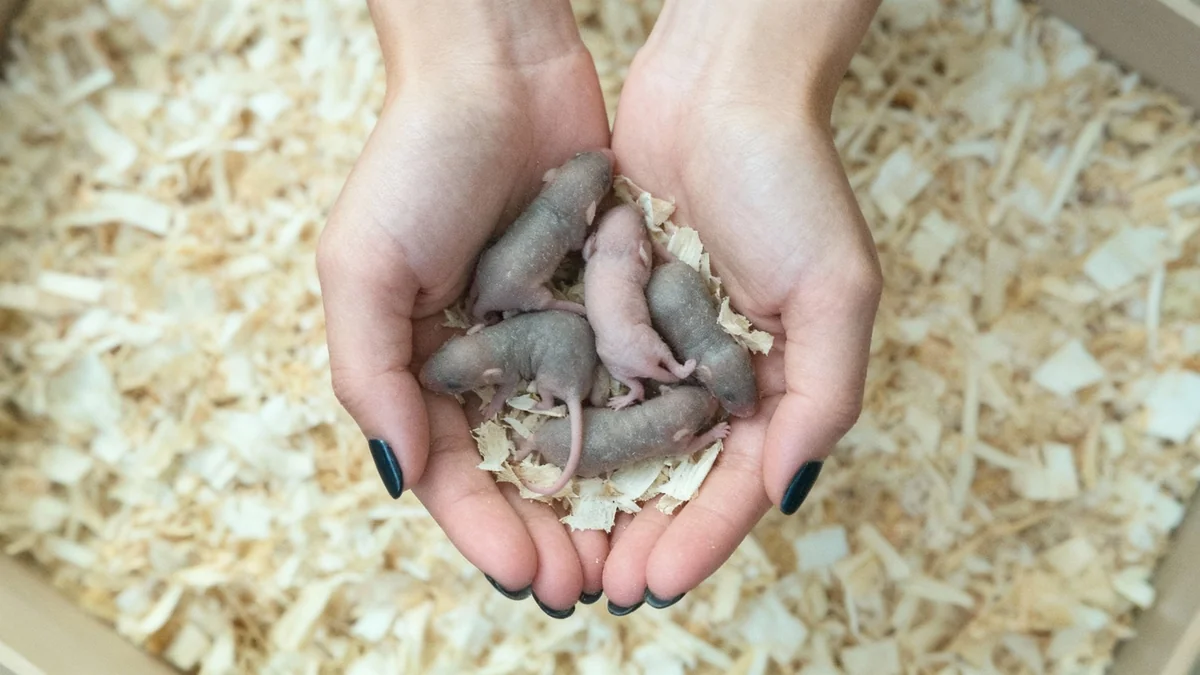
A mouse that spent two weeks in orbit has successfully given birth after returning to Earth, a key development for scientists studying the viability of long-term space habitation.
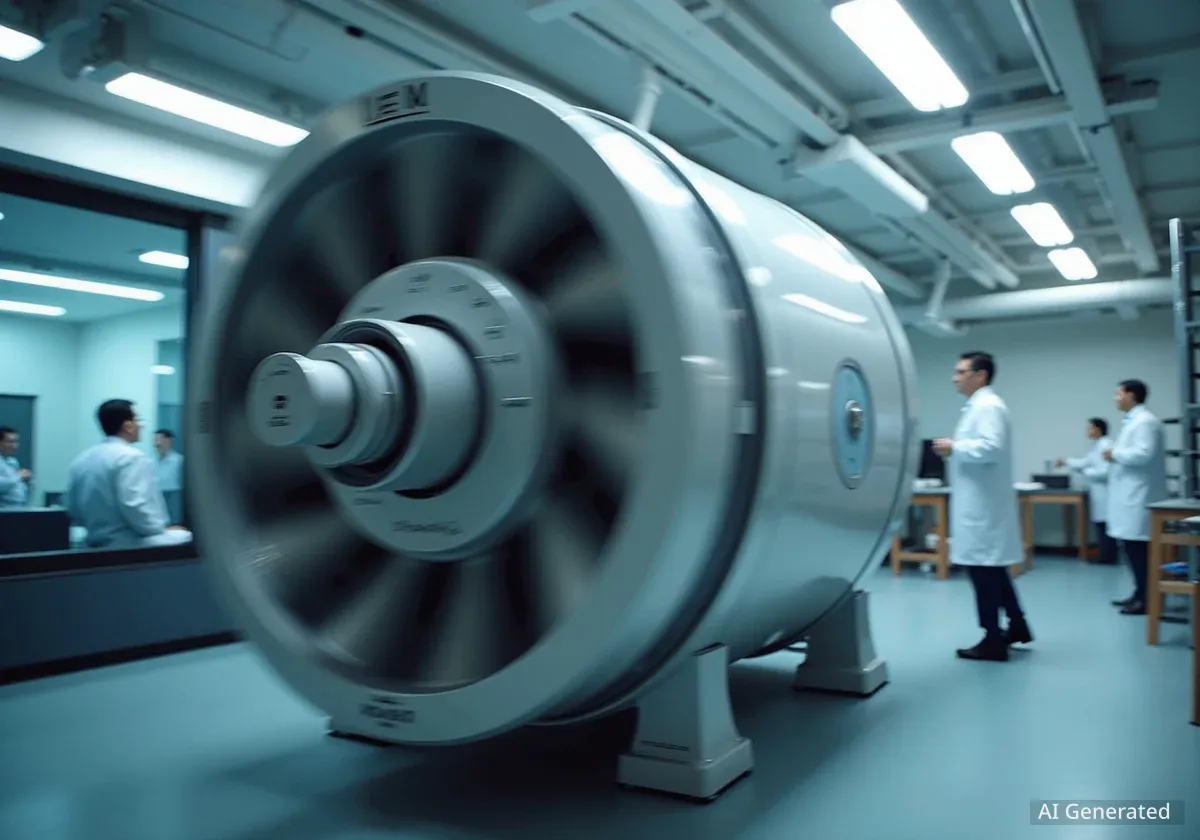
China's Zhejiang University has developed the CHIEF 1900, the world's most powerful hypergravity centrifuge, to test materials and fundamental physics.