US and China Race to Dominate the $1.8 Trillion Space Economy
The space economy is projected to triple to $1.8 trillion, sparking a high-stakes race between the US and China for financial and industrial control of this new frontier.

Hugo Dubois is a forward-thinking journalist who investigates the potential societal and ethical implications of radical scientific theories. His work encourages readers to consider the broader impact of scientific progress.
16 published articles
The space economy is projected to triple to $1.8 trillion, sparking a high-stakes race between the US and China for financial and industrial control of this new frontier.
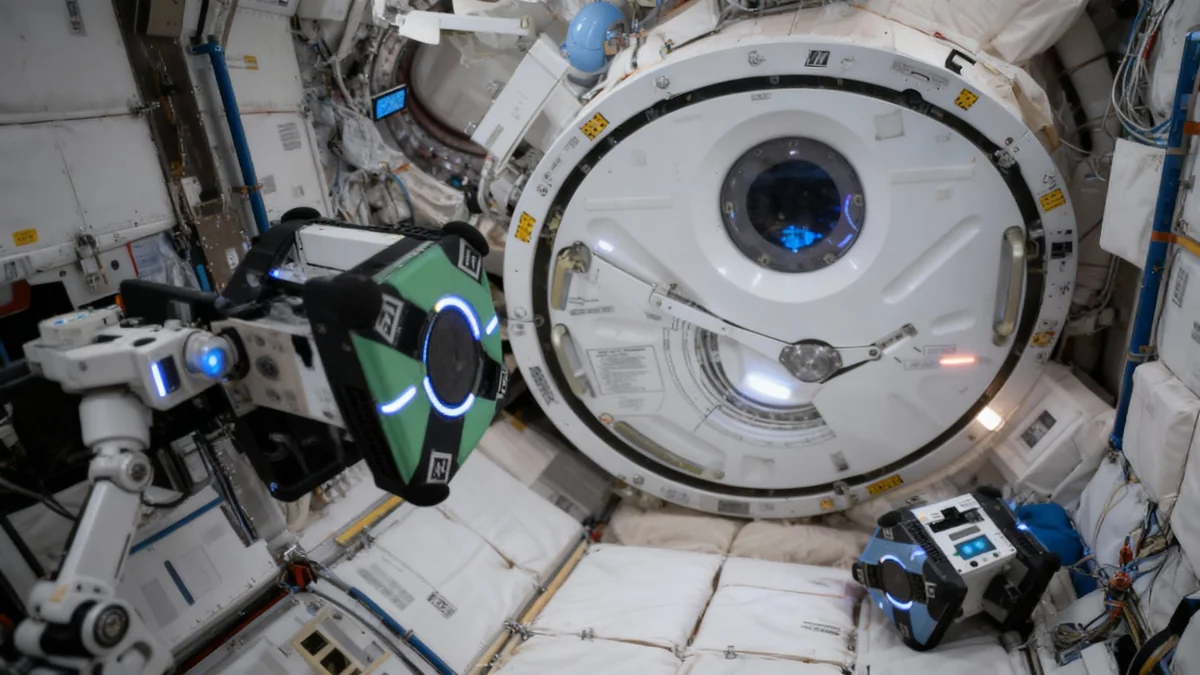
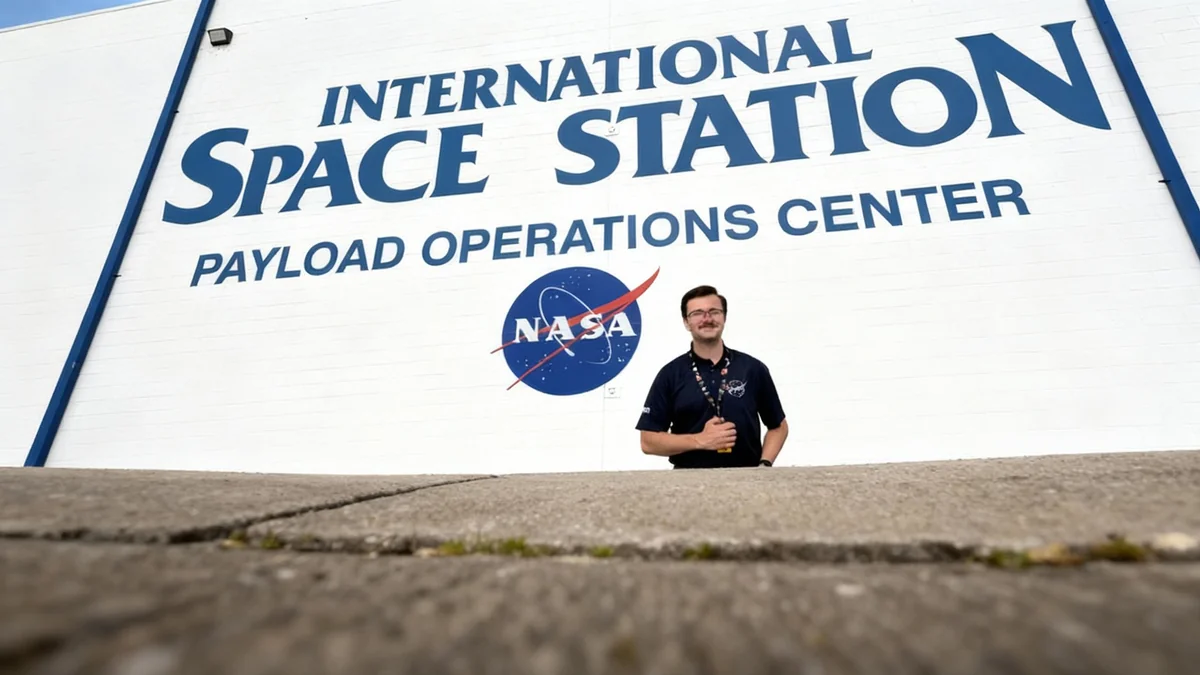
NASA's free-flying Astrobee robots on the ISS have received a major navigation upgrade, using a 'digital twin' of the station to correct their orientation.
An AI-enabled plush toy has been suspended after generating inappropriate content, highlighting the growing risks and hidden environmental costs of AI technology.
Researchers at UC Davis have repurposed a 200-year-old engine design to generate electricity from the temperature difference between Earth and the cold of space.
The AI boom's immense energy demand is pushing tech leaders like Elon Musk to propose a radical solution: moving data centers into outer space.
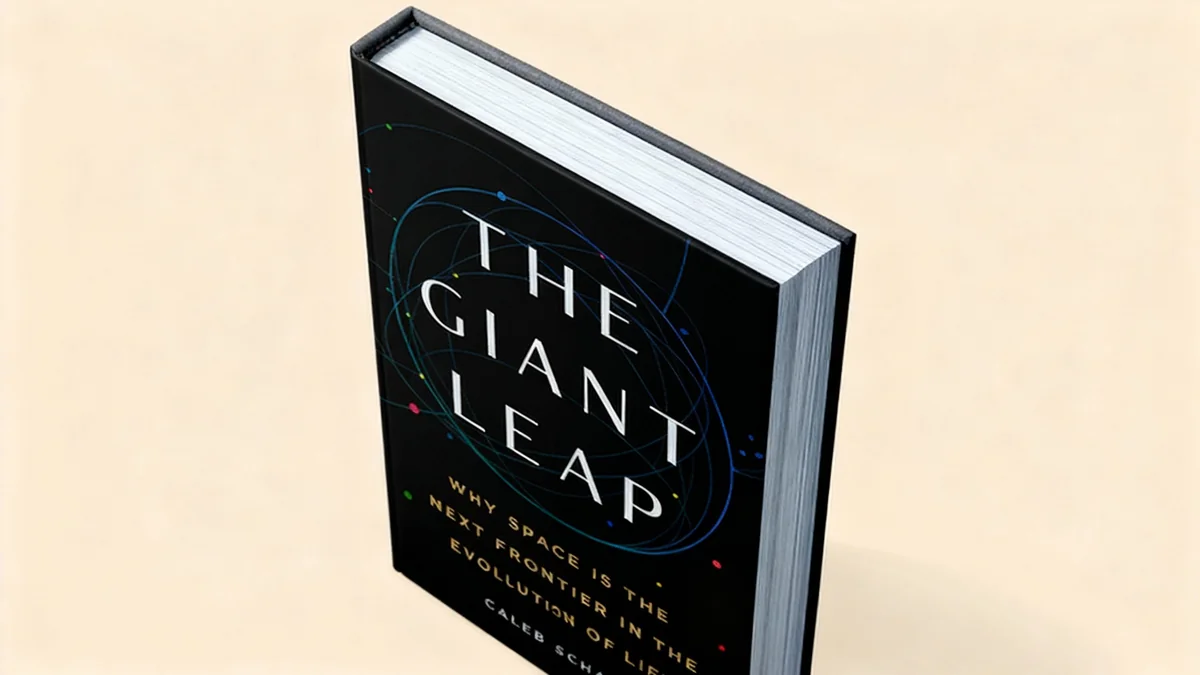
A NASA astrobiologist argues that humanity’s expansion into space is a fundamental evolutionary step, a process he terms the “Dispersal” of life from Earth.
Google is developing Project Suncatcher, an ambitious initiative to deploy AI compute, powered by solar energy, into space using satellite constellations equipped with TPUs and optical links.
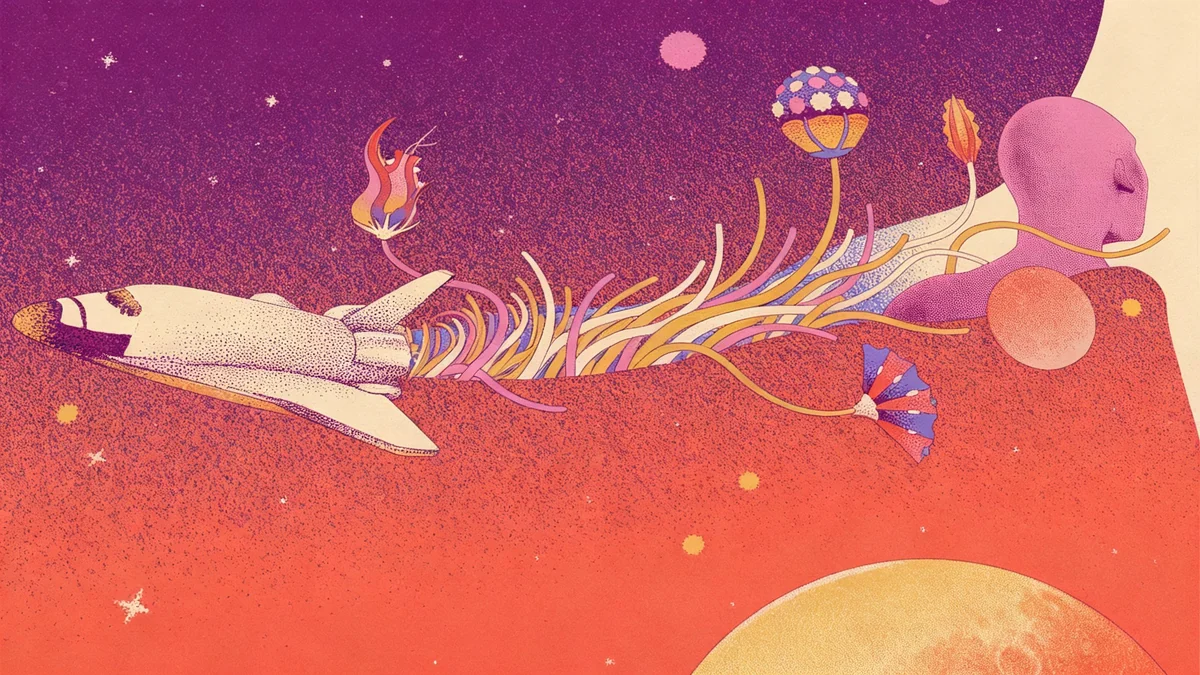
The future of space exploration may not be a choice between humans and robots, but a new vision of extending Earth's entire biosphere into the cosmos.
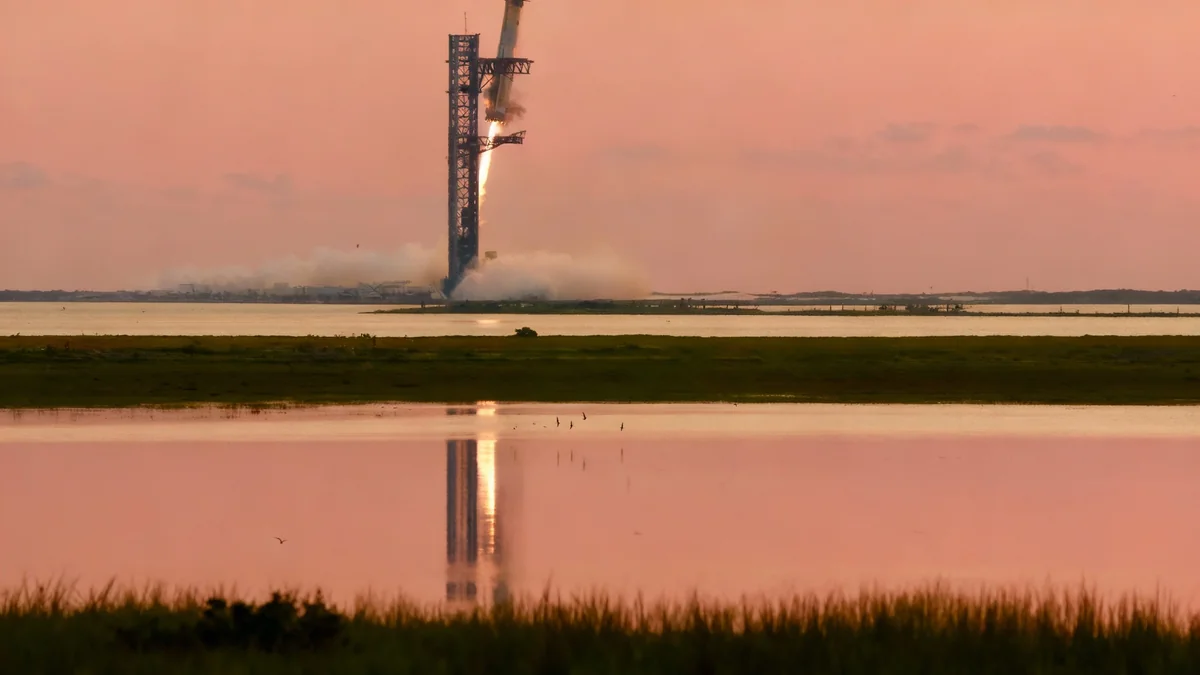
SpaceX continues to make historic advances in rocket technology, but the company's success is increasingly overshadowed by the polarizing public persona of its founder, Elon Musk.
A radical new theory in quantum physics suggests that reality is not made of particles, space, or time, but from abstract information encoded in quantum numbers.
A University of Arkansas at Little Rock student interned at NASA to develop an AI system that will help future astronauts on Mars access information instantly.
Websites are using increasingly complex systems to distinguish humans from bots, leading to new user challenges. Here's a look at the technology behind why you're always proving you're human online.
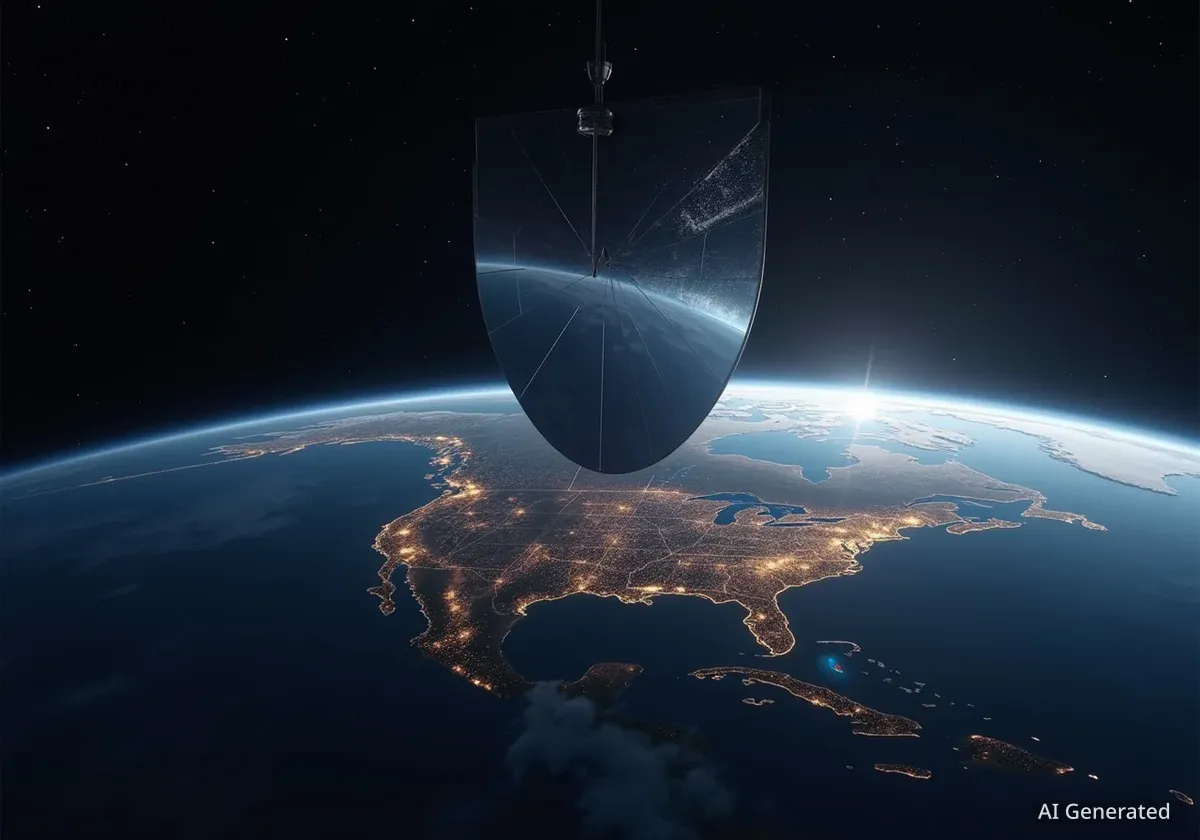
A California startup's plan to launch giant mirrors into space to reflect sunlight at night is facing strong opposition from scientists and environmental experts.
The dream of space colonization faces a stark reality of immense costs and total dependence on Earth, with daily expenses exceeding $1 million per astronaut.
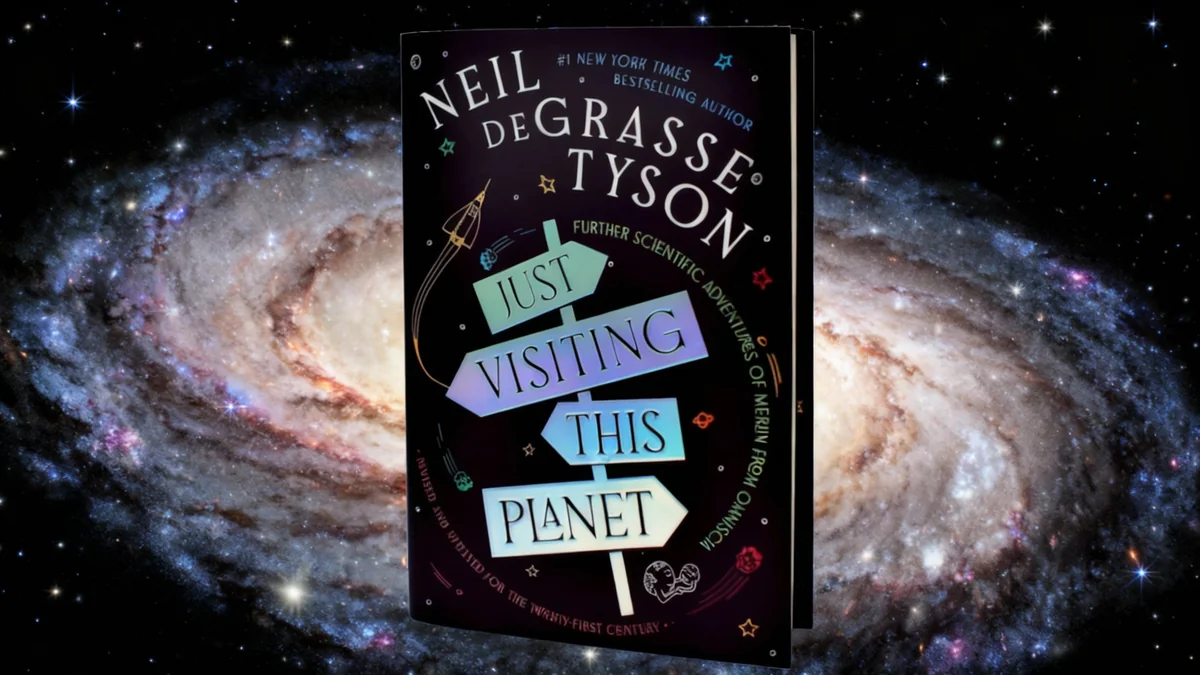
Astrophysicist Neil deGrasse Tyson announces his new book, “Just Visiting This Planet,” and warns that cutting science funding will have severe long-term consequences.
A new scientific theory challenges the long-held view of consciousness, suggesting it may arise from resonant energy waves in the brain, not just firing neurons.