A Guide to Chasing the Northern Lights This Season
An active solar cycle is increasing the chances of northern lights displays. Learn what drives auroras and how to read forecasts to improve your chances of seeing them.

11 articles tagged

An active solar cycle is increasing the chances of northern lights displays. Learn what drives auroras and how to read forecasts to improve your chances of seeing them.

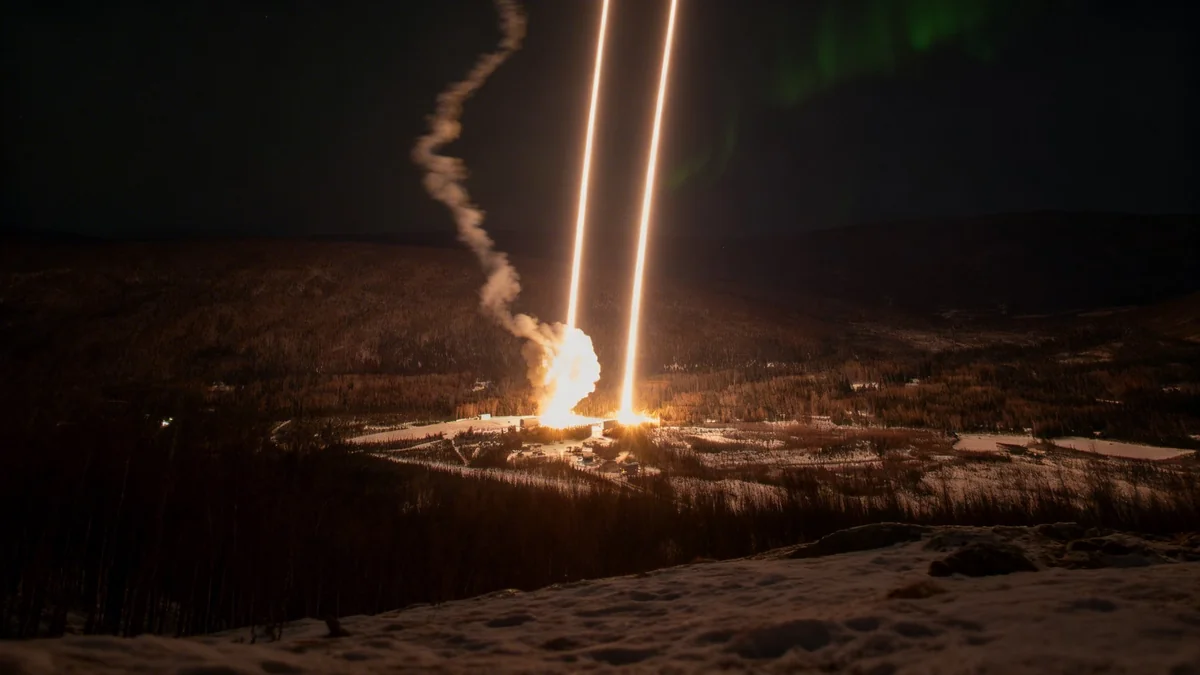
NASA has launched a series of sounding rockets into the aurora borealis from Alaska to study the complex electrical systems that power the northern lights.

NASA has released a stunning new timelapse video from the International Space Station, showing vibrant green auroras dancing over the Earth's curve.

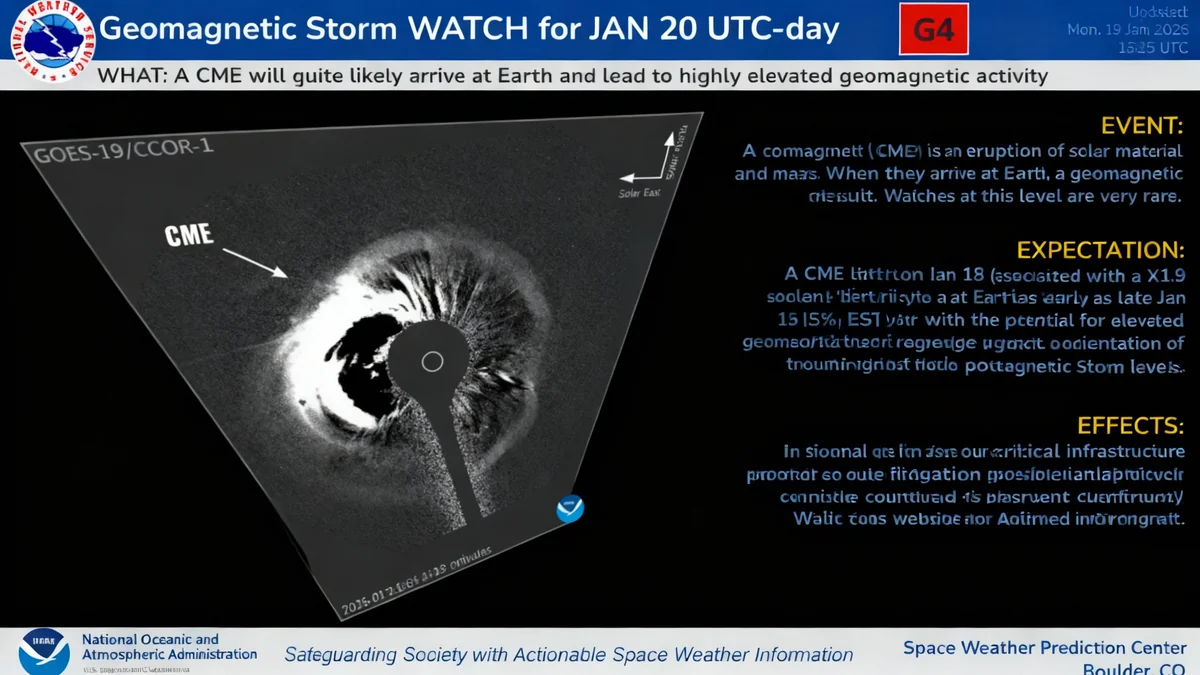
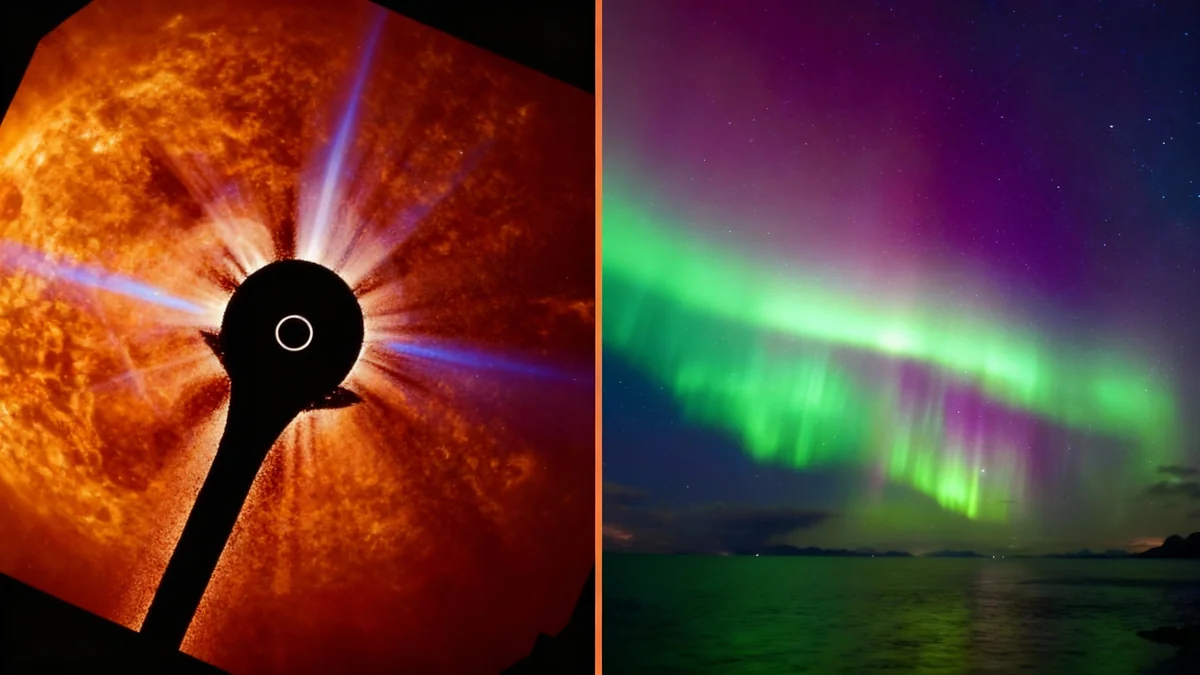
A G4 (Severe) geomagnetic storm watch is in effect for January 20, 2026, after a major solar eruption sent a coronal mass ejection directly toward Earth.

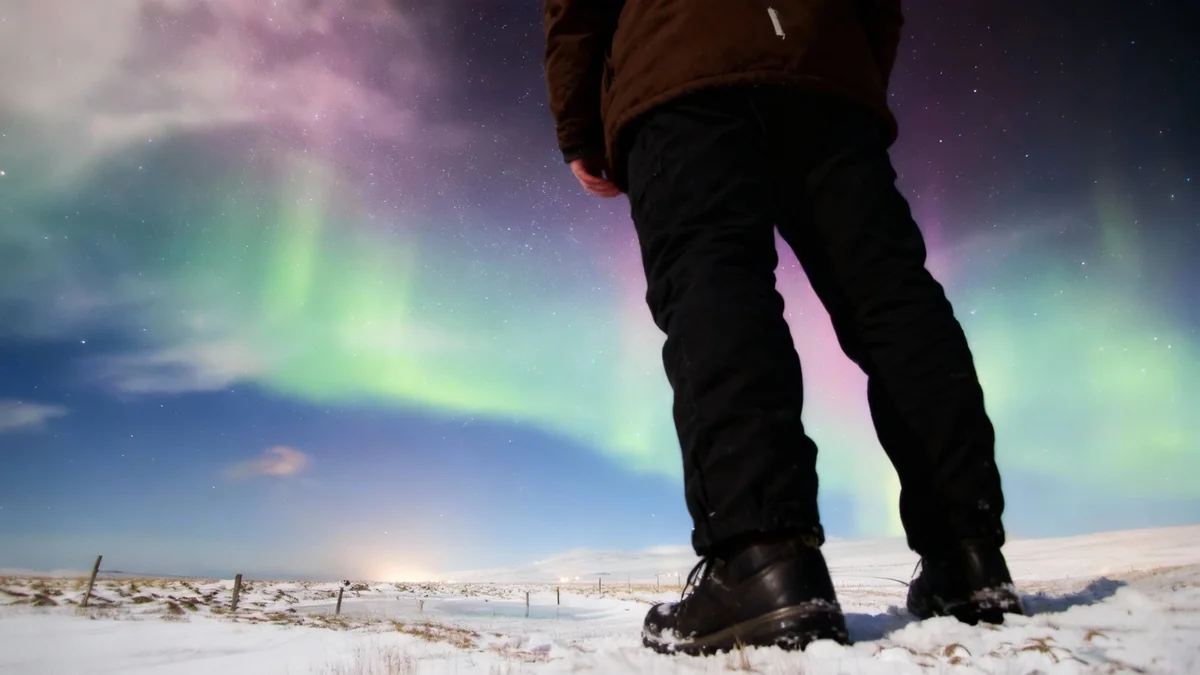
Heightened solar activity is triggering more frequent and intense northern lights displays, with recent solar storms pushing the aurora into lower latitudes.

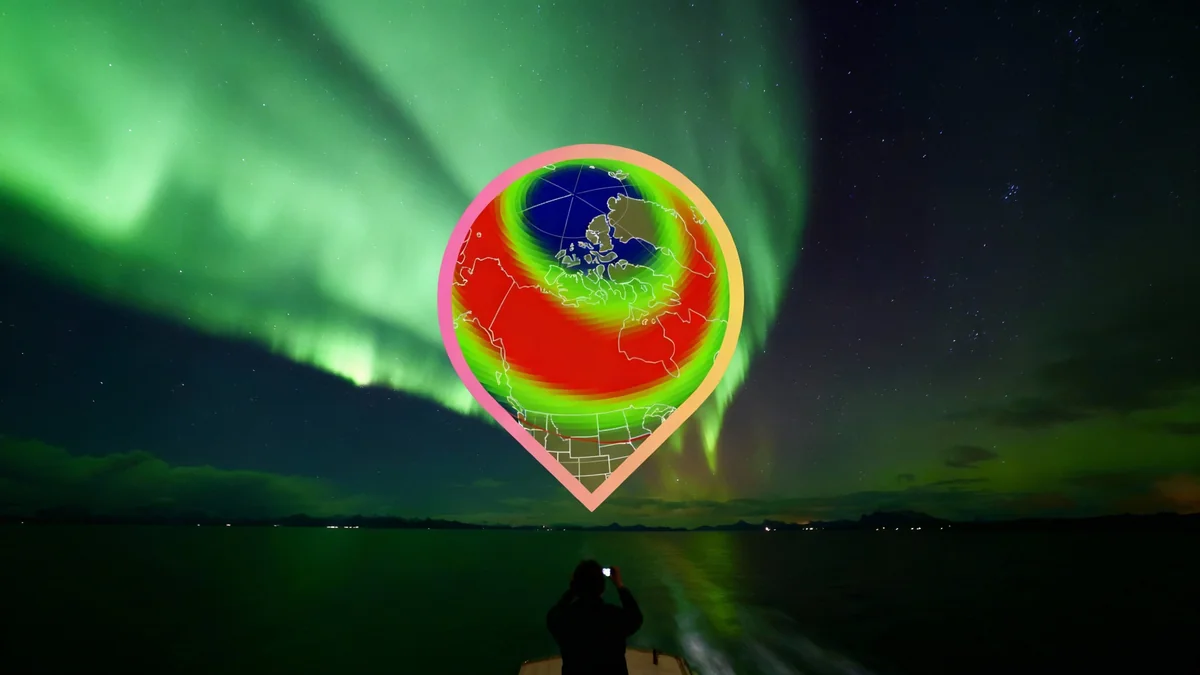
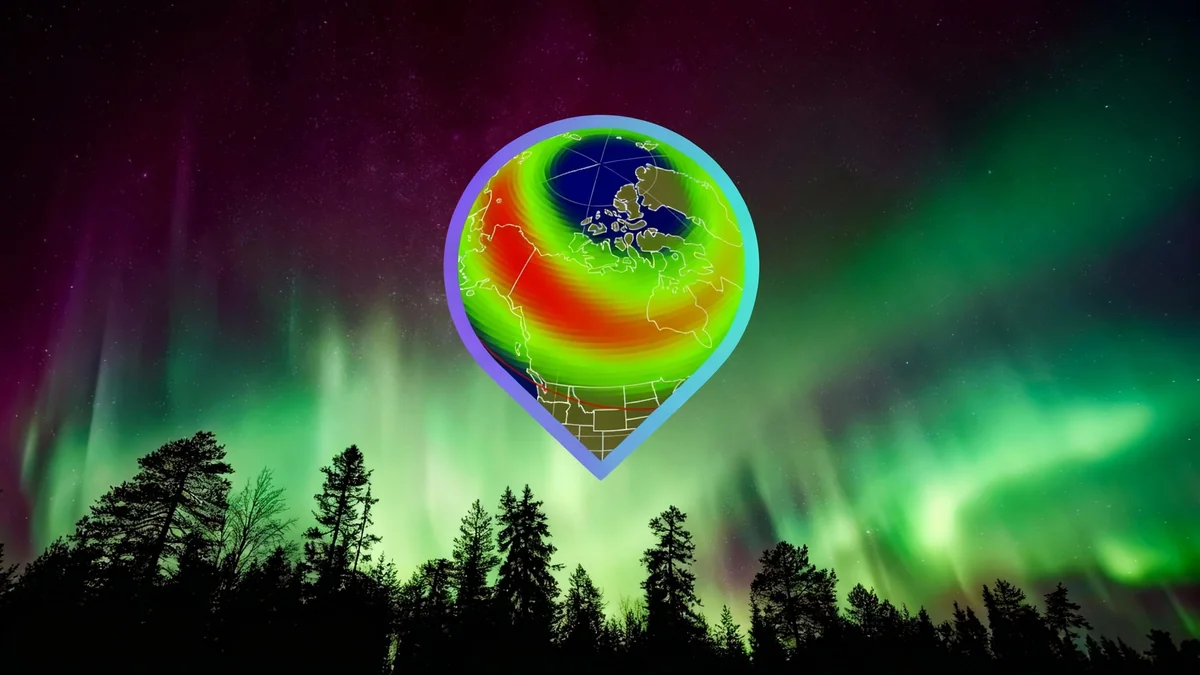
A minor geomagnetic storm could make the northern lights visible across 14 northern US states tonight, with peak viewing times forecasted by NOAA.

A geomagnetic storm may make the northern lights visible across 10 U.S. states tonight, with peak activity expected in the early evening hours.

Earth is bracing for a series of solar storms this weekend after multiple eruptions from the sun. While one event has passed, at least three more are expected.

Earth is bracing for a significant geomagnetic storm after a surprise solar event created stunning auroras. A larger eruption is en route, with potential for tech disruptions.

A moderate geomagnetic storm forecast for tonight could make the northern lights visible across 15 northern U.S. states, according to NOAA.

A surprise G3 geomagnetic storm, caused by a hidden magnetic feature on the sun, triggered stunning aurora displays visible across much of the United States.