Astronomers Unveil Most Detailed Map of Milky Way's Core
Using the world's largest radio telescope, astronomers have captured the most detailed image ever of the Milky Way's core, revealing its chemical makeup and secrets of star formation.

15 articles tagged

Using the world's largest radio telescope, astronomers have captured the most detailed image ever of the Milky Way's core, revealing its chemical makeup and secrets of star formation.

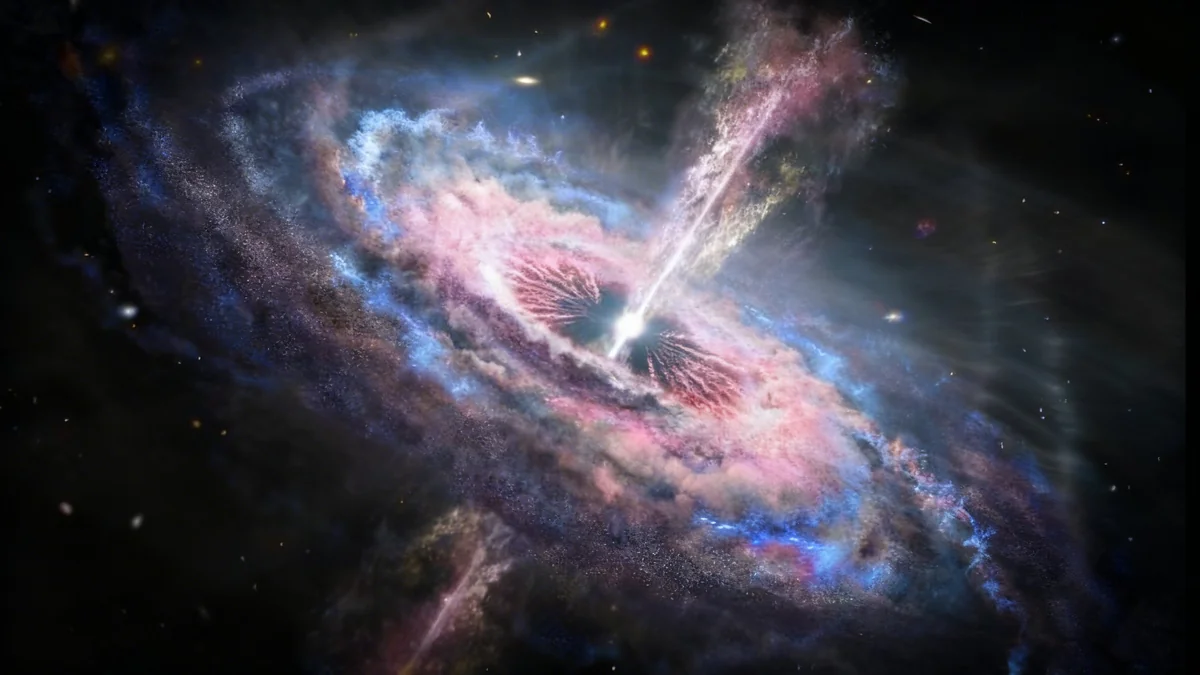
New research from the James Webb Space Telescope reveals that supermassive black holes can prevent star formation in neighboring galaxies up to a million light-years away.

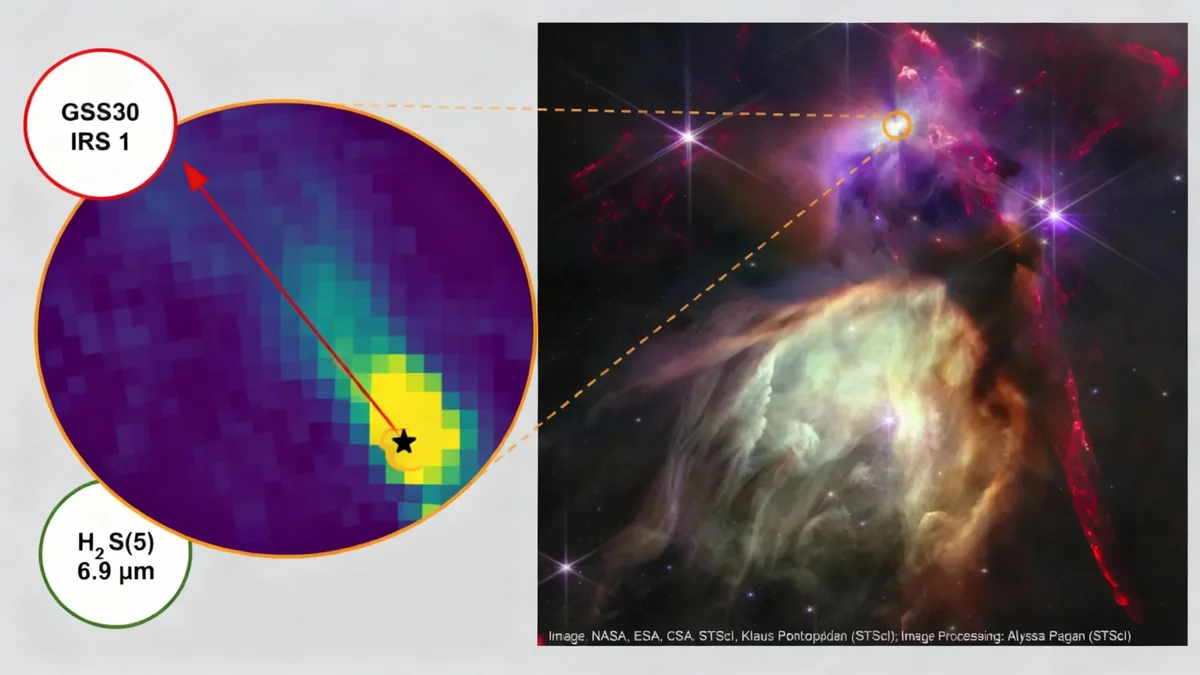
Astronomers have discovered over 400 cosmic 'tree rings' around a young star, providing the first direct evidence of how stars grow through violent outbursts.

Located 2,700 light-years away, the stellar nursery NGC 2264 offers a detailed look at star formation, featuring the famous Christmas Tree cluster and Cone Nebula.

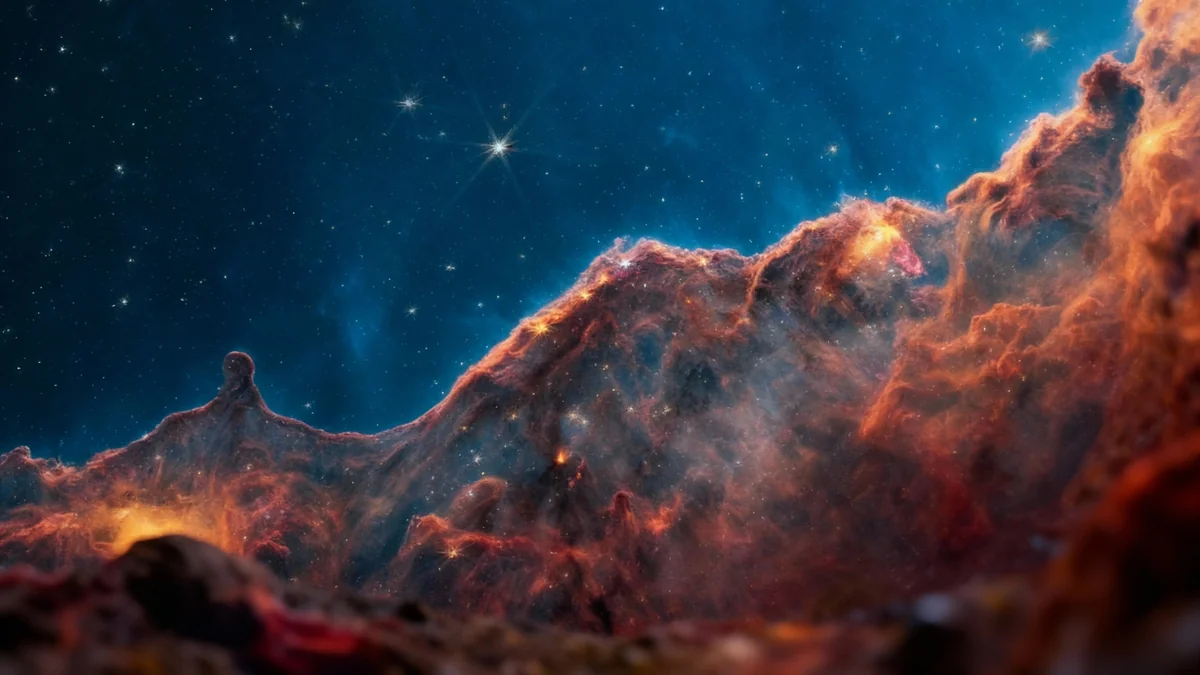
The James Webb Space Telescope has captured a stunning new image, the 'Cosmic Cliffs', revealing a hidden stellar nursery in the Carina Nebula, 9,100 light-years away.

A new study using the James Webb Space Telescope reveals unexpected UV radiation around infant stars, challenging current theories of star formation.

Astronomers have captured a stunning, highly detailed image of a giant bat-shaped nebula located 10,000 light-years away, revealing an active star-forming region.

New research on the V883 Orionis star system shows its water is older than the star itself, suggesting Earth's water may also predate the sun.

NASA's James Webb Space Telescope has captured a stunningly detailed new image of the Pillars of Creation, revealing newborn stars hidden within the cosmic dust.

The James Webb Space Telescope has captured a detailed new image of NGC 346, a vibrant star-forming region located 210,000 light-years away.

A new scientific review suggests cosmic dust is more like a fluffy sponge than a solid rock, a finding that could reshape our understanding of star and planet formation.

The James Webb Space Telescope has captured detailed new images of Sagittarius B2, the largest star-forming region in the Milky Way, located 25,000 light-years away.