Space Force Taps Commercial AI to Track Orbital Threats
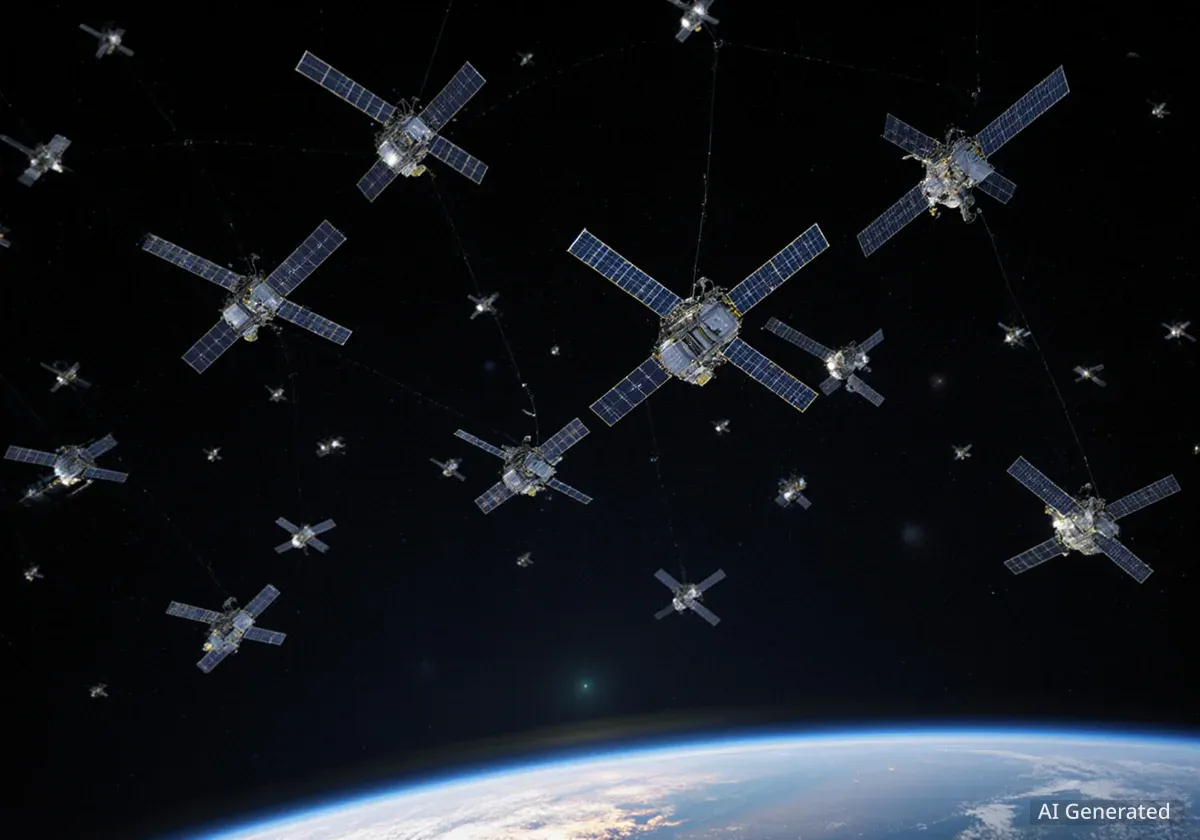
The U.S. Space Force is shifting its strategy for monitoring orbital threats, now integrating commercial data and artificial intelligence through a specialized innovation lab.

82 articles tagged

The U.S. Space Force is shifting its strategy for monitoring orbital threats, now integrating commercial data and artificial intelligence through a specialized innovation lab.

Boeing engineers have successfully tested an AI language model on existing satellite hardware, enabling spacecraft to self-diagnose and report issues in plain English.

Defense leaders at the DefSat 2026 conference warn that the rapidly growing space economy is critically vulnerable without robust cybersecurity measures.

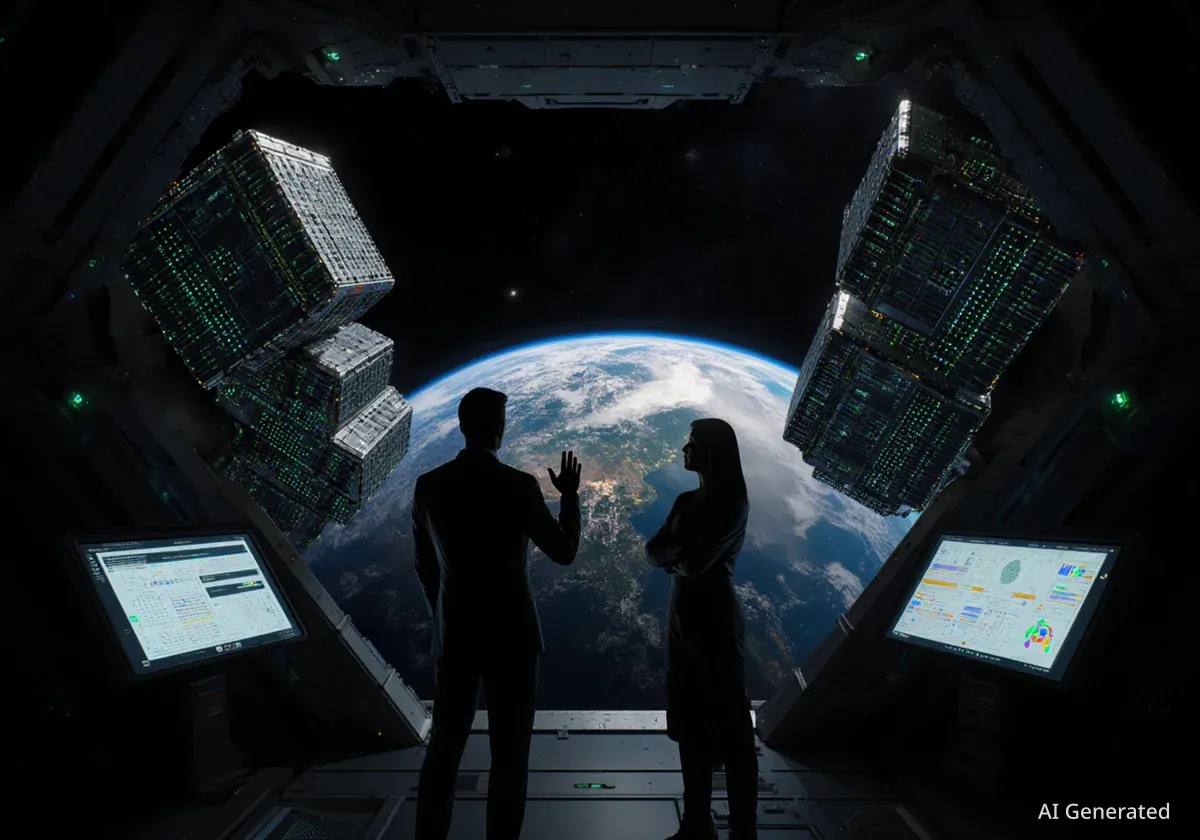
A high-stakes debate is unfolding between tech leaders like Elon Musk and Sam Altman over the feasibility of moving AI data centers into space to meet soaring energy demands.

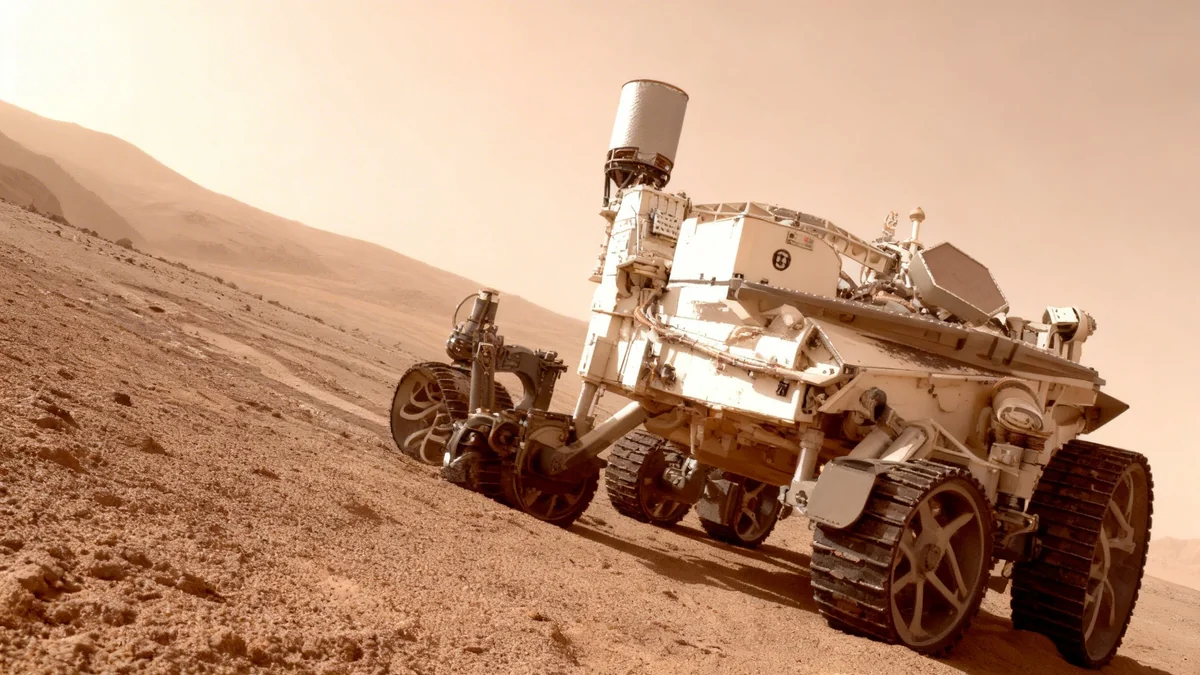
NASA's Perseverance rover can now navigate Mars autonomously with a new system that acts like a GPS, allowing it to pinpoint its location without human help.

As AI's energy demands strain Earth's power grids, tech giants are looking to space. But can orbital data centers overcome the immense engineering hurdles?

Microsoft is exploring high-temperature superconductors to build smaller, more efficient data centers to meet the escalating energy demands of artificial intelligence.

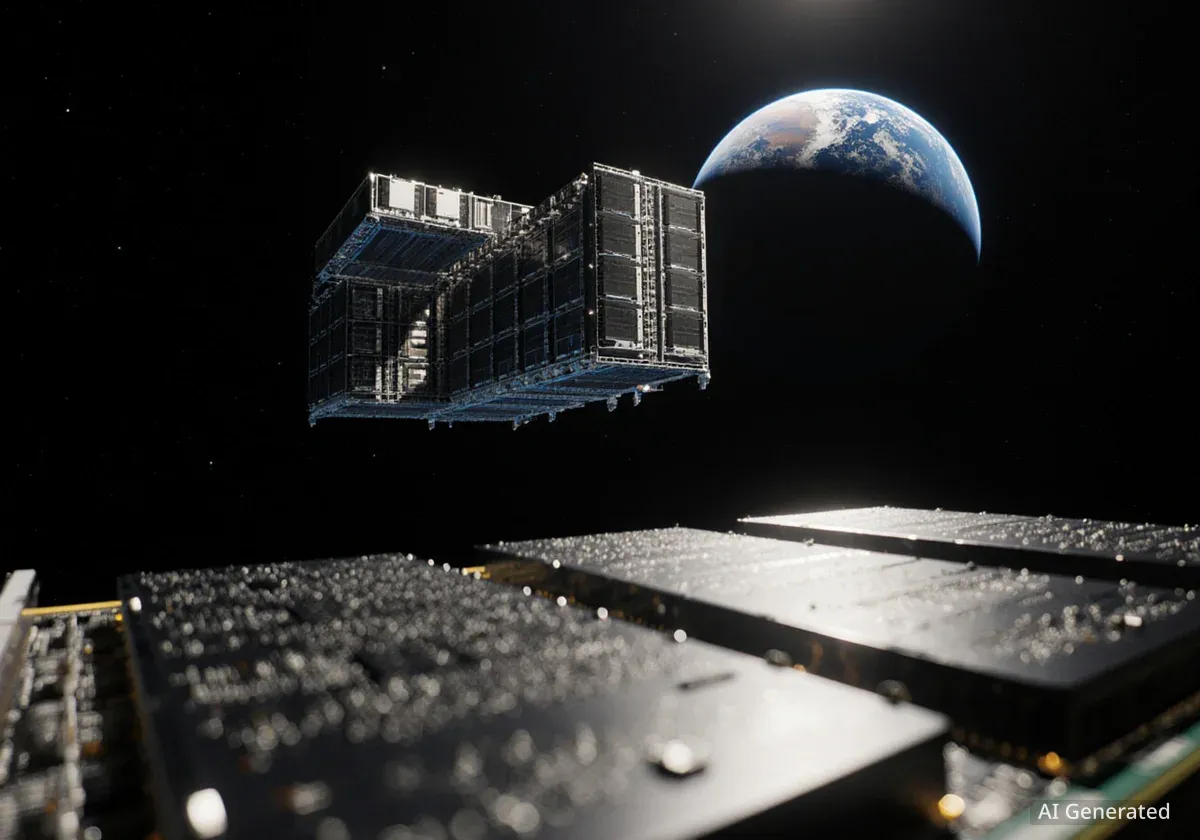
SpaceX plans to launch a million satellites to create a network of orbital data centers, a move Elon Musk calls the 'only way to scale' AI amid Earth's energy constraints.

NASA has announced the "Space to Soil Challenge," a competition with a $400,000 prize pool for new small satellite designs that use AI for Earth observation.

Amazon Web Services CEO Matt Garman has cast doubt on the near-term viability of placing AI data centers in space, citing the immense weight and cost of launching server hardware as major obstacles.

SpaceX has filed a request with the FCC to launch up to one million satellites, aiming to create a massive network of orbital data centers for artificial intelligence.

An AI tool developed by the European Space Agency has discovered 800 previously unknown cosmic objects by analyzing 35 years of archival data from the Hubble Telescope.