
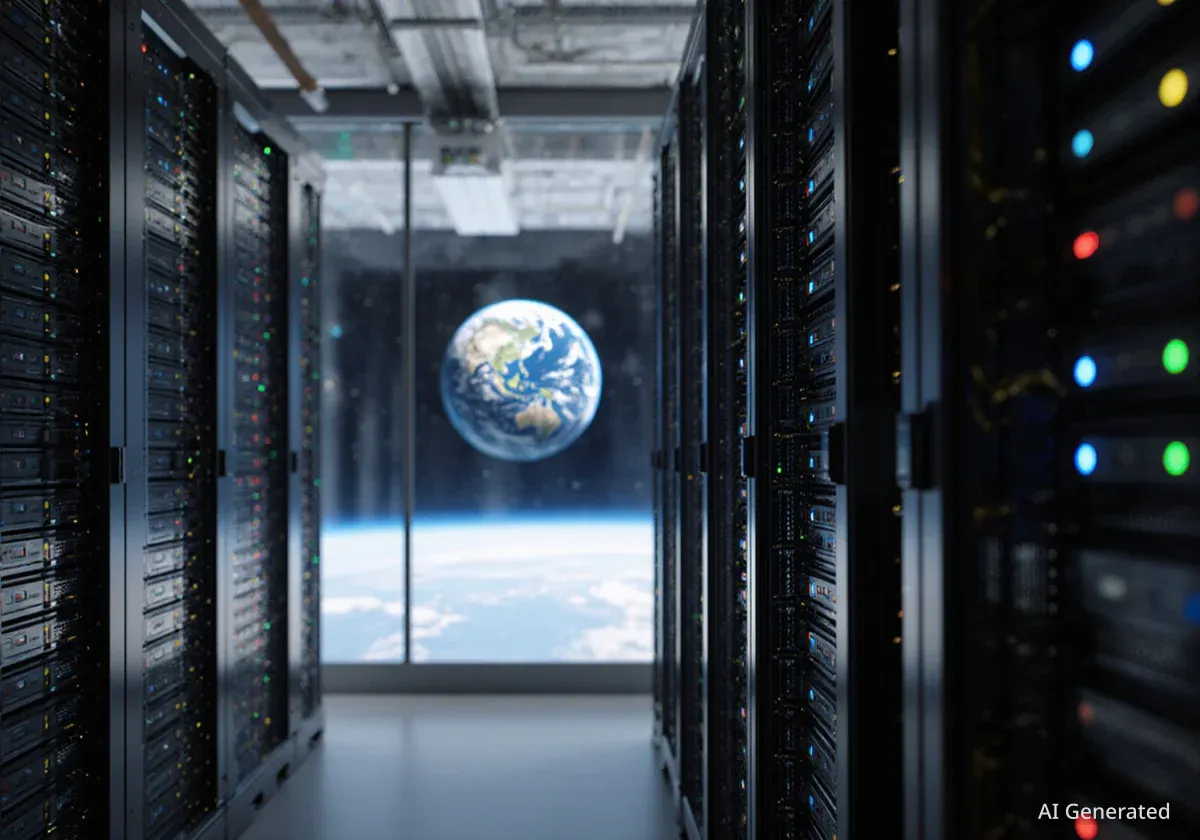
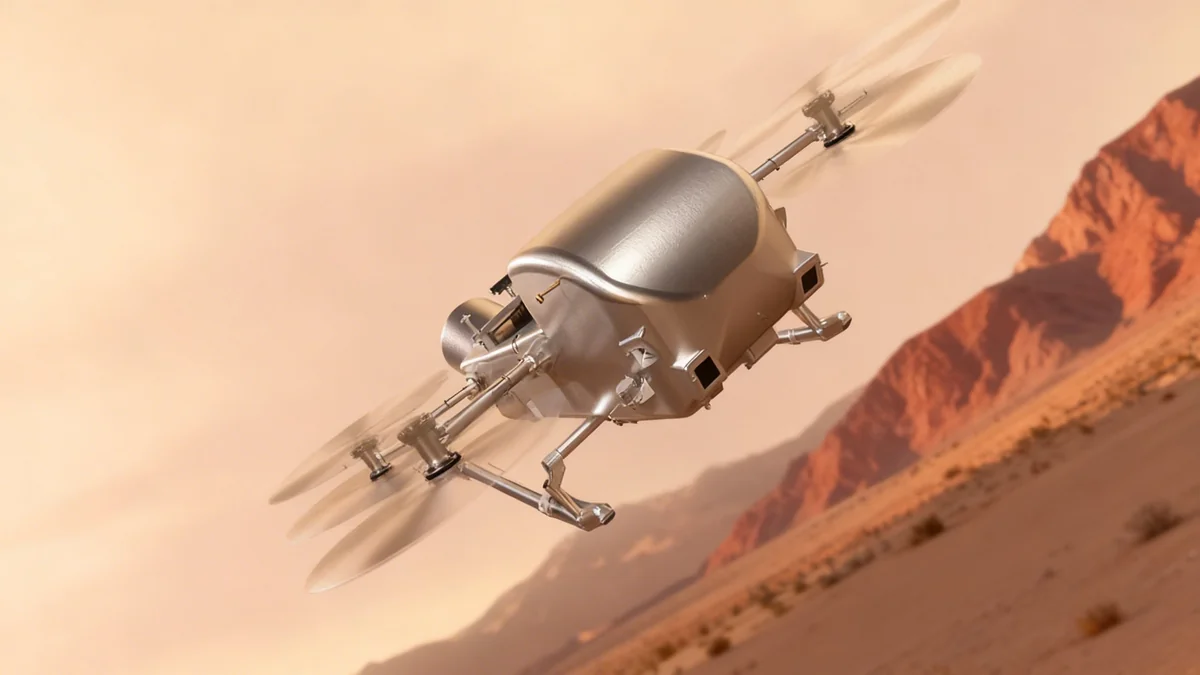


The ambitious vision of placing massive artificial intelligence data centers in orbit has encountered a significant reality check from a leader in cloud computing. Matt Garman, the CEO of Amazon Web Services, highlighted major practical and financial hurdles that challenge the concept, suggesting that for now, the future of data remains firmly on Earth.
Speaking at a tech conference in San Francisco, Garman pointed to the immense weight and cost of transporting the necessary hardware as primary obstacles. His comments stand in contrast to the forward-looking plans of figures like Elon Musk, who see space as the next frontier for the infrastructure powering AI.
Key Takeaways
- Amazon Web Services CEO Matt Garman expressed skepticism about the short-term viability of space-based data centers.
- The primary challenge cited is the extreme weight of server racks and the high cost of launching them into orbit.
- The discussion comes as Elon Musk merges his companies SpaceX and xAI, with a stated goal of using space-based computing to fund interplanetary expansion.
- Modern AI data centers on Earth are massive, power-intensive facilities, making the logistics of replicating them in space a monumental task.
- While acknowledging future cost reductions in space transport, Garman maintains that the current economics are a significant bottleneck.
The Weight of a Digital World
The core of the issue, according to the head of the world's largest cloud provider, is simple physics. Modern data centers, which power everything from streaming services to generative AI, are packed with heavy equipment. Garman emphasized this point directly during an interview at the Cisco AI Summit.
“I don’t know if you’ve seen a rack of servers lately: They’re heavy,” Garman stated, questioning the practicality of launching such mass into orbit.
This perspective is grounded in the current reality of cloud infrastructure. Amazon itself operates a global network of more than 900 data centers. These facilities are often millions of square feet and are built on reinforced foundations to support the sheer weight of thousands of server racks, cooling systems, and power distribution units.
Replicating even a fraction of this infrastructure in space presents a logistical challenge of an unprecedented scale. The cost of launching payloads into orbit, while decreasing, remains a primary factor in the economics of any space-based enterprise.
A Contrasting Vision for the Cosmos
While Amazon's leadership remains focused on terrestrial operations, other tech titans are looking toward the stars. Elon Musk has been a vocal proponent of moving computing infrastructure off-planet. His vision is not just about building data centers in space but using them as an economic engine for even grander ambitions.
The Musk Doctrine: Space as an Enabler
Elon Musk's strategy involves creating synergies between his companies. He recently announced the merger of his rocket company, SpaceX, with his artificial intelligence firm, xAI. The stated goal is to leverage advancements in launch technology to make space-based infrastructure a reality, which in turn would generate revenue to fund colonization of the Moon and Mars.
In a blog post detailing the merger, Musk outlined this ambitious feedback loop. “The capabilities we unlock by making space-based data centers a reality will fund and enable self-growing bases on the Moon, an entire civilization on Mars, and ultimately expansion to the Universe,” he wrote.
The theoretical benefits are compelling. A data center in orbit could harness nearly limitless solar energy without atmospheric interference. Furthermore, the cold vacuum of space offers a natural and highly efficient solution to the immense cooling challenges that plague terrestrial data centers, which consume vast amounts of energy and water just to prevent hardware from overheating.
The Scale of the Challenge
Understanding the debate requires appreciating the sheer scale of modern AI data centers. These are not simply rooms full of computers; they are industrial-scale behemoths. They require dedicated power substations and sophisticated cooling systems, often involving massive water chillers or complex liquid cooling loops.
Earth's Digital Foundation
- Global Footprint: Amazon Web Services operates over 900 data centers worldwide.
- Massive Hardware: A single server rack can weigh over 2,000 pounds (900 kg) when fully equipped.
- Power Hungry: AI data centers are a major driver of increasing global electricity demand.
SpaceX has demonstrated remarkable launch capability, successfully deploying thousands of its Starlink internet satellites. Musk has floated plans to use the company's next-generation Starship rocket to eventually launch as many as one million satellites. This high-frequency launch model is central to his argument that costs will fall enough to make heavy infrastructure projects in orbit economically viable.
However, even with a successful Starlink constellation, the leap from launching 500-pound satellites to assembling multi-ton data center modules in orbit is substantial. Garman acknowledged that costs for space transport will improve but stressed that for now, they remain a prohibitive bottleneck for the type of hardware his company deploys daily on the ground.
A Race Between Vision and Practicality
The discussion highlights a fundamental divergence in strategy within the tech industry. On one side, established infrastructure giants like Amazon are focused on optimizing and expanding a proven, Earth-based model. Their approach is incremental, driven by current customer demand and practical logistics.
On the other side, visionaries like Musk are pursuing a paradigm shift, betting that radical reductions in launch costs will unlock entirely new business models and capabilities in space. This high-risk, high-reward strategy is predicated on the belief that the long-term benefits of operating in space—such as access to energy and cooling—will eventually outweigh the enormous upfront costs.
For now, humanity's digital infrastructure will continue to grow on solid ground. Amazon is even pursuing its own satellite internet constellation, named Project Kuiper, earmarking $10 billion for the venture to compete with Starlink. Yet, as Garman's comments make clear, for the core business of cloud computing, the company’s focus remains firmly planted on Earth. The dream of AI servers orbiting overhead remains, for the moment, on a distant horizon.