


SpaceX has submitted a bold proposal to the Federal Communications Commission (FCC), seeking authorization to launch a constellation of up to one million satellites. The ambitious plan aims to create a network of orbital data centers designed to power artificial intelligence applications from space.
The filing, submitted late Friday, outlines a vision for a solar-powered network that could reshape the infrastructure for global computing. If approved, the project would represent an unprecedented expansion of satellite technology, dwarfing all existing constellations combined.
Key Takeaways
- SpaceX filed a request with the FCC to launch as many as one million satellites.
- The constellation is designed to function as orbital data centers for artificial intelligence.
- The system aims to be a lower-cost and more sustainable alternative to ground-based data centers.
- Satellites will be solar-powered and use radiative cooling, reducing the need for water and batteries.
- The project coincides with discussions of a potential merger between SpaceX and Elon Musk's other ventures, xAI or Tesla.
A New Frontier for Data Processing
SpaceX's proposal addresses what it describes as the "explosive growth of data demands driven by AI." Traditional data centers on Earth require vast amounts of land, energy, and water for cooling. The company's plan presents a space-based alternative that leverages the unique environment of low-Earth orbit.
According to the filing, the satellites would operate as a cohesive network, using laser links to communicate with one another. This creates a high-speed, interconnected web for complex computations. The system is designed to be powered almost entirely by the sun, reducing dependence on terrestrial energy grids and battery storage.
Orbital Specifications
- Altitude: 500 km to 2,000 km
- Power Source: Solar panels with near-constant sun exposure
- Communication: Inter-satellite laser links
- Cooling: Radiative cooling into the vacuum of space
This approach offers significant environmental advantages. By utilizing radiative cooling, where heat dissipates naturally into space, the system avoids the massive water consumption associated with cooling conventional data centers. This method is not only more sustainable but also highly efficient in the vacuum of space.
The Vision for AI in Space
The concept of placing data centers in orbit is one Elon Musk has discussed publicly. At the World Economic Forum in Davos, Switzerland, earlier this year, he framed the idea as an inevitable evolution in computing infrastructure.
"It’s a no-brainer for building AI data centers in space," Musk stated at the forum. "The lowest cost place to put AI will be space, and that’ll be true within two years, maybe three at the latest."
The filing with the FCC formalizes this vision. It argues that a space-based network is not just a novelty but a necessary step to support future AI development. The document notes the project is a move toward ensuring "humanity’s multi-planetary future amongst the stars," connecting the immediate needs of AI with long-term space exploration goals.
In response to early reports of the filing, Musk posted on X, stating, "I thought we’d start small and work our way up." The comment reflects the immense scale of the one-million-satellite proposal.
Logistical and Strategic Considerations
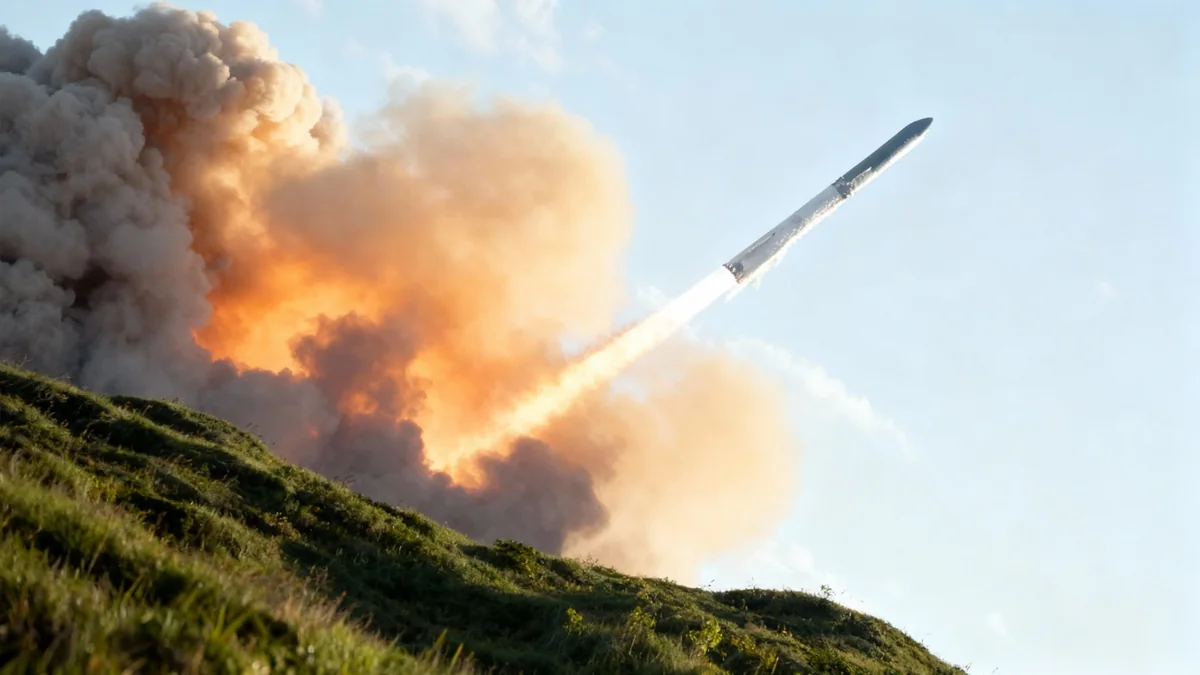
Deploying such a massive constellation would rely heavily on SpaceX's reusable Starship rocket. The vehicle's large payload capacity is essential for launching the sheer number of satellites required to build out the network in a cost-effective and timely manner.
Corporate Synergy
The FCC request arrives as SpaceX is reportedly exploring strategic alignments within Elon Musk's portfolio of companies. Potential mergers with his artificial intelligence firm, xAI, or the electric vehicle manufacturer, Tesla Inc., have been subjects of discussion. Such a consolidation could create a vertically integrated powerhouse combining AI development, satellite manufacturing, and launch capabilities.
A successful merger could streamline the development and deployment of the orbital data centers, providing a dedicated customer in xAI and leveraging Tesla's expertise in battery and power systems, even if the satellites are primarily solar-powered.
Navigating the Regulatory Path
Before any satellites can be launched, SpaceX must secure approval from the FCC, which regulates satellite communications in the United States. The commission will review the application for potential issues, including orbital debris, spectrum interference, and space traffic management.
The scale of the proposed constellation—one million satellites—is orders of magnitude larger than any existing or planned network. This will likely trigger a thorough and complex review process involving multiple domestic and international stakeholders.
Key concerns will include:
- Orbital Debris: Managing the lifecycle of one million satellites to prevent the creation of space junk.
- Spectrum Allocation: Ensuring the network does not interfere with existing satellite services.
- Space Safety: Coordinating orbits and de-orbiting plans to avoid collisions with other spacecraft.
The outcome of the FCC's decision will have far-reaching implications for the future of both the satellite industry and the development of artificial intelligence. If approved, SpaceX's plan could mark the beginning of a new era where critical digital infrastructure moves from the ground into orbit.