The Race to Build the Next International Space Station
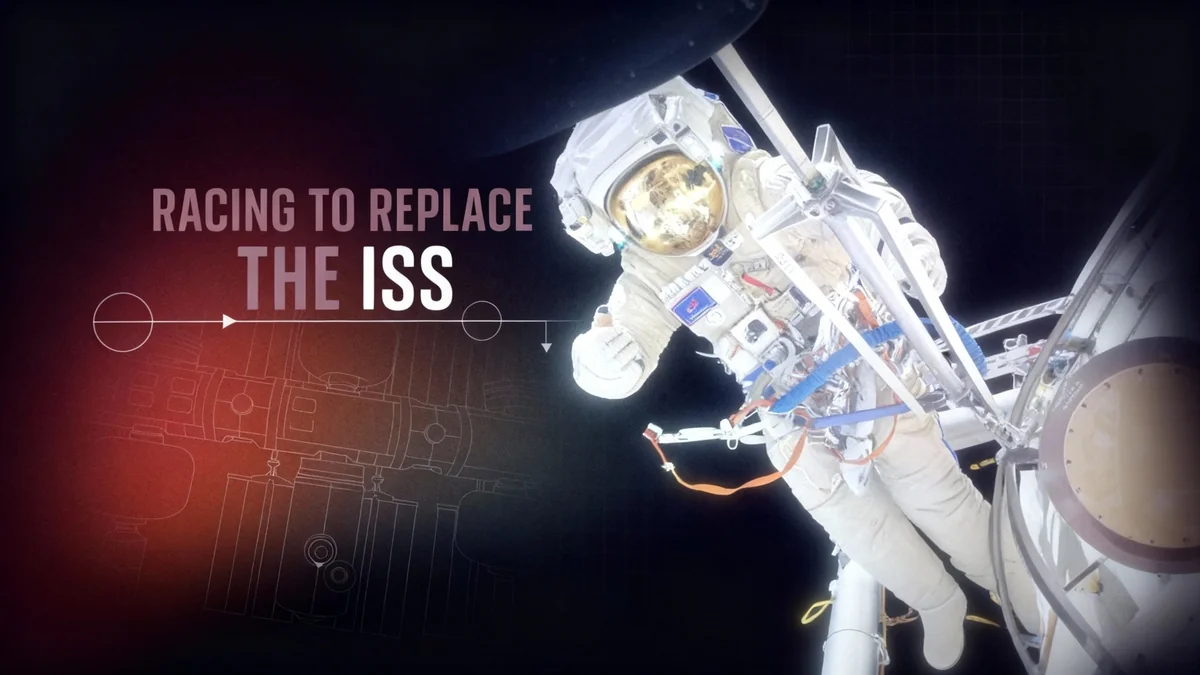
With the International Space Station set to retire after 2030, a new commercial race is on to build its successor, with four major companies competing.
14 articles tagged

With the International Space Station set to retire after 2030, a new commercial race is on to build its successor, with four major companies competing.

Axiom Space has appointed Tracey Davies as its new Chief Legal Officer, bringing over 25 years of high-level legal experience to the commercial space company.

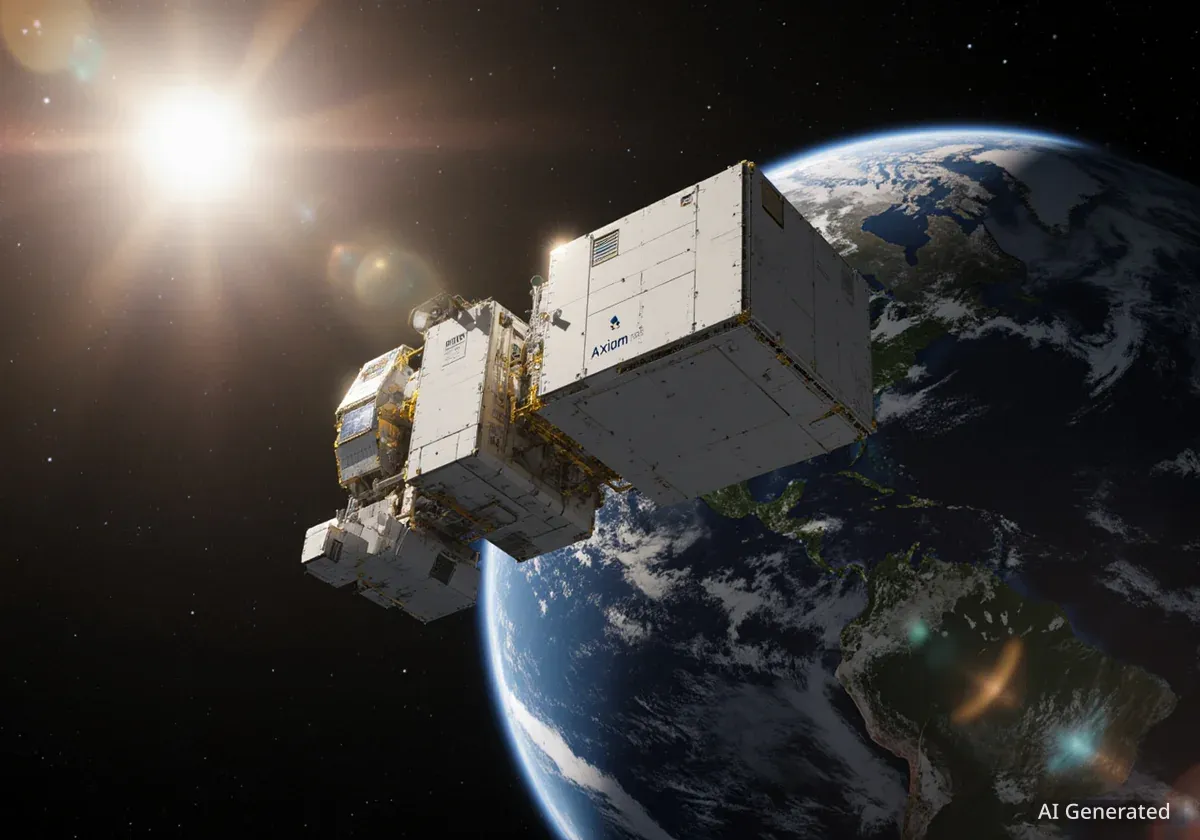
Axiom Space and Japanese startup ElevationSpace have signed an agreement to collaborate on advanced re-entry technology for commercial space stations.

The University of Pittsburgh has joined a new Axiom Space alliance with 14 other institutions to advance scientific research on future commercial space stations.

Jonathan Cirtain has been appointed as the new CEO of Axiom Space, a strategic leadership change aimed at accelerating the company's space infrastructure development. An astrophysicist, Cirtain previo

Axiom Space has named Jonathan Cirtain its new CEO, replacing Tejpaul Bhatia who held the role for less than six months in a sudden leadership change.

Axiom Space has named Portuguese physiologist Emiliano Ventura its first 'Project Astronaut' to lead a new pilot program testing a rigorous six-month training protocol.

Axiom Space and Slovakia's investment agency, SARIO, have signed an agreement to connect Slovak companies with the global space industry supply chain.

Hungarian IT firm 4iG Space and Defence is considering a $100 million investment in U.S.-based Axiom Space and a separate $100 million orbital data center project.

Axiom Space has selected Portuguese physiologist Emiliano Ventura to lead a new pilot astronaut training program designed to refine protocols for commercial spaceflight.

With the ISS retiring around 2030, NASA's current safety approach for new commercial space stations could cause major delays and harm the private space industry.

A new orbital data center with over a petabyte of storage is set for deployment on the International Space Station in 2027, enhancing in-space AI and research.