How Webb Telescope Hunts for Universe's First 'Dinosaur' Stars
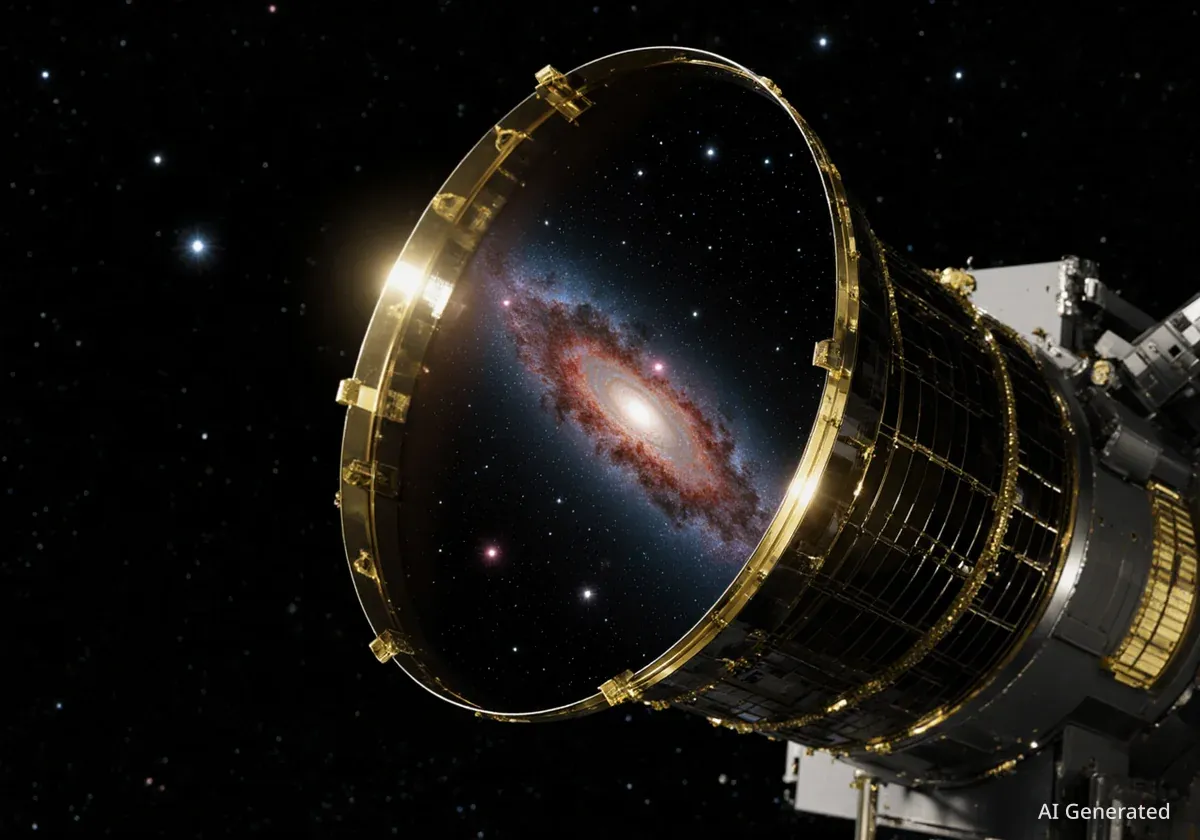
The James Webb Space Telescope is using massive galaxy clusters as natural cosmic lenses to hunt for the universe's first 'dinosaur' stars from over 13 billion years ago.

9 articles tagged

The James Webb Space Telescope is using massive galaxy clusters as natural cosmic lenses to hunt for the universe's first 'dinosaur' stars from over 13 billion years ago.

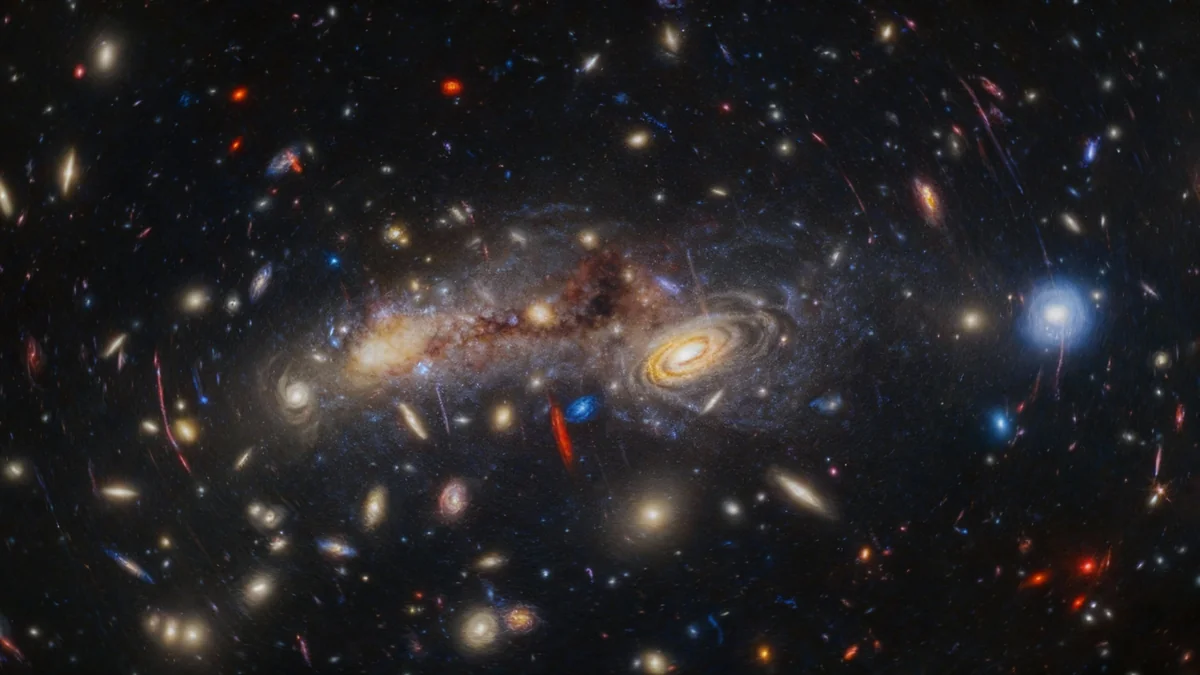
The James Webb Space Telescope has captured a stunning new image of the galaxy cluster MACS J1149.5+2223, revealing hundreds of distant galaxies.

Using a natural cosmic magnifying glass, the James Webb Space Telescope may have detected the universe's first generation of stars from 13 billion years ago.

Scientists have detected a starless object 10 billion light-years away that could be the smallest clump of pure dark matter ever observed, supporting a key cosmic theory.

Using a global network of telescopes, astronomers have identified the smallest dark object ever found by observing how its gravity bends light from a distant galaxy.

New images from the James Webb Space Telescope show eight striking examples of gravitational lensing, a cosmic phenomenon that magnifies distant galaxies.

The James Webb Space Telescope has captured eight new images of gravitational lenses, providing stunning visual confirmation of Albert Einstein's century-old theory.

Astronomers discovered a rare Einstein cross with a fifth central image, a unique formation that points to the existence of a massive, unseen dark matter halo.

A rare cosmic alignment has produced five images of a distant galaxy, an anomaly scientists explain by the presence of a massive dark matter halo.