
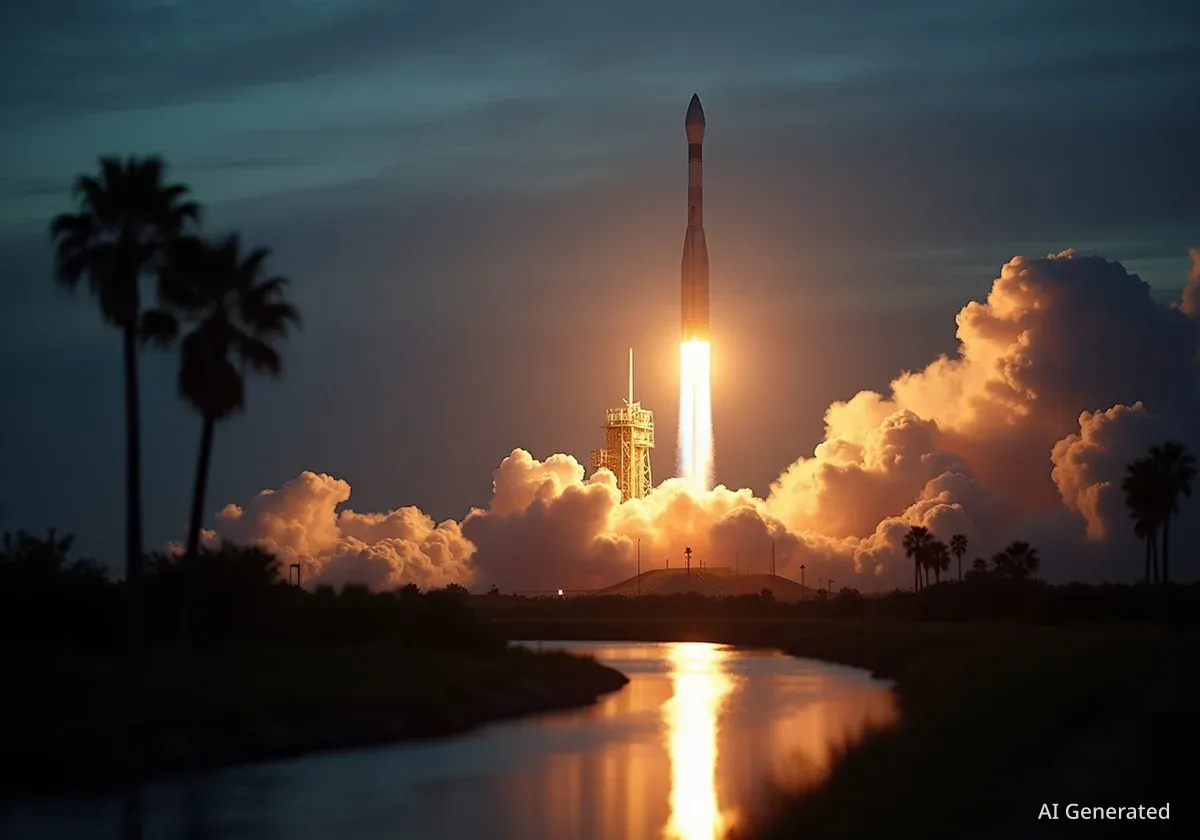
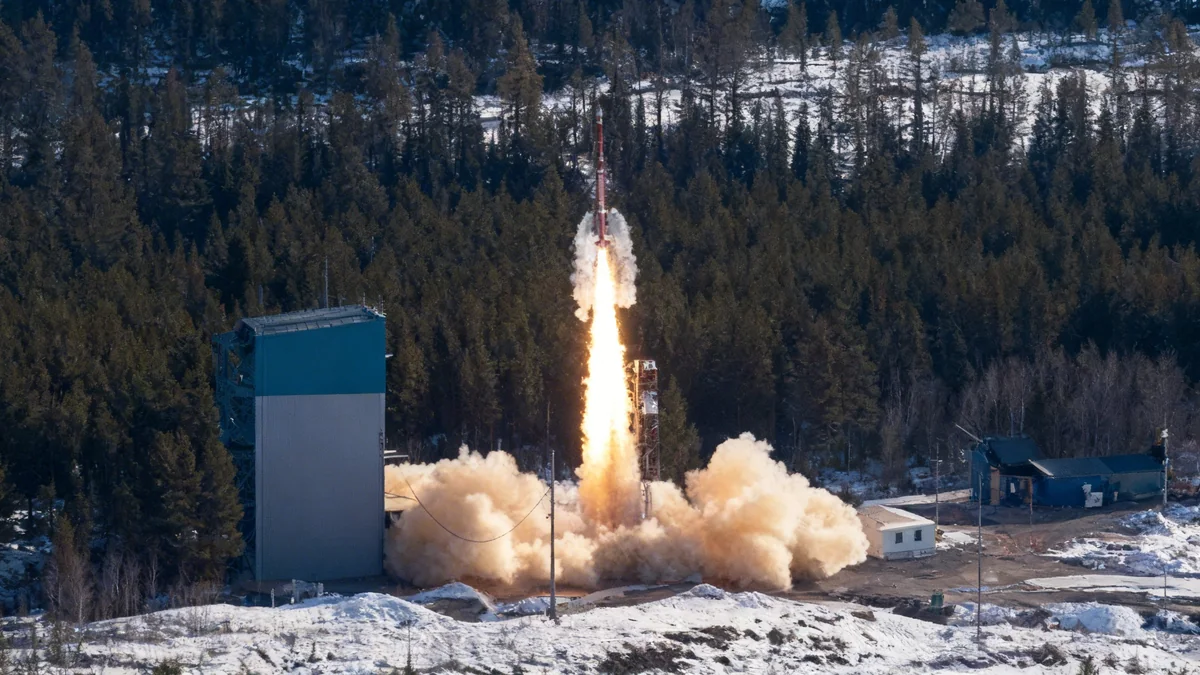
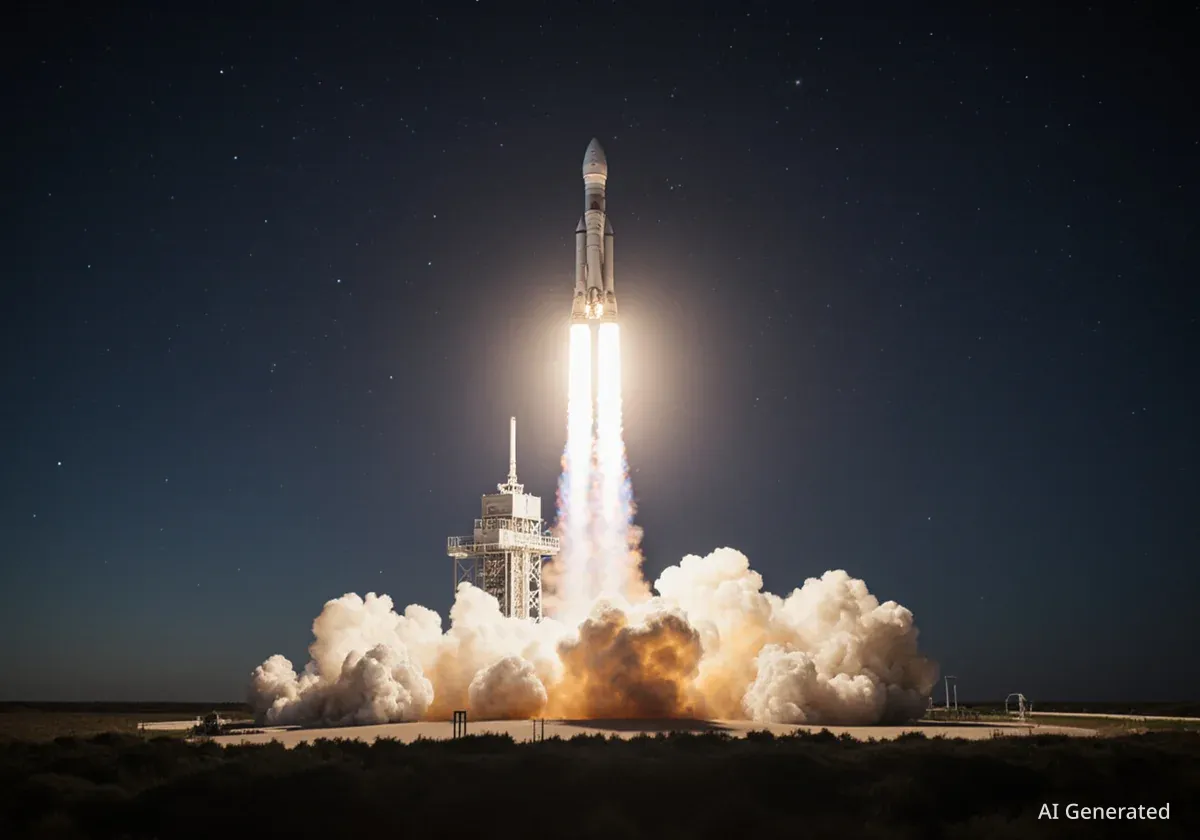
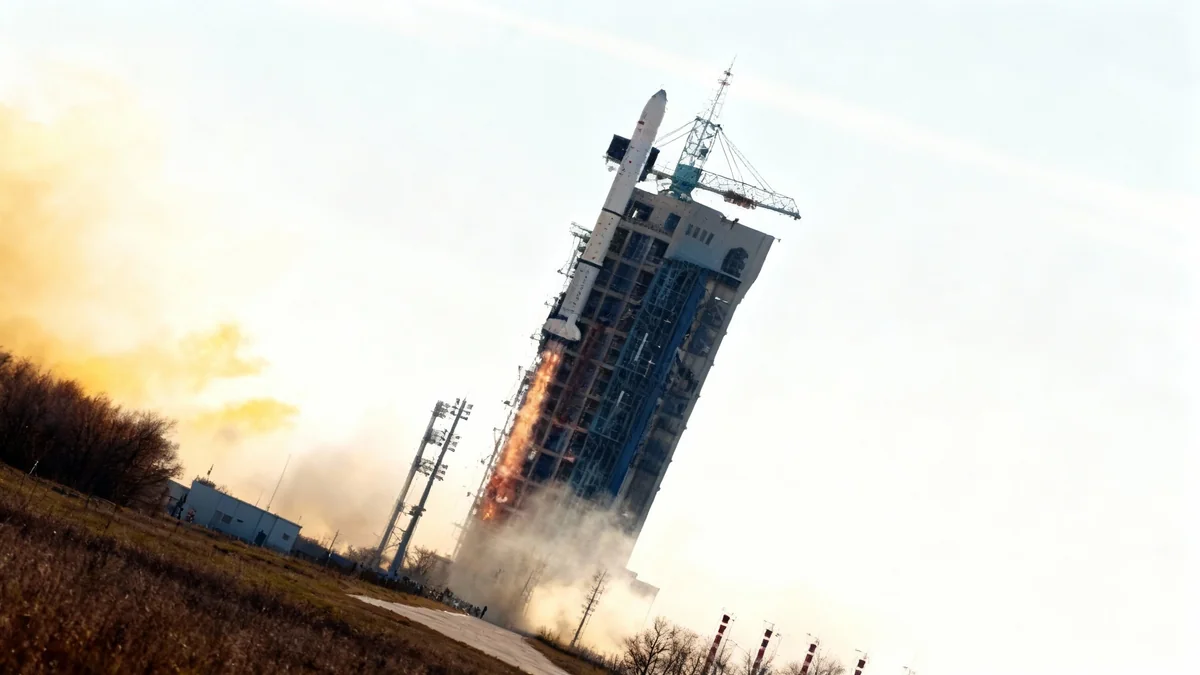
Florida's Space Coast is on the verge of a historic achievement in spaceflight, with plans underway for three rocket launches from two separate companies within a potential window of less than 15 hours. The ambitious schedule, set for December 14-15, 2025, would involve both SpaceX and United Launch Alliance (ULA) and highlights the increasing operational tempo at Cape Canaveral.
This rapid succession of launches, if successful, would set a new benchmark for the region's launch capabilities. The coordination required between launch providers, the Space Force, and support teams underscores the evolution of the Space Coast into a highly efficient, multi-user spaceport capable of handling an unprecedented launch cadence.
Key Takeaways
- Florida's Space Coast is scheduled to host three rocket launches within as little as 6.5 hours.
- The launch marathon is planned for the night of Sunday, December 14, into Monday, December 15, 2025.
- Both SpaceX and United Launch Alliance (ULA) are involved in the tightly packed schedule.
- The event showcases the growing efficiency and capacity of launch operations at Cape Canaveral Space Force Station.
An Unprecedented Launch Cadence
The intense period of activity is slated to begin on Sunday evening. SpaceX will initiate the sequence with a Falcon 9 rocket carrying a batch of its Starlink internet satellites. The launch is targeted for a window opening at 9:43 p.m. Sunday and closing at 1:43 a.m. Monday from Launch Complex 40 at Cape Canaveral Space Force Station.
Following the first launch, the focus will shift to other pads as two more missions prepare for liftoff. While details on the subsequent ULA and SpaceX missions are still being finalized, the prospect of three launches in such a short timeframe represents a significant logistical and technical challenge. This rapid turnaround was once considered impossible, but advancements in automation, ground support equipment, and range management have made such a feat achievable.
The Evolution of Launch Operations
In the early days of the space program, preparing a single rocket for launch took weeks or even months. Today, companies like SpaceX have pioneered reusable rocket technology, dramatically reducing turnaround times. This, combined with modernized infrastructure at Cape Canaveral, allows multiple launch campaigns to proceed in parallel, a critical factor for enabling this upcoming launch marathon.
The Logistics of a Triple Launch
Successfully executing three launches in a single night requires precise coordination between numerous organizations. The U.S. Space Force's 45th Space Wing, which manages the Eastern Range, plays a crucial role in ensuring safety and efficiency. Their responsibilities include:
- Clearing airspace and sea lanes for each launch trajectory.
- Monitoring weather conditions, which can change rapidly in Florida.
- Tracking the rockets during ascent to ensure they stay on course.
- Deconflicting schedules to prevent interference between the different missions.
Each launch company also has its own extensive checklist. Teams must fuel the rockets, perform final system checks, and manage the countdowns. For SpaceX, this also includes preparing for the recovery of the Falcon 9's first-stage booster, which typically lands on a droneship in the Atlantic Ocean shortly after liftoff. This adds another layer of operational complexity to an already busy night.
By the Numbers: A Busy Night
- 3 potential rocket launches
- 2 launch providers (SpaceX, ULA)
- 14.5 hours: The maximum time window for all three launches
- 6.5 hours: The potential minimum time window
What This Means for the Space Industry
This potential tripleheader is more than just a spectacle; it is a powerful demonstration of the maturity and robustness of the American space industry. The ability to launch missions at such a high frequency is vital for deploying large satellite constellations like Starlink, serving national security needs, and supporting scientific exploration.
A New Era for the Space Coast
The event solidifies Florida's position as the world's premier gateway to space. A high launch cadence translates into economic benefits for the region, supporting thousands of jobs in engineering, manufacturing, and technical support. It also attracts tourism and inspires a new generation of scientists and engineers.
"What we are preparing for is a testament to the incredible progress made in launch operations over the past decade. This isn't just about launching rockets; it's about demonstrating a flexible and resilient national asset."
For commercial satellite operators, this increased capacity means more frequent and reliable access to orbit, which can reduce costs and accelerate business plans. For government and military clients, it ensures that critical assets can be placed in space on demand.
Challenges and Contingencies
Despite the careful planning, executing such a packed schedule is not without risk. The primary obstacles are often weather and technical issues. A delay in the first launch could have a cascading effect on the others. A technical problem with ground systems or the rocket itself can also force a scrub, pushing the entire sequence back.
Launch teams are highly experienced in managing these uncertainties. They develop detailed contingency plans and have backup launch opportunities available. The final decision to proceed with each launch will be made only after all systems are verified and the weather conditions are confirmed to be within acceptable limits. The success of this ambitious endeavor will ultimately depend on a combination of technology, teamwork, and a little bit of luck from Mother Nature.