
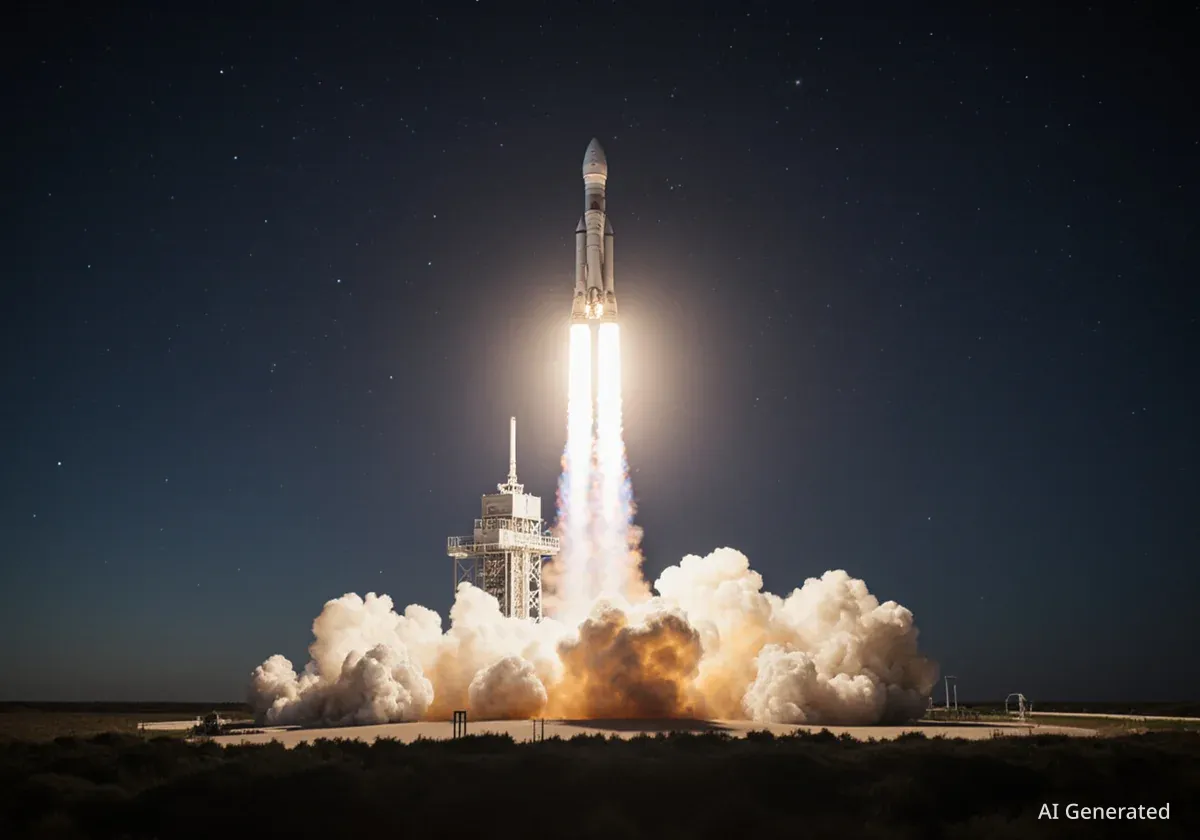
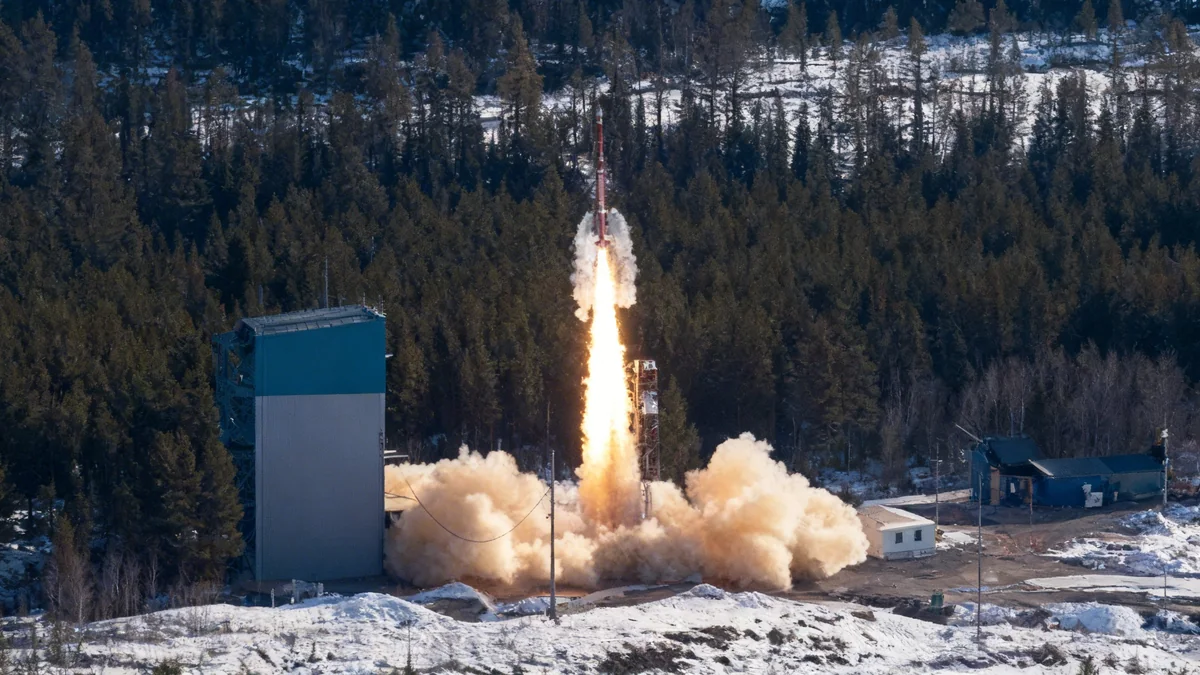
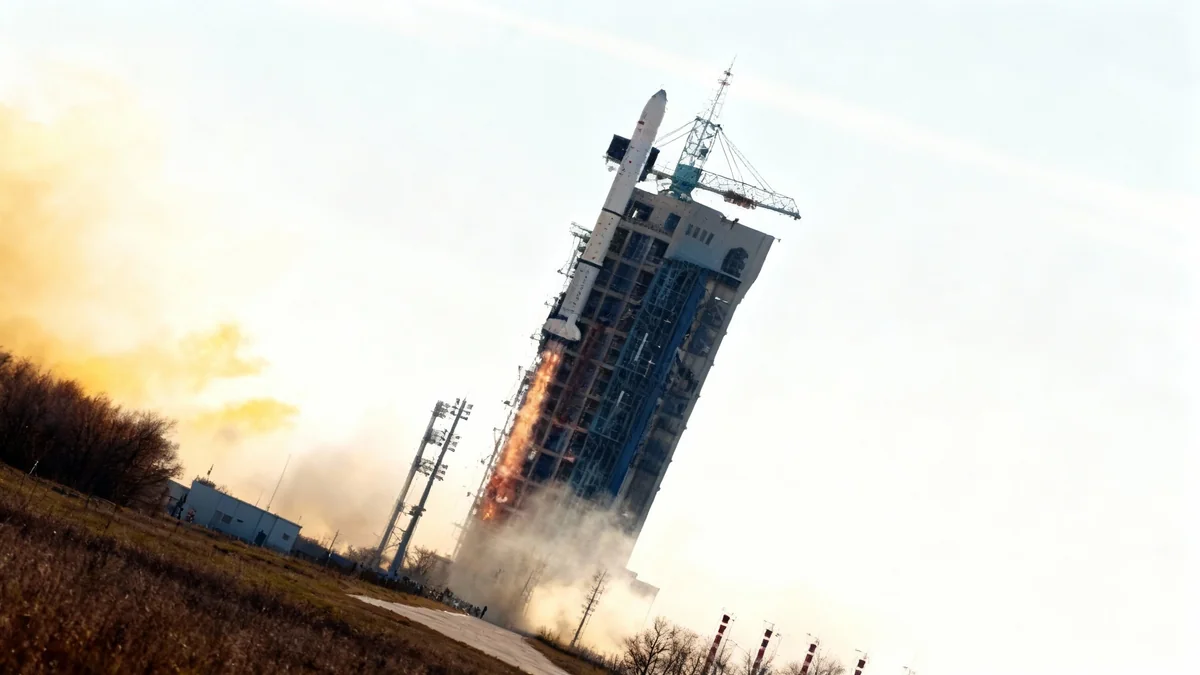

Vandenberg Space Force Base in California successfully supported the launch of a Falcon 9 rocket on February 7, 2026, carrying the Starlink 17-33 mission into orbit. The launch, which took place from Space Launch Complex 4 East (SLC-4E), marks the eighth successful orbital mission from the West Coast spaceport this year, underscoring a rapid operational pace.
This mission adds another batch of satellites to SpaceX's growing Starlink constellation, which aims to provide global internet coverage. The consistent launch schedule from Vandenberg highlights its critical role in both commercial space endeavors and national security objectives, operating as a key hub for assured access to space.
Key Takeaways
- A Falcon 9 rocket successfully launched the Starlink 17-33 mission from Vandenberg Space Force Base on Feb. 7, 2026.
- This event marked the eighth launch of the year from the California-based spaceport, indicating a high operational tempo.
- The launch supports the expansion of the Starlink satellite internet constellation.
- Vandenberg SFB plays a dual role in facilitating commercial launches while upholding national security and space dominance missions for the U.S. Space Force.
A Busy Start to the Year for West Coast Spaceport
Vandenberg Space Force Base is maintaining a demanding launch schedule in 2026. The successful liftoff of the Starlink 17-33 mission represents the eighth launch in just over five weeks, a pace that solidifies its position as a vital national asset for space access. Each mission from the base is meticulously planned and executed by the personnel of Space Launch Delta 30, the unit responsible for all launch operations at the facility.
The launch occurred from Space Launch Complex 4 East, a historic pad that has been adapted to support the high frequency of Falcon 9 missions. This rapid cadence is essential for deploying large satellite constellations like Starlink, which require dozens of launches to build out their global network.
Launch Cadence by the Numbers
With eight launches by February 7th, Vandenberg is on a trajectory to potentially surpass its previous annual launch records. This frequency demonstrates the efficiency of both the ground crews at Space Launch Delta 30 and the reusability of the Falcon 9 rocket system.
The Role of the Falcon 9 Rocket
The Falcon 9 rocket has become the workhorse of the American space industry, known for its reliability and groundbreaking reusability. The ability to recover and reuse the first-stage booster dramatically reduces the cost of access to space, enabling ambitious projects like Starlink to be economically viable. While details on this specific booster's flight history were not released, the Falcon 9 fleet has an extensive record of successful re-flights.
This reusability is a key factor in the accelerated launch pace seen at both Vandenberg and Cape Canaveral Space Force Station in Florida. By minimizing the need for new hardware for every launch, missions can be prepared and executed in a matter of weeks rather than months.
Vandenberg's Critical National Security Mission
While facilitating commercial missions like Starlink, Vandenberg's primary function remains rooted in national security. Every launch approved from the spaceport is designated by the federal government to support critical national objectives, including strengthening U.S. space dominance and advancing economic growth through space-based technologies.
The base serves as more than just a launch site. It is an active test range for advanced air and space systems and plays a central role in America's strategic defense posture.
What is Assured Access to Space?
"Assured Access to Space" is a foundational principle of U.S. space policy. It ensures that the Department of Defense and other national security agencies have reliable, timely, and secure access to space for deploying and maintaining critical assets like GPS, communications, and surveillance satellites. Vandenberg is one of two primary spaceports, along with Cape Canaveral, that guarantees this capability.
The Guardians and Airmen of Space Launch Delta 30
The success of each mission relies on the integrated efforts of U.S. Space Force Guardians and U.S. Air Force Airmen. These service members are responsible for a wide range of critical tasks beyond launch support.
Their duties include:
- Nuclear Deterrence: The base hosts and supports elements of the nation's strategic missile defense and deterrence capabilities.
- Orbital Tracking: Personnel at Vandenberg monitor thousands of objects in orbit, contributing to space domain awareness.
- Global Command and Control: The base is a key node in the global network that commands and controls U.S. space assets.
- Training: Vandenberg is a premier training ground for the next generation of space professionals, ensuring the U.S. maintains its edge in the space domain.
The seamless execution of the Starlink 17-33 launch is a direct reflection of the expertise and dedication of these military personnel, who work alongside commercial partners to achieve mission success.
The Starlink Constellation and Its Goals
The Starlink 17-33 mission is part of an ongoing campaign to build a massive low-Earth orbit (LEO) satellite constellation. The project, operated by SpaceX, aims to provide high-speed, low-latency internet service to underserved and remote areas across the globe. With thousands of satellites already in orbit, the network is operational in numerous countries.
Each Starlink launch typically deploys several dozen satellites, which then use their own onboard propulsion systems to raise their orbits to their final operational altitude. The constellation's LEO position allows for significantly faster data transmission times compared to traditional geostationary internet satellites, which orbit much farther from Earth.
The consistent addition of satellites through missions like this one is vital for expanding network capacity, improving service reliability, and extending coverage to new regions worldwide.
The continued build-out of the Starlink network from U.S. soil highlights the strong partnership between commercial innovators and government entities like the U.S. Space Force. This collaboration not only drives technological advancement but also reinforces America's leadership in the rapidly evolving global space economy. As the year progresses, Vandenberg is expected to continue its high-tempo operations, supporting a diverse manifest of commercial, civil, and national security missions.