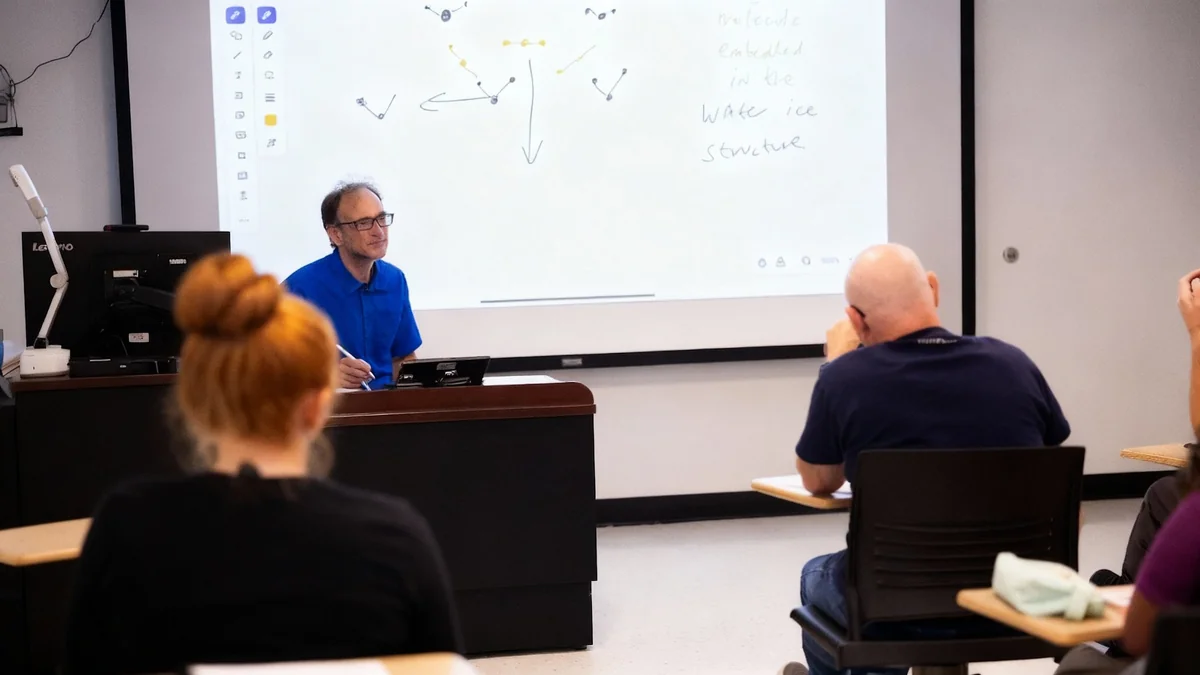
UCF Launches New Doctoral Program in Planetary Sciences
The University of Central Florida is launching Florida's first doctoral program in planetary and space sciences, set to begin in Fall 2026.

#UCF#Space Exploration#Planetary Science
12 articles tagged
The University of Central Florida is launching Florida's first doctoral program in planetary and space sciences, set to begin in Fall 2026.
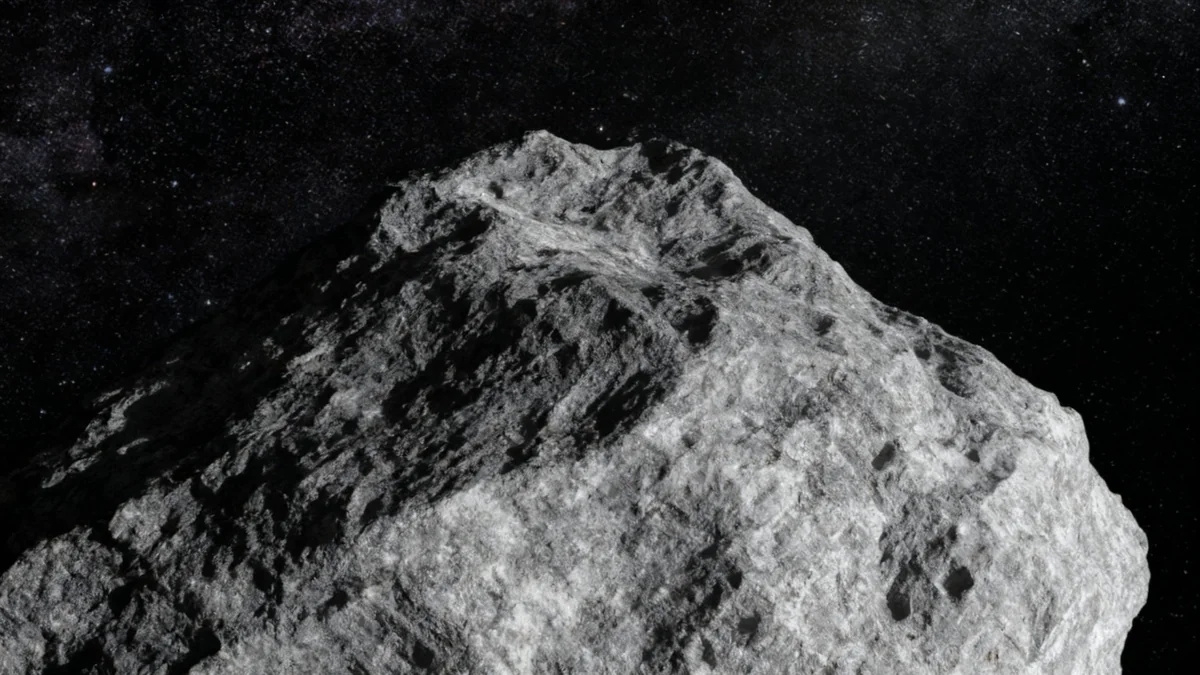
A 12-year-old from Ontario, Canada, has identified two potential new asteroids, designated 2024 RX69 and 2024 RH39, through a NASA-partnered program.
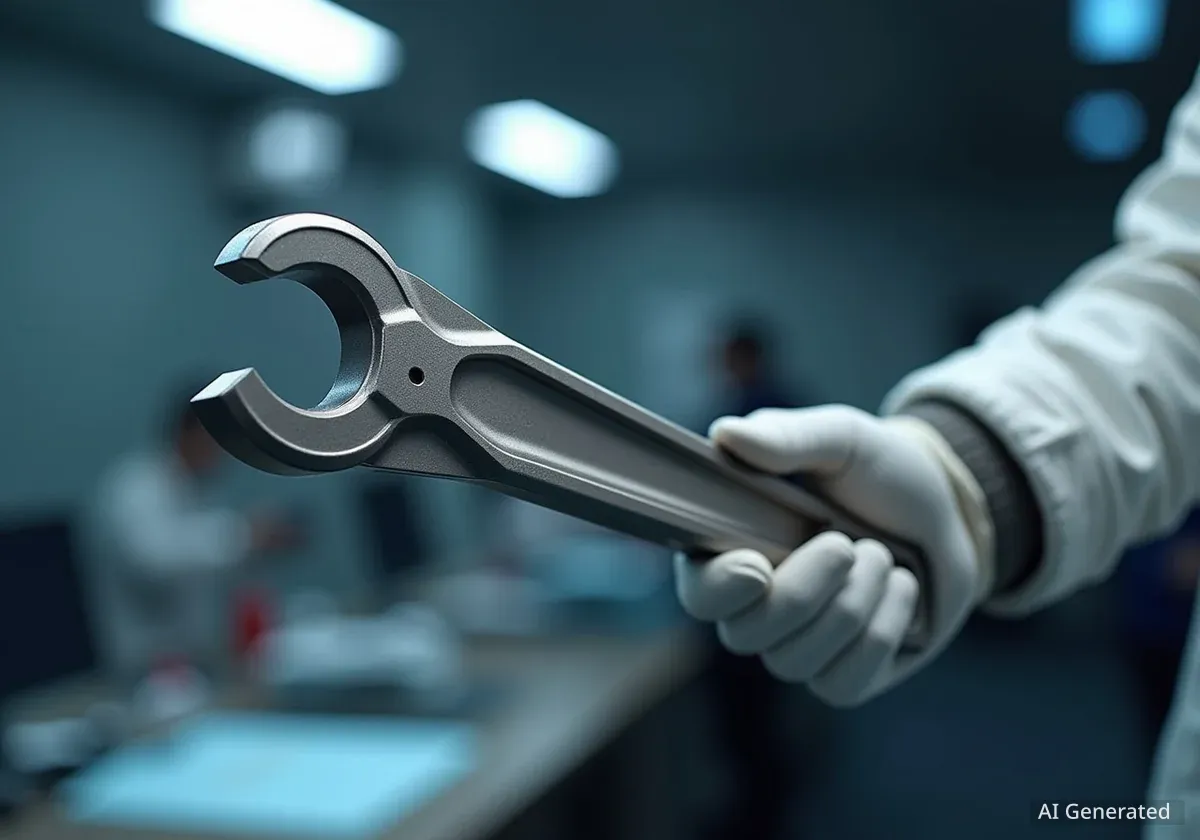
An all-female team of engineering students from the University of Wyoming designed a new tool for NASA astronauts and tested it at a simulated space facility.
Simpson College has joined the Iowa Space Grant Consortium, a NASA-affiliated group, providing students with new access to funding, internships, and research.
The University of Iowa has released a new, free interactive tool to help students and educators visualize the complex processes of stellar evolution.

The University of Delaware's engineering department has opened a new 1,200-square-foot collaboration space, culminating a decade-long effort to enhance teamwork.
A single college elective led Vickie Kloeris to a 34-year career at NASA, where she developed the food systems for the Space Shuttle and International Space Station.
Sunnyvale is enhancing youth education with two key initiatives: a NASA scientist's visit to a middle school to promote STEM, and a new county-wide program providing free books to young children.
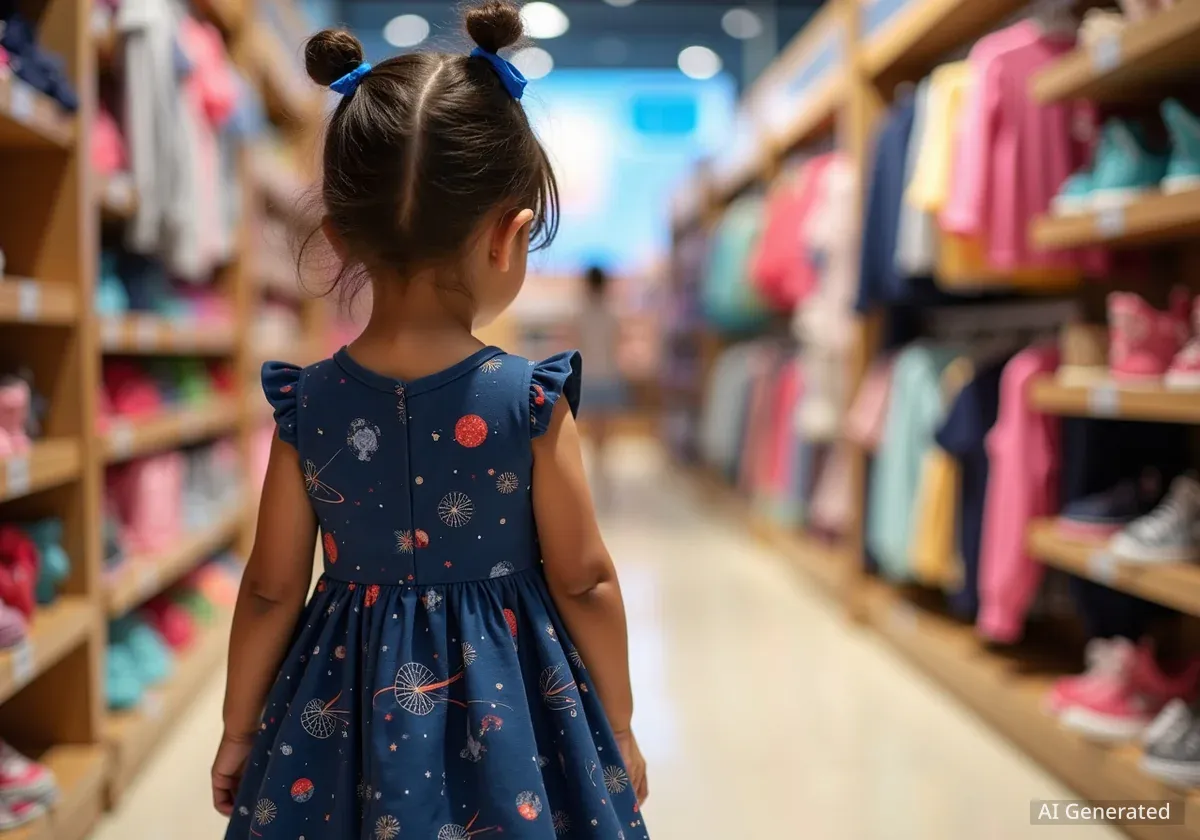
Hybrid Apparel has released a new line of NASA-themed fit and flare dresses for toddlers, featuring iconic space exploration designs on a durable cotton-poly blend.
The ABCMouse early learning platform is partnering with NASA to create space-themed educational content designed to inspire children aged two to eight.
Specialized science journalism plays a crucial role in translating complex discoveries into accessible information, fostering public trust and scientific literacy.
A California high school student developed a custom AI to analyze old NASA data, leading to the discovery of over 1.5 million previously unknown space objects.