Viruses Evolved in Space Now Kill Superbugs on Earth
An experiment on the International Space Station has created supercharged viruses that are more effective at killing treatment-resistant bacteria on Earth.

#Space Station#Bacteriophage#Superbugs
7 articles tagged
An experiment on the International Space Station has created supercharged viruses that are more effective at killing treatment-resistant bacteria on Earth.
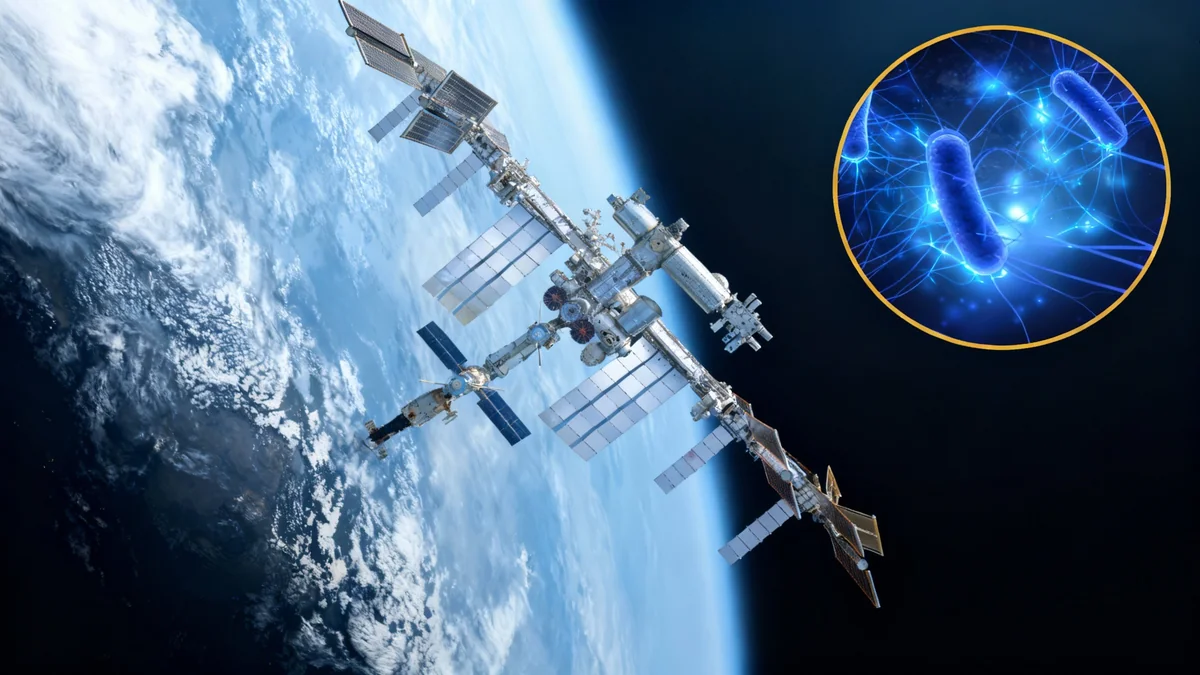
A study on the ISS found that viruses evolved in microgravity are more effective at killing drug-resistant bacteria, offering a new path to combat superbugs.
A resilient bacterium found in NASA's sterile clean rooms can enter a dormant state to survive cleaning, posing a risk of contaminating other planets.
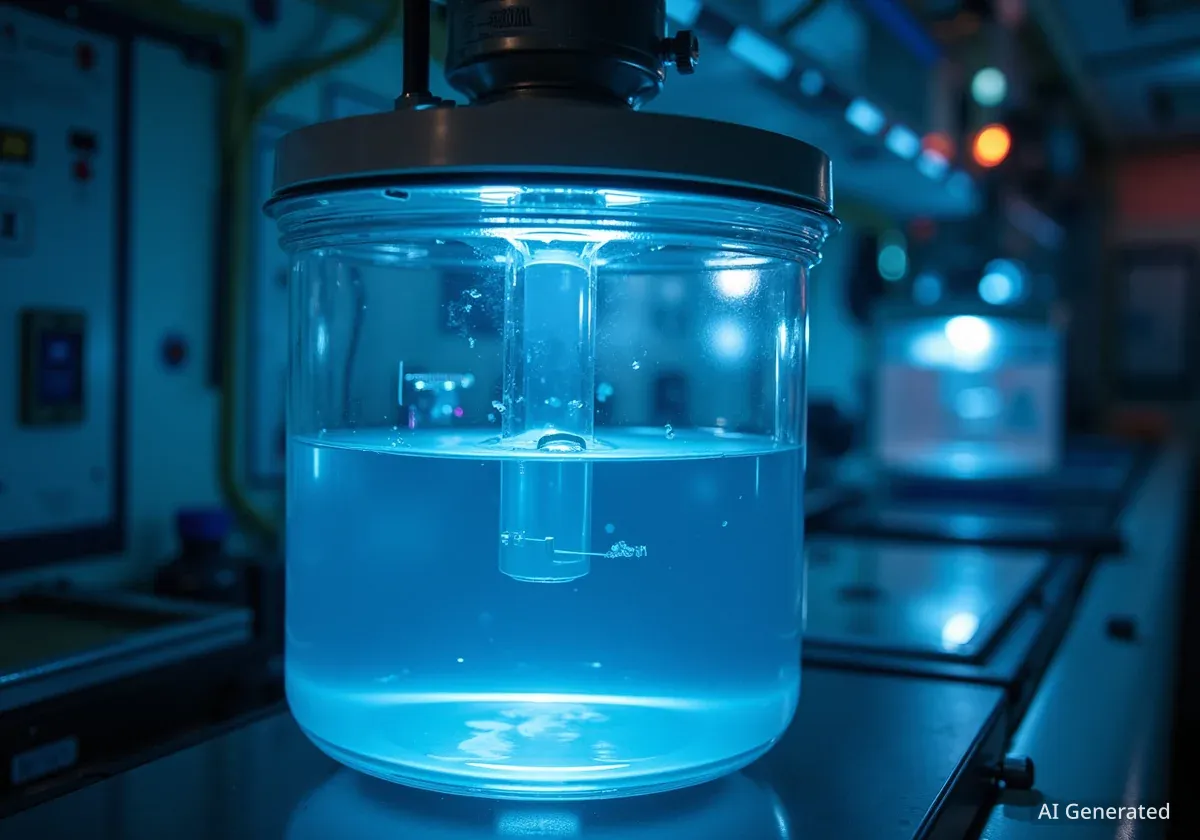
A new experiment on the International Space Station is testing ultraviolet light as a chemical-free way to stop the growth of harmful bacterial biofilms in water systems.
A new study confirms that Bacillus subtilis, a microbe vital for human health, can survive the extreme forces of a rocket launch and reentry.
An Arizona State University experiment on the ISS is using UV light to stop biofilms, which cause $4 trillion in damage annually on Earth.
A study led by RMIT University confirms that bacteria vital for human health can survive the extreme forces of a rocket launch and atmospheric re-entry.