Japan's Akatsuki Mission at Venus Ends After a Decade
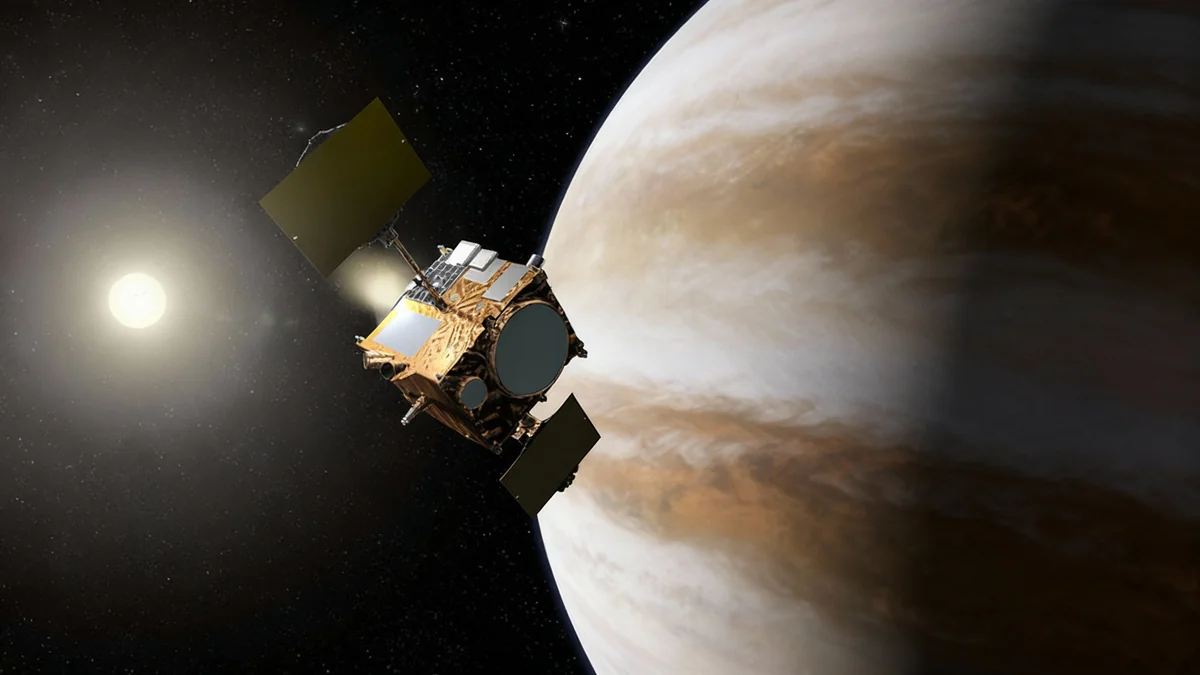
Japan's Akatsuki spacecraft, humanity's last active probe at Venus, has been declared dead by JAXA, concluding a resilient decade-long mission.
18 articles tagged

Japan's Akatsuki spacecraft, humanity's last active probe at Venus, has been declared dead by JAXA, concluding a resilient decade-long mission.

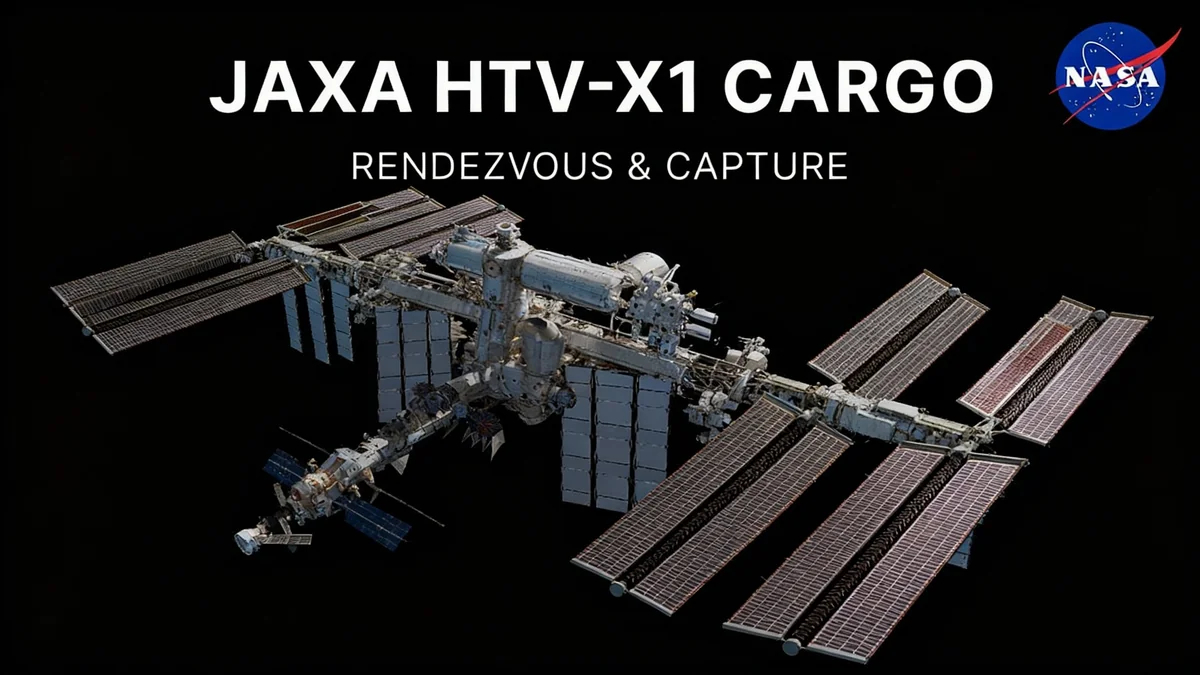
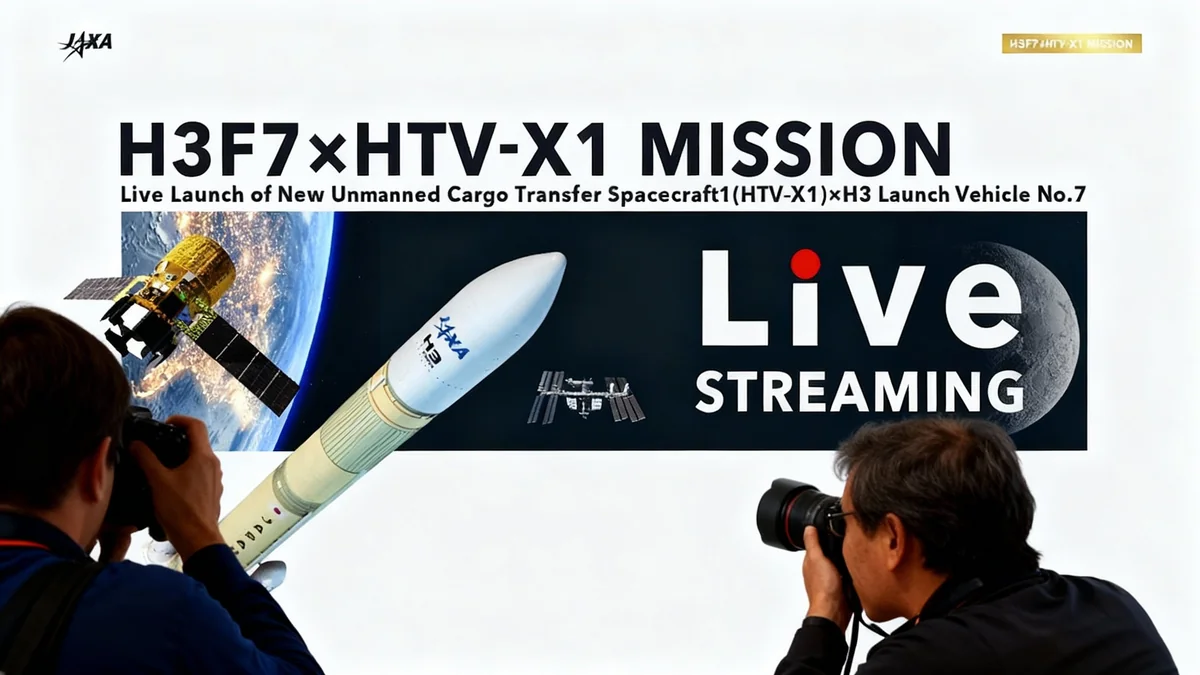
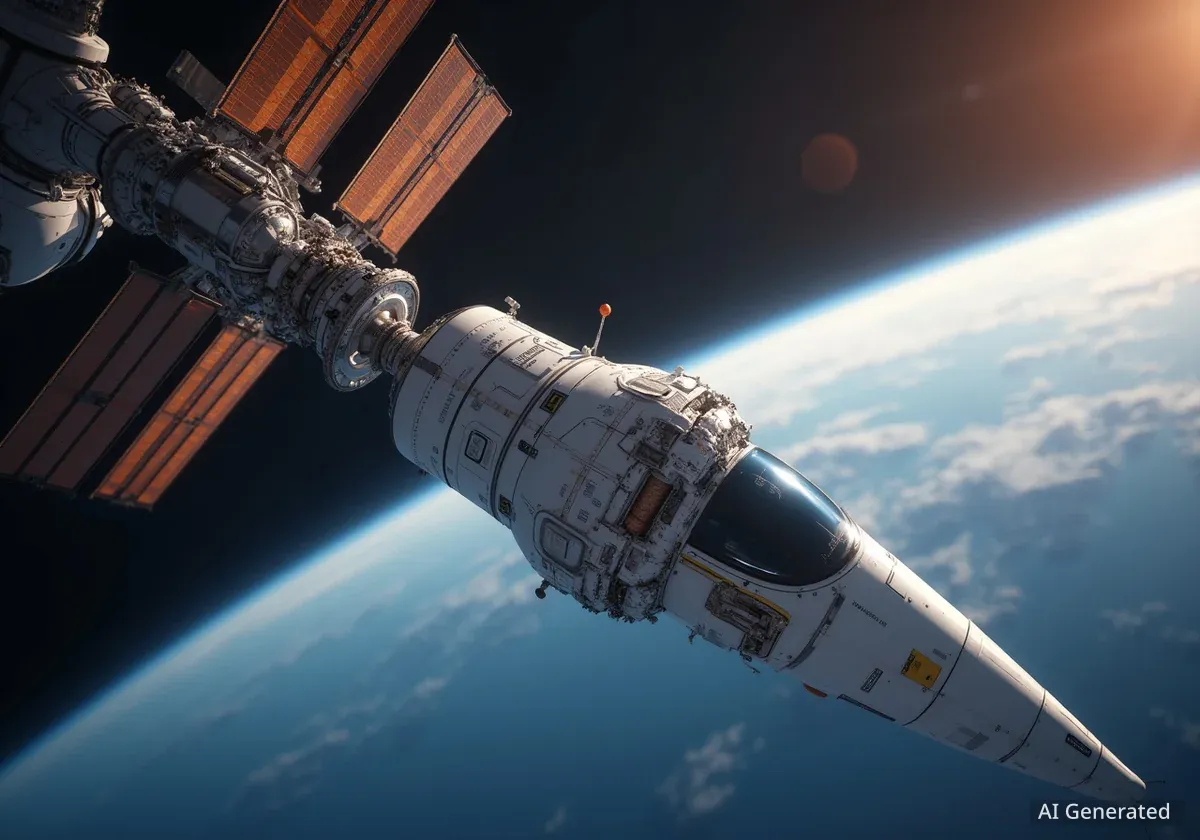
Japan's next-generation HTV-X cargo spacecraft has successfully arrived at the International Space Station on its inaugural mission, delivering over 4,000 kg of supplies.

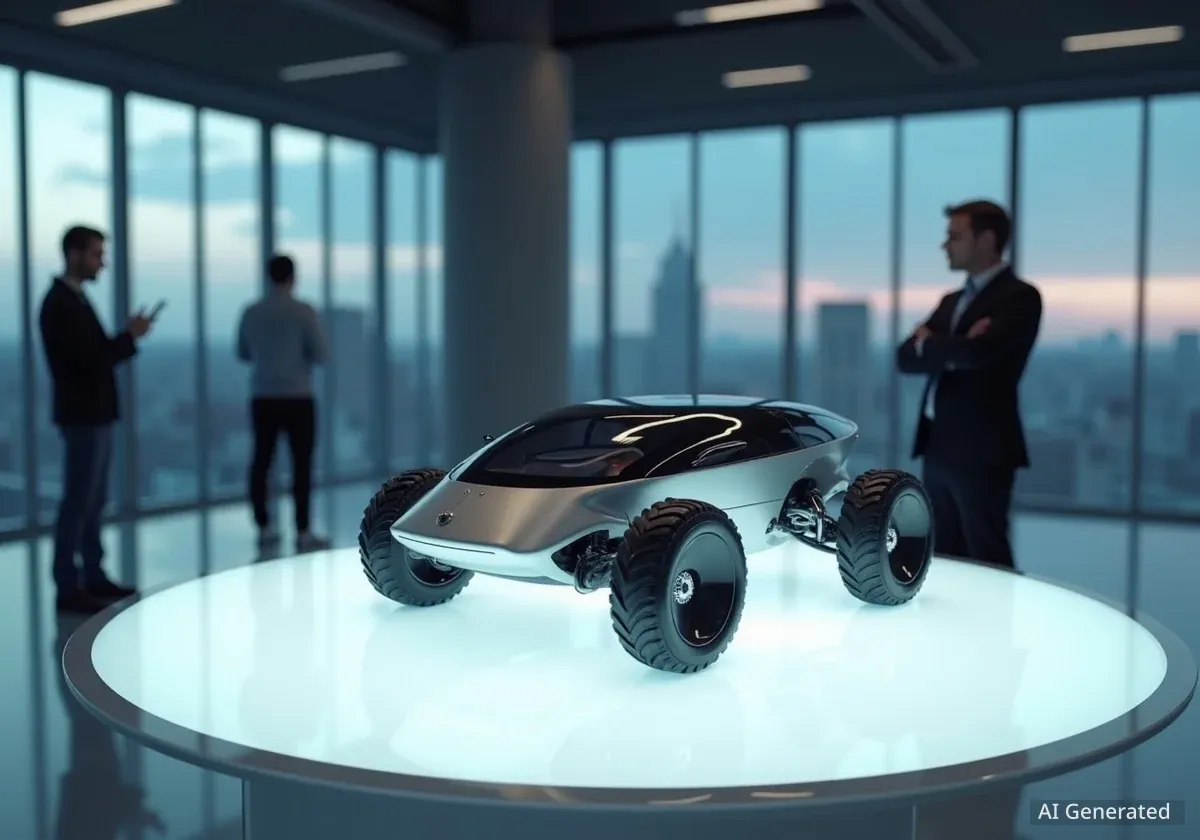
Automotive giant Toyota will provide technical expertise to space company ispace for its next-generation lunar rover, scheduled for a 2027 mission to the Moon.

Japan's new HTV-X cargo spacecraft has successfully launched on its first mission to the International Space Station, ushering in a new era for space logistics.

The year 2025 is a landmark for space robotics, with advancements from the US, China, India, and Japan in lunar exploration, orbital servicing, and mining.

A new generation of advanced cargo spacecraft from Japan and the U.S. is set to transform logistics for the International Space Station, enhancing its capabilities.

A Japanese experiment to brew sake on the International Space Station is set for an October 21 launch. The project aims to test fermentation in lunar gravity.

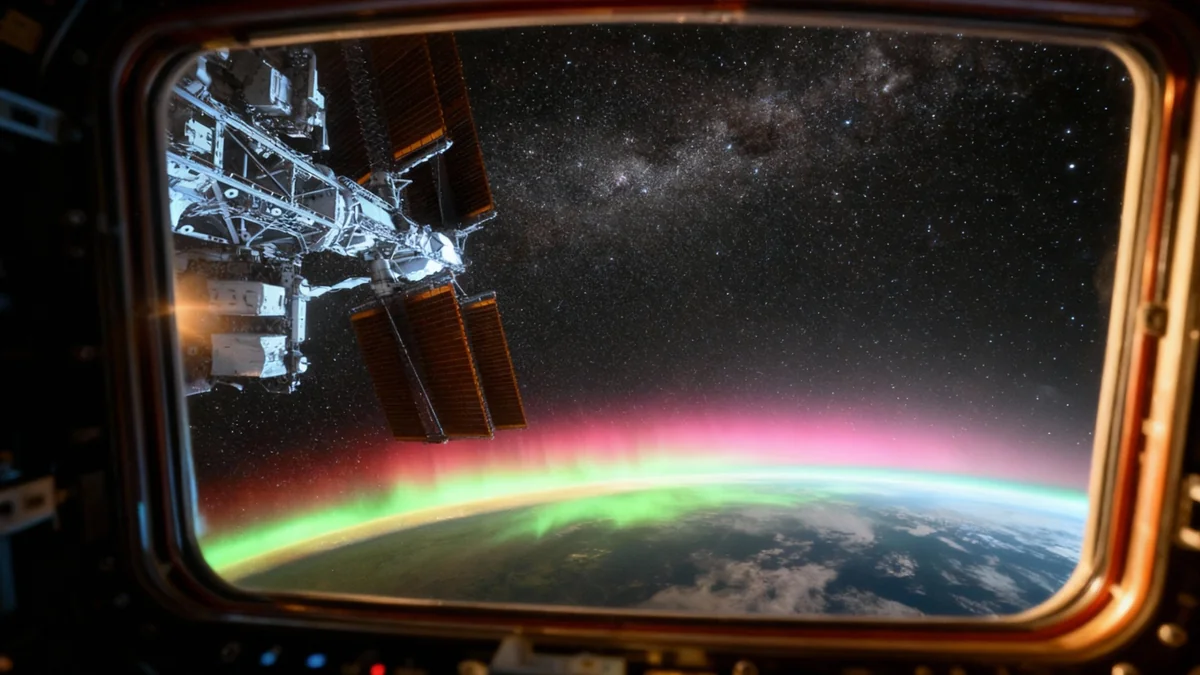
JAXA astronaut Kimiya Yui has shared a stunning photo of an aurora taken from the International Space Station during an unusual orbital orientation.

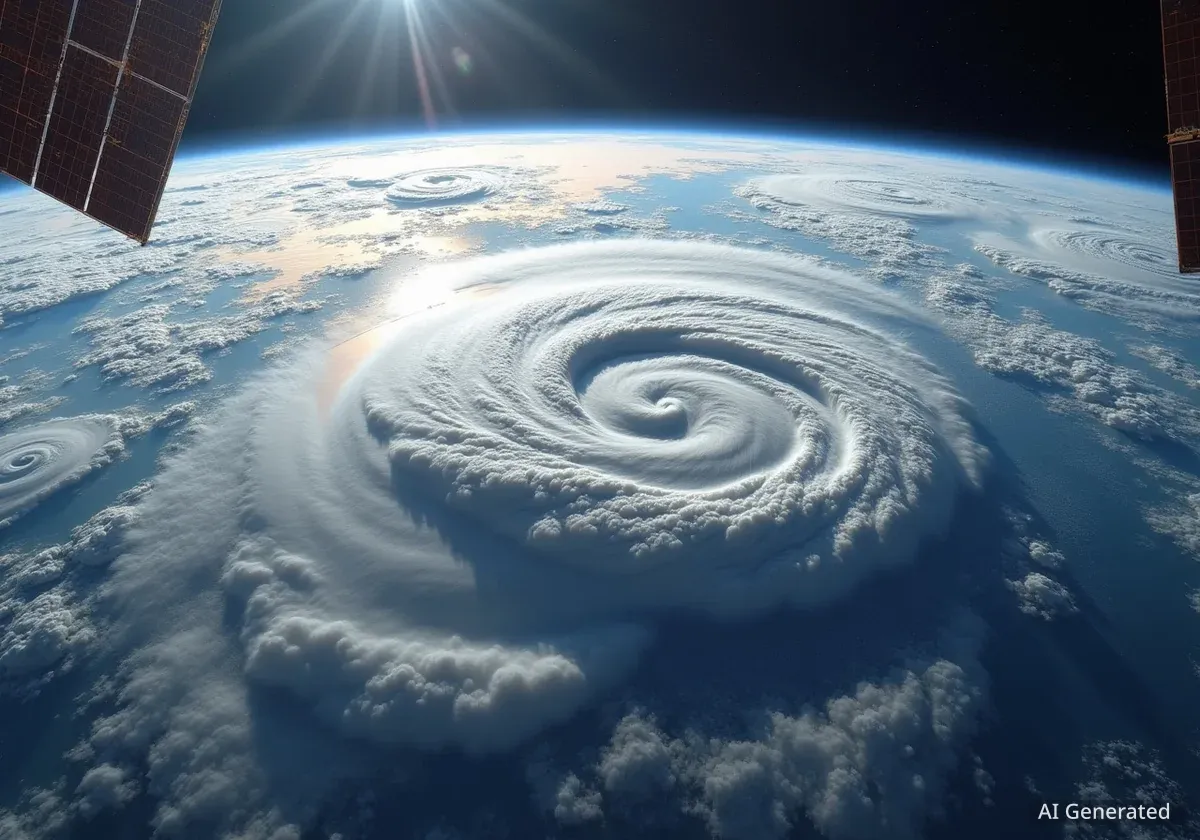
Japanese astronaut Kimiya Yui is sharing images of two major typhoons from the ISS, as work continues aboard the station despite a US government shutdown.

The Japan Aerospace Exploration Agency (JAXA) has partnered with ArkEdge Space to study a low-Earth orbit satellite system as a resilient alternative to GNSS.

A historic mission to brew sake in space is set for October 2025, as DASSAI and Mitsubishi Heavy Industries send ingredients to the International Space Station.

Data from the XRISM space observatory reveals that a distant neutron star system is producing cosmic winds that are far slower and denser than predicted.