
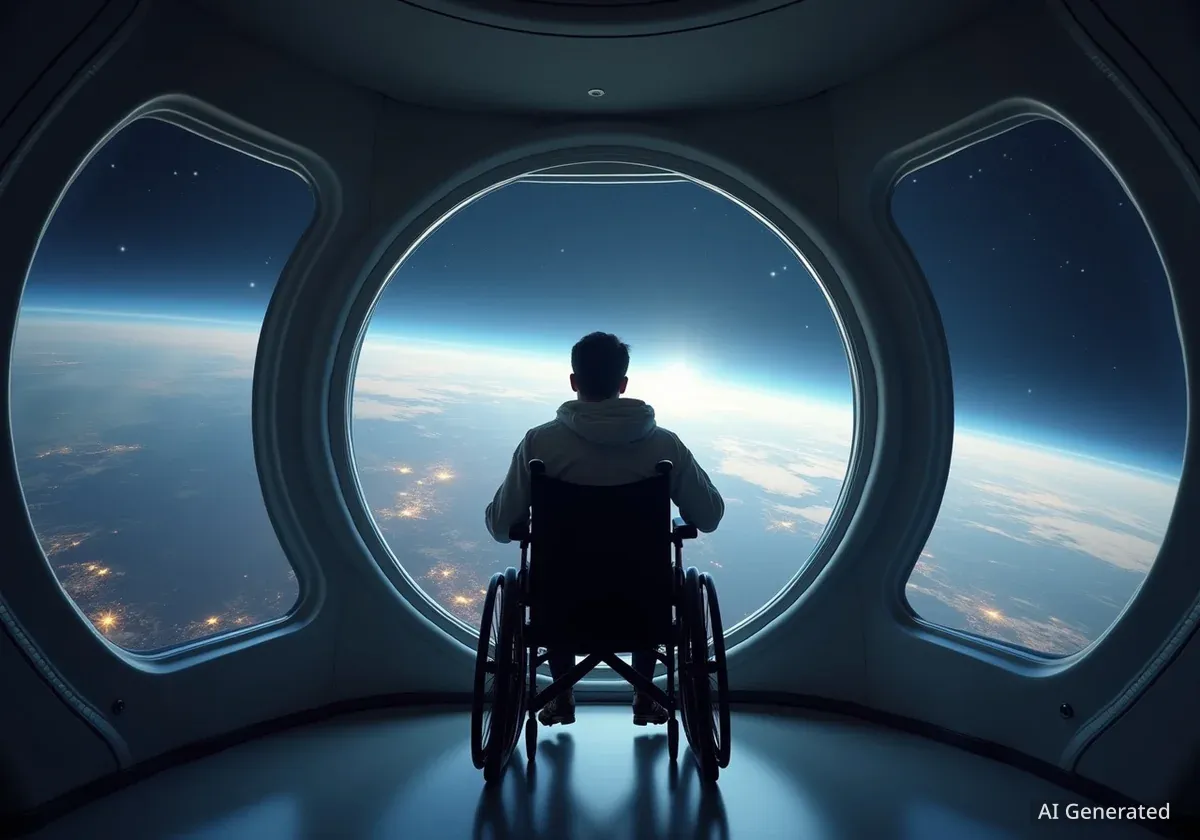
Blue Origin is set to make history on its next suborbital flight by sending the first person who uses a wheelchair beyond the internationally recognized boundary of space. The mission, scheduled for Thursday, will carry a crew of six, including European Space Agency engineer Michaela 'Michi' Benthaus.
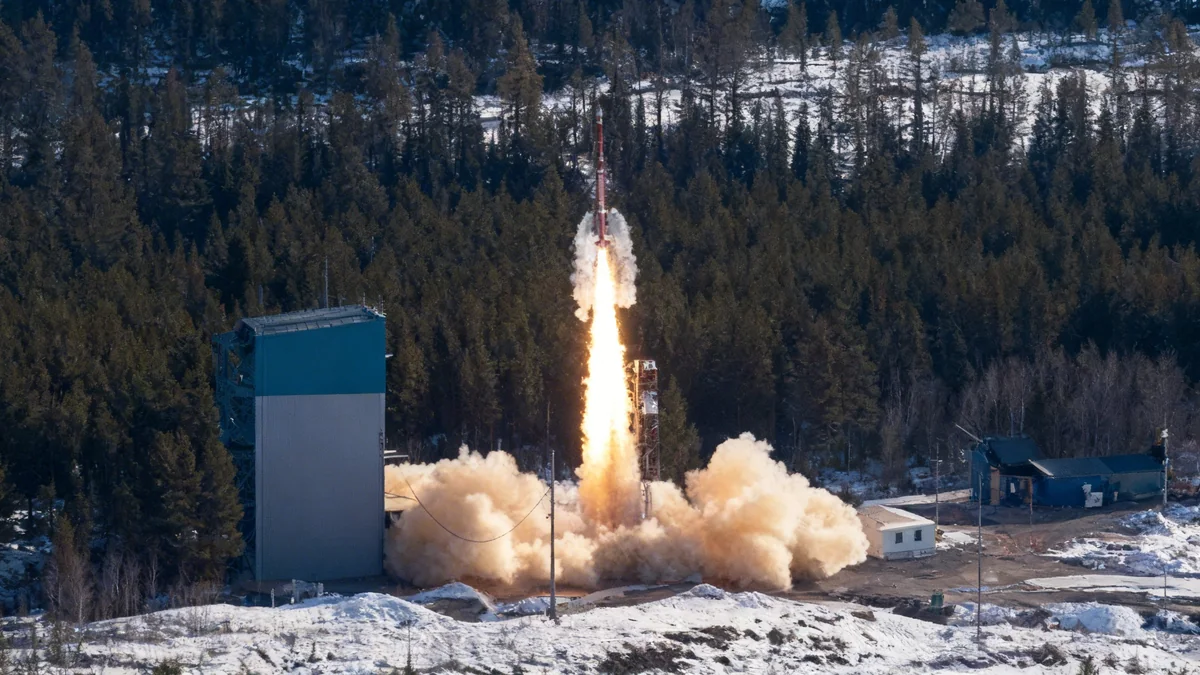
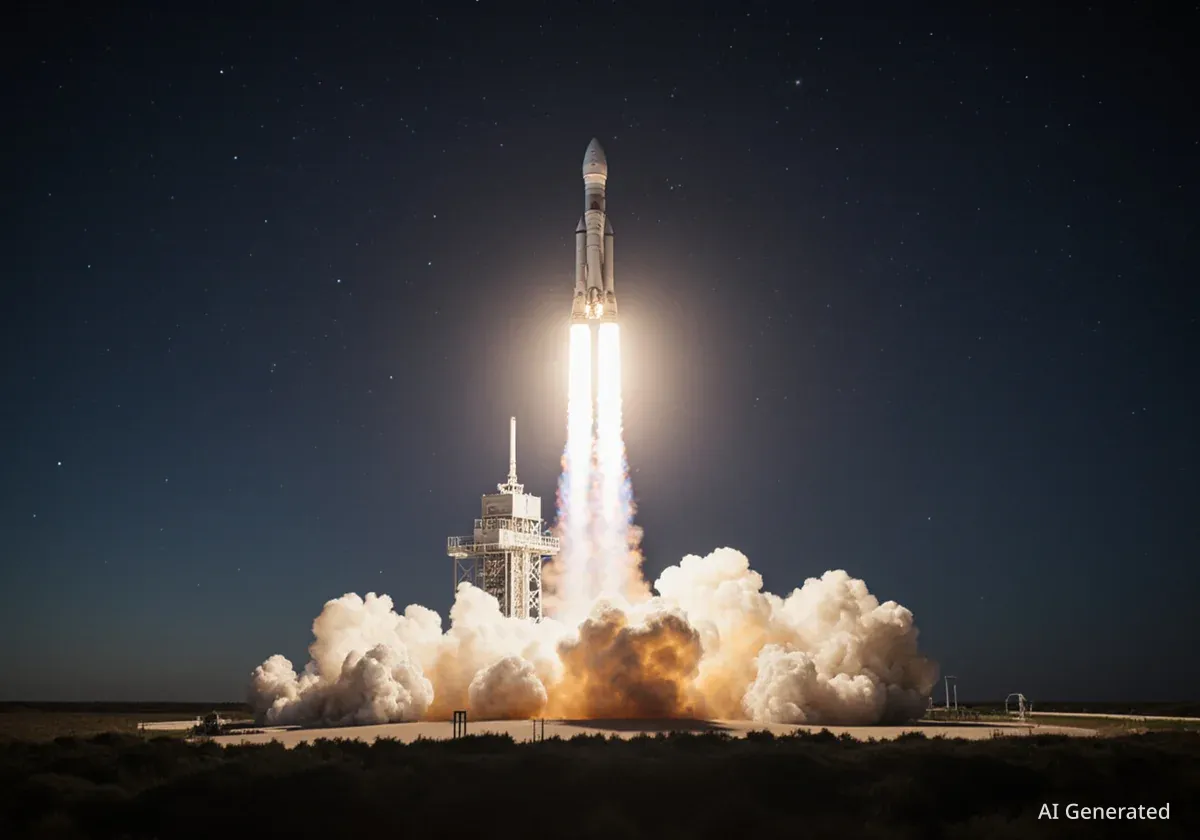
The New Shepard rocket is scheduled to launch from the company's facility in West Texas, carrying its diverse crew on a brief journey that will offer several minutes of weightlessness and a view of Earth from above the Kármán line, located 62 miles (100 kilometers) above the planet's surface.
Key Takeaways
- Michaela 'Michi' Benthaus will become the first person who uses a wheelchair to cross the Kármán line.
- The Blue Origin New Shepard NS-37 mission will carry a total of six passengers.
- The suborbital flight will last approximately 10 to 12 minutes, offering a few minutes of microgravity.
- This marks Blue Origin's 16th human spaceflight, bringing the total number of people flown by the company to 86.
A Milestone for Inclusive Spaceflight
The upcoming mission represents a significant step forward in making space travel more accessible. At the center of this milestone is Michaela 'Michi' Benthaus, an aerospace and mechatronics engineer currently working for the European Space Agency (ESA). Her work focuses on advancing interplanetary exploration through scientific collaboration.
Benthaus sustained a spinal cord injury in a mountain biking accident in 2018. Since then, she has become a vocal advocate for greater access to space for individuals with physical disabilities. Her journey to the edge of space is not her first experience with environments simulating microgravity.
In 2022, she participated in a Zero-G parabolic research flight, often called the "Vomit Comet," which creates brief periods of weightlessness. She has also completed an analog astronaut mission, a ground-based simulation that mimics the challenges of living and working in space.
What is the Kármán Line?
The Kármán line is the most widely accepted boundary between Earth's atmosphere and outer space. Situated at an altitude of 62 miles (100 kilometers), it is the point where traditional aeronautics ends and astronautics begins. Crossing this line is the internationally recognized standard for achieving spaceflight.
Beyond her professional pursuits, Benthaus remains an active athlete, participating in sports like wheelchair tennis. Her flight with Blue Origin is the culmination of her dedication to breaking barriers both on Earth and beyond.
The Diverse Crew of NS-37
Joining Benthaus on this historic flight is a crew of five other individuals from various professional backgrounds, each with a unique connection to space and science.
The Passengers
- Joel Hyde: A physicist and quantitative investor, Hyde's passion for space was sparked in 1988 after witnessing a Space Shuttle Atlantis launch. This experience led him to pursue a Ph.D. in Astrophysics.
- Hans Koenigsmann: A renowned German-American aerospace engineer, Koenigsmann was a key figure at SpaceX for two decades, contributing significantly to the development of reusable launch vehicles. He now serves in advisory roles for several aerospace companies, including Blue Origin.
- Neal Milch: An entrepreneur and business executive, Milch is the Chair of the Board of Trustees at Jackson Laboratory, an institution dedicated to genetic research for improving human health.
- Adonis Pouroulis: With over 30 years of experience in natural resources and energy, Pouroulis is an entrepreneur and mining engineer who leads companies focused on innovative energy solutions.
- Jason Stansell: A computer science graduate and space enthusiast from West Texas, Stansell is dedicating his flight to the memory of his brother, Kevin, who passed away from brain cancer in 2016.
The selection of this crew highlights a growing trend in commercial spaceflight, where missions are comprised not only of professional astronauts but also of scientists, entrepreneurs, and private citizens driven by a passion for exploration.
Blue Origin by the Numbers
With the completion of the NS-37 mission, Blue Origin will have flown 86 people (80 unique individuals) across the Kármán line on its New Shepard rocket. The flight marks the company's 16th human mission, underscoring its progress in the commercial space tourism sector.
The New Shepard Flight Experience
The entire mission, from liftoff to landing, is designed to last between 10 and 12 minutes. The New Shepard system is a fully reusable rocket and capsule, designed for suborbital flights that are less complex and shorter than orbital missions flown by companies like SpaceX or government agencies like NASA.
After a vertical launch, the booster rocket will propel the capsule past the Kármán line. Once in space, the crew will have several minutes to unbuckle from their seats and experience the sensation of microgravity, floating freely inside the cabin and observing Earth through large windows.
The New Shepard rocket system is fully reusable, a key design feature that Blue Origin states requires less maintenance between flights, ultimately saving money and reducing waste associated with space launches.
Following this brief period in space, the capsule will begin its descent back to Earth. It will deploy a series of parachutes to slow its fall before making a gentle landing in the West Texas desert. The booster rocket will perform a separate, powered vertical landing near the launch site, ready to be refurbished for a future flight.
Looking Ahead: The Future of Commercial Space
This flight is more than just another trip to space; it is a demonstration of the evolving landscape of human space exploration. As companies like Blue Origin continue to increase the frequency of their flights, the opportunity to experience space is expanding to a wider audience.
Missions that include individuals from diverse backgrounds and physical abilities, like Michaela Benthaus, challenge traditional notions of who can be an astronaut. They pave the way for a future where space is not just for a select few but is accessible to many who dream of seeing the planet from a new perspective.
The launch is scheduled for Thursday at 9:30 a.m. ET, and it will be another chapter in the ongoing story of humanity's journey to the stars, one that is becoming more inclusive with each flight.