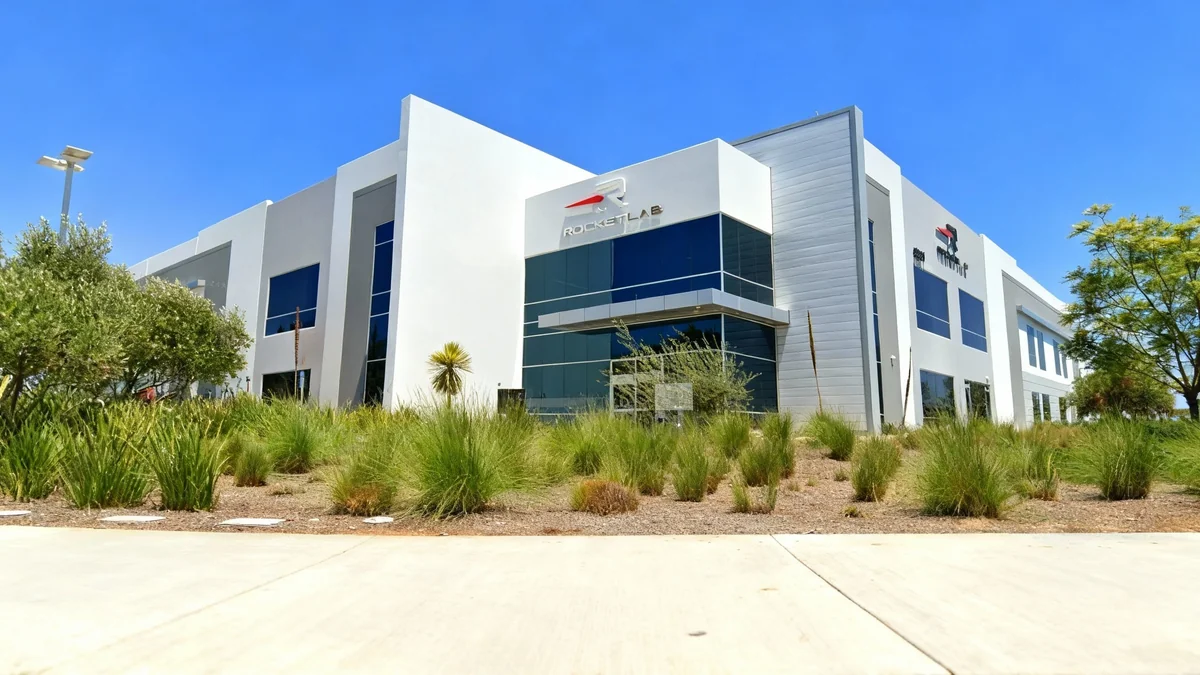
Rocket Lab Wins Record $805M Space Force Contract
The U.S. Space Force awarded a combined $1.6 billion to Rocket Lab and Northrop Grumman to build a satellite network for tracking hypersonic missile threats.

#Rocket Lab#Northrop Grumman#Space Force
22 articles tagged
The U.S. Space Force awarded a combined $1.6 billion to Rocket Lab and Northrop Grumman to build a satellite network for tracking hypersonic missile threats.
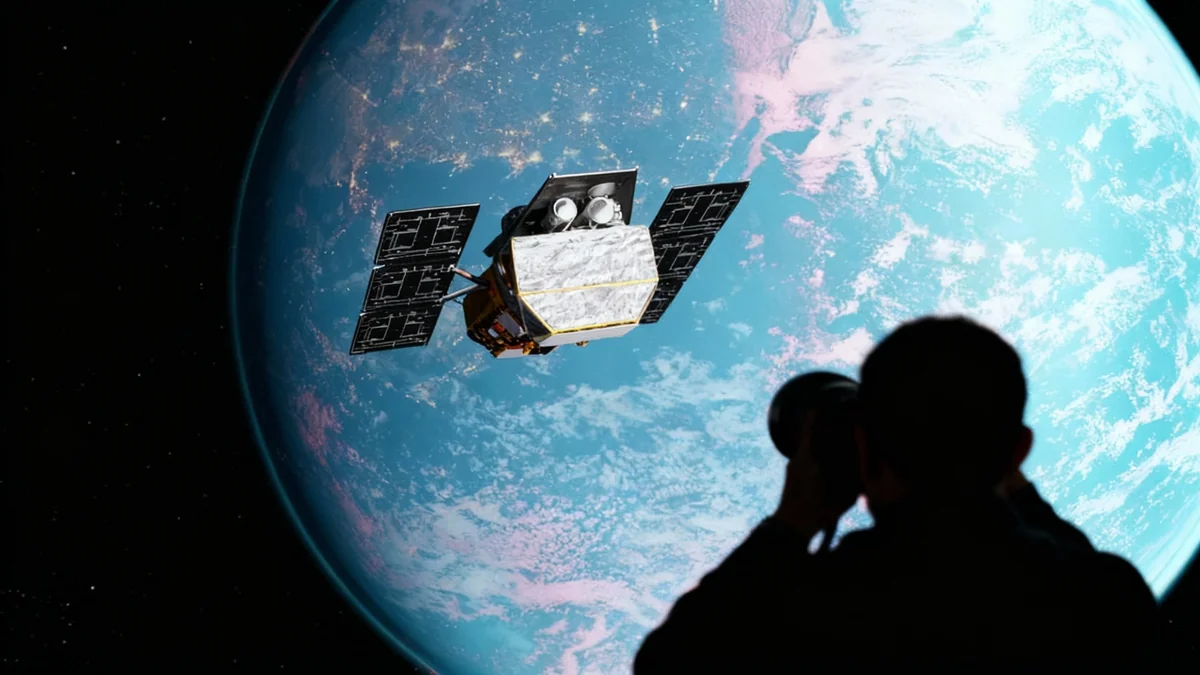
A private company will launch a robotic mission in 2026 to save NASA's aging Swift Observatory, which is falling out of orbit and faces destruction by late 2026.
The U.S. Space Force is shifting its strategy by requiring its next-generation surveillance satellites to be refuelable, sourcing them from commercial vendors.
Northrop Grumman tested autonomous docking for its Cygnus spacecraft with the Starlab commercial space station, advancing cargo delivery to low Earth orbit.
Northrop Grumman has successfully demonstrated the autonomous docking system for its Cygnus spacecraft, a key step toward servicing the future Starlab station.
The Space Force is mandating on-orbit refueling for its next-generation space domain awareness satellites, a first for an official acquisition program, to boost maneuverability.

A U.S. Navy robotic system designed to service satellites in orbit has successfully passed critical tests simulating the harsh environment of space.
Northrop Grumman's largest-ever Cygnus cargo spacecraft has arrived at the ISS, delivering nearly 11,000 pounds of supplies after a one-day delay.
A Northrop Grumman Cygnus cargo mission to the ISS is delayed after an engine issue on the new, larger XL spacecraft, which carries 11,000 pounds of supplies.
A Northrop Grumman Cygnus cargo ship has delayed its arrival at the International Space Station after its main engines stopped firing sooner than planned.
Northrop Grumman's new Cygnus XL cargo ship, bound for the ISS, has been delayed after its main engine shut down prematurely during an orbital burn.
A Northrop Grumman Cygnus supply mission to the ISS is delayed after an engine malfunctioned during an orbital burn, NASA confirmed.