Science This Week: Space Babies, Cancer Risks, and Dream Hacking
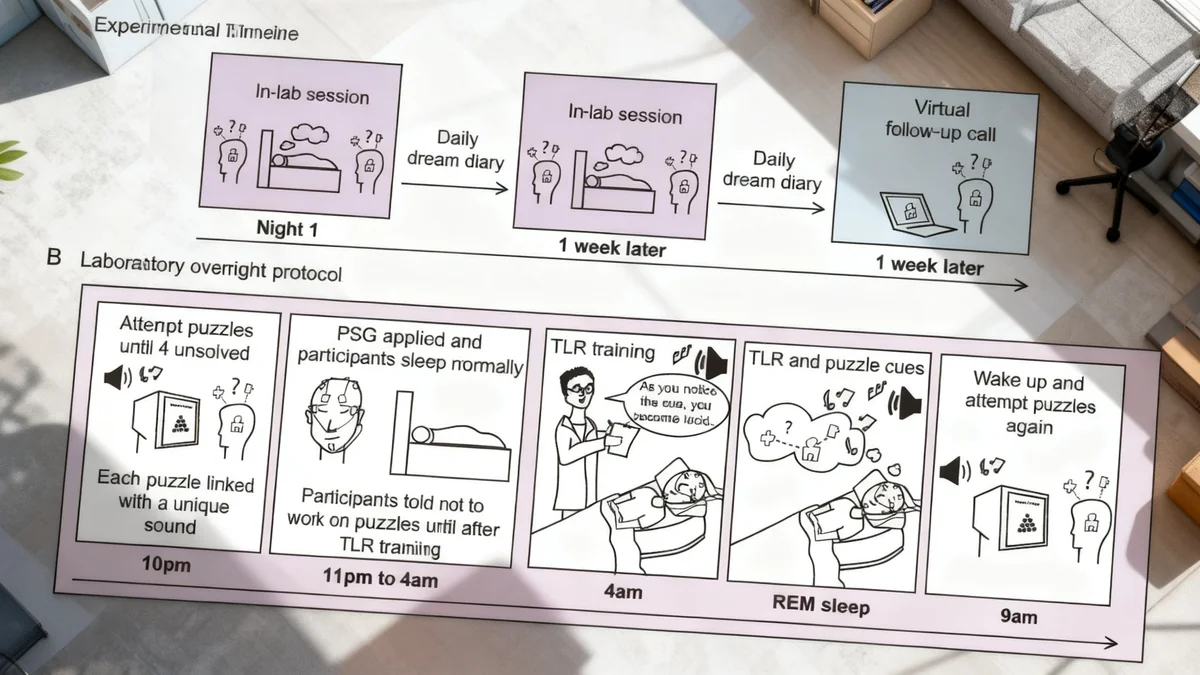
From the profound challenges of human reproduction in space to hacking dreams for problem-solving, this week's science news reveals new insights into our future, health, and behavior.

8 articles tagged

From the profound challenges of human reproduction in space to hacking dreams for problem-solving, this week's science news reveals new insights into our future, health, and behavior.

New research shows a common painkiller can stop cancer from spreading by disrupting how cancer cells interact with platelets, making them vulnerable to the immune system.

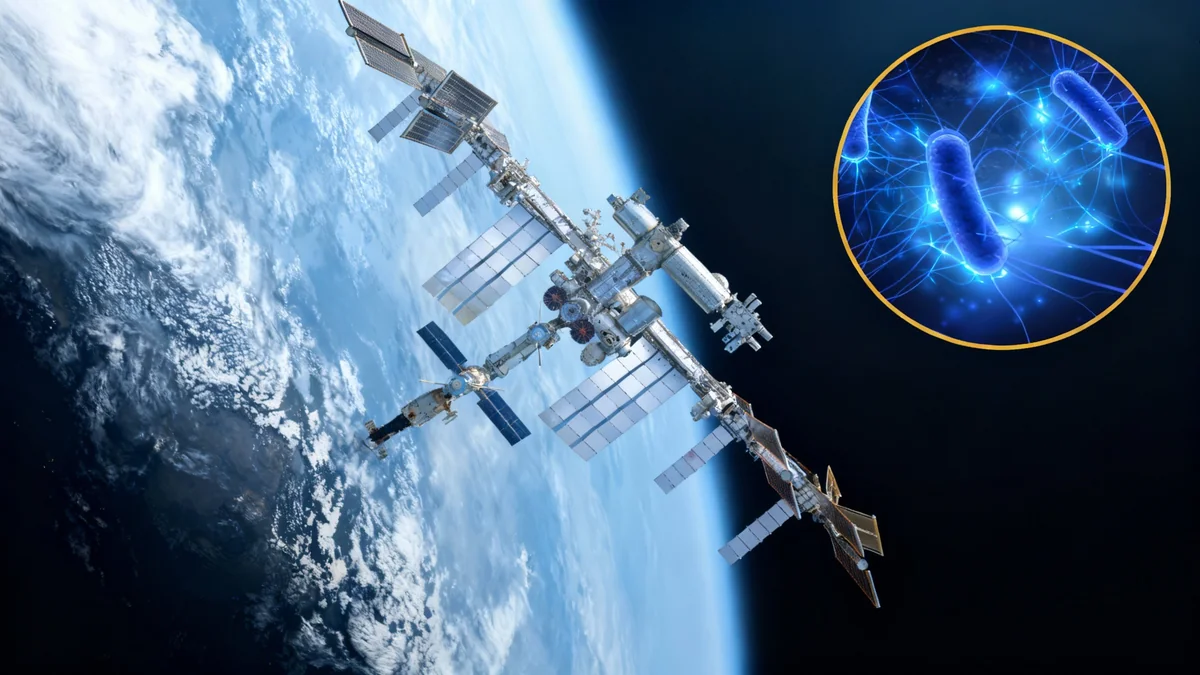
A study on the ISS found that viruses evolved in microgravity are more effective at killing drug-resistant bacteria, offering a new path to combat superbugs.

A study on the International Space Station has resulted in a virus that evolved in microgravity to effectively kill antibiotic-resistant superbugs on Earth.

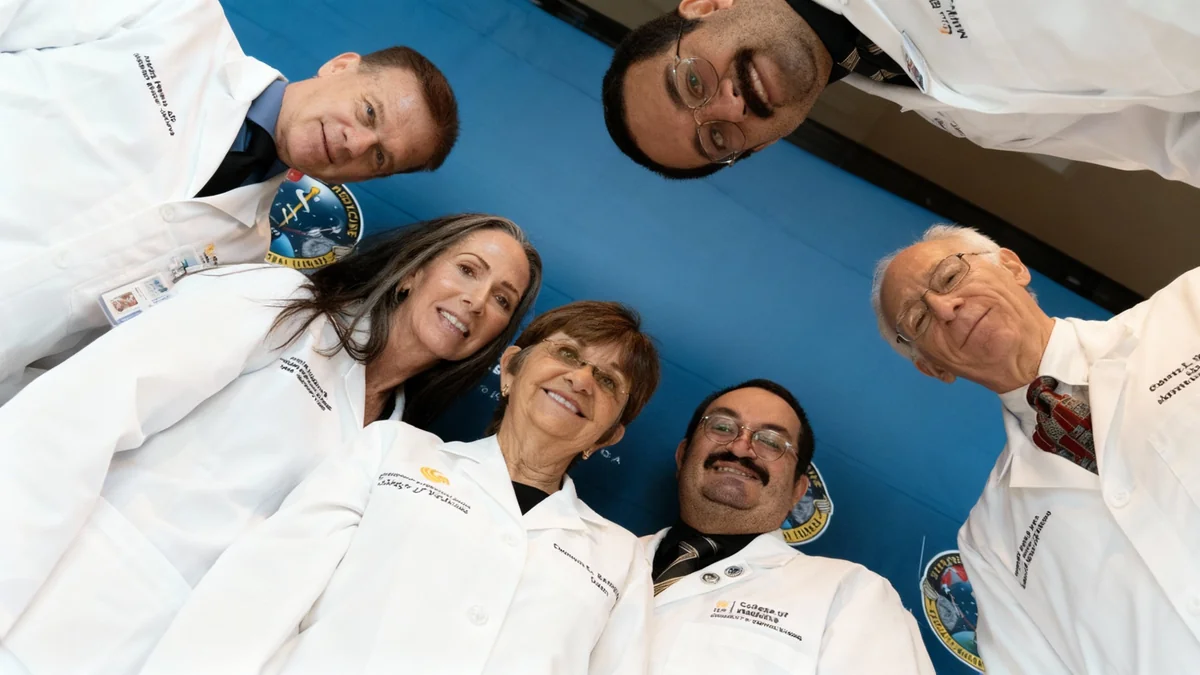
The University of Central Florida has launched a new research center, hiring former NASA experts to study the health effects of space travel and apply findings on Earth.

The AAO 2025 conference showcased major ophthalmology updates, including positive 3-year data for a geographic atrophy drug and novel preclinical research on glaucoma.

The UK Space Agency is funding biotech startup LinkGevity to test an anti-aging therapeutic in space, aiming to accelerate research for diseases on Earth.

A University of Florida study on the International Space Station reveals how microgravity accelerates muscle aging, offering new hope for astronaut health and treatments for age-related muscle loss on