

A recent experiment aboard the International Space Station (ISS) has produced an unexpected and potentially revolutionary medical breakthrough. Researchers studying how bacteria and viruses interact in microgravity discovered that a virus sent to space evolved, gaining the ability to effectively kill antibiotic-resistant bacteria back on Earth.
The findings, which stemmed from an effort to understand the human microbiome during long-duration spaceflight, could open a new frontier in the fight against dangerous pathogens like those that cause urinary tract infections (UTIs).
Key Takeaways
- An experiment on the ISS studied the interaction between E. coli bacteria and a T7 bacteriophage virus.
- In microgravity, the virus mutated and became capable of killing antibiotic-resistant E. coli strains on Earth.
- The infection process, which takes about 20 minutes on Earth, slowed to hours or even days in space.
- This research could lead to new therapies to combat the growing threat of antibiotic-resistant infections.
An Experiment for Deep Space Travel
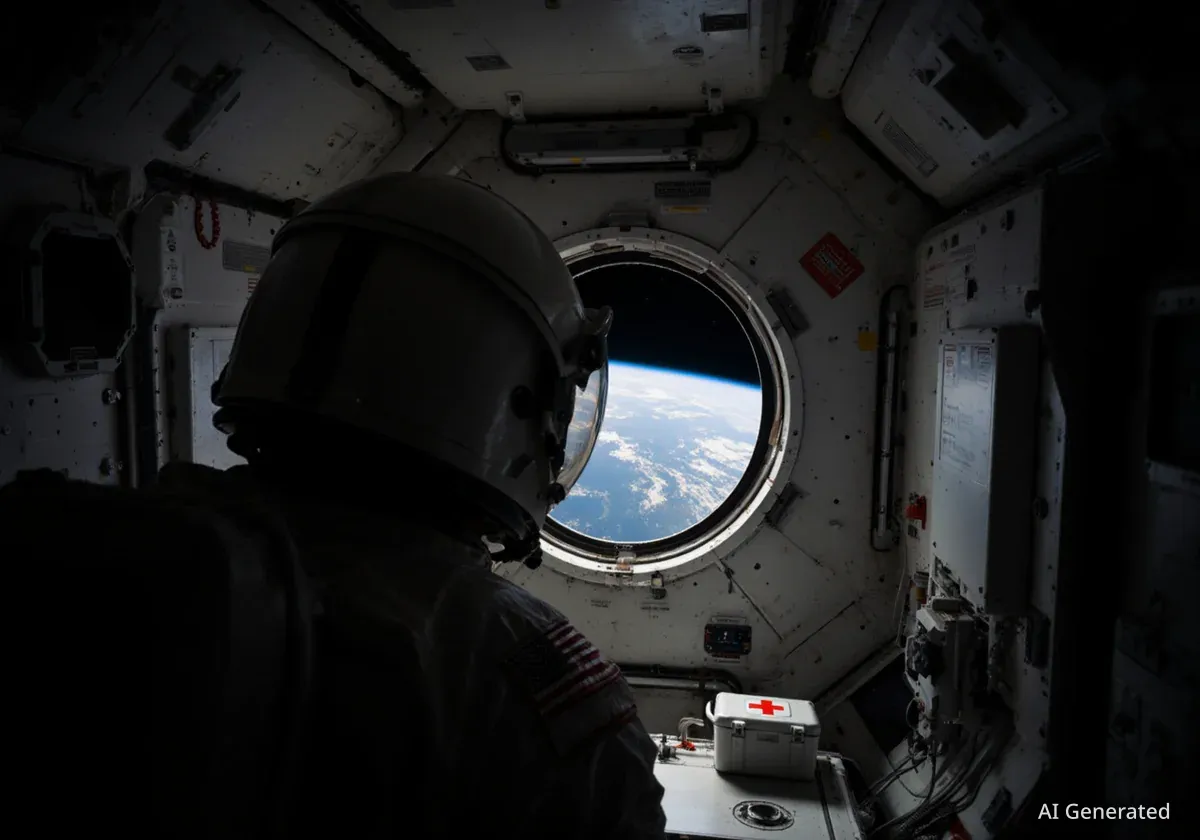
As humanity sets its sights on longer missions to the Moon and Mars, understanding how the human body adapts to space is critical. A key part of this is the microbiome—the trillions of microorganisms living in our gut. Scientists have long known that bacteria behave differently in microgravity, sometimes becoming more resilient.
"What really got us thinking about the space experiments was long-term space travel, to Mars and other places," said Vatsan Raman, lead author of the study and an assistant professor at the University of Wisconsin-Madison. The central question was how the delicate balance of our internal ecosystem might change over months or years away from Earth.
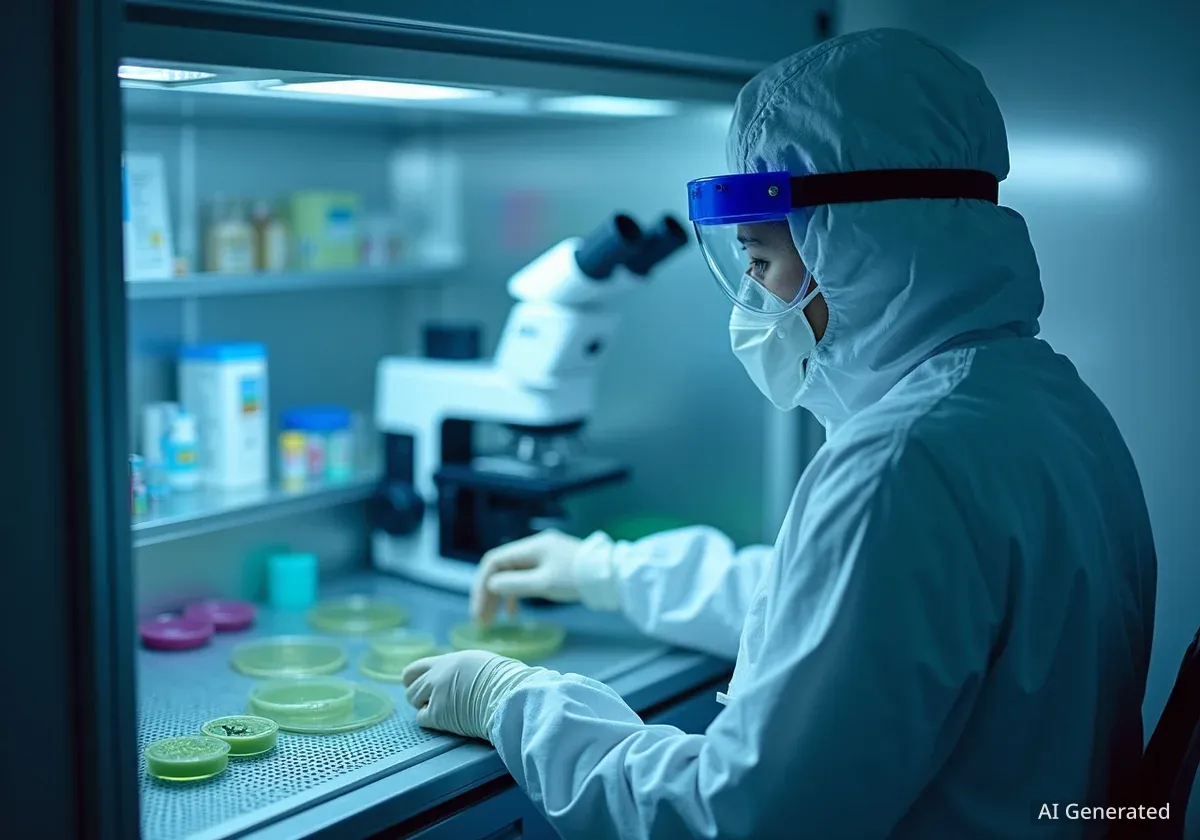
To investigate this, the research team designed a simple, contained experiment. They used two common inhabitants of the human digestive tract: the bacterium E. coli and a type of virus that exclusively infects bacteria, known as a bacteriophage T7. Two identical setups were prepared—one was launched to the ISS, while the other remained on Earth as a control group.
What Are Bacteriophages?
Bacteriophages, or "phages," are viruses that target and destroy specific bacteria. They do not infect human cells, making them a promising area of research for developing alternatives to antibiotics. With antibiotic resistance on the rise globally, phage therapy is gaining renewed attention as a potential solution.
Surprising Changes in Microgravity
When the space-flown experiment returned to Earth, the team discovered significant differences compared to its Earth-bound counterpart. The observations highlighted just how profoundly the microgravity environment alters basic biological processes.
Slower Infection Dynamics
The first major finding was a dramatic change in the speed of infection. "We found that typically on Earth, the bacteriophage infection happens in about 20 minutes," Raman explained. "In the International Space Station, this infection took hours to days to complete." This slowdown suggests that the fundamental mechanics of how the virus finds and enters the bacteria are altered in space.
Dual Mutations
Consistent with previous space-based studies, the E. coli bacteria developed genetic mutations. More surprisingly, the T7 bacteriophage also mutated. These changes were not random; they appeared to be adaptations that eventually allowed the virus to overcome the challenges of infecting bacteria in the unique conditions of microgravity.
A Battle in Space: Both the bacteria and the virus evolved during the experiment, demonstrating a rapid evolutionary arms race in a microgravity environment. The virus ultimately developed mutations that improved its ability to infect its target.
An Unexpected Benefit for Medicine on Earth
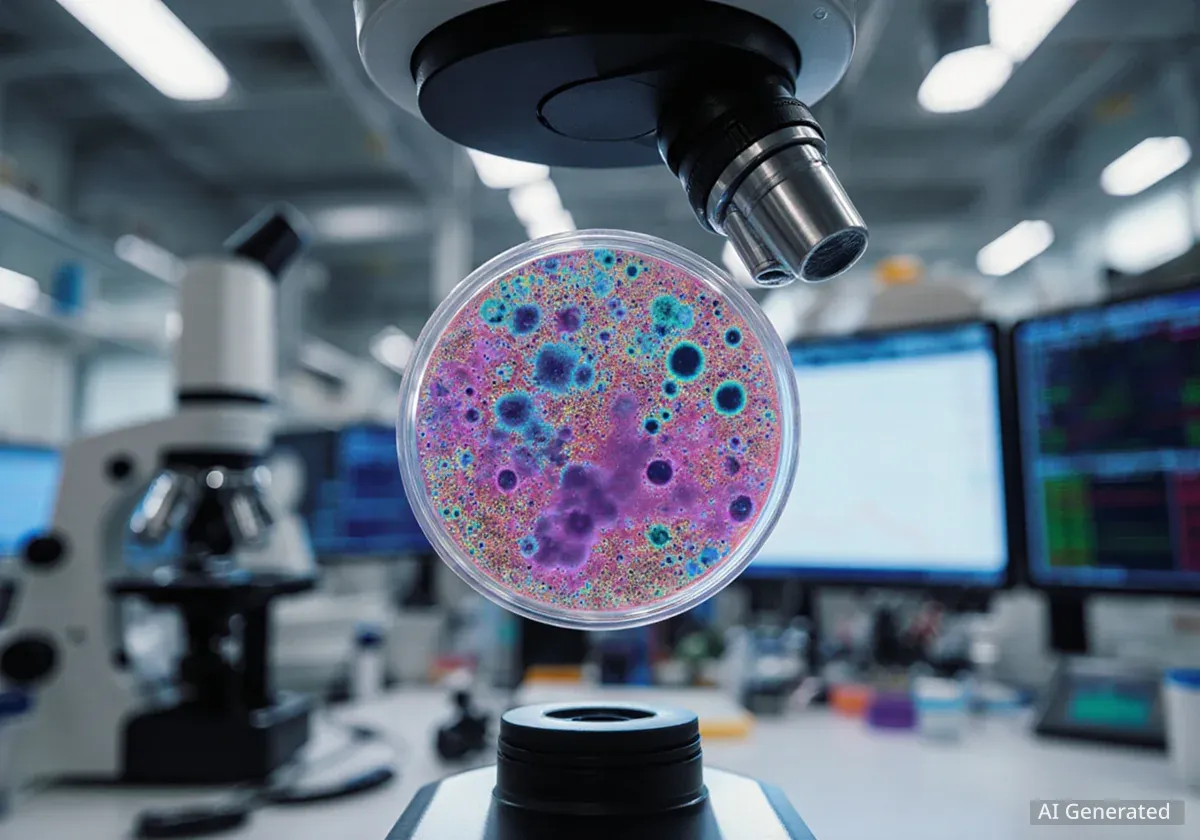
The most remarkable discovery came when the researchers tested the mutated phages from the ISS against bacteria on Earth. They applied the space-evolved viruses to pathogenic strains of E. coli that cause urinary tract infections—strains that are normally resistant to the standard T7 phage.
"These mutant bacteriophages were very effective at killing these pathogenic bacteria that cause urinary tract infection, which was quite surprising, but it worked," Raman stated.
This serendipitous finding is a potential game-changer. The mutations acquired in space gave the virus a new key to unlock and destroy bacteria that had previously been immune to it. This suggests that space could be used as a unique laboratory to accelerate the evolution of beneficial viruses for medical applications.
"The message is that there are mutations that these bacteriophages can acquire which will make it beneficial for us to use them against pathogens," Raman added. This opens the door to engineering more potent phages to combat the growing crisis of antibiotic resistance.
The Future of Microbial Research in Space
While this experiment was simple, its implications are vast. It not only provides crucial insights for future long-term space missions but also demonstrates how space research can yield direct and powerful benefits for life on Earth. The study, published in the journal PLOS Biology, highlights how much is still unknown about how life adapts to environments beyond our planet.
Researchers believe this is just the beginning. The next step is to explore more complex microbial communities that better represent the diversity of the human gut.
"We've barely scratched the surface with this very simple experiment," Raman concluded. "This really opens more questions than answers in some ways."
Future experiments on the ISS could help scientists understand how the entire microbiome shifts during space travel and could lead to the development of even more specialized phages to target a wider range of drug-resistant superbugs, offering hope in a critical area of modern medicine.