


Oligo Space, a startup founded in 2024 by CEO Jacob Rodriguez, is preparing to launch its first spacecraft, Chimera-1, in 2026. The company aims to simplify satellite design and manufacturing, making space more accessible to nations and organizations without extensive aerospace experience.
Key Takeaways
- Oligo Space, founded by CEO Jacob Rodriguez in 2024, is developing a platform to automate spacecraft design and production.
- The company's first mission, Chimera-1, is scheduled to launch aboard a SpaceX Transporter-15 mission in 2026.
- Rodriguez was inspired to pursue a career in aerospace after seeing the Space Shuttle Endeavour fly over Los Angeles in 2012.
- A graduate of MIT with a degree in aerospace engineering, Rodriguez previously interned at NASA's Jet Propulsion Laboratory.
A New Approach to Spacecraft Development
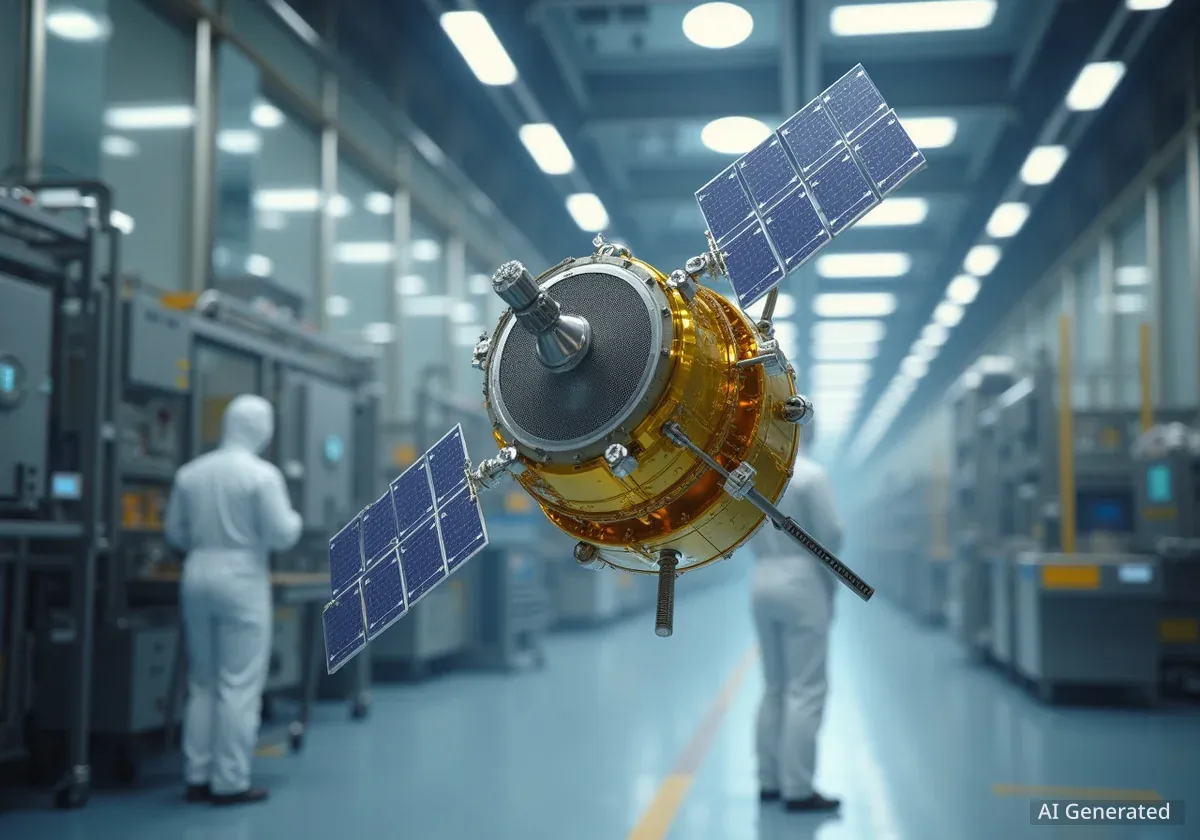
Oligo Space was established with the goal of fundamentally changing how satellites are built. The company is developing a system that uses automation, machine learning, and robotics to streamline the entire process from initial design to final assembly. This approach is intended to significantly reduce manufacturing timelines and lower the barrier to entry for space exploration.
Many organizations, including smaller nations and research institutions, lack the specialized engineering teams required to develop and operate their own spacecraft. Oligo Space seeks to fill this gap by providing a more accessible platform.
The Challenge of Building Satellites
Traditionally, designing and building a satellite is a complex, multi-year process. It requires teams of highly specialized engineers in fields like orbital mechanics, thermal management, and communications. The cost and complexity often limit space access to large government agencies and major corporations.
The company's mission is to empower a wider range of users to participate in the space economy. By automating key parts of the development cycle, Oligo Space hopes to enable clients to focus on their payload and mission objectives rather than the technical complexities of the spacecraft itself.
"Oligo was founded as a unity of my passions for space hardware, autonomy, machine learning, and robotics into a single mission: enabling any nation to design, build, and operate its own spacecraft through automation," Jacob Rodriguez stated.
The Inaugural Mission: Chimera-1
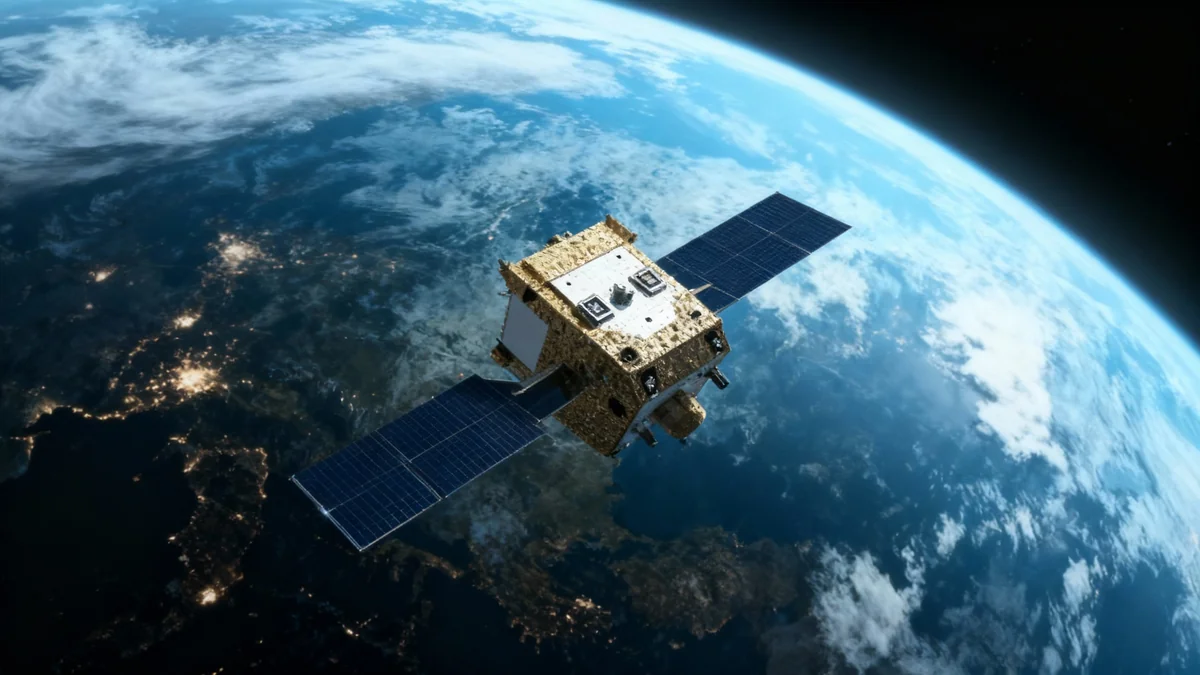
The company's first spacecraft, named Chimera-1, is on track for a 2026 launch. This mission will serve as a critical demonstration of Oligo Space's technology and manufacturing processes in an operational environment.
According to Rodriguez, the satellite is scheduled to fly on the SpaceX Transporter-15 mission. SpaceX's Transporter program offers rideshare opportunities, allowing multiple small satellites to be launched on a single Falcon 9 rocket, which helps reduce launch costs for startups like Oligo.
What is a Rideshare Mission?
A rideshare mission is similar to a carpool for satellites. A single rocket carries numerous small spacecraft from different customers to orbit. This model has become increasingly popular in the commercial space industry, as it makes launching satellites more affordable and frequent for smaller companies and universities.
The successful deployment and operation of Chimera-1 will be a major milestone for Oligo Space. It will validate the company's automated design and production platform, paving the way for future commercial offerings. Details about the specific payload and objectives of the Chimera-1 mission have not yet been released.
An Unlikely Path to the Stars
Jacob Rodriguez's journey into the aerospace industry was not a conventional one. Growing up in a low-income neighborhood in California, a career in space exploration seemed distant. His early years were spent helping his grandfather with construction projects and caring for his siblings.
Everything changed in 2012. As an elementary school student, Rodriguez witnessed a pivotal moment in space history: the final flight of the Space Shuttle Endeavour. The orbiter, mounted on the back of a modified Boeing 747, flew over Los Angeles on its way to the California Science Center, where it would become a museum exhibit.
"At that moment, I knew there were futures beyond anything I’d imagined," he said, reflecting on the experience.
This powerful sight ignited a passion for space that would define his future. The event was a source of inspiration for many young people in Southern California, but for Rodriguez, it became a clear career path.
From Inspiration to Innovation
Motivated by his new goal, Rodriguez excelled academically. He earned a full scholarship to the prestigious Massachusetts Institute of Technology (MIT), where he pursued a degree in aerospace engineering. This provided him with the foundational knowledge needed to enter the highly competitive space industry.
During his time at MIT, Rodriguez secured an internship at NASA's Jet Propulsion Laboratory (JPL) in Pasadena, California. JPL is a world leader in robotic space exploration, responsible for iconic missions like the Mars rovers Curiosity and Perseverance. This experience provided him with invaluable hands-on experience in the field.
Key Facts about Jacob Rodriguez's Journey
- Inspiration: Saw Space Shuttle Endeavour fly over Los Angeles in 2012.
- Education: Full scholarship to MIT for aerospace engineering.
- Experience: Internship at NASA's Jet Propulsion Laboratory (JPL).
- Founded Oligo Space: Established the company in 2024.
After graduating, Rodriguez combined his expertise in aerospace hardware with his interests in robotics and artificial intelligence. This synthesis of disciplines led to the founding of Oligo Space in 2024, with a clear vision to democratize access to orbit through technological innovation.