

The year 2026 is shaping up to be a pivotal moment for space exploration and celestial observation. Several long-awaited missions are scheduled to launch, including humanity's return to lunar orbit and new robotic journeys to Mars. Additionally, a significant total solar eclipse will offer a spectacular viewing opportunity for millions across the globe.
These events represent years of planning and engineering by international space agencies and commercial partners. From advancing human spaceflight capabilities to searching for signs of past life on other planets, the coming year promises to expand our understanding of the cosmos and our place within it.
Key Takeaways
- NASA's Artemis II mission is scheduled to send four astronauts on a flight around the Moon, the first crewed lunar mission in over 50 years.
- Multiple robotic missions are planned for Mars, aiming to study its geology and climate.
- A total solar eclipse will be visible across a path stretching from the Arctic through Spain in August 2026.
- New space telescopes and observatories are expected to provide unprecedented views of distant galaxies and cosmic phenomena.
Humanity's Return to the Moon
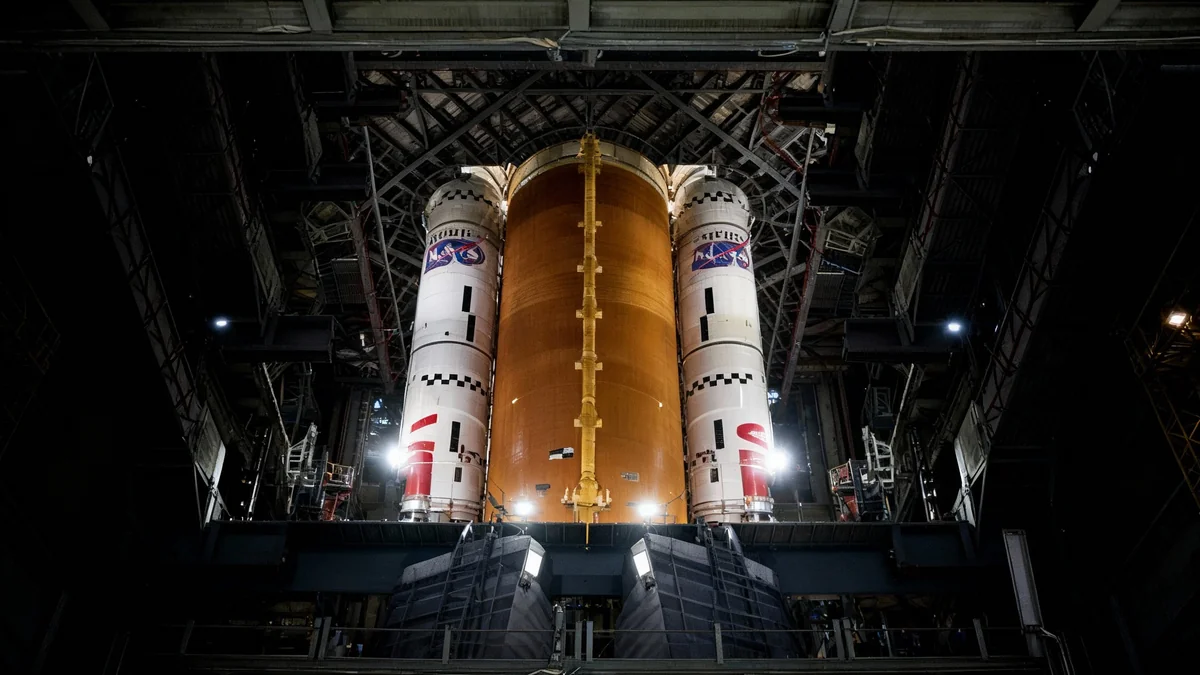
One of the most anticipated events of 2026 is NASA's Artemis II mission. This mission will mark the first time astronauts have traveled to the Moon since the Apollo program concluded in 1972. A crew of four will fly aboard the Orion spacecraft, launched by the powerful Space Launch System (SLS) rocket.
The mission will not land on the Moon but will instead perform a lunar flyby, testing the spacecraft's life-support systems and capabilities in deep space. This crucial step is designed to pave the way for future missions, including Artemis III, which aims to land the first woman and first person of color on the lunar surface.
The Artemis Program
The Artemis program is NASA's multi-stage initiative to establish a sustainable human presence on and around the Moon. The long-term goal is to use the experience and technologies developed for lunar missions as a stepping stone for future human exploration of Mars.
The crew of Artemis II will spend approximately 10 days in space, traveling farther from Earth than any human has before. Their journey will validate the performance of the Orion spacecraft and the SLS rocket, ensuring the safety and readiness of the systems for more complex missions to come. This flight represents a significant milestone in returning humans to deep space exploration.
The Next Wave of Mars Exploration
While human eyes will be fixed on the Moon, robotic explorers are set to continue their investigation of Mars. Several missions from different space agencies are targeting the Red Planet in 2026, taking advantage of the favorable orbital alignment between Earth and Mars that occurs roughly every 26 months.
These missions will build upon the discoveries of previous rovers and orbiters, such as NASA's Perseverance and Curiosity. The primary objectives include searching for evidence of ancient microbial life, studying Martian geology, and analyzing the planet's thin atmosphere. Data collected will be vital for understanding Mars's history and potential for past habitability.
Journey to the Red Planet
A trip from Earth to Mars takes approximately seven to nine months, depending on the specific trajectory and propulsion technology used. Mission planners must carefully calculate launch windows to ensure the most efficient path between the two planets as they orbit the Sun.
Engineers and scientists are hopeful that these new missions will answer fundamental questions about Mars. For example, understanding the history of water on the planet is a key focus. By analyzing rock and soil samples, these robotic explorers can help piece together the puzzle of how Mars transformed from a potentially warm, wet world into the cold, dry desert it is today.
A Spectacular Celestial Show
Beyond planetary missions, 2026 will offer a breathtaking event for skywatchers here on Earth. On August 12, 2026, a total solar eclipse will trace a path across the Northern Hemisphere. The path of totality, where the Moon completely blocks the Sun, will begin over the Arctic, cross over Greenland and Iceland, and finish over northern Spain.
A total solar eclipse is a rare and dramatic event. For a few minutes, the sky darkens, temperatures drop, and the Sun's faint outer atmosphere, the corona, becomes visible to the naked eye. This particular eclipse is notable because its path of totality crosses over populated areas of Europe, making it accessible to a large number of people.
"Each total solar eclipse is a unique opportunity to witness the mechanics of our solar system in action. For those in the path of totality, it is an unforgettable experience that connects us directly to the cosmos."
Observers outside the path of totality will still be able to see a partial eclipse, where the Moon covers only a portion of the Sun. For those planning to travel, destinations in Spain and Iceland are expected to be popular viewing spots, though weather will be a critical factor. Experts remind everyone to use proper eye protection, such as certified eclipse glasses, when viewing any phase of a solar eclipse.
New Windows into the Universe
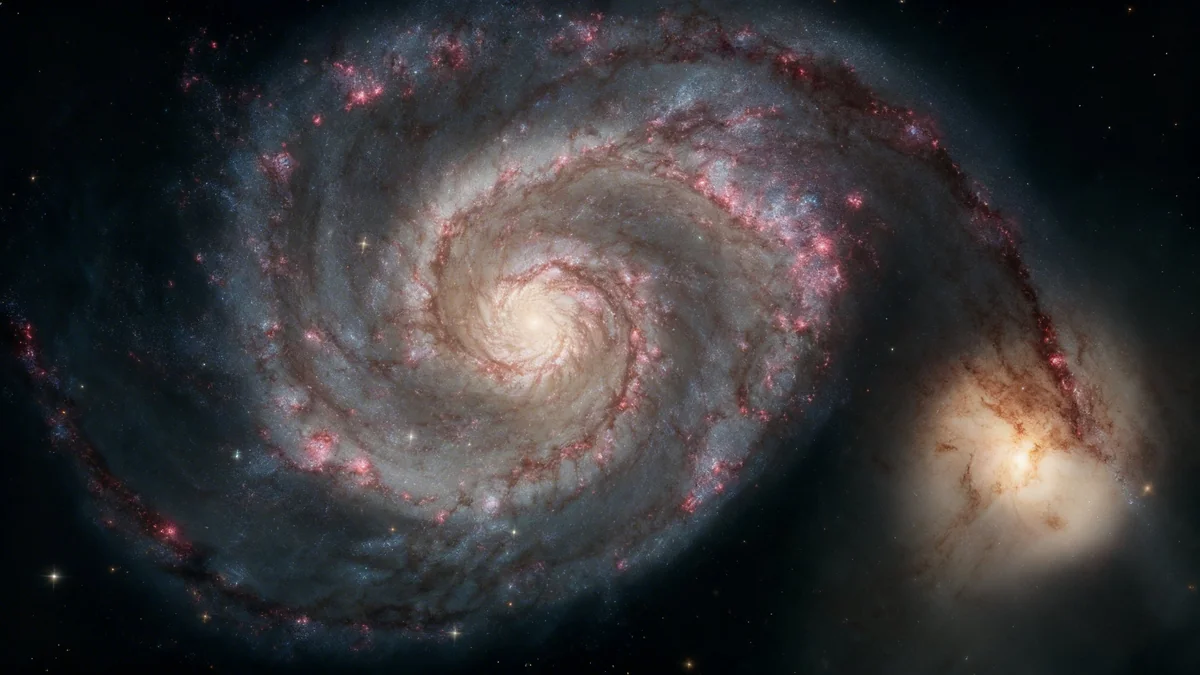
The year 2026 is also expected to see advancements in our ability to observe the broader universe. New ground-based and space-based telescopes are scheduled to begin operations or deliver new insights, continuing the revolution in astronomy sparked by instruments like the James Webb Space Telescope.
These next-generation observatories will be capable of peering deeper into space and with greater clarity than ever before. Their goals include:
- Studying the formation of the first stars and galaxies.
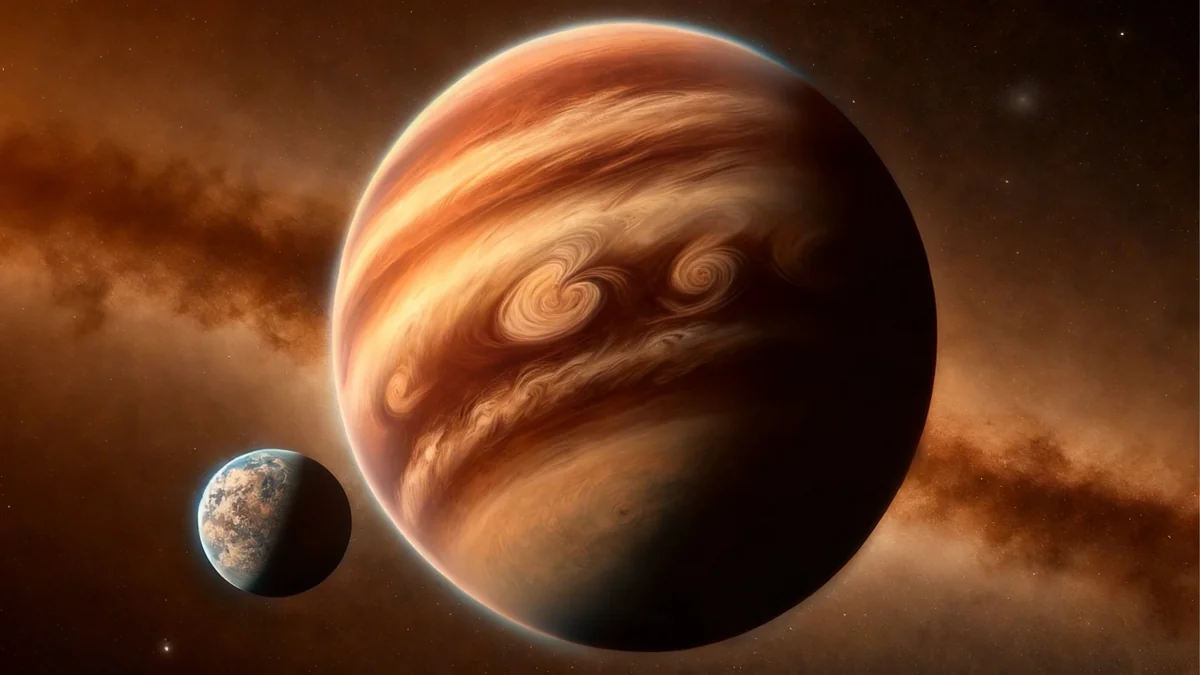
- Analyzing the atmospheres of exoplanets for signs of life.
- Investigating the mysteries of dark matter and dark energy.
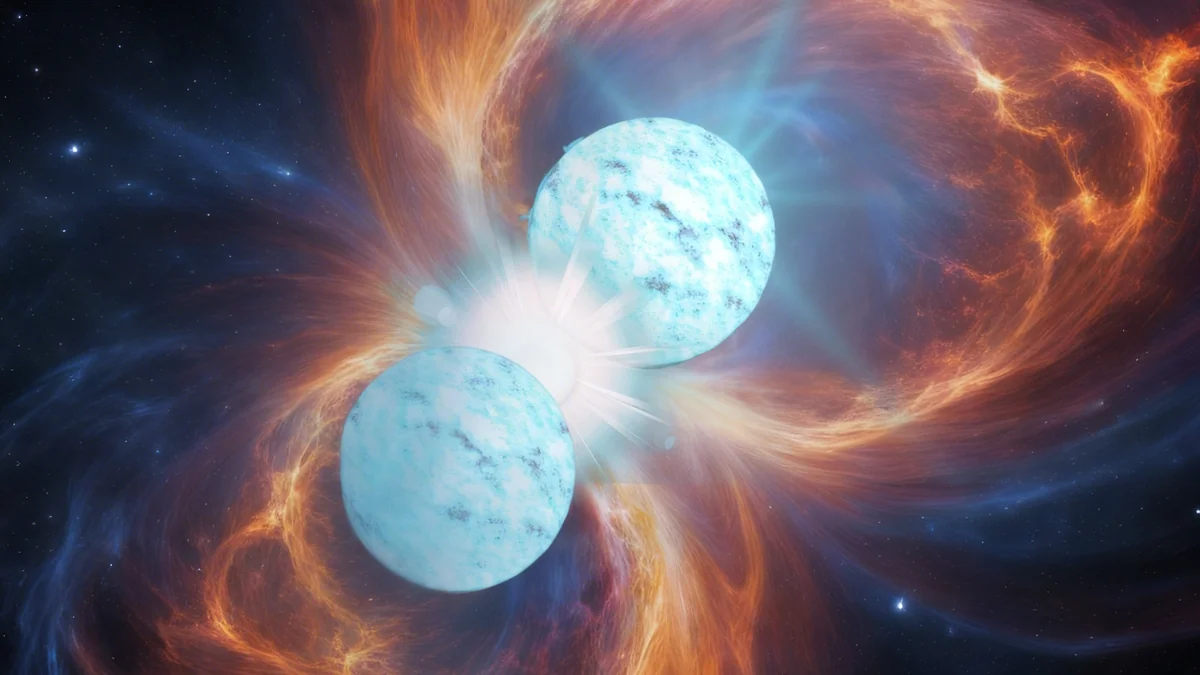
- Observing cosmic events like supernova explosions and black hole mergers.
The data gathered from these powerful new tools will undoubtedly lead to new discoveries and challenge existing theories about the universe. As technology advances, so does our capacity to explore fundamental questions about our origins and the nature of reality. The developments in 2026 represent not just a series of isolated events, but a coordinated push to expand the frontiers of human knowledge.