
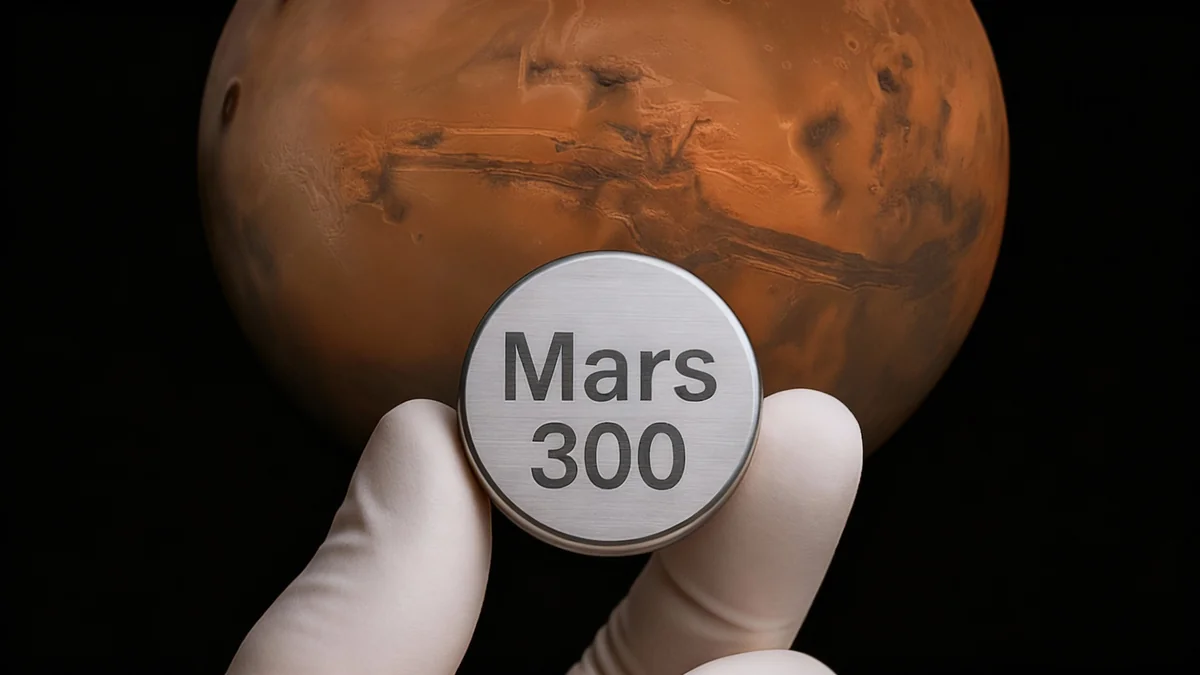


A Texas-based company has opened reservations for what it calls the first memorial flight to Mars, offering to send cremated human remains and DNA samples into orbit around the Red Planet. The ambitious mission, planned for 2030, marks a new frontier in the memorial spaceflight industry.
The company, Celestis, Inc., is now accepting deposits for the first 300 participants in its "Mars300" project. This service comes as humanity's plans for Martian exploration intensify, raising both excitement and complex logistical questions about such commercial ventures.
Key Takeaways
- Celestis is taking reservations for its "Mars300" mission, aiming to send human remains to orbit Mars.
- The planned launch date for the first flight is 2030.
- The service is priced at $24,995 per participant, with 300 initial spots available.
- The mission relies on securing a secondary payload spot on a future, unconfirmed Mars-bound rocket.
A New Frontier for Memorial Services
For decades, sending a loved one's ashes into space has been a niche but established practice. Now, Celestis is looking to take the concept to another planet. The company has officially begun accepting reservations for its Mars300 mission, a project designed to place small capsules containing cremated remains and DNA into a stable orbit around Mars.
This represents a significant step beyond the company's previous offerings, which have included launches into Earth's orbit, to the lunar surface, and into deep space. The plan is to secure a spot as a secondary payload on a larger, primary mission headed to Mars in the coming decade.
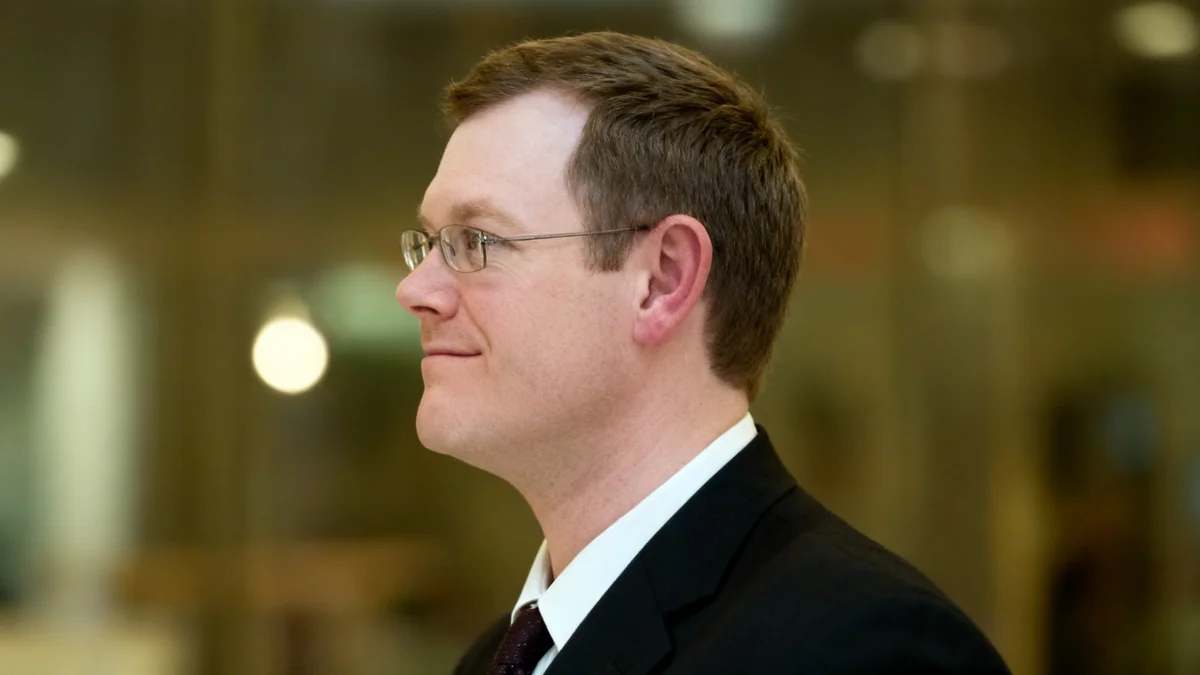
Charles Chafer, the Founder and CEO of Celestis, framed the mission as a natural progression of human exploration. He stated that the project aims to honor individuals while contributing to humanity's journey beyond Earth.
"This mission represents humanity’s next responsible step toward the stars. By sending cremated remains and human DNA to Mars, we unite science, exploration, and legacy in a way that speaks to our shared destiny beyond Earth."
The Logistics of a Martian Farewell
Securing a final resting place in Martian orbit comes with a significant price tag and several logistical unknowns. The company has set the cost for participation at nearly twenty-five thousand dollars, requiring an initial deposit to hold one of the 300 available slots.
Mission Mars300 at a Glance
- Service Cost: $24,995
- Initial Reservation: 10% down payment
- Participant Limit: 300 for the first flight
- Target Date: 2030
Celestis has assured potential clients that their payments will be protected. According to a company statement, all participant funds will be held in a federally-insured trust account. These funds will remain under the client's control until both a launch provider and a firm launch date are officially confirmed.
The biggest hurdle remains finding a ride. As of now, there is no confirmed launch vehicle for the Mars300 payload. The success of the mission is entirely dependent on another entity—whether a government agency or a private corporation like SpaceX—launching a primary cargo mission to Mars around 2030. Celestis would then need to negotiate for a small portion of that spacecraft's payload capacity.
A History of Celestial Tributes
Celestis is not new to the memorial spaceflight industry. The Houston-based firm has been conducting missions since 1997, building a track record of sending symbolic portions of cremated remains into space. The company offers a range of services, from suborbital flights that return the capsules to Earth as keepsakes to missions that send remains into deep space.
Honoring Science Fiction Icons
Over the years, Celestis has carried the remains of several figures beloved by the science fiction community. Participants on past flights have included "Star Trek" creator Gene Roddenberry and his wife Majel Barrett Roddenberry, as well as actors Nichelle Nichols (Uhura), DeForest Kelley (Dr. McCoy), and James Doohan (Scotty). The visual effects pioneer Douglas Trumbull, known for his work on 2001: A Space Odyssey, was also honored on a 2024 flight.
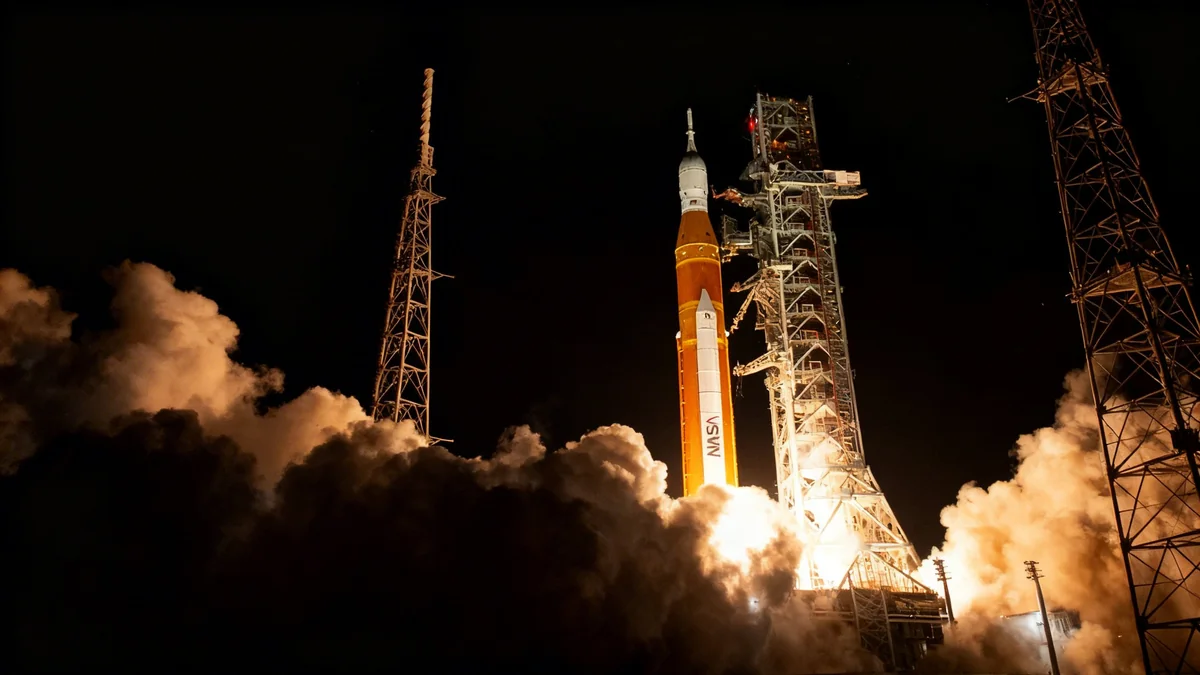
The company has utilized various launch vehicles for its missions, most recently using United Launch Alliance's new Vulcan Centaur rocket for its "Enterprise Flight" in early 2024. This history demonstrates the company's experience in navigating the complex world of commercial space launches.
However, the business is not without risks. This past summer, a Celestis payload was lost during the splashdown phase of The Exploration Company's "Mission Possible" capsule. A parachute malfunction resulted in the loss of the capsule and its contents in the Pacific Ocean, highlighting the inherent challenges of space-related ventures.
Navigating Planetary Protection and Future Hurdles
Sending any material to another planet, even in orbit, raises important questions about contamination. Mars has a delicate environment that scientists are keen to study for signs of past or present life. Contaminating it with Earth-based microbes could compromise that research forever.
Celestis has stated that it is committed to preserving the Martian ecosphere by adhering to strict international guidelines. These protocols, established by the Committee on Space Research (COSPAR), are designed to prevent the biological contamination of other worlds.
The company's plan to place the remains in orbit, rather than landing them on the surface, is a key part of this strategy. An orbital mission faces less stringent planetary protection requirements than a lander. Even so, ensuring the long-term stability of that orbit to prevent an eventual crash onto the surface will be a critical consideration for mission planners and regulators.
Ultimately, the Mars300 mission's fate rests on the broader progress of interplanetary travel. With a target of 2030, Celestis is betting that the burgeoning commercial space industry, led by companies like SpaceX with its Starship rocket, will make trips to Mars frequent and accessible enough to accommodate secondary payloads like theirs. For now, it remains an ambitious proposal, inviting a select few to reserve a place in Martian history.