
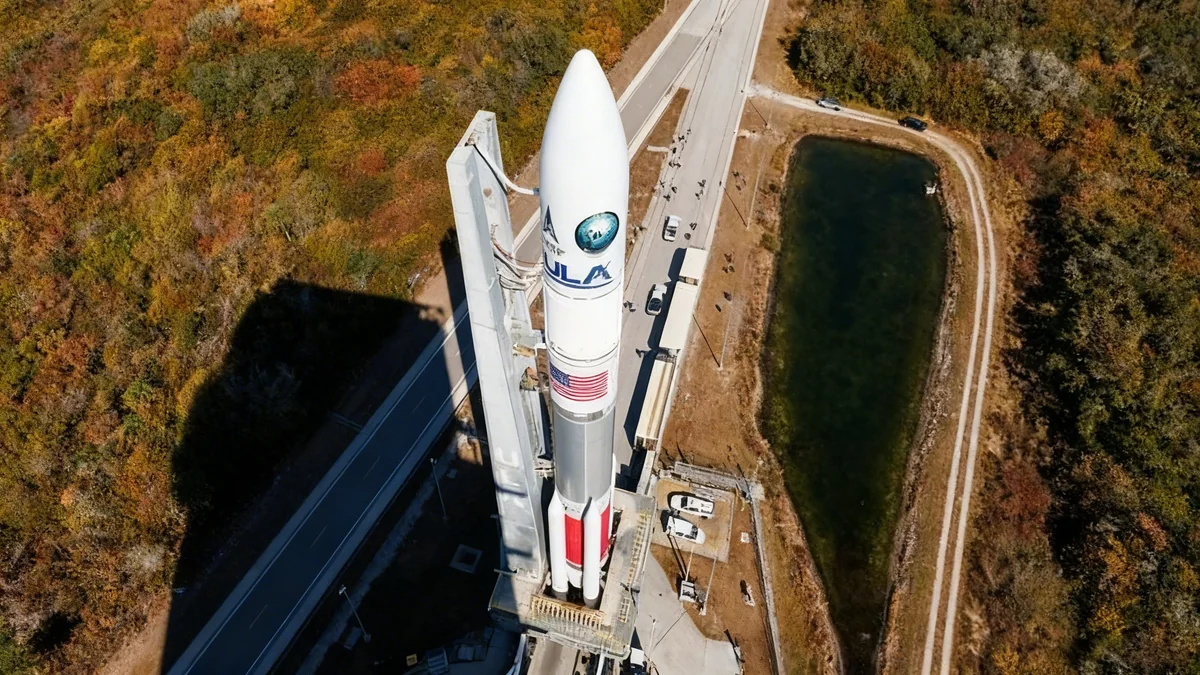
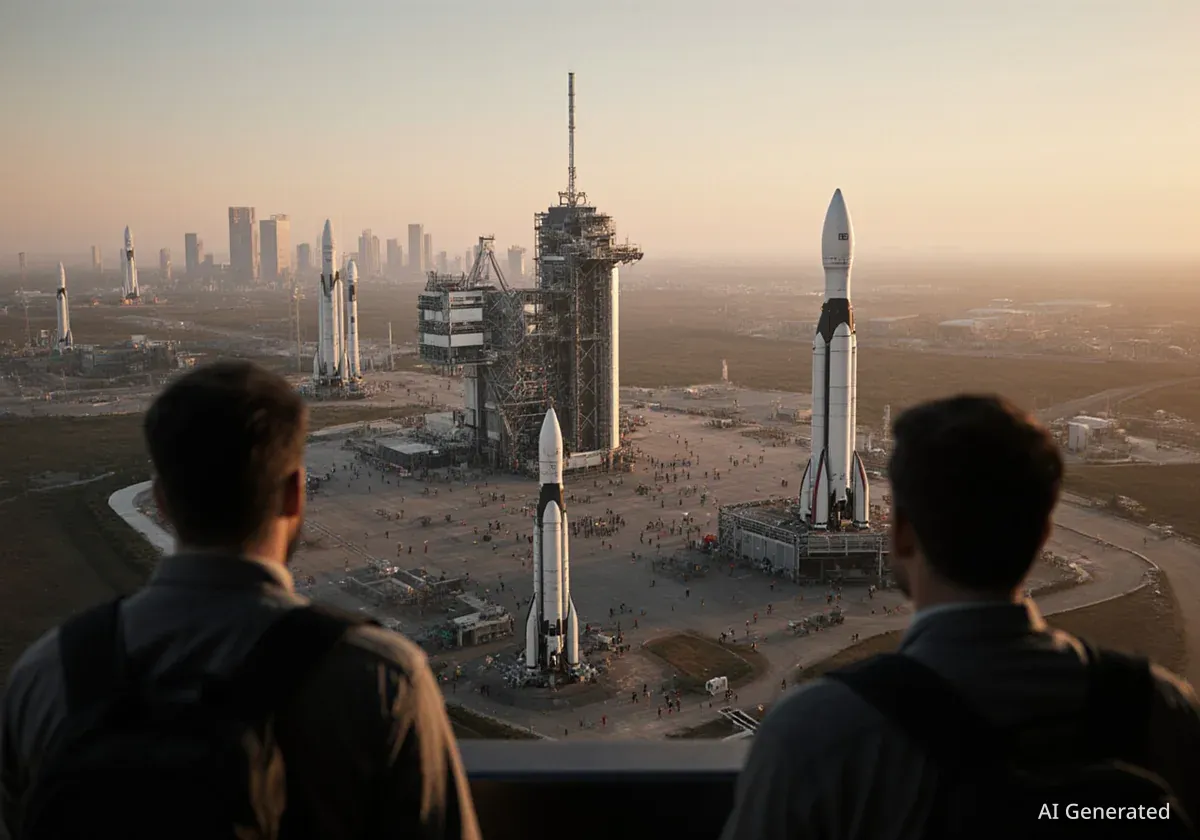

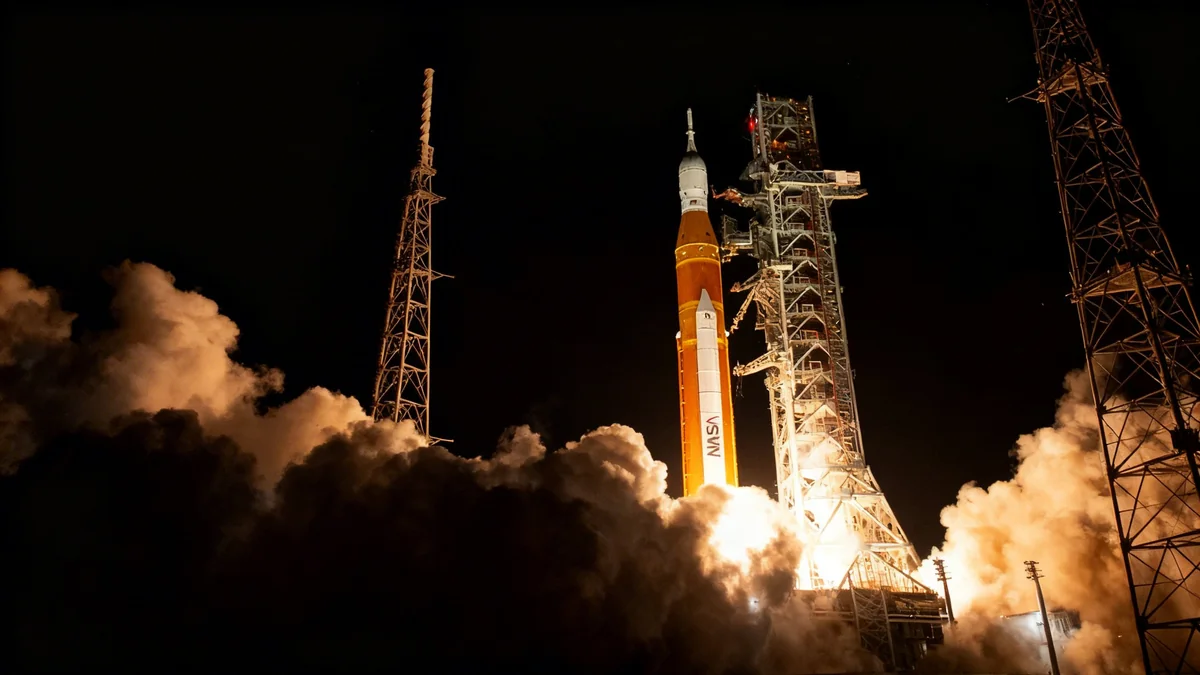
Florida's primary spaceport is bracing for a significant increase in activity, with U.S. Space Force projections indicating a potential for 500 rocket launches annually by 2036. This represents a fivefold increase from current rates, driven by surging demand from commercial and government sectors. Officials are now accelerating infrastructure and operational planning to meet this challenge, suggesting the milestone could be reached even sooner than forecasted.
Key Takeaways
- The Space Force projects the Eastern Range at Cape Canaveral will support up to 500 launches per year by 2036.
- This growth is fueled by companies like SpaceX, ULA, and Blue Origin, as well as demand for satellite constellations.
- A $1.3 billion "Spaceport of the Future" initiative is underway to upgrade infrastructure at Cape Canaveral and Vandenberg.
- Key challenges include traffic congestion from transporting rocket boosters, utility supply, and a shortage of personnel.
- Officials are already planning for the 500-launch cadence to potentially arrive as early as 2030.
Unprecedented Growth on the Space Coast
The space launch industry is experiencing a period of rapid expansion, and nowhere is this more evident than at Cape Canaveral Space Force Station. The facility, which includes NASA's Kennedy Space Center, saw its annual launch count jump from just 18 missions in 2016 to 109 last year. This dramatic rise is largely attributed to the success of reusable rocket technology pioneered by SpaceX and a growing global demand for satellite-based services.
Forecasts from the Space Force, based on business plans from major launch providers, now predict this pace will not only continue but accelerate. Companies such as SpaceX, United Launch Alliance, and Blue Origin, along with emerging players like Firefly and Relativity, have extensive backlogs. These are filled with contracts for deploying vast satellite constellations for communications and Earth observation, alongside increasing national security missions for the Pentagon.
Rapid Acceleration
The Eastern Range has consistently outpaced previous growth projections. In 2017, the Space Force estimated it would reach 100 launches per year by 2030. The spaceport achieved that milestone in 2025, a full five years ahead of schedule.
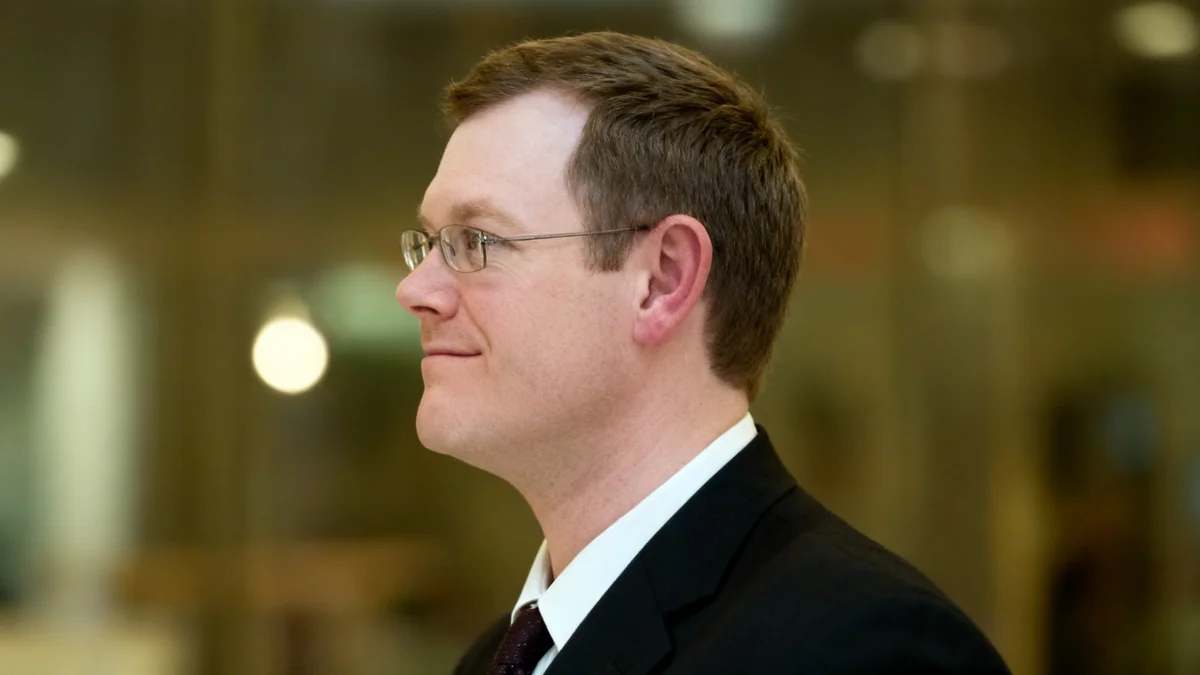
This history of exceeding expectations has led officials to adopt a more aggressive planning timeline. Col. Brian Chatman, commander of Space Launch Delta 45 which oversees the Cape's operations, is pushing his team to prepare for the 500-launch mark much earlier than the official 2036 forecast.
"We’re laying in plans now for 500 in ‘36, but I would not be at all surprised if we saw that happen sooner," Col. Chatman stated. "Right now, 500 by 2030 is really what I’m pushing the team to build the plans to."
Building the 'Spaceport of the Future'
To manage this explosive growth, the Space Force has initiated a comprehensive infrastructure overhaul known as the "Spaceport of the Future." Congress has allocated $1.3 billion between fiscal years 2024 and 2028 for improvements at both the Eastern Range in Florida and the Western Range at Vandenberg Space Force Base in California.
The goal is to transform the ranges from traditional government-run facilities into more efficient, commercially-oriented spaceports. This involves streamlining processes, increasing automation, and reinvesting fees collected from launch companies into vital infrastructure projects.
Phase One Upgrades
The initial phase of the project, currently in progress, focuses on optimizing the existing footprint of the Cape. One key project involves relocating scattered government workspaces to a consolidated area. This will free up valuable real estate in the "industrial area" for launch providers to expand their rocket assembly and testing facilities.
Another practical improvement is the relocation of weather balloon release stations. Currently, some stations are located within the blast damage zones of launch pads, which can create scheduling conflicts and has led to scrubbed launches. Moving them inland will decouple these essential weather operations from hazardous launch activities, allowing both to occur simultaneously.
Construction on these and other phase one projects is set to begin this year and will continue for approximately three years.
Addressing Future Bottlenecks
While the current funding addresses immediate needs, the team at Space Launch Delta 45 is already planning for the next wave of challenges that a 500-launch cadence will bring. Through consultations with NASA and commercial partners, five critical focus areas have been identified for future upgrades.
Future Planning Focus Areas
- Infrastructure and utilities
- Transportation and access limitations
- Commodity supply chains (e.g., fuel)
- Process and organizational alignment
- Expanded launch support facilities
One of the most pressing issues is transportation. The base currently relies on a single main road for all traffic, including personnel commuting to work and the massive transporters moving rocket stages to the launch pads. As reusable boosters become more common, this same road is used to return them to processing facilities after landing.
Col. Chatman highlighted a recent example where transporting a Blue Origin New Glenn booster from the recovery ship to its hangar took over four hours, causing significant disruption. "That was four and a half hours that we had to come up with alternate means for personnel just to get to work," he explained. "I’ve got to have dedicated routes for those transports to happen."
Utilities and Personnel Under Strain
The sheer volume of launches also puts a strain on fundamental utilities. Fuel, for example, is currently delivered by hundreds of trucks. As the launch rate climbs, this method becomes increasingly inefficient. There is also a growing need for more robust power grids and wastewater treatment facilities to handle the byproducts of rocket launches.
Beyond physical infrastructure, there is a critical need for more personnel. The range is currently operating with 450 approved but unfilled positions due to funding shortfalls. These roles, from legal experts navigating environmental regulations to technicians maintaining daily operations, are essential for managing years of construction while sustaining a high launch tempo.
"The team is absolutely getting after it, but one of the conversations we’re having... is, I need some additional bodies to be able to meet that cadence we have going forward," Col. Chatman said. The command is hoping to secure funding for the most urgent needs, like the booster transport lane and additional staff, in the upcoming fiscal 2027 budget request, signaling the urgency of preparing for a future that is arriving faster than anyone predicted.